Oral Gonorrhea: What Patients Need to Know

Oral gonorrhea usually affects the throat after oral sexual contact and may cause no symptoms at all. When symptoms occur, they can include sore throat, swollen glands, mild fever, or discomfort when swallowing.
Key Takeaways
- Oral gonorrhea usually affects the throat after oral sexual contact and may cause no symptoms at all.
- When symptoms occur, they can include sore throat, swollen glands, mild fever, or discomfort when swallowing.
- Diagnosis is usually made with a throat swab, and treatment typically involves antibiotics prescribed by a doctor.
- Partners may also need testing and treatment to prevent reinfection.
- Safer sex practices, regular STI screening, and follow-up when advised help reduce complications and transmission.
Oral gonorrhea is a sexually transmitted infection of the throat caused by Neisseria gonorrhoeae. It often causes no symptoms, but testing and timely antibiotic treatment are important to clear the infection and reduce the chance of passing it to others.
Overview
Oral gonorrhea is a gonorrhea infection in the throat, usually acquired through oral sexual contact with an infected partner. It is caused by the bacterium Neisseria gonorrhoeae. In many people, it does not cause noticeable symptoms, which is why a person can have it without realizing it.
Although people often think of gonorrhea as affecting the genitals, the bacteria can also infect the throat, rectum, and eyes. A throat infection may clear on its own in some cases, but relying on that is not recommended because the infection can still be passed to others and may coexist with genital or rectal gonorrhea.
Oral gonorrhea is treatable, and early diagnosis helps protect both the patient and their sexual partners. Because symptoms can be mild or absent, testing is especially important after a known exposure, if a partner has been diagnosed, or as part of routine STI screening for people at higher risk.
Symptoms and what patients may notice
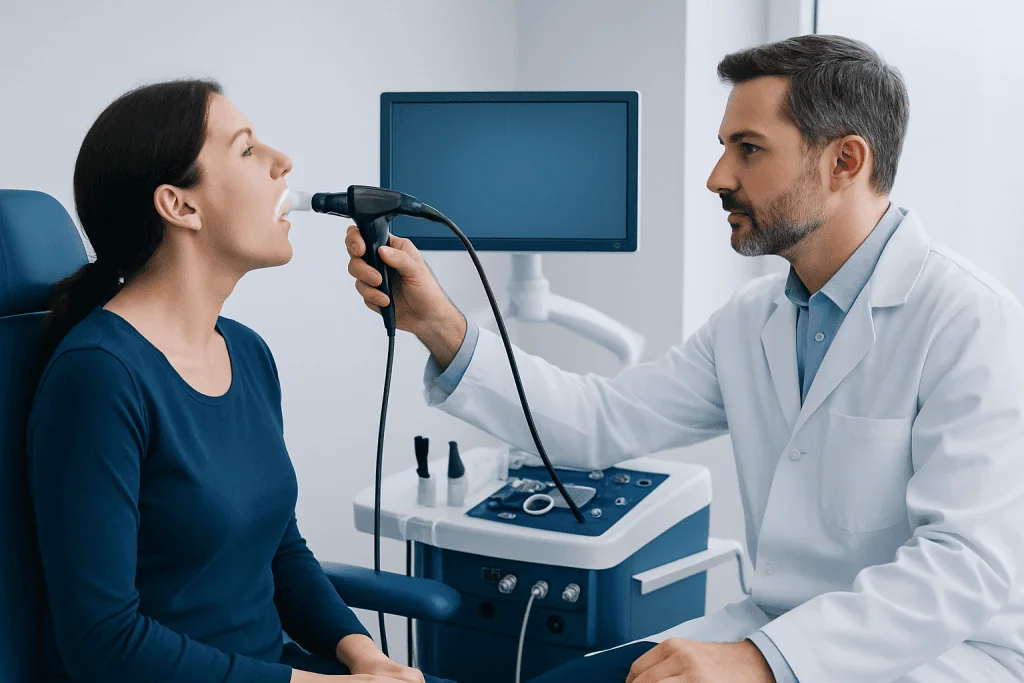
Many people with oral gonorrhea have no symptoms. When symptoms do occur, they can be easy to mistake for a common viral sore throat or irritation from allergies, smoking, or acid reflux. This is one reason throat gonorrhea can go undiagnosed without targeted testing.
Possible symptoms may include a sore throat, redness in the throat, discomfort or pain when swallowing, swollen lymph nodes in the neck, or a mild fever. Some people notice white or yellow patches on the tonsils, though this is not specific to gonorrhea and can occur with other infections too.
Symptoms alone cannot confirm or rule out oral gonorrhea. A person may have throat gonorrhea together with genital gonorrhea or other sexually transmitted infections, including chlamydia or syphilis, so a clinician may recommend broader STI testing depending on symptoms, exposure, and risk factors.
- Sore throat that does not have a clear cause
- Pain or burning when swallowing
- Swollen neck glands
- Mild fever or throat redness
- No symptoms despite recent exposure
How oral gonorrhea spreads and risk factors

Oral gonorrhea spreads through contact with infected mucous membranes or bodily fluids during oral sex. A person can get the infection in the throat after giving oral sex to a partner with genital gonorrhea, and transmission may also occur through oral contact with an infected rectum. Less commonly, it may spread from one infected throat to another through close sexual contact.
The main risk factor is unprotected oral sex. Risk also increases with multiple sexual partners, a new partner, a partner known to have an STI, inconsistent use of barrier protection such as condoms or dental dams, and a previous history of sexually transmitted infections. Because reinfection is possible, a person who has had gonorrhea before can get it again.
Young adults, men who have sex with men, and anyone in a sexual network with higher STI rates may be advised to have regular screening even if they feel well. Alcohol or drug use that affects decision-making can also indirectly raise risk by making barrier protection less likely to be used consistently.
Diagnosis and testing
The most reliable way to diagnose oral gonorrhea is with a throat swab. The sample is tested in a laboratory, often with a nucleic acid amplification test, which looks for the genetic material of the bacteria. In some situations, a culture may also be done, especially if antibiotic resistance is a concern.
A healthcare professional will usually ask about symptoms, recent sexual contact, and the body sites that may have been exposed. This matters because gonorrhea testing should be done at all relevant sites. Someone with throat exposure may also need urine, genital, or rectal testing, depending on their sexual history and symptoms.
Because oral gonorrhea can occur alongside other infections, a clinician may recommend testing for additional STIs. Patients who need a full evaluation may benefit from a comprehensive medical check-up or specialist review. Early and accurate diagnosis also helps guide partner notification and treatment.
Treatment options and follow-up
Oral gonorrhea is treated with antibiotics prescribed by a doctor. The exact treatment approach depends on current clinical guidelines, local resistance patterns, allergies, and whether other infections are present. It is important for patients to complete treatment exactly as advised and not to use leftover antibiotics or medicines prescribed for someone else.
Because antibiotic-resistant gonorrhea is a growing global concern, follow-up can be important. In some cases, a doctor may recommend a test of cure after treatment, especially for throat infections, to confirm that the bacteria have cleared. Patients should also avoid sexual contact until they and their partners have completed treatment and a clinician says it is safe to resume.
Sexual partners may need testing and treatment even if they feel well. Without partner treatment, reinfection can happen quickly. If symptoms are severe, if infection keeps returning, or if the diagnosis is uncertain, further evaluation may be needed through infectious diseases care or related sexual health services. In selected cases where genital symptoms are also present, clinicians may discuss whether broader urology evaluation is appropriate.
Prevention and self-care
The most effective way to reduce the risk of oral gonorrhea is to use barrier protection during oral sex, such as condoms or dental dams. Regular STI screening is also important, especially for people with new or multiple partners or those whose partners have been diagnosed with an STI. Honest communication with partners about testing and symptoms can support earlier diagnosis and treatment.
Self-care has an important but limited role. A person with a sore throat can stay hydrated, rest, and use simple comfort measures, but home remedies do not treat gonorrhea itself. Only appropriate antibiotics can clear the infection. It is also wise to avoid sexual contact until a healthcare professional advises that treatment is complete.
Preventing reinfection matters just as much as treating the first infection. Patients should tell recent sexual partners so they can seek care, follow any retesting advice from their clinician, and return promptly if symptoms persist or come back. Vaccines do not currently prevent gonorrhea, so safer sex practices remain essential.
When to seek medical care
A person should seek medical care if they have a sore throat after oral sexual contact, learn that a partner has gonorrhea, or develop symptoms such as pain when swallowing, swollen neck glands, fever, or unusual throat patches. Even without symptoms, testing is appropriate after a known exposure because oral gonorrhea is often silent.
Prompt care is also important if symptoms do not improve, return after treatment, or occur together with genital discharge, pelvic pain, testicular pain, rectal symptoms, or a rash. These may suggest infection at more than one site or another condition that needs attention.
Patients should seek urgent medical assessment for severe throat swelling, trouble breathing, inability to swallow fluids, or signs of serious illness. For international patients who need coordinated evaluation, Acibadem International’s multidisciplinary specialists and JCI-accredited hospitals diagnose and treat sexually transmitted infections with individualized care.
Frequently asked questions
Can oral gonorrhea go away on its own?
Sometimes throat gonorrhea may clear without treatment, but it should not be left to chance. A person may still pass the infection to others, and untreated infection can coexist with gonorrhea at other body sites. Medical testing and guideline-based treatment are the safest approach.
What does oral gonorrhea feel like?
Many people feel nothing at all. When symptoms occur, they may include a sore throat, discomfort when swallowing, throat redness, swollen glands, or mild fever. These symptoms are not specific, so testing is needed for a diagnosis.
How soon after exposure can oral gonorrhea be detected?
The exact timing can vary, and a clinician will advise the best testing window based on the exposure and symptoms. In general, testing too soon after exposure may miss an early infection. If the first test is negative but concern remains, repeat testing may be recommended.
Is oral gonorrhea contagious through kissing?
Oral gonorrhea is mainly spread through sexual contact involving the mouth and genitals or rectum. The role of deep kissing is less clear and is thought to be much less important than oral sex. Patients should discuss specific exposures with a healthcare professional.
Do partners need treatment if only one person has oral gonorrhea?
Often yes. Recent sexual partners may need evaluation, testing, and sometimes treatment even if they have no symptoms. Treating partners helps prevent reinfection and reduces further spread.
Can oral gonorrhea be confused with strep throat?
Yes. Both conditions can cause throat pain, redness, and swollen glands, and some people with oral gonorrhea have white patches on the tonsils. Because symptoms overlap, a throat swab and appropriate testing are needed to tell them apart.
This article is for general information only and is not a substitute for professional medical advice. Please consult a qualified doctor about your individual situation.
Explore treatments in Turkey — costs, top hospitals & a free quote
JCI-accredited · board-certified surgeons · reply within 24h
Add us as a Preferred Source to see more of our trusted health content across Google Search, AI Overviews and Discover.

More from the Health Library

Tylenol Pm: What Patients Need to Know

Gastrocnemius: A Complete Medical Overview

Cardiovascular Exercise for Fat Loss: What Patients Need to Know

Tavneos — Explained by Medical Evidence, Not Myths

Toe Nail Bed Hurts: What Patients Need to Know