Orgovyx and Alcohol: What Patients Need to Know

Orgovyx is an oral hormone therapy used for advanced prostate cancer. Alcohol is not specifically prohibited in Orgovyx prescribing information, but individual advice may differ.
Key Takeaways
- Orgovyx is an oral hormone therapy used for advanced prostate cancer.
- Alcohol is not specifically prohibited in Orgovyx prescribing information, but individual advice may differ.
- Limiting or avoiding alcohol may help reduce fatigue, hot flashes, sleep disruption, and dehydration.
- People with liver disease, cardiovascular disease, diabetes, or a history of heavy alcohol use should discuss alcohol use with their clinician.
- New chest pain, fainting, severe shortness of breath, or signs of an allergic reaction need urgent medical attention.
There is no known direct drug interaction between Orgovyx (relugolix) and alcohol. However, alcohol can worsen some treatment-related symptoms, affect heart and liver health, and make it harder to maintain healthy routines during prostate cancer care.
Orgovyx and Alcohol: The Practical Answer
There is no established direct interaction between Orgovyx and alcohol. Orgovyx is the brand name for relugolix, a prescription medicine that lowers testosterone and is used to treat certain adults with advanced prostate cancer. For many patients, an occasional alcoholic drink may not be specifically forbidden, but the safest choice depends on their medical history, other medicines, symptoms, and cancer treatment plan.
Alcohol can still matter during treatment. It may contribute to tiredness, dehydration, poor sleep, mood changes, and reduced concentration, which can overlap with effects of hormone-lowering therapy. Alcohol can also affect blood pressure, heart rhythm, blood sugar control, liver health, and nutrition. Patients should ask their oncology or urology team for individualized guidance before drinking.
It is important not to stop Orgovyx, skip doses, or change the way it is taken because of alcohol use without speaking with the prescribing clinician. Consistent daily treatment is important for maintaining the intended testosterone-lowering effect.
What Orgovyx Does and Why Lifestyle Questions Matter
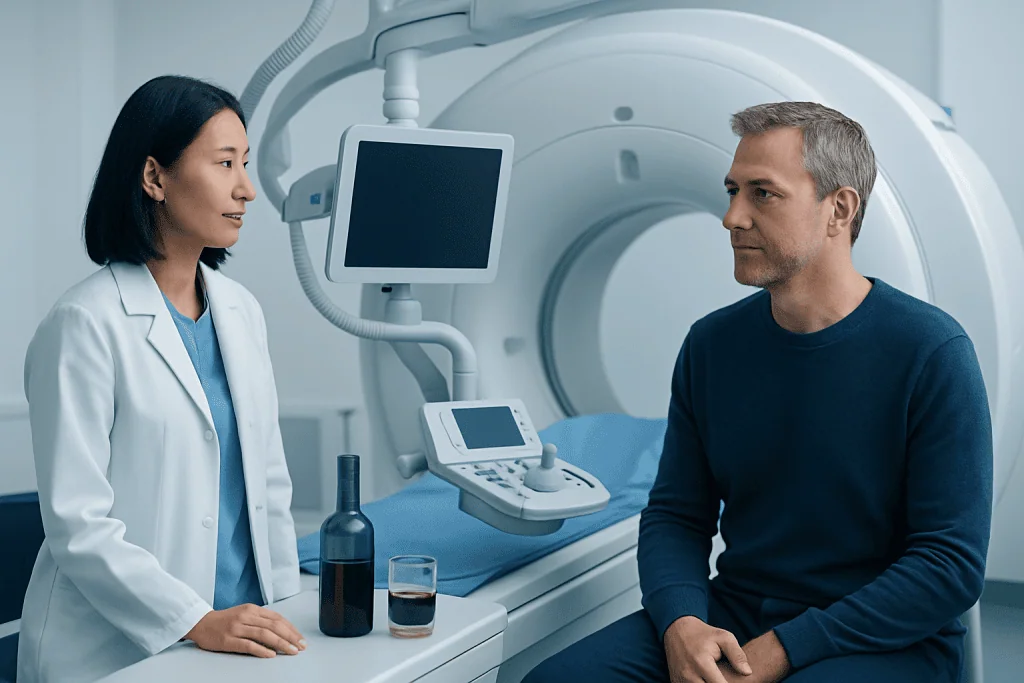
Orgovyx is a gonadotropin-releasing hormone (GnRH) receptor antagonist. It works by reducing signals that normally stimulate testosterone production. Because many prostate cancers use testosterone to grow, lowering testosterone can help slow or control the cancer. It may be used as part of an individualized care plan for prostate cancer.
Testosterone reduction can affect more than the cancer itself. Some people experience hot flashes, fatigue, muscle loss, weight changes, lower sexual desire, erectile difficulties, emotional changes, or changes in bone health over time. These effects vary considerably between individuals, and clinicians can help patients anticipate, monitor, and manage them.
Questions about alcohol are therefore not only about whether two substances interact in the bloodstream. They are also about whether alcohol might intensify symptoms, complicate other health conditions, interfere with sleep or nutrition, or make it more difficult to follow a medication schedule. A patient’s care team can consider the full picture, including cancer stage and any planned prostate cancer treatment.
How Alcohol May Affect Treatment Experience

Alcohol does not need to directly interact with a medicine to create practical problems. For example, alcohol can cause dehydration and disturbed sleep. Since hot flashes and tiredness can occur with testosterone-lowering treatment, drinking may make these symptoms feel more troublesome for some people, especially if alcohol is consumed in the evening or in larger amounts.
Alcohol may also lower inhibitions and affect memory or routines. This can increase the chance of missing a daily dose or taking it at an inconsistent time. Using a phone reminder, calendar, or pill organizer may support regular dosing. If a dose is missed, patients should follow the instructions provided with their prescription or contact their pharmacist or healthcare team for advice.
In addition, frequent or heavy alcohol intake can affect mood, anxiety, balance, appetite, and sleep quality. These concerns may be particularly relevant for people coping with the emotional and physical demands of cancer treatment. Alcohol should not be used as a way to manage stress, insomnia, pain, or treatment-related distress; supportive care options are available through the cancer care team.
- Consider avoiding alcohol when feeling dehydrated, unusually tired, dizzy, or unwell.
- Do not drink alcohol before driving, operating machinery, or making important treatment decisions.
- Choose alcohol-free alternatives if drinking seems to trigger hot flashes, poor sleep, or low mood.
- Discuss any regular alcohol use openly with the prescribing clinician.
Who Should Be Especially Cautious With Alcohol
Some people should be particularly cautious and may be advised to avoid alcohol altogether. This includes those with liver disease, pancreatitis, a past or current alcohol use disorder, or a history of falls. Alcohol can worsen these conditions and may make it harder to recognize whether new symptoms are related to treatment or another health issue.
Patients with heart disease, a history of irregular heartbeat, high blood pressure, diabetes, high triglycerides, or stroke risk should also ask for individualized advice. Hormone therapy can require monitoring of cardiovascular and metabolic health, and alcohol may influence several of these risk factors. The care team may review medications, laboratory results, blood pressure, and lifestyle factors together.
Extra caution is also sensible for anyone taking medicines that cause drowsiness, affect blood pressure, alter blood sugar, or are processed by the liver. This can include some pain medicines, sleep medicines, anti-anxiety medicines, antidepressants, diabetes treatments, and blood pressure medicines. Patients should provide their clinician and pharmacist with a complete list of prescription medicines, nonprescription products, vitamins, and herbal supplements.
A Safer Approach if a Clinician Says Alcohol Is Acceptable
If the treating clinician says alcohol is appropriate for the individual, moderation and attention to symptoms are sensible. Patients may find it useful to drink slowly, have food with a drink, alternate with water, and avoid drinking when they are ill, dehydrated, or experiencing significant side effects. There is no need to “catch up” on alcohol avoided during treatment.
Keeping a brief symptom record can be helpful. Patients can note hot flashes, sleep quality, fatigue, dizziness, mood, appetite, and alcohol intake for a few weeks. If a pattern appears, such as more severe hot flashes or poorer sleep after drinking, reducing or avoiding alcohol may improve day-to-day comfort.
Healthy routines support overall wellbeing during hormone therapy. These can include regular physical activity suited to the person’s abilities, adequate protein and calcium-containing foods where appropriate, a balanced diet, good hydration, sleep habits, and emotional support. A clinician may also discuss bone health, cardiovascular monitoring, sexual health, and treatment for bothersome symptoms.
Medication Safety and Ongoing Monitoring
Orgovyx should be taken exactly as prescribed, usually at about the same time each day. Patients should not adjust their dose or stop treatment based on side effects or concerns about alcohol without medical advice. Stopping or interrupting hormone therapy can affect cancer control and may require a specific plan from the treating clinician.
Relugolix can interact with certain medicines, including some drugs that affect transport proteins or heart rhythm. Alcohol is not a substitute for reviewing medication safety. Before starting any new prescription, over-the-counter medicine, herbal product, or supplement, patients should check with their oncology team or pharmacist.
Follow-up visits may include discussions about symptoms and quality of life, as well as monitoring that is appropriate for the patient’s cancer and overall health. Reporting concerns early can allow the team to offer practical measures, adjust supportive treatments, or investigate symptoms that may have another cause.
When to Seek Medical Care
Patients should contact their cancer care team promptly if they develop persistent or worsening dizziness, severe fatigue, frequent fainting, new palpitations, swelling, or symptoms that make it difficult to take Orgovyx regularly. They should also seek advice for ongoing vomiting, inability to keep fluids down, marked mood changes, or concerns about alcohol use.
Urgent medical care is needed for chest pain, severe shortness of breath, fainting, sudden weakness on one side of the body, trouble speaking, or a severe allergic reaction such as swelling of the face or throat, widespread hives, or trouble breathing. These symptoms may not necessarily be caused by Orgovyx or alcohol, but they should be assessed without delay.
For international patients, Acibadem International’s multidisciplinary specialists and JCI-accredited hospitals can assess prostate cancer treatment needs and provide coordinated care. Patients should continue to rely on their own treating team for advice tailored to their diagnosis, medicines, and health history.
Frequently asked questions
Can patients drink alcohol while taking Orgovyx?
There is no known direct interaction between Orgovyx and alcohol. However, a patient’s oncology or urology team should confirm what is appropriate because alcohol may worsen side effects or affect other medical conditions and medicines.
Does alcohol make Orgovyx less effective?
Alcohol is not known to directly reduce the effectiveness of Orgovyx. However, drinking may make it easier to miss doses or may interfere with sleep, nutrition, and overall health, which are important parts of cancer care.
Can alcohol worsen Orgovyx side effects?
It can for some people. Alcohol may contribute to poor sleep, dehydration, fatigue, dizziness, low mood, and hot flashes, which can overlap with or worsen symptoms experienced during hormone therapy.
Should someone with liver disease avoid alcohol while taking Orgovyx?
People with liver disease should discuss alcohol use directly with their clinician and may be advised to avoid it. Alcohol can further burden the liver and may complicate the monitoring of symptoms and medicines.
What if alcohol causes a missed Orgovyx dose?
Patients should follow the missed-dose directions supplied with their prescription and contact a pharmacist or prescribing team if they are unsure what to do. They should not take extra doses unless specifically instructed by a healthcare professional.
When should a patient seek urgent help while on Orgovyx?
Urgent assessment is appropriate for chest pain, severe shortness of breath, fainting, signs of stroke, or symptoms of a serious allergic reaction. These symptoms require prompt medical evaluation whether or not alcohol was consumed.
This article is for general information only and is not a substitute for professional medical advice. Please consult a qualified doctor about your individual situation.
Explore treatments in Turkey — costs, top hospitals & a free quote
JCI-accredited · board-certified surgeons · reply within 24h
Add us as a Preferred Source to see more of our trusted health content across Google Search, AI Overviews and Discover.
Check your numbers in seconds
BMI, calories, due date, blood pressure and 30+ more clinical calculators — free, instant, doctor-reviewed ranges.

More from the Health Library

Flank: An Evidence-Based Guide for Patients

Hair Growth Oil — Explained by Medical Evidence, Not Myths

4 Month Sleep Regression — Explained by Medical Evidence, Not Myths
Lubricated Condoms: What Patients Need to Know

Femur Fracture — Explained by Medical Evidence, Not Myths