Osteoradionecrosis Treatment: How It Works, Results and What to Expect

Osteoradionecrosis (ORN) is radiation-related damage to bone, most often the lower jaw, rather than a new cancer. Treatment is individualized according to the extent of bone damage, symptoms, infection and overall health.
Key Takeaways
- Osteoradionecrosis (ORN) is radiation-related damage to bone, most often the lower jaw, rather than a new cancer.
- Treatment is individualized according to the extent of bone damage, symptoms, infection and overall health.
- Early ORN may improve with meticulous oral care, conservative dental treatment and specialist follow-up.
- More extensive ORN may require removal of diseased bone and reconstruction using healthy tissue with its blood supply.
- Regular dental follow-up before and after head and neck radiation helps lower the risk of ORN and supports early detection.
Osteoradionecrosis treatment aims to control pain and infection, protect the jaw from further injury, and support healing of radiation-damaged bone. Care ranges from close monitoring and conservative dental treatment to medications, oxygen therapy in selected cases, and reconstructive surgery for advanced disease.
Overview: How osteoradionecrosis treatment works
Osteoradionecrosis treatment addresses a delayed effect of radiation therapy in which bone has a reduced blood supply and limited ability to repair itself. It occurs most often in the mandible (lower jaw) after radiation for cancers of the head and neck. The affected bone may become exposed through the gums, painful, infected or slow to heal after an injury such as tooth extraction.
The central goal is to stabilize the area and preserve jaw function whenever possible. Treatment may include improved oral hygiene, pain relief, treatment of infection when present, smoothing small areas of exposed bone, protective dental measures and close monitoring. If there is progressive bone destruction, fracture, a fistula, persistent infection or significant functional difficulty, surgery may be needed to remove nonviable bone and reconstruct the jaw.
ORN is different from medication-related osteonecrosis of the jaw, which is associated with certain bone-strengthening or cancer medicines. A head and neck surgeon, oral and maxillofacial surgeon, restorative dentist, radiation oncologist and other specialists may work together to identify the cause of symptoms and plan care around previous cancer treatment and current health needs.
Symptoms, causes and risk factors
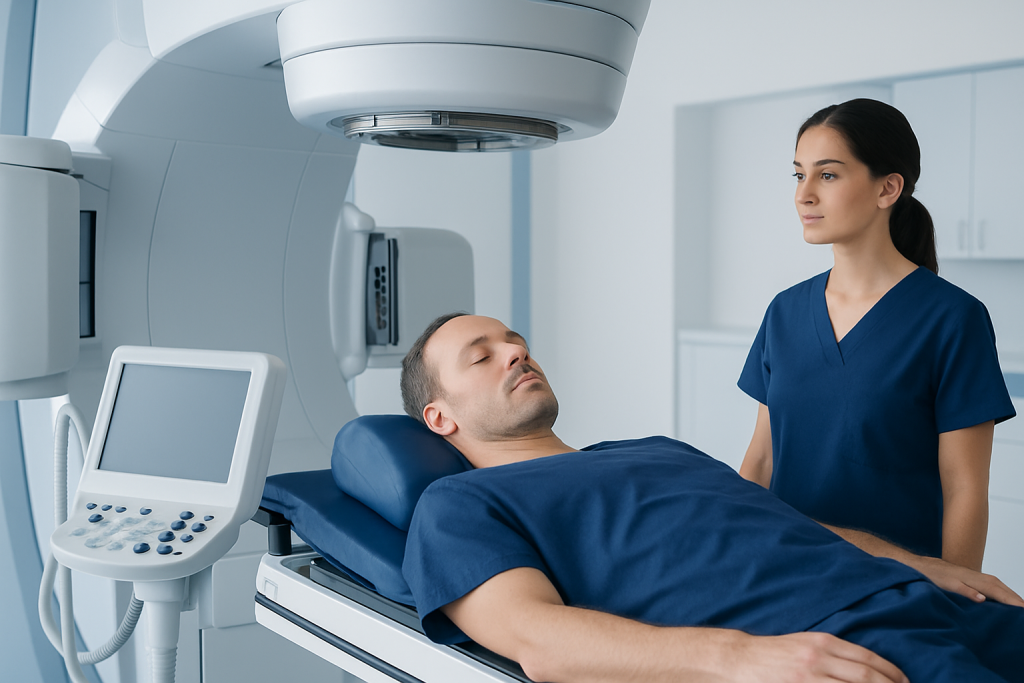
Symptoms can vary from a small painless area of exposed bone to ongoing jaw pain, swelling, bad taste, drainage, loose teeth, numbness, difficulty opening the mouth, trouble chewing or a non-healing socket after dental work. Some people have changes visible on dental imaging before bone becomes exposed. These symptoms need assessment because infection, recurrence of cancer and other dental conditions can cause similar concerns.
Radiation can damage small blood vessels, bone-forming cells and surrounding soft tissues. Over time, this may leave bone less able to withstand pressure, infection or trauma. ORN is most closely linked with higher radiation exposure to the jaw, but its likelihood also depends on the treatment field, dental health and individual healing factors.
- Tooth extraction or invasive dental surgery in previously irradiated jawbone
- Poorly fitting dentures or chronic rubbing from sharp teeth
- Periodontal disease, tooth decay or untreated oral infection
- Tobacco use, heavy alcohol use and poor nutrition
- Dry mouth after radiation, which increases the risk of cavities and gum disease
- Other health conditions that can affect healing, such as poorly controlled diabetes
Risk does not mean ORN will occur. Preventive dental planning before radiation and ongoing oral care afterward can substantially support oral health and allow potential problems to be managed early.
Diagnosis and stages of osteoradionecrosis

Diagnosis begins with a detailed review of radiation treatment, dental history, symptoms and examination of the mouth and jaw. Dental X-rays, panoramic imaging or CT scans can help show bone changes, fracture, infection or the extent of disease. MRI or other scans may sometimes help assess surrounding soft tissue. If a cancer recurrence is a concern, the team may arrange further imaging or a biopsy, carefully selected to avoid unnecessary trauma.
There is no single staging system used everywhere. Clinicians may describe ORN by whether bone is exposed, whether it responds to conservative treatment, and whether it has progressed to deep infection, a fistula, pathologic fracture or spread beyond the jaw. Older systems often group disease into early, moderate and advanced stages; newer systems may also account for imaging findings and symptom severity.
In practical terms, early disease is limited and may be managed without major surgery. Moderate disease may involve persistent exposed bone, pain or infection that requires more active local treatment. Advanced disease generally involves extensive non-healing bone, fracture, fistula, severe infection or impaired eating and speaking, and it often requires reconstructive surgery. Staging guides decisions but does not replace individualized assessment.
Who may need osteoradionecrosis treatment and how care is planned
Anyone with suspected ORN should be assessed by clinicians experienced in head and neck cancer survivorship and jaw disorders. The team considers the location and severity of bone damage, current symptoms, oral infections, radiation dose and field where available, nutritional status, tobacco exposure, other medical conditions and the person’s goals for comfort, appearance and function.
Conservative management may be appropriate for small, stable areas without major infection or fracture. It can also be used when surgery is not advisable because of other health concerns. Conversely, extensive disease may need prompt surgical planning if it causes significant pain, recurrent infection, a draining opening through the skin or mouth, jaw instability, or difficulty maintaining nutrition.
Before any extraction, implant procedure or other invasive dental treatment after head and neck radiation, patients should consult their radiation oncology and oral surgery teams. Alternatives to extraction, such as restoring a tooth or modifying a denture, may sometimes be possible. When an extraction is necessary, specialists can plan the safest approach and follow healing closely.
Step-by-step: what osteoradionecrosis treatment may involve
Care usually starts with symptom control and reducing local irritation. A dental or oral surgery examination identifies rough bone edges, dental disease, pressure from dentures and signs of infection. The clinician may recommend gentle cleaning, fluoride strategies for radiation-related dry mouth and tooth decay, rinses when appropriate, adjustments to dentures, nutritional support and pain management. Antibiotics are used when there is evidence of bacterial infection, rather than routinely for every exposed area of bone.
For selected cases, a specialist may remove loose fragments of dead bone or perform limited debridement while preserving healthy tissue. Some centers use medication-based protocols intended to improve tissue health, but suitability and evidence vary by disease stage and patient factors. Hyperbaric oxygen therapy may also be considered in selected circumstances; however, it is not appropriate or necessary for every person, and its role should be discussed with a multidisciplinary team.
When ORN is advanced or continues to progress despite conservative care, surgery may involve resection of the nonviable part of the jaw. Reconstruction can use a bone-and-soft-tissue flap transferred from another part of the body with its own blood vessels. This approach aims to restore jaw continuity, improve healing capacity and support speech, swallowing and chewing. The exact operation depends on the area affected and the individual’s health and treatment history.
Acibadem International’s multidisciplinary specialists at JCI-accredited hospitals can assess radiation-related jaw complications and coordinate dental, surgical, oncology and rehabilitation care for international patients.
Benefits, risks and recovery timeline
Potential benefits of treatment include less pain and drainage, better control of infection, protection against further jaw damage and improved ability to eat, speak and maintain oral hygiene. In advanced cases, successful reconstruction may restore jaw stability and facial contour. Results vary because radiation injury can affect bone and soft tissue long after cancer treatment has ended.
Recovery depends greatly on the treatment used. After conservative care or limited debridement, soreness may settle over days to weeks, but follow-up often continues for months to confirm stability. After major jaw resection and reconstruction, hospitalization and recovery are longer. Early care focuses on flap monitoring, pain control, nutrition and wound healing; swallowing, speech and jaw function may improve gradually over weeks to months with rehabilitation.
Risks of treatment can include bleeding, infection, delayed wound healing, persistent exposed bone, nerve injury causing altered lip or chin sensation, changes in bite, difficulty opening the mouth and the need for further dental or surgical treatment. Reconstructive operations have additional risks related to anesthesia, donor-site healing and blood-vessel connections in the flap. A surgical team should explain the expected benefits, alternatives and individual risks before treatment.
Prevention, self-care and when to seek medical care
The most effective prevention begins before radiation therapy, with a dental assessment and treatment of teeth or infections likely to cause future problems. After radiation, regular dental reviews, careful brushing with a soft toothbrush, daily fluoride if prescribed, management of dry mouth and avoidance of tobacco support long-term oral health. Dentures should fit comfortably and be reviewed if they rub or cause sores.
People should not ignore dental pain or attempt to remove exposed bone themselves. They should tell every dentist and dental hygienist about previous head and neck radiation before treatment. Good hydration, adequate protein and balanced nutrition can support general healing, particularly when mouth soreness or swallowing problems have limited food intake.
Medical or dental assessment should be arranged promptly for exposed jawbone, a mouth sore that does not heal, worsening jaw pain, swelling, pus or drainage, fever, loose teeth, new numbness, difficulty opening the mouth, or trouble swallowing and eating. Urgent assessment is appropriate for breathing difficulty, rapidly increasing facial or neck swelling, uncontrolled bleeding or inability to take in fluids. Early evaluation can help distinguish ORN from infection, dental disease or other conditions and may prevent complications.
Frequently asked questions
What is the survival rate for patients with osteoradionecrosis (ORN)?
ORN itself is not usually described with a single survival rate because it is a complication of radiation treatment, not a cancer. Outcomes depend on the extent of jaw involvement, infection, nutrition, other medical conditions and whether the original cancer remains controlled. With specialist care, many people achieve symptom control and improved function, while advanced disease may require complex surgery.
Can you recover from osteonecrosis of the jaw?
Recovery is possible, particularly when the condition is identified early and contributing problems such as infection, dental trauma or poorly fitting dentures are addressed. Some cases stabilize with conservative care, while others need removal of damaged bone and reconstruction. Healing can take time because previously irradiated tissues have reduced repair capacity.
What are the different stages of osteoradionecrosis?
Several classification systems exist, so stage names can differ between hospitals. In general, early ORN is limited exposed or abnormal bone without major complications; moderate ORN is persistent or symptomatic disease that may need active local treatment; and advanced ORN can include extensive bone loss, fistula, fracture or severe infection. Imaging and clinical examination help determine severity and treatment needs.
How long does it take for osteonecrosis of the jaw to develop?
ORN can develop months or years after radiation therapy, and the risk can remain long term. It sometimes appears after a trigger such as tooth extraction, gum infection or chronic irritation, but it can also occur without an obvious event. Any new non-healing mouth sore or jaw symptom after head and neck radiation should be assessed.
Is hyperbaric oxygen treatment necessary for osteoradionecrosis?
Hyperbaric oxygen therapy may be considered for selected patients, but it is not required for every case and evidence for benefit varies by clinical situation. A team familiar with ORN can determine whether it is reasonable alongside dental care, medication, debridement or surgery. It should not delay assessment of significant infection, fracture or progressive bone damage.
Can teeth be removed after radiation therapy to the head and neck?
Teeth can sometimes be removed after radiation, but extraction requires careful planning because trauma to irradiated jawbone can increase the risk of ORN. Patients should first discuss the need for extraction with an oral and maxillofacial surgeon and the oncology team. In some situations, non-extraction alternatives or specialized preventive measures may be recommended.
References
- National Cancer Institute
- American Association of Oral and Maxillofacial Surgeons
- International Society of Oral Oncology
- American Dental Association
- National Institute of Dental and Craniofacial Research
This article is for general information only and is not a substitute for professional medical advice. Please consult a qualified doctor about your individual situation.
Explore treatments in Turkey — costs, top hospitals & a free quote
JCI-accredited · board-certified surgeons · reply within 24h
Add us as a Preferred Source to see more of our trusted health content across Google Search, AI Overviews and Discover.