

Otitis Media: Middle Ear Infection Symptoms and Treatment in Children

Otitis media is an infection or inflammation behind the eardrum, most often seen in babies and young children. Common symptoms include ear pain, fever, irritability, sleep problems, fluid drainage, and temporary hearing difficulty.
Key Takeaways
- Otitis media is an infection or inflammation behind the eardrum, most often seen in babies and young children.
- Common symptoms include ear pain, fever, irritability, sleep problems, fluid drainage, and temporary hearing difficulty.
- Not every ear infection needs antibiotics; treatment depends on the child’s age, symptoms, examination findings, and overall health.
- Pain relief, hydration, rest, and follow-up are important parts of care, even when antibiotics are prescribed.
- Urgent medical advice is needed for infants under 6 months, severe pain, high fever, swelling around the ear, or symptoms that worsen.
Otitis media is a common middle ear infection in children, often developing after a cold or upper respiratory infection. Most children recover well with careful pain control, monitoring, and, when needed, antibiotic treatment guided by a doctor.
Overview
Otitis media means inflammation or infection of the middle ear, the air-filled space behind the eardrum. It is especially common in children because their ear anatomy and developing immune systems make it easier for fluid and germs to become trapped after a cold, flu, or allergy flare.
The most familiar type is acute otitis media, which usually causes a rapid onset of ear pain and may be linked with fever or fussiness. Another related condition is otitis media with effusion, where fluid remains behind the eardrum without clear signs of an active infection. This fluid may cause a blocked feeling or temporary hearing difficulty.
Although ear infections can be uncomfortable, most children recover without long-term problems. The main goals of care are to relieve pain, identify children who need antibiotics or further evaluation, and monitor hearing or repeated infections when they occur.
Symptoms of Otitis Media in Children
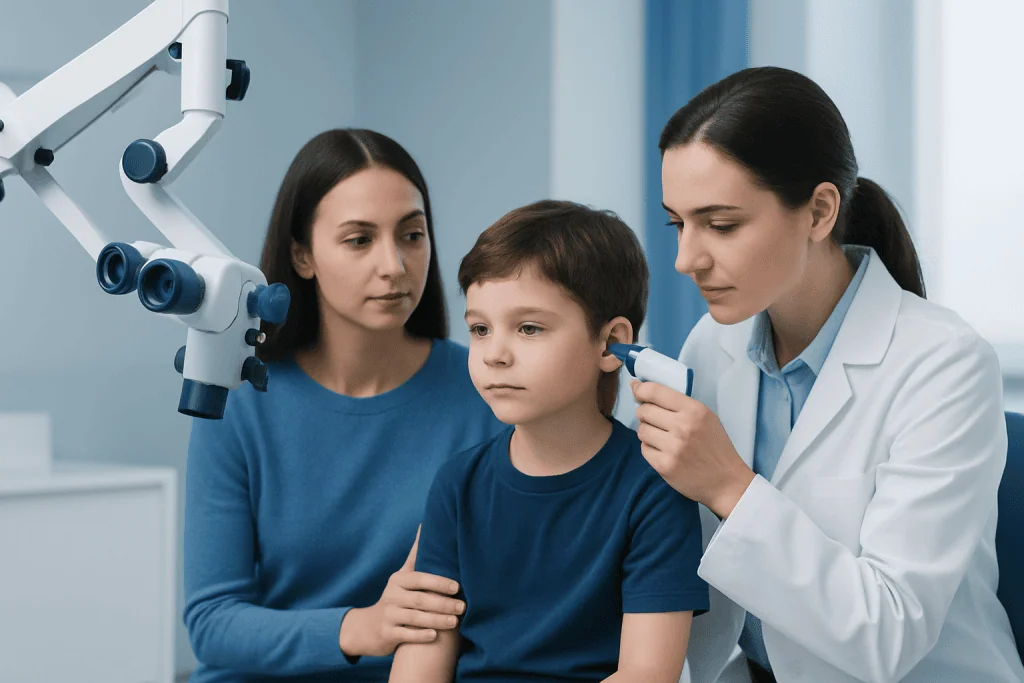
Symptoms can vary by age. Older children may clearly describe earache, pressure, or reduced hearing, while babies and toddlers may show discomfort through behavior changes. Symptoms often begin during or shortly after a runny nose, cough, sore throat, or other upper respiratory infection.
Common signs and symptoms include:
- Ear pain or pulling at the ear
- Fever, especially in younger children
- Irritability, crying, or difficulty settling
- Trouble sleeping, especially when lying down
- Reduced hearing or not responding to quiet sounds
- Fluid, pus, or blood draining from the ear
- Loss of appetite, nausea, vomiting, or balance problems in some children
Ear drainage can occur if pressure behind the eardrum causes a small tear. This may reduce pain because pressure is released, but it still requires medical assessment. Parents should not place cotton swabs or ear drops into a draining ear unless a doctor has advised it.
Causes and Risk Factors
Otitis media usually starts when the eustachian tube, which connects the middle ear to the back of the nose and throat, becomes swollen or blocked. This can happen during viral colds, sinus congestion, allergies, or throat infections. When the tube does not drain well, fluid builds up behind the eardrum and bacteria or viruses may multiply.
Children are more prone to middle ear infections because their eustachian tubes are shorter, narrower, and more horizontal than those of adults. This makes drainage less efficient. Enlarged adenoids, which are immune tissue near the opening of the eustachian tubes, can also contribute to blockage.
Risk factors include young age, attendance at group childcare, exposure to tobacco smoke, frequent colds, family history of ear infections, bottle-feeding while lying flat, and not being up to date with recommended vaccines. Children with cleft palate, Down syndrome, immune system problems, or chronic nasal allergies may also have a higher risk of repeated or persistent middle ear problems.
How Otitis Media Is Diagnosed
A doctor diagnoses otitis media by combining the child’s symptoms with an ear examination. The key tool is an otoscope, a lighted instrument used to look at the eardrum. In acute otitis media, the eardrum may look red, bulging, cloudy, or less mobile because of fluid and pressure behind it.
Sometimes a pneumatic otoscope is used to gently puff air toward the eardrum and check how well it moves. If fluid is present, movement is often reduced. Tympanometry, a quick test that measures eardrum movement, may be used when the diagnosis is uncertain or when fluid behind the eardrum persists.
Hearing tests are not usually needed for a single uncomplicated infection, but they may be recommended if fluid lasts for several months, speech or learning concerns are present, or infections keep returning. A careful diagnosis matters because ear pain can also come from teething, throat infections, ear canal infection, wax blockage, jaw problems, or injury.
Treatment Options
Treatment depends on the child’s age, how severe the symptoms are, whether one or both ears are affected, and whether there are risk factors for complications. Pain control is important for all children with suspected otitis media. A doctor may recommend age-appropriate pain relievers such as paracetamol or ibuprofen, but aspirin should not be given to children unless specifically prescribed.
Antibiotics are sometimes needed, particularly for younger infants, severe symptoms, drainage from the ear, or infection in both ears in certain age groups. In other cases, a doctor may recommend watchful waiting for a short period, because many ear infections improve on their own. This approach should only be used when follow-up is reliable and the child is otherwise well.
If antibiotics are prescribed, parents should give them exactly as directed and complete the course unless the doctor advises otherwise. Symptoms often improve within a few days, but persistent fever, worsening pain, or new symptoms should prompt re-evaluation. Leftover antibiotics should not be used for future ear pain because the cause and correct treatment may be different.
For children with frequent recurrent infections or long-lasting fluid that affects hearing, an ear, nose and throat specialist may discuss additional options. These may include monitoring, hearing evaluation, addressing allergies or adenoid problems, or inserting small ventilation tubes in selected cases to help the middle ear drain and equalize pressure.
Prevention and Self-Care at Home
Not all ear infections can be prevented, but several practical steps can reduce risk. Keeping recommended childhood vaccinations up to date, including pneumococcal and influenza vaccines where advised, helps protect against infections that can lead to otitis media. Reducing exposure to cigarette smoke is also important because smoke irritates the nose, throat, and eustachian tubes.
Good hand hygiene and limiting close contact with people who have respiratory infections can reduce the number of colds a child gets. Breastfeeding, when possible, may offer immune protection in infancy. For babies who bottle-feed, holding the baby in a semi-upright position rather than lying flat may help reduce reflux of fluid toward the eustachian tubes.
At home, caregivers can help by encouraging fluids, allowing rest, and using doctor-approved pain relief. Warm compresses placed gently against the outside of the ear may soothe some children. Ear candles, cotton swabs inserted into the ear, and unprescribed ear drops should be avoided because they can cause injury or delay appropriate care.
When to See a Doctor
A child should be assessed by a doctor if ear pain is moderate or severe, fever is present, symptoms last more than a day, or the child seems unusually sleepy, distressed, or unwell. Babies under 6 months with possible ear infection symptoms should be examined promptly because they are at higher risk and may not show typical signs.
Urgent medical advice is needed if there is swelling, redness, or tenderness behind the ear; the ear appears pushed forward; severe headache; stiff neck; repeated vomiting; dizziness; facial weakness; or fluid draining from the ear. These symptoms are uncommon, but they require timely evaluation.
Follow-up is also important if infections happen repeatedly, if hearing seems reduced, or if speech and language development are a concern. Acibadem International’s multidisciplinary specialists and JCI-accredited hospitals diagnose and treat ear, nose, and throat conditions, including otitis media, for international patients who need coordinated care.
Frequently asked questions
Is otitis media contagious?
Otitis media itself is not usually contagious, because it is an infection or inflammation inside the middle ear. However, the colds and respiratory viruses that often lead to ear infections can spread from child to child. Hand hygiene and keeping sick children home when appropriate can reduce transmission.
Does every child with an ear infection need antibiotics?
No. Some middle ear infections improve without antibiotics, especially in older children with mild symptoms. A doctor decides based on age, severity, ear examination findings, drainage, and the child’s medical history. Pain relief and careful observation remain important even when antibiotics are not used.
How long does otitis media usually last?
Pain and fever often begin to improve within a few days with appropriate care. Fluid behind the eardrum can remain for several weeks after the infection has cleared, which may cause temporary hearing changes. Persistent symptoms or hearing concerns should be checked by a doctor.
Can otitis media affect a child’s hearing?
Yes, but hearing loss from otitis media is usually temporary and related to fluid behind the eardrum. If fluid persists or infections are frequent, hearing may be affected for longer. Children with speech delays, school difficulties, or ongoing hearing concerns may need hearing tests and specialist review.
What should parents avoid doing for ear pain?
Parents should avoid putting cotton swabs, ear candles, oils, or unprescribed drops into the ear. These can irritate or injure the ear, especially if the eardrum is not intact. It is safer to use doctor-approved pain relief and seek medical advice when symptoms suggest infection.
When are ear tubes considered for children?
Ear tubes may be considered when a child has frequent recurrent otitis media or persistent middle ear fluid that affects hearing or development. The decision depends on the child’s pattern of illness, hearing tests, age, and overall health. An ear, nose and throat specialist can explain the benefits and risks for the individual child.
References
- World Health Organization
- American Academy of Pediatrics
- Centers for Disease Control and Prevention
- National Institute on Deafness and Other Communication Disorders
- National Institute for Health and Care Excellence
This article is for general information only and is not a substitute for professional medical advice. Please consult a qualified doctor about your individual situation.
Explore treatments in Turkey — costs, top hospitals & a free quote
JCI-accredited · board-certified surgeons · reply within 24h
Add us as a Preferred Source to see more of our trusted health content across Google Search, AI Overviews and Discover.

Otorhinolaryngology (ENT)
Care for ear, nose, throat and head-and-neck conditions, including hearing and balance disorders.
126 specialists in this unitMore from the Health Library



Related Specialists

Dr. Canan Öner
Clinical Laboratory
Miray Karaoğlu
Physical Medicine & Rehabilitation
Dr. Pelin Nar
Neurology
Dr. Hacer Yüksel
Cardiopulmonary Rehabilitation