Pain in the Pennies: Possible Causes and When to Seek Care

Pain in the pennies usually refers to penile pain, not a specific diagnosis. Common causes include friction, skin irritation, urinary tract infection, sexually transmitted infections, and foreskin-related problems.
Key Takeaways
- Pain in the pennies usually refers to penile pain, not a specific diagnosis.
- Common causes include friction, skin irritation, urinary tract infection, sexually transmitted infections, and foreskin-related problems.
- Sudden severe pain, swelling, inability to pass urine, fever, or an erection lasting more than four hours needs urgent medical attention.
- A doctor may diagnose the cause through history, physical examination, urine testing, and sometimes ultrasound or swabs.
- Treatment depends on the cause and may include hygiene changes, medicines, or specialist urology care.
Pain in the pennies is commonly used online to mean pain in the penis. It can happen because of skin irritation, infection, injury, urinary problems, or less commonly an emergency condition, so the next steps depend on where the pain is felt, how long it lasts, and whether other symptoms are present.
What does pain in the pennies mean?
“Pain in the pennies” is a common misspelling or informal search term that usually means pain in the penis. In many cases, the cause is not dangerous and may be linked to temporary irritation, friction, or inflammation. Still, penile pain should not be ignored if it is strong, lasts more than a short time, keeps coming back, or happens with urinary symptoms, discharge, swelling, or fever.
The symptom can be felt in different places. Some people notice pain at the tip of the penis, others along the shaft, under the foreskin, or deeper inside with urination. The location and timing often give useful clues. For example, burning during urination may point toward infection or irritation, while pain during erection may suggest trauma, tight foreskin, or a structural problem.
This symptom is best understood as a sign rather than a disease itself. A careful medical evaluation looks at skin changes, recent sexual activity, hygiene products, injuries, urinary symptoms, and whether pain occurs at rest, during urination, or during erections. That broader view can help identify the most likely cause and guide treatment.
How penile pain can feel
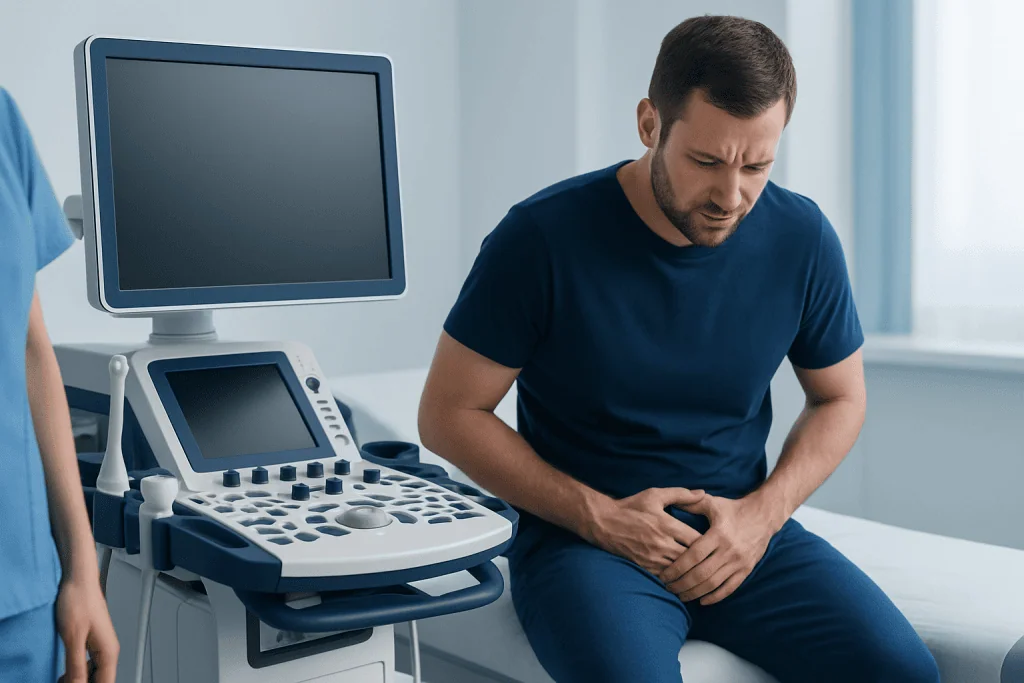
People describe penile pain in different ways. It may feel sharp, burning, throbbing, aching, itchy, tender, or raw. The pain may be constant or may appear only with touching, urination, erection, ejaculation, or sexual activity.
Associated symptoms can be just as important as the pain itself. These may include redness, rash, sores, discharge from the urethra, swelling, difficulty retracting the foreskin, trouble passing urine, blood in the urine, pelvic discomfort, or pain in the testicles. If the penis looks bent, bruised, or swollen after injury, urgent assessment is important.
Because the penis is connected to the urinary and reproductive systems, discomfort may sometimes come from nearby structures rather than the penis alone. For example, urethral inflammation, bladder infection, prostate conditions, and some pelvic floor problems can cause pain that seems to be centered in the penis. In some cases, urologic conditions affecting the urinary tract may need specialist assessment.
Common causes of pain in the pennies

One of the most common reasons for penile pain is simple irritation. This may happen after vigorous sexual activity or masturbation, from dry friction, from soaps or scented products, or from tight clothing. Skin can become inflamed and sore, especially on the glans or under the foreskin. Small abrasions may sting for a few days and improve with rest and gentle care.
Infections are another frequent cause. Bacterial or fungal infection of the glans and foreskin, often called balanitis, can cause redness, tenderness, itching, swelling, and discharge. Sexually transmitted infections such as herpes, gonorrhea, or chlamydia may also cause penile pain, burning with urination, sores, or urethral discharge. A urinary tract infection can sometimes cause burning or deep discomfort that is felt in the penis.
Foreskin-related problems can be painful, especially in uncircumcised men. Tight foreskin, known as phimosis, may cause pain during erection, difficulty cleaning, and recurrent inflammation. If the foreskin is pulled back and becomes trapped behind the glans, this is paraphimosis and can reduce blood flow; it requires urgent treatment. These issues are often managed within urology care.
Less common but important causes include trauma, a penile fracture during sex, Peyronie’s disease, kidney stones causing referred pain, prostatitis, or prolonged erection. Persistent penile curvature with pain can be seen in Peyronie's disease, while sudden severe pain with a popping sensation during erection can suggest a penile fracture and should be treated as an emergency.
Risk factors and clues that help narrow the cause
Certain patterns increase the likelihood of specific causes. Recent new sexual contact, unprotected sex, genital sores, or urethral discharge raise concern for a sexually transmitted infection. Poorly controlled diabetes can increase the risk of fungal infection and recurrent balanitis. Chemical irritation is more likely if symptoms began after a new soap, lubricant, condom, or topical product.
Pain that appears mainly with erection or after intercourse may point toward friction injury, tight foreskin, Peyronie’s disease, or trauma. Burning mostly during urination can happen with urethritis, urinary tract infection, or irritation from concentrated urine. Pain plus flank discomfort, nausea, or blood in the urine may suggest a stone somewhere in the urinary tract rather than a skin problem on the penis itself.
Age and medical history matter as well. Younger sexually active adults may be more likely to have infectious urethritis, while older adults with urinary symptoms may also need evaluation for prostate or bladder-related conditions. Recurrent inflammation, a non-healing sore, or skin changes that do not improve deserve prompt review, because chronic symptoms should not be assumed to be minor irritation.
How doctors diagnose the cause
Diagnosis usually starts with a detailed history and physical examination. A clinician will ask where the pain is felt, when it started, whether it is linked to urination or erection, and whether there are any rashes, sores, fever, discharge, or recent injuries. Questions about sexual history, products used on the skin, and previous similar episodes can be important for identifying the likely source.
Examination may include the penis, foreskin, urethral opening, scrotum, groin, and sometimes the lower abdomen. Depending on the symptoms, tests may include a urine analysis, urine culture, swabs for infection, blood tests, and screening for sexually transmitted infections. If there is concern about injury, blood flow, or a structural problem, imaging such as ultrasound can be useful.
In more complex cases, a specialist may recommend further evaluation. This is especially true for repeated infections, urinary blockage, blood in the urine, persistent curvature, or unexplained ongoing pain. If a broader urinary tract problem is suspected, more advanced diagnostic imaging may help guide management.
Treatment options depend on the cause
Treatment is based on what is causing the pain. Mild irritation from friction or products often improves with a short period of sexual rest, avoiding scented soaps, wearing loose breathable clothing, and gently cleansing with water. It is important not to apply random creams or antibiotics without advice, because some products can worsen irritation or mask the true cause.
If infection is present, treatment may involve antifungal medicine, antibiotics, or antiviral medicine depending on the diagnosis. When a sexually transmitted infection is confirmed or strongly suspected, both treatment and partner notification may be advised. Good follow-up is important to make sure symptoms resolve and to avoid complications.
Foreskin problems, recurring balanitis, Peyronie’s disease, urinary blockage, and trauma may require specialist care. Some conditions improve with medication or local treatment, while others need a procedure. In selected cases, assessment by a surgeon or urologist can help determine whether a structural problem is present and what the best next step may be. Near the end of the care pathway, Acibadem International’s multidisciplinary specialists in JCI-accredited hospitals also diagnose and treat urologic conditions for international patients.
Self-care and prevention
Prevention starts with gentle genital care. Washing with lukewarm water, avoiding harsh soaps and fragranced products, drying the area well, and changing out of sweaty clothing can reduce irritation and infection risk. For uncircumcised men, gently cleaning beneath the foreskin, without forcing it back, is often helpful.
Safer sex practices can lower the risk of sexually transmitted infections and urethral inflammation. Condoms are protective for many infections, though some people are sensitive to latex or lubricants and may need alternatives recommended by a clinician. Urinating after sex, staying hydrated, and avoiding prolonged friction can also reduce discomfort in some people.
Managing long-term health issues matters too. Good diabetes control may reduce recurrent fungal infections. Repeated symptoms should be medically assessed instead of repeatedly self-treating, because ongoing pain can signal a problem that needs targeted treatment rather than home remedies alone.
When to seek medical care
Medical care should be sought promptly if penile pain is severe, does not improve, or keeps returning. A same-day or urgent assessment is especially important if there is fever, significant swelling, foul-smelling discharge, blood in the urine, inability to pass urine, or a painful erection lasting more than four hours. These signs can point to infection, blockage, reduced blood flow, or another condition needing rapid treatment.
Emergency care is recommended after a clear injury during sex or exercise, especially if there is a popping sensation, sudden loss of erection, bruising, or marked swelling. A trapped foreskin behind the glans also needs urgent attention. Delaying assessment in these situations can increase the risk of complications.
Non-urgent but important reasons to arrange a clinic visit include repeated balanitis, pain with erections, a new penile curve, sores, or symptoms that continue despite basic self-care. If pain comes with troublesome urinary symptoms, a doctor may consider whether broader urinary tract causes such as kidney stones or other urologic disorders could be contributing.
Frequently asked questions
Is pain in the pennies always serious?
No. It often comes from irritation, friction, mild inflammation, or an infection that can be treated. However, severe pain, swelling, fever, trouble passing urine, or pain after injury should be assessed quickly.
Can a urinary infection cause penile pain?
Yes. A urinary tract infection or inflammation of the urethra can cause burning, stinging, or deeper pain felt in the penis, especially during urination. Urine testing and medical review can help confirm the cause.
What if the pain happens only during erection?
Pain during erection may be related to friction injury, tight foreskin, inflammation, Peyronie's disease, or trauma. If it keeps happening or the penis appears curved, swollen, or bruised, a doctor should evaluate it.
Should someone avoid sex if they have penile pain?
It is usually wise to pause sexual activity until the cause is clearer, especially if there is soreness, discharge, sores, or swelling. Continuing intercourse may worsen irritation and may also risk passing an infection to a partner.
Can soaps or personal care products cause penile pain?
Yes. Scented soaps, shower gels, lubricants, condoms, or topical products can irritate sensitive genital skin and lead to burning or tenderness. Switching to gentle, unscented care and seeking advice if symptoms persist is often helpful.
When should someone go to the emergency department?
Emergency care is needed for severe sudden pain, a painful erection lasting more than four hours, inability to urinate, major swelling, a trapped retracted foreskin, or injury with bruising and deformity. These situations may need urgent treatment to protect function and relieve pain.
This article is for general information only and is not a substitute for professional medical advice. Please consult a qualified doctor about your individual situation.
Explore treatments in Turkey — costs, top hospitals & a free quote
JCI-accredited · board-certified surgeons · reply within 24h
Add us as a Preferred Source to see more of our trusted health content across Google Search, AI Overviews and Discover.

More from the Health Library

What Happens If You Do Not Brush Your Teeth

HIV Symptoms in Men: Common Causes, Related Conditions, and When to See a Doctor

Voltaren Arthritis Pain Explained: Common Triggers and Red Flags

Vaginal yeast infection symptoms: Common Causes, Warning Signs, and When to Worry

Headache Pain Behind Head: Common Causes, Related Conditions, and When to See a Doctor