Pain Relief for Dental: Common Causes, Related Conditions, and When to See a Doctor

Dental pain is a symptom, not a diagnosis, and the best relief depends on the cause. Common reasons include cavities, gum disease, tooth fractures, abscesses, wisdom teeth, and teeth grinding.
Key Takeaways
- Dental pain is a symptom, not a diagnosis, and the best relief depends on the cause.
- Common reasons include cavities, gum disease, tooth fractures, abscesses, wisdom teeth, and teeth grinding.
- Short-term self-care may help, but severe, persistent, or swelling-related pain needs prompt professional evaluation.
- Warning signs such as fever, facial swelling, trouble swallowing, or spreading pain should not be ignored.
- Preventive dental care, oral hygiene, and early treatment can reduce the risk of recurring dental pain.
Pain relief for dental problems starts with identifying the reason for the pain, because tooth and gum discomfort can come from decay, infection, trauma, grinding, or sinus-related pressure. Short-term home measures may ease symptoms, but lasting relief usually comes from dental treatment directed at the underlying cause.
Overview: what helps with dental pain
Pain relief for dental problems is usually safest and most effective when it combines temporary symptom control with timely dental evaluation. A cold compress, avoiding triggers such as very hot, cold, or sweet foods, and using pain medicine exactly as directed on the label may help for a short time, but they do not treat the underlying problem.
Tooth and gum pain can feel sharp, throbbing, aching, or pressure-like. It may come and go, or it may gradually become constant. Some people notice it only when chewing, while others feel it at rest or even during the night.
What makes dental pain different from many everyday aches is that the source is often local and treatable. A cavity, a cracked tooth, inflamed gums, an exposed tooth root, or an infection may all cause similar discomfort. Because the same symptom can have different causes, the most reliable path to relief is finding out what is driving the pain.
How dental pain can feel
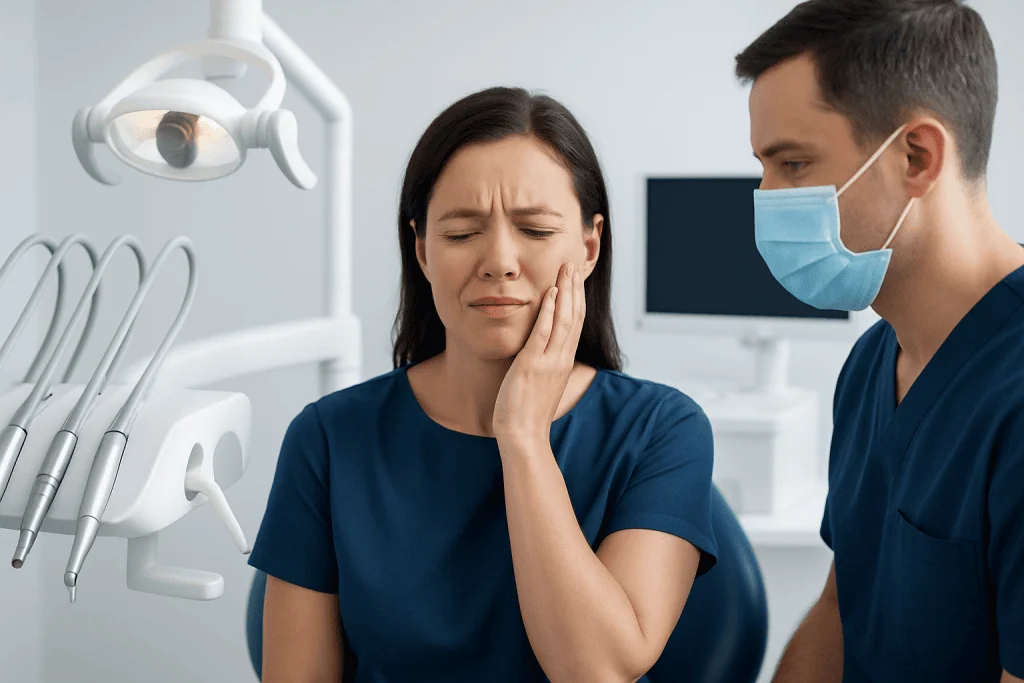
Dental pain does not always come from a single tooth, and the pattern of pain may offer clues. A brief, sharp twinge when drinking something cold may suggest sensitivity or enamel wear. Pain that lingers after eating sweets or after hot or cold foods may point to tooth decay or irritation of the tooth’s inner nerve tissue.
Throbbing pain, swelling, a bad taste in the mouth, or pain when biting down can be associated with infection or a cracked tooth. Gum soreness may feel more diffuse, especially when brushing or flossing. Jaw discomfort on waking may suggest clenching or grinding during sleep.
Symptoms that often occur with dental pain include:
- Sensitivity to hot, cold, or sweet foods and drinks
- Pain when chewing or biting
- Bleeding or swollen gums
- Bad breath or an unpleasant taste
- Jaw stiffness or facial tenderness
- Swelling around a tooth, gum, or cheek
Sometimes pain that seems dental is actually referred pain from another area. Sinus pressure, jaw joint problems, and certain nerve-related conditions can mimic toothache. That is one reason a careful examination is important when pain is persistent or difficult to localize.
Common causes and related conditions

The most common cause of tooth pain is dental decay. A cavity may begin with mild sensitivity and progress to deeper pain if the decay reaches the inner layers of the tooth. Gum disease is another frequent cause, especially when gums are inflamed, receding, or infected. Both problems can worsen gradually and may not improve on their own.
Other common causes include a cracked or fractured tooth, a loose filling or crown, an exposed tooth root, a dental abscess, impacted wisdom teeth, and nighttime grinding. After recent dental work, short-term soreness may also occur, although worsening pain should still be checked. Persistent dry mouth can raise the risk of cavities and irritation because saliva normally helps protect the teeth and gums.
Some people have dental pain linked to related conditions rather than a tooth problem alone. Sinus inflammation can create pressure in the upper back teeth, and jaw joint disorders may cause facial pain that feels dental. In some cases, severe gum infection may develop alongside periodontal disease, while an untreated tooth infection can progress into a dental abscess.
Less commonly, widespread facial pain may be linked to nerve irritation or other medical causes. If the pain pattern is unusual, affects multiple areas, or occurs without a clear dental trigger, a dentist or doctor may consider other explanations alongside the oral examination.
Short-term pain relief at home
Home care can provide short-term comfort while waiting for a dental appointment, but it should be used as a bridge rather than a substitute for care. Rinsing gently with warm salt water may soothe irritated tissues and help keep the mouth clean. A cold compress held against the outside of the cheek can reduce swelling and numb pain for short periods.
It is often helpful to avoid foods and drinks that trigger pain, especially very hot, very cold, sticky, or sugary items. Eating on the opposite side of the mouth may reduce pressure on a painful tooth. Keeping the area clean with gentle brushing and flossing is important, because trapped food can worsen symptoms.
General steps that may help include:
- Use a cold compress on the cheek for brief intervals
- Rinse with warm salt water if the mouth feels sore
- Avoid chewing on the painful side
- Choose soft foods until the tooth is evaluated
- Use over-the-counter pain medicine only as directed on the packaging or by a clinician
- Sleep with the head slightly elevated if throbbing worsens when lying flat
People should avoid placing aspirin directly on the gum or tooth, because this can irritate or burn the tissue. Applying very hot substances is also not recommended. If there is major swelling, fever, pus, or difficulty swallowing, home care alone is not enough and prompt medical or dental attention is needed.
How dentists diagnose the cause
Diagnosis begins with a description of the pain: when it started, whether it is constant or triggered, what makes it better or worse, and whether there is swelling, fever, or recent dental treatment. A dentist will usually examine the teeth, gums, bite, and jaw, checking for visible decay, tenderness, cracks, gum pockets, or signs of infection.
Dental X-rays are often used to look beneath the surface. They can help identify cavities between teeth, bone loss, deep infections, impacted teeth, and changes around the roots. In some cases, the dentist may test how the tooth responds to pressure, temperature, or gentle tapping.
If symptoms suggest a more complex issue, further evaluation may be needed. For example, pain from an inflamed or infected tooth nerve may lead to assessment for root canal treatment, while severe gum problems may require a more detailed periodontal examination. If an upper toothache seems related to sinus pressure or facial pain, the clinician may advise medical assessment in addition to dental care.
Treatment options for lasting relief
The right treatment depends on the cause of the pain. A cavity may need a filling, while a loose filling or broken restoration may need repair or replacement. If the tooth’s inner pulp is inflamed or infected, treatment may involve root canal treatment to remove diseased tissue and preserve the tooth.
When pain comes from advanced gum disease, treatment may focus on cleaning below the gumline, improving home care, and sometimes further periodontal procedures. If a tooth is too damaged to save, tooth extraction may be recommended. Wisdom teeth that are impacted, repeatedly inflamed, or crowding nearby teeth may also need removal.
Cracked teeth may be treated with bonding, a crown, or other restorative care, depending on the extent of damage. People who grind their teeth may benefit from evaluation of the bite and use of a night guard. In cases where a missing or non-restorable tooth affects chewing or comfort after treatment, options such as dental implant rehabilitation may be discussed when appropriate.
If infection is present, the dentist may drain the area, treat the tooth or gums, and determine whether medicine is needed as part of care. Lasting relief usually comes from treating the source rather than only masking pain. This is why ongoing or recurrent symptoms should not be ignored, even if they improve temporarily.
Prevention and self-care to reduce future pain
Many dental pain problems are preventable. Brushing twice daily with fluoride toothpaste, cleaning between the teeth every day, and attending regular dental checkups help identify early decay or gum disease before pain develops. Routine care is especially useful because many oral problems begin silently.
Food and lifestyle habits matter too. Limiting frequent sugary snacks and drinks can reduce the risk of cavities, and drinking water throughout the day may support saliva’s protective role. People who notice dry mouth should mention it to a dentist or doctor, because it can increase the chance of decay and irritation.
Protecting the teeth from injury is also important. A mouthguard may help during contact sports, and those who grind or clench may need assessment for a custom night guard. Repeated chewing on hard items such as ice can increase the risk of cracks and should be avoided.
Near the end of the care pathway, some patients may benefit from multidisciplinary support, especially if pain is linked to infection, complex restorations, or surgical needs. Acibadem International’s multidisciplinary specialists and JCI-accredited hospitals diagnose and treat dental and oral conditions for international patients.
When to seek medical care
A dentist should assess dental pain that lasts more than a day or two, keeps returning, interferes with sleep, or makes chewing difficult. Prompt evaluation is also sensible when there is visible damage to a tooth, swelling of the gums, or pain after an injury. Early treatment may prevent a small problem from becoming more complicated.
Urgent care is important if there is facial swelling, fever, pus, a bad taste suggesting drainage, trouble opening the mouth, difficulty swallowing, or difficulty breathing. These can be signs that an infection is spreading and may need immediate treatment. Children, older adults, and people with weakened immune systems should seek advice promptly if dental pain is accompanied by swelling or general illness.
If the pain seems severe but no obvious tooth problem is visible, a dentist or doctor can help determine whether the source is dental, sinus-related, jaw-related, or due to another condition. Seeking assessment is particularly important when pain is sudden, intense, or associated with trauma.
Frequently asked questions
What is the best pain relief for dental pain at home?
Short-term relief may come from a cold compress, warm salt-water rinses, avoiding trigger foods, and using over-the-counter pain medicine exactly as directed. These steps can ease symptoms, but they do not treat the underlying cause, so ongoing pain still needs a dental evaluation.
Why does my tooth hurt more at night?
Dental pain can feel worse at night because lying down may increase pressure and make throbbing more noticeable. Nighttime quiet also makes pain easier to notice, and people who clench or grind their teeth during sleep may wake with increased discomfort.
Can a sinus infection feel like tooth pain?
Yes. Sinus pressure can cause aching in the upper back teeth because the roots of those teeth are close to the sinus cavities. If tooth pain comes with nasal congestion, facial pressure, or a recent cold, a clinician may consider sinus-related causes as well as dental ones.
When is tooth pain considered an emergency?
Tooth pain needs urgent attention if it comes with facial swelling, fever, pus, trouble swallowing, trouble breathing, or severe pain after trauma. These signs may suggest a spreading infection or significant injury and should not wait for a routine visit.
Will a toothache go away on its own?
Some mild irritation may settle temporarily, but a true toothache often returns if the cause is not treated. Cavities, infections, cracks, and gum disease usually need professional care for lasting relief.
Should I brush and floss if my tooth hurts?
Yes, gentle cleaning is usually helpful because food and plaque can make pain and gum irritation worse. If one area is very tender, careful brushing and flossing around it is still better than avoiding cleaning altogether, unless a dentist has given different instructions after a procedure.
References
- American Dental Association
- National Institute of Dental and Craniofacial Research
- Mayo Clinic
- Cleveland Clinic
- World Health Organization
This article is for general information only and is not a substitute for professional medical advice. Please consult a qualified doctor about your individual situation.
Explore treatments in Turkey — costs, top hospitals & a free quote
JCI-accredited · board-certified surgeons · reply within 24h
Add us as a Preferred Source to see more of our trusted health content across Google Search, AI Overviews and Discover.

More from the Health Library



Related Specialists

Prof. Dr. Emine Nur Tozan
Treatment of Pain Algology
Dr. Hayati Yavuz
Internal Medicine
Assoc. Prof. Dr. Gürbüz Görümlü
Medical Oncology
Dr. Ayşe İrem İskenderoğlu
Aesthetic Plastic & Reconstructive Surgery