Paranoia: What Patients Need to Know

Paranoia involves ongoing suspicious thoughts that may not match the available evidence. It can be mild and temporary or severe enough to interfere with work, relationships, and safety.
Key Takeaways
- Paranoia involves ongoing suspicious thoughts that may not match the available evidence.
- It can be mild and temporary or severe enough to interfere with work, relationships, and safety.
- Possible causes include mental health conditions, substance use, sleep deprivation, neurological illness, and certain medications.
- Assessment focuses on symptoms, medical history, substance use, sleep, and physical and mental health.
- Treatment depends on the cause and may include psychotherapy, medication, and support for sleep, stress, and substance use.
- Urgent medical help is needed if paranoia is linked to self-harm, violence risk, confusion, or loss of touch with reality.
Paranoia is a pattern of persistent suspicion or mistrust that may make a person believe others intend harm, even when there is little or no clear evidence. It can appear on its own, alongside stress, sleep loss, substance use, or as part of a mental health or medical condition, so proper evaluation is important.
Overview
Paranoia describes persistent suspicious thoughts or beliefs that other people may be trying to harm, deceive, watch, or judge someone. Many people experience occasional mistrust under stress, but paranoia usually refers to suspicion that is stronger, more frequent, and harder to set aside even when reassuring information is available.
The experience can vary widely. Some people feel constantly on guard and misinterpret everyday events as threatening. Others develop firm beliefs that they are being followed, monitored, poisoned, or targeted. The more fixed and distressing these beliefs become, the more likely they are to affect daily life, sleep, work, and relationships.
Paranoia itself is not a single diagnosis. It is a symptom or cluster of symptoms that can occur with several mental health conditions, certain brain disorders, substance use, severe anxiety, trauma-related illness, or medical problems that affect thinking. Because the causes differ, a careful professional assessment is the safest way to understand what is happening.
How paranoia may feel and look
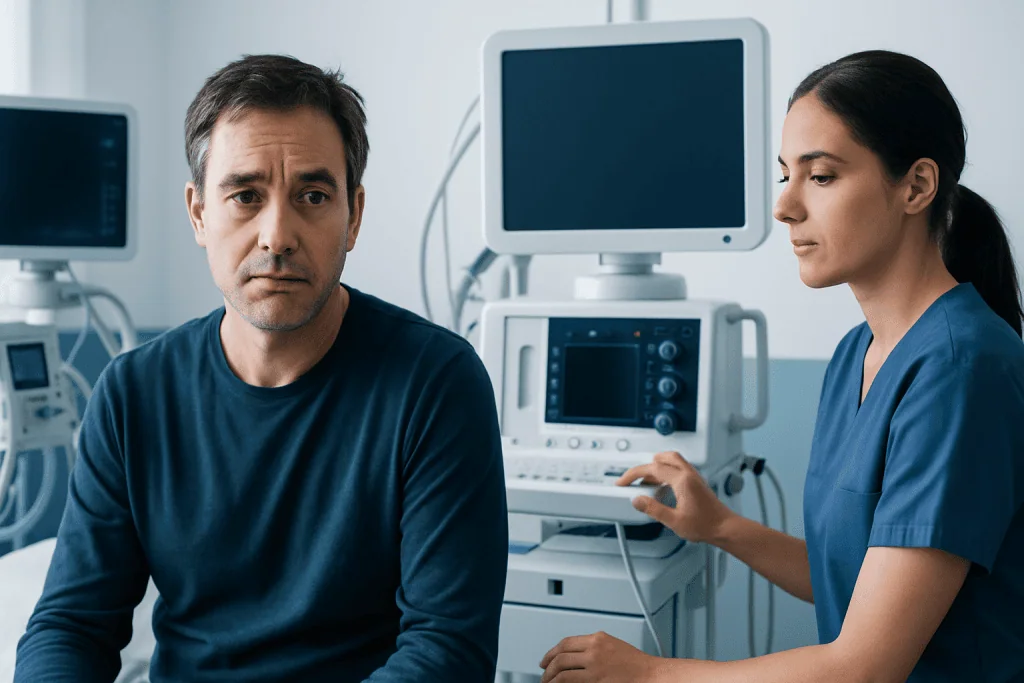
People with paranoia may seem unusually alert to danger, guarded in conversations, or reluctant to share information. They may question others’ motives, look for hidden meanings in ordinary comments, or avoid places and people they believe are unsafe. In some cases, the distress comes not only from the beliefs themselves but from the constant effort to stay protected.
Common features can include:
- Persistent mistrust of other people
- Feeling watched, judged, followed, or talked about
- Believing others have harmful intentions without clear evidence
- Difficulty accepting reassurance
- Social withdrawal or isolation
- Irritability, fear, tension, or poor sleep
- Checking behaviors, repeated questioning, or avoidance
Paranoia exists on a spectrum. Mild suspicion may appear during periods of stress or exhaustion and fade when the trigger resolves. More severe paranoia may become fixed and interfere with reality testing, especially when it occurs with hallucinations, major confusion, or a psychotic disorder such as schizophrenia.
Causes and risk factors
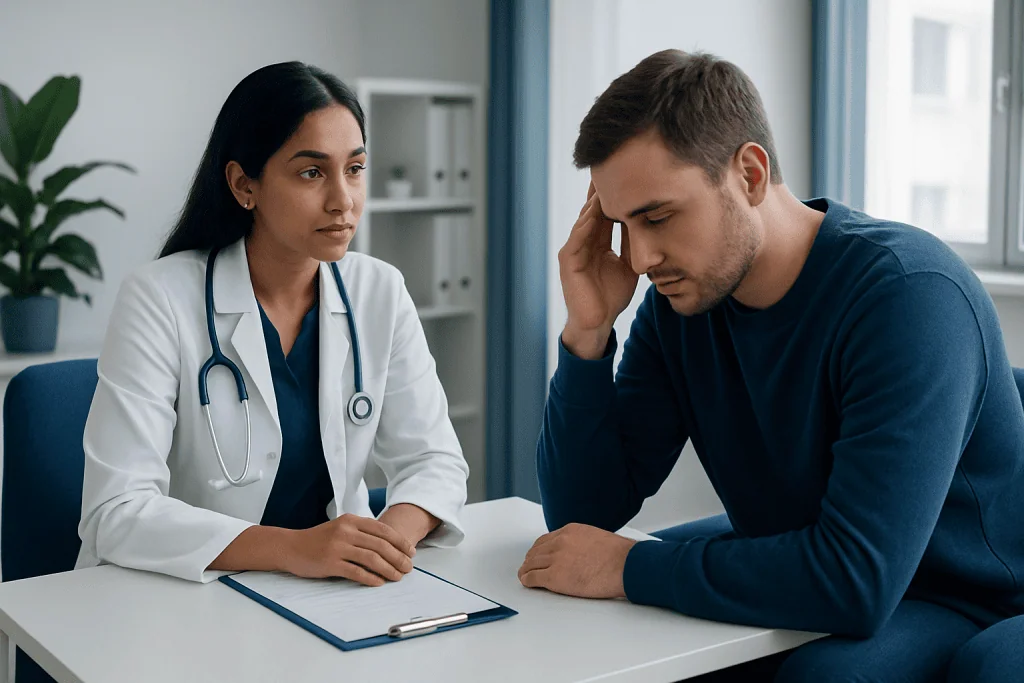
There is no single cause of paranoia. It can develop from a mix of biological, psychological, and environmental factors. Mental health conditions linked with paranoia include psychotic disorders, severe depression, bipolar disorder during mood episodes, trauma-related disorders, and some anxiety conditions. Long-term social stress, past trauma, and feeling unsafe can also shape how a person interprets other people’s actions.
Substance use is another important cause. Alcohol withdrawal, cannabis, stimulants such as amphetamines or cocaine, and some other drugs can trigger paranoid thinking. Even when substance use is not the main cause, it can make existing symptoms worse. Very poor sleep or prolonged sleep deprivation may also increase suspicious thoughts, emotional reactivity, and confusion.
Medical and neurological conditions can contribute as well. These may include delirium, dementia, infections affecting the brain, seizure disorders, autoimmune disease, endocrine problems, vitamin deficiencies, and side effects of medications. In older adults especially, new paranoia should not automatically be assumed to be a primary psychiatric illness, because physical illness can play a major role.
Risk tends to be higher when there is a personal or family history of severe mental illness, ongoing trauma, heavy substance use, major sleep disruption, social isolation, or untreated medical disease. These factors do not mean a person will develop paranoia, but they can increase vulnerability.
How doctors assess paranoia
Diagnosis begins with understanding the symptoms in context rather than applying a label too quickly. A doctor or mental health professional will usually ask when the suspicious thoughts started, how fixed they feel, whether there are hallucinations or confusion, what substances are being used, and how sleep, stress, trauma, and medical history may be contributing.
A full assessment may include a physical examination, medication review, mental status examination, and sometimes blood tests or brain imaging if a medical or neurological cause is possible. The goal is to distinguish among temporary stress-related suspicion, substance-induced symptoms, mood disorders, trauma-related conditions, psychotic disorders, and medical causes of altered thinking.
This careful approach matters because treatment depends on the reason behind the paranoia. For example, symptoms from sleep deprivation, intoxication, or a physical illness are managed differently from symptoms related to a primary psychiatric condition. Some patients may also benefit from evaluation by specialists in psychiatry or, when there are concerns about brain health, neurology.
Treatment options
Treatment for paranoia is based on the underlying cause, the level of distress, and any risk to safety. For many people, the first steps include building trust with a clinician, reducing immediate stressors, improving sleep, and addressing substance use. Education for both the patient and family can be helpful because direct confrontation about suspicious beliefs may increase distress rather than relieve it.
Psychological treatment often plays a central role. Depending on the diagnosis, therapy may focus on stress management, coping skills, reality testing, trauma treatment, emotional regulation, and ways to reduce avoidance and social withdrawal. Structured treatment can help the person examine interpretations of events without feeling dismissed.
Medication may be recommended when paranoia is severe, persistent, or part of a psychotic, mood, or major anxiety condition. Doctors may also treat related symptoms such as agitation, insomnia, or depression while investigating the broader cause. If a medical disorder is responsible, treating that condition is essential. In some cases, hospital care is the safest short-term option if symptoms are intense or the person cannot care for themselves.
Because paranoia can overlap with other psychiatric symptoms, some patients are evaluated for related conditions such as psychosis so that treatment is targeted appropriately. Ongoing follow-up is important, since symptoms may change over time and medications or therapy plans sometimes need adjustment.
Self-care and support strategies
Self-care does not replace medical treatment, but it can support recovery. Regular sleep, predictable routines, balanced meals, and avoiding alcohol and recreational drugs may reduce triggers that intensify suspicious thinking. Many people also benefit from limiting overstimulation, such as nonstop distressing news or social situations that feel overwhelming.
Support from trusted family members or friends can help, especially when it focuses on calm listening rather than arguing. It is usually more helpful to respond to the person’s fear and distress than to try to prove a belief wrong in the moment. Gentle encouragement to attend appointments, take prescribed treatment, and maintain daily routines can make a meaningful difference.
Practical coping approaches may include:
- Keeping a regular sleep schedule
- Reducing or avoiding alcohol and non-prescribed drugs
- Using relaxation techniques such as breathing exercises
- Writing down triggers and patterns in symptoms
- Staying connected with one or two trusted people
- Following medical advice for any physical health conditions
For patients seeking coordinated care, Acibadem International’s multidisciplinary specialists and JCI-accredited hospitals provide evaluation and treatment for international patients, including access to services such as psychology when this fits the care plan.
When to seek medical care
Medical care is appropriate any time paranoia is persistent, worsening, or disrupting everyday life. An appointment should be arranged if suspicious thoughts are affecting sleep, work, school, relationships, or the ability to leave home comfortably. Assessment is also important when symptoms begin after starting a new medication, increasing substance use, or experiencing a major change in physical health.
Urgent help is needed if paranoia comes with confusion, disorientation, hearing or seeing things others do not, severe agitation, inability to care for basic needs, or thoughts of self-harm or harming others. Emergency evaluation is especially important when the person feels compelled to act on a belief that someone is trying to hurt them.
Family members often notice changes before the affected person does. If a loved one becomes markedly withdrawn, frightened, accusatory, or convinced of threats that seem out of proportion to the situation, encouraging professional help in a calm and nonjudgmental way can be a helpful first step.
Frequently asked questions
Is paranoia always a sign of mental illness?
No. Paranoia can occur with mental health conditions, but it may also appear during severe stress, sleep deprivation, substance use, medication side effects, or medical illness. That is why proper evaluation is important before assuming a cause.
What is the difference between paranoia and normal caution?
Normal caution is flexible and based on realistic risk. Paranoia is more persistent, more distressing, and often continues despite limited evidence or repeated reassurance. It can start to affect daily activities and relationships.
Can lack of sleep cause paranoia?
Yes, poor sleep and sleep deprivation can worsen suspicious thinking and make emotions harder to regulate. In some people, restoring sleep improves symptoms significantly. However, persistent paranoia still needs medical assessment.
How is paranoia treated?
Treatment depends on the cause. It may include psychotherapy, medication, treatment of substance use, management of a medical condition, and support for sleep and stress reduction. A tailored plan is usually more effective than a one-size-fits-all approach.
Should family members argue with a person who feels paranoid?
Usually not. Directly challenging a strongly held suspicious belief can increase fear or mistrust. It is often better to respond calmly to the person's distress, focus on safety, and encourage professional evaluation.
When is paranoia an emergency?
Paranoia needs urgent evaluation when it is accompanied by confusion, hallucinations, severe agitation, inability to care for oneself, or risk of self-harm or violence. Emergency help is also important if the person feels they must act immediately to protect themselves from a perceived threat.
References
- World Health Organization
- National Institute of Mental Health
- American Psychiatric Association
- National Health Service
- MedlinePlus
This article is for general information only and is not a substitute for professional medical advice. Please consult a qualified doctor about your individual situation.
Explore treatments in Turkey — costs, top hospitals & a free quote
JCI-accredited · board-certified surgeons · reply within 24h
Add us as a Preferred Source to see more of our trusted health content across Google Search, AI Overviews and Discover.