Parasite Cleanse: A Complete Medical Overview

A parasite cleanse is not a standard medical treatment for suspected parasites. Parasite symptoms can overlap with many common digestive and skin conditions.
Key Takeaways
- A parasite cleanse is not a standard medical treatment for suspected parasites.
- Parasite symptoms can overlap with many common digestive and skin conditions.
- Diagnosis may involve stool tests, blood tests, or imaging depending on the suspected parasite.
- Effective treatment depends on the specific parasite and a doctor’s evaluation.
- Good food, water, hand, and travel hygiene can lower the risk of many parasitic infections.
A parasite cleanse usually refers to diets, supplements, teas, or over-the-counter products claimed to remove parasites from the body. In medical practice, parasites are treated by confirming the infection first and then using targeted medicines when needed, rather than using generalized “cleanses.”
Overview: What a Parasite Cleanse Means
A parasite cleanse is a non-medical term commonly used for herbs, supplements, restrictive diets, teas, juices, or over-the-counter products promoted as a way to eliminate parasites. While the idea is popular online, a cleanse itself is not considered a proven, routine medical approach. If a person truly has a parasitic infection, the usual medical pathway is to identify the parasite and choose a treatment that is known to work against it.
Parasites are organisms that live on or inside a host. Some affect the intestines, while others may involve the blood, skin, liver, lungs, or other organs. Not every digestive symptom, rash, or feeling of fatigue means a parasite is present, and many symptoms linked to “parasite cleansing” online are non-specific and can also occur with food intolerance, viral illness, stress, irritable bowel syndrome, or [[DISEASE:gastroenterology/colitis|colitis]].
This distinction matters because the safest treatment depends on the cause. A person with a confirmed parasite may benefit from prescription antiparasitic medicine, hydration, and follow-up testing. By contrast, self-treating with multiple supplements can delay proper diagnosis, interact with medicines, or cause side effects such as diarrhea, dehydration, or liver irritation.
Possible Symptoms of a Parasitic Infection
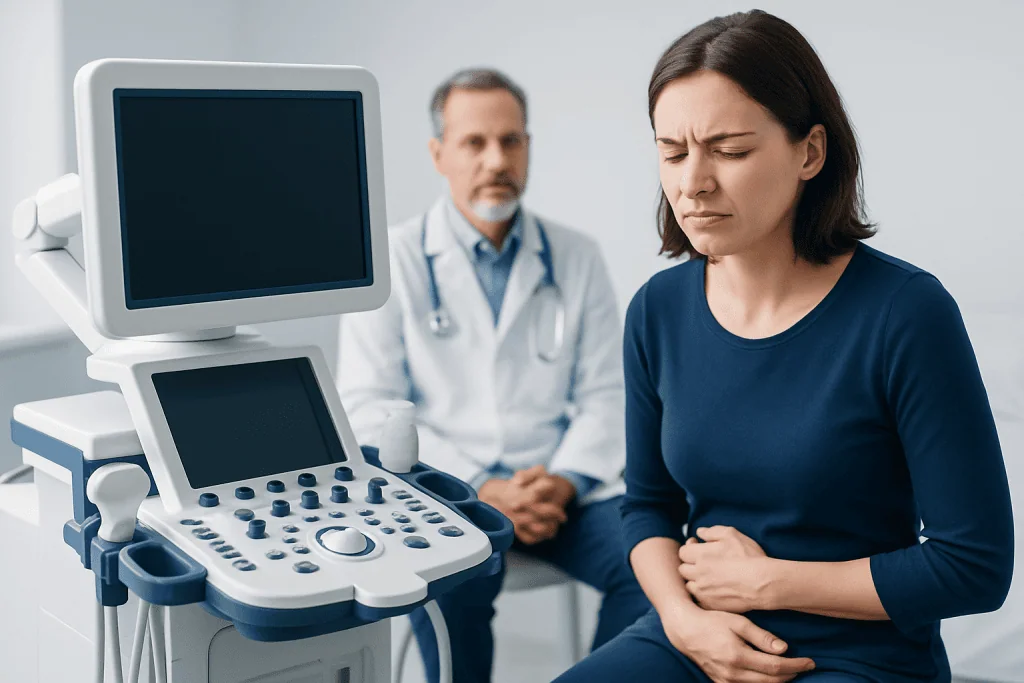
Symptoms vary widely depending on the type of parasite, where it lives in the body, and a person’s age, immune status, and overall health. Some people have no symptoms at all and only learn about an infection after a test. Others develop mild digestive symptoms that improve with treatment, while a smaller number may have more significant illness.
Common symptoms of intestinal parasites can include diarrhea, abdominal cramping, bloating, nausea, excess gas, appetite changes, weight loss, and fatigue. Some parasites may also cause itching around the anus, especially at night, or visible worms in stool. However, these signs are not specific, and they can overlap with infections, inflammatory bowel conditions, or [[DISEASE:gastroenterology/gastritis|gastritis]].
Depending on the parasite, symptoms outside the digestive tract may occur. These can include fever, skin rashes, cough, muscle aches, anemia, or problems related to the liver or nervous system. Anyone with persistent symptoms, blood in the stool, severe dehydration, or unexplained weight loss should be assessed by a qualified doctor rather than relying on a cleanse alone.
- Digestive symptoms: diarrhea, cramps, nausea, bloating
- General symptoms: tiredness, appetite change, weight loss
- Skin-related symptoms: itching, rash
- Other clues: recent travel, unsafe water exposure, undercooked food, sick contacts
How People Get Parasites and Who May Be at Risk

Parasitic infections can spread through contaminated food or water, poor hand hygiene, undercooked meat or fish, soil exposure, insect bites, or close contact in households and childcare settings. Risk depends on the parasite. For example, some are more common after travel to certain regions, while others can be acquired locally through foodborne or waterborne exposure.
People may have a higher risk if they drink untreated water, eat raw or undercooked foods, swim in contaminated water, work with soil, or have close contact with infected individuals. Children, older adults, people with weakened immune systems, and those living or traveling in areas with limited sanitation may be more vulnerable to complications.
It is also important to recognize that many products marketed as “parasite cleanses” target broad wellness concerns rather than real exposure risks. Having fatigue, sugar cravings, skin changes, or irregular bowel habits does not by itself prove a parasite. A doctor usually considers recent travel, diet, animal exposure, medications, and medical history before deciding whether testing is appropriate.
Why a Cleanse Is Different From Medical Treatment
Medical treatment for parasites is specific. Different parasites respond to different medicines, and some do not need treatment at all if they are not causing disease in a particular context. A generalized cleanse does not identify the organism, determine whether an infection is active, or show whether the product chosen is effective for that parasite.
Many cleanses combine herbs, laxatives, probiotics, fasting plans, or restrictive diets. Some people may feel temporary changes in digestion because these products alter bowel movements, fluid balance, or food intake. That does not necessarily mean parasites were present or removed. Seeing material in the stool after a cleanse can also be misleading, because undigested fiber, mucus, or supplement residue may be mistaken for worms.
There are also safety considerations. Some herbal ingredients can irritate the stomach, affect the liver, interact with blood thinners or other prescriptions, or be unsafe in pregnancy. If symptoms suggest a real infection, a doctor may recommend evaluation and, when needed, evidence-based options such as [[TREATMENT:gastroenterology/endoscopy|endoscopy]] in selected cases or prescription antiparasitic medicines rather than a non-specific cleanse.
How Doctors Diagnose Suspected Parasites
Diagnosis begins with a history and physical examination. A doctor may ask about travel, camping, untreated water, raw foods, pets, contact with infected people, bowel changes, fever, weight loss, and any immune system problems. This step helps narrow down whether a parasite is likely and which tests are most useful.
Testing often includes stool studies, especially when intestinal parasites are suspected. Depending on the situation, a doctor may request multiple stool samples because some parasites are not found in every sample. Blood tests may help in certain infections, particularly when the parasite affects tissues rather than staying only in the intestine.
In more complex cases, imaging or specialist procedures may be needed. For example, abdominal ultrasound or [[TREATMENT:radiology/mri|MRI]] may be used if there is concern about organs outside the intestine, and specialist assessment can help if symptoms are ongoing or unusual. The goal is not just to confirm a parasite, but also to rule out other explanations such as inflammatory bowel disease, malabsorption, or infections caused by bacteria or viruses.
Treatment Options That Are Evidence-Based
Treatment depends on the exact parasite, the severity of symptoms, and whether the infection is in the intestines or elsewhere in the body. Doctors may prescribe antiparasitic medicines, and in some situations antibiotics or other supportive treatments are also used. Hydration, electrolyte replacement, and nutrition support may be important if diarrhea or reduced food intake has been significant.
For intestinal infections, treatment is often straightforward once the organism is identified. In other cases, follow-up testing is needed to make sure the infection has cleared. Household members may sometimes need advice or treatment as well, depending on the parasite and the risk of spread.
Self-treatment is not always harmless, especially if symptoms are severe or the person is very young, older, pregnant, or immunocompromised. If specialist input is needed, doctors may involve infectious disease, gastroenterology, pediatrics, or internal medicine teams. Near the end of the care pathway, some international patients may also seek assessment at Acibadem International, where multidisciplinary specialists in JCI-accredited hospitals diagnose and treat parasitic and digestive conditions using individualized plans.
Prevention and Self-care
Most prevention steps focus on reducing exposure. Careful handwashing with soap and water is one of the most effective habits, especially after using the toilet, changing diapers, gardening, handling animals, and before eating or preparing food. Drinking safe water and washing fruits and vegetables can also lower risk.
Food safety matters as well. Meat, fish, and shellfish should be cooked appropriately, and raw or unpasteurized foods should be chosen with caution, particularly during travel. People who camp, hike, or visit areas where water safety is uncertain should avoid untreated water unless it has been properly filtered, boiled, or otherwise made safe.
General self-care during recovery includes staying hydrated, eating gentle foods as tolerated, and following the treatment plan given by a doctor. It is wise to avoid repeated “cleanses” or combining multiple supplements without medical guidance. If symptoms keep returning, further evaluation may be needed to look for reinfection, incomplete treatment, or another digestive condition such as [[TREATMENT:gastroenterology/colonoscopy|colonoscopy]]-evaluated bowel disease when clinically appropriate.
- Wash hands thoroughly and often
- Drink safe, treated water
- Cook meat and seafood properly
- Wash produce carefully
- Seek medical advice after high-risk travel if symptoms develop
When to Seek Medical Care
A person should seek medical care if symptoms are severe, persistent, or unusual. Examples include ongoing diarrhea, signs of dehydration, blood in the stool, fever, significant abdominal pain, vomiting, faintness, unexplained weight loss, or symptoms after travel to a high-risk area. Young children, pregnant people, older adults, and those with weakened immune systems should be especially cautious.
Medical review is also important if symptoms do not improve after a self-directed cleanse or if supplements cause side effects. A doctor can help determine whether the problem is a parasite, another infection, a digestive disorder, or a non-digestive condition that needs different treatment. Early evaluation often shortens the path to the right diagnosis and avoids unnecessary products.
Frequently asked questions
Do parasite cleanses work?
A parasite cleanse is not a standard, evidence-based medical treatment. If a true parasitic infection is present, doctors usually confirm the cause and prescribe targeted treatment rather than relying on a general cleanse.
How can someone know if they have parasites?
Symptoms alone are often not enough because many parasitic infections look like other digestive problems. Doctors may use stool tests, blood tests, and sometimes imaging or specialist evaluation depending on the suspected parasite.
Can a person have parasites without obvious symptoms?
Yes. Some people have mild symptoms or none at all, and an infection may only be found during testing. Whether treatment is needed depends on the type of parasite and the person’s overall health.
Are herbal parasite cleanses safe?
Not always. Some herbal or supplement products can cause side effects, interact with medicines, or be unsafe during pregnancy or with liver disease. It is safer to ask a qualified doctor or pharmacist before using them.
What is the usual medical treatment for parasites?
Treatment depends on the specific organism. Doctors may prescribe antiparasitic medicines and recommend hydration, nutrition support, and follow-up testing if needed.
When should someone see a doctor instead of trying a cleanse?
A doctor should be seen for persistent diarrhea, blood in the stool, severe stomach pain, fever, weight loss, dehydration, or symptoms after travel or unsafe water exposure. Medical care is especially important for children, older adults, pregnant people, and those with weakened immune systems.
References
- World Health Organization
- Centers for Disease Control and Prevention
- National Institute of Diabetes and Digestive and Kidney Diseases
- MedlinePlus
- Mayo Clinic
This article is for general information only and is not a substitute for professional medical advice. Please consult a qualified doctor about your individual situation.
Explore treatments in Turkey — costs, top hospitals & a free quote
JCI-accredited · board-certified surgeons · reply within 24h
Add us as a Preferred Source to see more of our trusted health content across Google Search, AI Overviews and Discover.