Parasomnia Treatment: How It Works, Results and What to Expect

Parasomnias are unwanted behaviors, movements or experiences that occur while falling asleep, during sleep or when waking. Treatment usually begins with improving sleep regularity, reducing triggers and making the sleep environment safer.
Key Takeaways
- Parasomnias are unwanted behaviors, movements or experiences that occur while falling asleep, during sleep or when waking.
- Treatment usually begins with improving sleep regularity, reducing triggers and making the sleep environment safer.
- A sleep specialist may recommend a sleep study when episodes are frequent, injurious, unusual or possibly linked to another sleep disorder.
- Medicines are not needed for every parasomnia but may be considered for persistent, severe or high-risk symptoms.
- Prompt medical review is important when episodes involve injury, violence, breathing pauses, new symptoms in adulthood or possible seizures.
Parasomnia treatment is tailored to the type of unusual sleep behavior, its frequency, safety risks and possible triggers. Many people improve with sleep-protective routines and treatment of contributing conditions, while recurrent or dangerous episodes may require specialist assessment.
Parasomnia Treatment: How It Works
Parasomnia treatment aims to reduce or prevent unwanted behaviors that happen during sleep, such as sleepwalking, sleep terrors, nightmares, talking during sleep, confusion on waking, sleep-related eating or acting out dreams. The best approach depends on the specific parasomnia, the person’s age, medical history, medicines, sleep pattern and whether the episodes create a risk of injury.
For many people, treatment begins with identifying triggers and protecting sleep. Sleep deprivation, stress, alcohol, fever, irregular schedules and some medicines can increase episodes. Clinicians also look for treatable sleep problems, especially obstructive sleep apnea, restless legs syndrome and disrupted sleep caused by pain or reflux.
Care is usually stepwise rather than a single procedure. It may include education, changes to sleep routines, safety planning, psychological therapy for nightmares or stress-related symptoms, and treatment of an underlying condition. If episodes are frequent, dangerous or unclear, an overnight sleep assessment may help guide care.
Types of Parasomnia and the Sleep Stages Involved
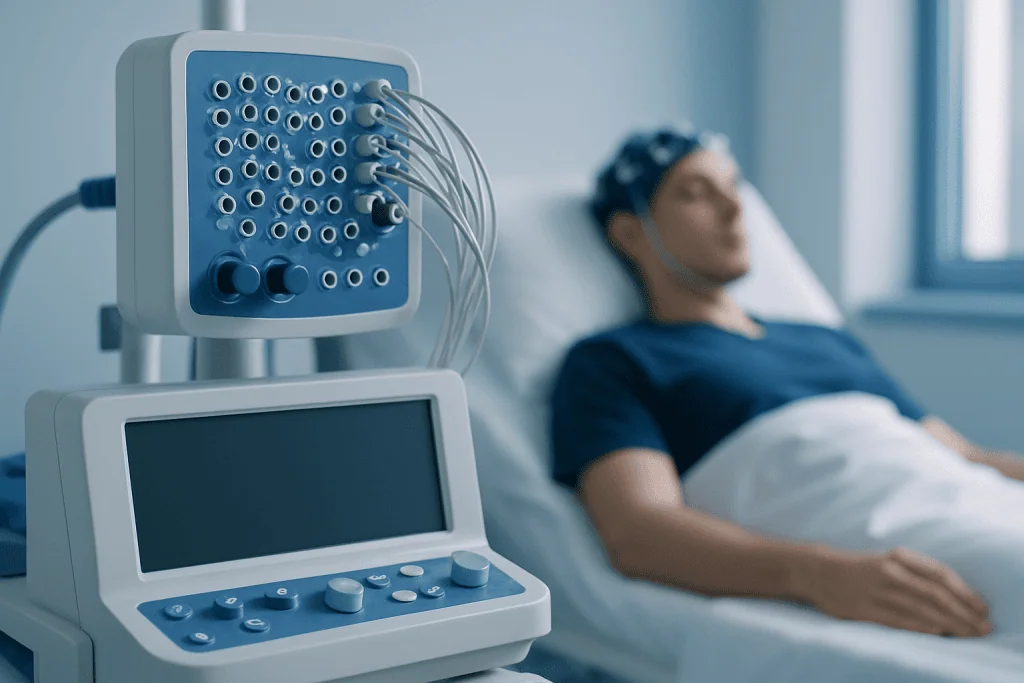
Parasomnias are broadly divided into non-rapid eye movement (NREM) and rapid eye movement (REM) parasomnias. This distinction matters because it helps clinicians understand when events occur and which treatments may be most appropriate.
NREM parasomnias include confusional arousals, sleepwalking and sleep terrors. They often arise from deep NREM sleep, usually in the first third of the night. During an episode, a person may appear awake but be confused, difficult to communicate with and have little or no memory of the event the next morning.
REM-related parasomnias include nightmares, recurrent isolated sleep paralysis and REM sleep behavior disorder. REM sleep is more common in the latter half of the night. In REM sleep behavior disorder, a person may vocalize or move in response to dreams because the normal muscle relaxation of REM sleep is reduced or absent. This pattern needs medical evaluation, particularly when it begins later in adulthood.
What stage do parasomnias occur? Parasomnias can occur in different stages depending on type: sleepwalking and sleep terrors generally arise from deep NREM sleep, while nightmares and REM sleep behavior disorder occur during REM sleep. A careful history, including the timing and description of events, can provide important clues.
Who May Benefit From Parasomnia Treatment?

Occasional, mild events may not require formal treatment, particularly in children who are otherwise well and safe. Assessment is more helpful when episodes recur, interfere with daytime functioning, disturb a partner or family, lead to anxiety around sleep, or involve leaving the bed or home.
Adults with new-onset sleepwalking, night terrors or dream-enactment behavior should discuss symptoms with a doctor. Adult-onset episodes can sometimes be associated with sleep deprivation, medicines, alcohol or another sleep disorder, and they may occasionally resemble nocturnal seizures or other neurological conditions.
A clinician will also consider whether a person has factors that increase risk, such as a history of falls, access to stairs or windows, use of sedative medicines, severe stress, shift work, pregnancy, neurological disease or untreated breathing problems during sleep. The goal is not to label every event as serious, but to identify situations where tailored care can improve safety and sleep quality.
Assessment and Step-by-Step Treatment Planning
The first step is a detailed sleep and health history. The clinician may ask when events happen, what observers notice, whether the person remembers a dream or the episode, how often it occurs, and whether there have been injuries. A sleep diary, home video recorded safely by a partner, and a list of medicines, supplements, alcohol or substance use can be useful.
The next step is to look for contributing factors. This may involve screening for sleep apnea, mood symptoms, trauma-related nightmares, restless legs, medical conditions and medication effects. Depending on the situation, blood tests, neurological review or an overnight polysomnography sleep study with video monitoring may be recommended.
Treatment then addresses the most likely triggers and risks. For example, managing obstructive sleep apnea may reduce repeated arousals that contribute to NREM parasomnias. Nightmare-focused psychological therapy may be considered when distressing dreams are persistent. Medication review is important because a prescriber may need to adjust a medicine that appears to worsen sleep behaviors.
There is no single operation or standard procedure for parasomnia. Instead, care is individualized and may involve sleep medicine, neurology, psychiatry or psychology, and primary care. The planned follow-up assesses whether episodes, injuries, sleep quality and daytime alertness have improved.
Treatment Options, Benefits and Possible Risks
Behavioral and environmental measures are often the foundation of parasomnia treatment. A consistent sleep-wake schedule, adequate sleep time, management of stress, avoidance of alcohol close to bedtime, and limiting sleep deprivation may reduce episodes. For children with predictable NREM events, a clinician may suggest scheduled awakenings shortly before the usual episode time.
Safety measures can provide immediate protection while treatment takes effect. These may include locking doors and windows securely, removing sharp or breakable objects, keeping the floor clear, using gates near stairs, avoiding top bunks, and ensuring a sleeping partner has a plan for calmly guiding rather than forcefully waking the person. The right measures depend on the behavior and home environment.
Psychological approaches can be useful for recurrent nightmares, anxiety, insomnia or stress that contributes to disrupted sleep. A specialist may recommend cognitive behavioral strategies or imagery rehearsal therapy for nightmares. Treatment for insomnia may also help restore a more stable sleep pattern.
Medicines may be considered when symptoms remain severe, frequent or unsafe despite addressing triggers, or when a specific parasomnia requires it. Potential benefits include fewer episodes and reduced injury risk. Potential risks vary by medicine but can include next-day drowsiness, balance problems, confusion, interactions and worsening of some sleep-related breathing problems; medication decisions should therefore be individualized and reviewed regularly.
Recovery Timeline and What to Expect
Recovery varies because parasomnias have different causes and patterns. When sleep deprivation, stress, alcohol or an untreated sleep disorder is a main trigger, improvement may begin after the trigger is addressed, although it can take time to establish stable sleep habits and monitor episodes.
Families may be asked to keep a sleep diary for several weeks. Recording bedtime, wake time, daytime naps, alcohol use, medicines, stressors and episode details can reveal patterns and show whether treatment is helping. If a medication is prescribed, follow-up is important to assess effectiveness and side effects rather than stopping or changing it without medical advice.
Some childhood NREM parasomnias lessen naturally as the child grows. Other parasomnias may be longer-lasting and need ongoing management. A treatment plan can be adjusted over time as the person’s symptoms, health conditions, medicines and safety needs change.
Acibadem International’s multidisciplinary specialists and JCI-accredited hospitals can assess sleep-related symptoms and coordinate appropriate care for international patients when specialist evaluation is needed.
Does Parasomnia Go Away on Its Own?
Some parasomnias do go away on their own. Sleepwalking, sleep terrors and confusional arousals are relatively common in childhood and often become less frequent with age, especially when children get adequate, regular sleep and do not have an underlying sleep disorder.
However, it is not possible to assume that every episode will resolve without assessment. Episodes that start in adulthood, become more frequent, cause injury, involve forceful movements or lead to significant daytime tiredness should be evaluated. Finding and treating a trigger can often make a meaningful difference.
For persistent symptoms, the focus is on reducing episodes and improving safety rather than expecting an immediate cure. Regular follow-up helps determine whether the plan is working and whether further testing is needed.
What Is the Best Treatment for Parasomnia?
There is no single best treatment for every parasomnia. The most effective treatment is the one matched to the parasomnia type, likely trigger and level of risk. For many people, consistent sleep, trigger reduction, safety measures and treatment of another sleep disorder are the most important first steps.
For recurrent nightmares, structured psychological treatments may be helpful. For sleepwalking or sleep terrors, improving sleep duration and managing factors that cause repeated arousals are often central. For REM sleep behavior disorder, protecting the sleep environment and specialist-directed treatment are particularly important because of the potential for injury.
Medication is usually not the first or only answer. It may be appropriate in selected cases after a clinician has considered the diagnosis, coexisting conditions, potential medicine interactions and individual safety needs.
Is Parasomnia Serious? When to Seek Medical Care
Is parasomnia serious? Many parasomnias are not dangerous in themselves and can be managed successfully. They become more concerning when there is a risk of injury, when episodes are frequent or disruptive, or when they may indicate another sleep, neurological or mental health condition.
Medical care should be sought promptly if an episode causes injury, involves leaving the home, driving, aggressive behavior, choking or breathing concerns. A doctor should also assess new sleep behaviors in adulthood, repeated dream enactment, episodes with unusual stiffening or jerking, loss of bladder control, prolonged confusion, or symptoms that could suggest seizures.
It is also appropriate to arrange a non-urgent appointment when sleep behaviors are affecting quality of life, relationships, school or work performance, or when a child’s episodes are frequent and difficult to manage safely. A qualified clinician can clarify the diagnosis and recommend practical next steps.
- Do not attempt to physically restrain someone during an episode unless immediate safety requires gentle guidance.
- Do not stop prescribed medicines suddenly; discuss possible medicine-related symptoms with the prescribing clinician.
- Seek emergency help if there is serious injury, immediate danger or difficulty breathing.
Frequently asked questions
Can parasomnia be treated without medication?
Yes. Many people improve with regular sleep habits, reducing triggers, treating another sleep disorder and using home safety measures. Psychological therapies may also help for nightmares, insomnia, stress or anxiety. Medication is generally considered when symptoms are persistent, severe or unsafe.
Should a person be woken during sleepwalking or a night terror?
It is usually better to guide the person gently away from danger rather than trying to fully wake them. They may be confused or frightened if abruptly awakened. Keeping the environment safe and calmly directing them back to bed is often the preferred approach.
How is parasomnia diagnosed?
Diagnosis starts with a detailed description of the events, their timing, sleep patterns, health history and medicines. A clinician may request a sleep diary, partner observations or video information. In selected cases, an overnight video sleep study helps distinguish parasomnia from seizures, sleep apnea and other sleep conditions.
Can stress cause parasomnia?
Stress can contribute to sleep disruption and may trigger or worsen some parasomnia episodes. Stress is not the only cause, and other factors such as sleep loss, alcohol, illness, medicines and sleep apnea can also be involved. Managing stress alongside healthy sleep routines may reduce episodes.
Can adults develop parasomnia?
Yes, adults can develop parasomnia or notice a return of symptoms that occurred in childhood. New behaviors in adulthood should be discussed with a doctor, especially dream enactment, injuries, frequent episodes or sudden changes after starting a medicine. Assessment can identify contributing factors and guide treatment.
How can a bedroom be made safer for someone with parasomnia?
Helpful steps may include removing trip hazards and sharp objects, securing windows and exterior doors, and using safety gates near stairs. Top bunk beds should generally be avoided for people who sleepwalk or have active sleep behaviors. The safest approach is individualized to the person’s movements and home layout.
References
- American Academy of Sleep Medicine
- National Institute of Neurological Disorders and Stroke
- Mayo Clinic
- Cleveland Clinic
- National Health Service
This article is for general information only and is not a substitute for professional medical advice. Please consult a qualified doctor about your individual situation.
Explore treatments in Turkey — costs, top hospitals & a free quote
JCI-accredited · board-certified surgeons · reply within 24h
Add us as a Preferred Source to see more of our trusted health content across Google Search, AI Overviews and Discover.