Parasomnias in Adults: Sleepwalking, Night Terrors, and When to Seek Evaluation

Parasomnias are abnormal behaviors, movements, emotions, or perceptions that occur during sleep or while falling asleep or waking up. In adults, parasomnias can be triggered by sleep deprivation, stress, alcohol, medications, fever, or other sleep disorders.
Key Takeaways
- Parasomnias are abnormal behaviors, movements, emotions, or perceptions that occur during sleep or while falling asleep or waking up.
- In adults, parasomnias can be triggered by sleep deprivation, stress, alcohol, medications, fever, or other sleep disorders.
- Sleepwalking and night terrors usually arise from non-REM sleep, while acting out dreams is more typical of REM sleep behavior disorder.
- Evaluation is important when episodes begin in adulthood, happen often, cause injury, or involve unusual movements or confusion.
- Treatment focuses on safety, trigger management, good sleep habits, and treating any underlying sleep or neurological condition.
Parasomnias in adults are unwanted behaviors or experiences that happen during sleep, such as sleepwalking, night terrors, sleep talking, or acting out dreams. Many episodes are harmless, but frequent, violent, or newly developed symptoms should be medically evaluated to look for triggers, sleep disorders, neurological conditions, or safety risks.
Overview of Parasomnias in Adults
Parasomnias are sleep-related events that involve unusual behaviors, movements, emotions, sensations, or perceptions. They happen during sleep, while falling asleep, or during awakening. In adults, common examples include sleepwalking, night terrors, sleep talking, confusional arousals, nightmare disorder, sleep paralysis, and REM sleep behavior disorder.
Doctors often group parasomnias by the stage of sleep in which they occur. Non-REM parasomnias, such as sleepwalking and night terrors, usually happen during deeper stages of sleep and are often linked to partial awakening from that sleep. REM-related parasomnias happen during dream sleep, when the brain is active but the body is normally still. If that normal muscle relaxation does not occur, a person may move, speak, or act out dreams.
Parasomnias can affect adults of any age. Some people have episodes only occasionally, while others experience them more often. Although many parasomnias are not dangerous on their own, they can disturb sleep, affect a bed partner, and increase the risk of falls, wandering, or injury. For that reason, symptoms that are recurrent, forceful, or new in adulthood deserve medical attention.
Common Symptoms and How They Appear
The symptoms of parasomnias depend on the type. During sleepwalking, a person may sit up in bed, walk around, stare blankly, move objects, or perform simple routine actions while still asleep. They may be difficult to awaken and may not remember the event the next morning. Night terrors often involve a sudden scream, intense fear, rapid breathing, sweating, and confusion, with little or no recall afterward.
Other parasomnias look different. Confusional arousals may cause disorientation, slow responses, or agitation when a person is partly awake. Nightmare disorder usually causes vivid, upsetting dreams that are remembered after waking. In REM sleep behavior disorder, a person may talk, shout, punch, kick, or leap from bed in response to a dream, sometimes injuring themselves or a partner.
It is not always easy to distinguish parasomnias from other causes of nighttime events. Seizures, panic attacks, severe obstructive sleep apnea, periodic limb movements, and some psychiatric conditions can mimic these symptoms. Keeping a clear description of what happens, when it occurs, and how long it lasts can help a sleep specialist decide what type of event is most likely.
- Walking, sitting up, or wandering while asleep
- Screaming, fear, sweating, or agitation during the night
- Talking, shouting, or making repetitive movements in sleep
- Acting out dreams with kicking, punching, or falling from bed
- Confusion on waking, with little memory of the episode
Causes and Risk Factors

Parasomnias do not always have a single cause. In many adults, they are linked to factors that disrupt normal sleep patterns or increase partial awakenings from sleep. Common triggers include sleep deprivation, irregular sleep schedules, stress, anxiety, jet lag, fever, alcohol, and some medications. Episodes may become more likely when a person is exhausted or sleeping in an unfamiliar environment.
Underlying sleep disorders can also play a role. Obstructive sleep apnea, restless legs syndrome, and insomnia may fragment sleep and make parasomnias more likely. Treating these conditions can reduce nighttime events in some people. For example, repeated breathing interruptions in sleep apnea may increase arousals that trigger abnormal behaviors in vulnerable individuals.
Age, personal history, and family history matter as well. Sleepwalking and related non-REM parasomnias often begin in childhood but may continue into adult life. When symptoms start for the first time in later adulthood, doctors look more carefully for contributing medical causes. REM sleep behavior disorder is particularly important because it may be associated with certain neurological conditions involving the brain’s control of sleep and movement, although not everyone with this disorder will develop a neurodegenerative disease.
Medication review is also important. Sedatives, some antidepressants, certain sleep aids, and substances that affect the nervous system can sometimes provoke or worsen nighttime behaviors. A clinician can help determine whether a medicine, a mental health condition, or another neurological issue may be involved.
How Parasomnias Are Diagnosed
Diagnosis begins with a detailed medical and sleep history. The doctor will ask what happens during the episode, how often it occurs, what time of night it happens, whether there is memory afterward, and whether the person has been injured. Information from a bed partner or family member can be especially helpful because the person experiencing the event is often unaware of what occurred.
A review of general health, medications, alcohol use, mental health symptoms, and sleep habits is usually part of the evaluation. The doctor may ask about snoring, witnessed pauses in breathing, daytime sleepiness, leg discomfort, dream enactment, or episodes that resemble seizures. Home videos, if available and safely recorded, can sometimes provide useful clues.
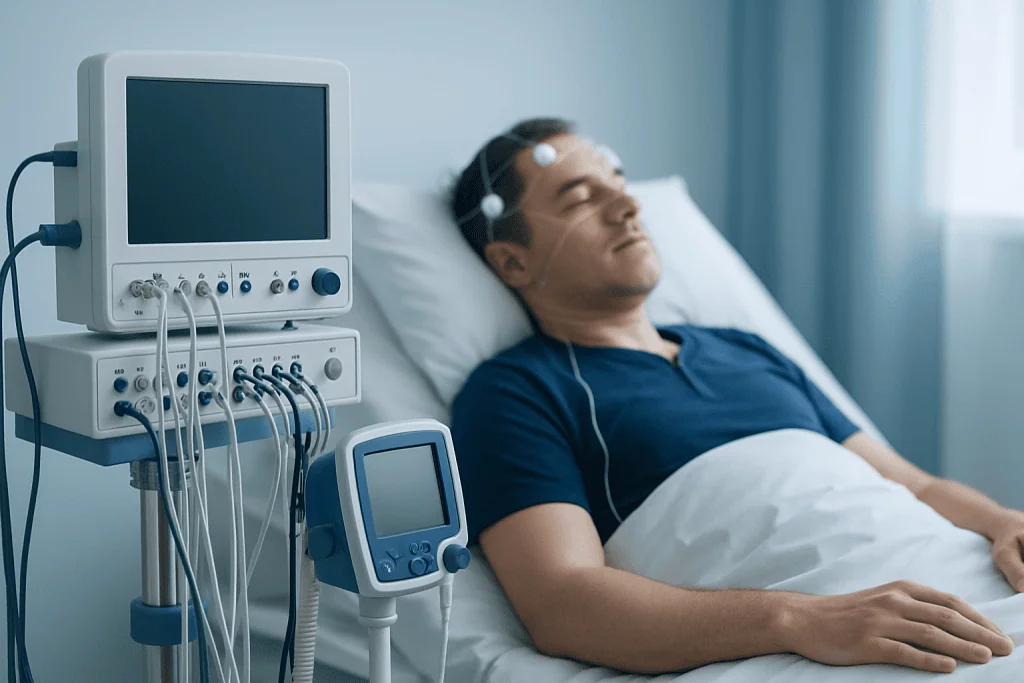
In some cases, a sleep study is recommended. An overnight sleep study (polysomnography) records brain activity, breathing, heart rate, oxygen levels, and body movements during sleep. This can help distinguish parasomnias from seizures and identify disorders such as sleep apnea or REM sleep behavior disorder. Some adults may also need neurological assessment or brain imaging if symptoms are unusual, progressive, or accompanied by other neurological signs.
When dream enactment or sudden nighttime movements are the main concern, specialists often focus on whether the episodes happen during REM sleep and whether normal muscle relaxation is absent. That distinction helps guide treatment and determine whether follow-up with neurology is needed.
Treatment Options
Treatment depends on the type of parasomnia, how often it happens, and whether there is a risk of injury. Many adults improve when triggers are addressed. Regular sleep hours, adequate sleep duration, stress reduction, limiting alcohol, and reviewing medications can make a meaningful difference. If another sleep disorder is present, treating that condition is often one of the most important steps.
For non-REM parasomnias such as sleepwalking and night terrors, treatment may focus first on safety and prevention. If episodes are frequent, severe, or dangerous, a doctor may consider medication, but the decision is individualized. The aim is to reduce arousals from deep sleep and lower the chance of harmful behaviors at night.
When episodes are linked to obstructive sleep apnea, treatment of the breathing disorder may help reduce nighttime events. Depending on the situation, this may include CPAP therapy or another appropriate sleep treatment plan. If REM sleep behavior disorder is suspected, specialists may recommend protective measures, medication, and follow-up for related neurological concerns.
Adults who have repeated disturbing dreams, severe sleep disruption, or concern about another sleep disorder may benefit from assessment in a dedicated sleep clinic. In complex cases, a multidisciplinary team can coordinate care among sleep medicine, neurology, psychiatry, and other specialties. Near the end of the care pathway, patients seeking international evaluation may also find support from Acibadem International, where multidisciplinary specialists in JCI-accredited hospitals diagnose and treat sleep-related conditions for international patients.
Prevention and Self-Care
Simple safety steps are an important part of self-care. The bedroom should be arranged to reduce the risk of injury during an episode. This may include removing sharp or breakable objects, securing windows and doors, keeping pathways clear, and considering alarms or other precautions if wandering is a concern. A bed partner should avoid trying to physically restrain someone during an event, as this may increase confusion or agitation.
Healthy sleep habits can reduce episodes for many people. Going to bed and waking up at regular times, allowing enough time for sleep, and avoiding heavy alcohol use are especially helpful. Managing stress through relaxation techniques, counseling, exercise earlier in the day, or structured routines may also support more stable sleep.
It can be useful to keep a sleep diary for several weeks. Notes may include bedtime, wake time, naps, alcohol or caffeine use, medication changes, stress levels, and details of nighttime events. This record can reveal patterns and gives the treating doctor a clearer picture of possible triggers and severity.
- Prioritize consistent, sufficient sleep
- Limit alcohol and discuss medication side effects with a doctor
- Reduce bedroom hazards and protect against falls or wandering
- Track episodes in a sleep diary or video when safe to do so
- Seek evaluation if symptoms are new, frequent, violent, or unusual
When to Seek Medical Evaluation
Many isolated parasomnia episodes are not emergencies, but some situations clearly deserve medical evaluation. Adults should speak with a doctor if episodes begin for the first time in adulthood, occur often, disrupt daytime functioning, or create concern for personal safety. Assessment is also important if the events involve aggressive actions, falls, leaving the home, or possible injury to a bed partner.
Prompt evaluation is especially important when symptoms suggest REM sleep behavior disorder or another neurological problem. Repeated dream enactment, punching, kicking, shouting, or sudden complex behaviors during sleep may require a specialist review. Episodes that could be seizures, fainting, or severe breathing disturbances should also be assessed without delay.
It is wise to seek medical advice if parasomnias occur alongside loud snoring, gasping, significant daytime sleepiness, memory changes, tremor, walking changes, or other neurological symptoms. In these situations, the doctor may recommend a formal sleep medicine evaluation or referral to neurology to look for underlying sleep, medical, or nervous system causes.
Emergency help may be needed if an episode leads to serious injury, dangerous behavior, or a medical crisis. Otherwise, most people can begin with a planned outpatient appointment, where careful history-taking and testing can clarify the diagnosis and guide treatment in a calm, structured way.
Frequently asked questions
Are parasomnias common in adults?
Parasomnias can occur in adults, although some forms are more common in children. Adults may experience sleepwalking, night terrors, nightmares, sleep paralysis, or acting out dreams. When symptoms are frequent or new, a medical review is helpful.
What is the difference between sleepwalking and night terrors?
Sleepwalking involves getting up or performing activities while still asleep, often with little awareness or memory afterward. Night terrors usually involve a sudden scream, intense fear, and signs of panic, also with limited recall. Both commonly arise from non-REM sleep.
Can stress cause parasomnias?
Stress can trigger or worsen parasomnias in some people by disrupting sleep and increasing partial awakenings. Sleep deprivation, anxiety, alcohol, and irregular schedules can have similar effects. Reducing triggers may lower the number of episodes.
Is acting out dreams the same as having nightmares?
No. Nightmares are disturbing dreams that a person usually remembers after waking, but they do not always involve body movements. Acting out dreams suggests REM sleep behavior disorder, in which normal muscle relaxation during dream sleep is reduced or absent.
Do adults with parasomnias need a sleep study?
Not everyone needs a sleep study, but it is often useful when events are frequent, unusual, violent, or difficult to classify. Polysomnography can help identify related conditions such as sleep apnea, seizure-like events, or REM sleep behavior disorder. A doctor decides this based on the history and symptoms.
How can someone make the bedroom safer during episodes?
Practical steps include removing sharp objects, clearing the floor, securing windows and doors, and placing the mattress in a safer arrangement if falls are a concern. Bed partners should focus on protection rather than forceful restraint. Safety planning is an important part of treatment.
When should an adult be worried about parasomnias?
Concern is appropriate when symptoms begin in adulthood, happen often, cause injury, involve violent dream enactment, or occur with snoring, daytime sleepiness, or neurological changes. These features can point to an underlying sleep disorder or another medical condition. A qualified doctor can assess the cause and advise on next steps.
References
- American Academy of Sleep Medicine
- National Institute of Neurological Disorders and Stroke
- National Heart, Lung, and Blood Institute
- Mayo Clinic
- Cleveland Clinic
This article is for general information only and is not a substitute for professional medical advice. Please consult a qualified doctor about your individual situation.
Explore treatments in Turkey — costs, top hospitals & a free quote
JCI-accredited · board-certified surgeons · reply within 24h
Add us as a Preferred Source to see more of our trusted health content across Google Search, AI Overviews and Discover.