Paresthesia in Left Hand: An Evidence-Based Guide for Patients

Paresthesia in left hand commonly feels like tingling, numbness, burning, or a prickling sensation. Short-lived symptoms may happen after sleeping on the arm or keeping the wrist bent for too long.
Key Takeaways
- Paresthesia in left hand commonly feels like tingling, numbness, burning, or a prickling sensation.
- Short-lived symptoms may happen after sleeping on the arm or keeping the wrist bent for too long.
- Ongoing or repeated symptoms can be linked to nerve compression, cervical spine problems, diabetes, vitamin deficiencies, or circulation issues.
- Emergency care is needed if left hand paresthesia starts suddenly with weakness, facial droop, chest pain, trouble speaking, or severe shortness of breath.
- Diagnosis depends on the symptom pattern and may include an exam, blood tests, nerve studies, or imaging.
- Treatment focuses on the cause and may include activity changes, splints, physical therapy, medicines, or specialist care.
Paresthesia in left hand means abnormal sensations such as tingling, pins and needles, burning, or numbness. It is often caused by temporary pressure on a nerve, but persistent, recurrent, or sudden symptoms may need medical evaluation to rule out nerve, neck, circulation, or other health problems.
Overview
Paresthesia in left hand refers to unusual sensations such as tingling, numbness, prickling, burning, or a feeling that the hand has “fallen asleep.” In many people, this happens briefly after pressure on a nerve or reduced blood flow from posture, such as sleeping on the arm or leaning on the elbow. These episodes usually settle once the position changes.
However, paresthesia in left hand can also be a sign of a medical issue affecting the nerves, neck, wrist, circulation, or metabolism. The pattern of symptoms matters. Tingling in the thumb, index, and middle fingers may suggest median nerve compression at the wrist, while symptoms involving the ring and little fingers may point toward the ulnar nerve at the elbow or wrist.
A careful approach helps separate common and harmless causes from symptoms that need prompt attention. Sudden left hand numbness together with weakness, facial drooping, trouble speaking, severe headache, chest discomfort, or shortness of breath should not be ignored. In those situations, urgent medical care is important.
What it can feel like
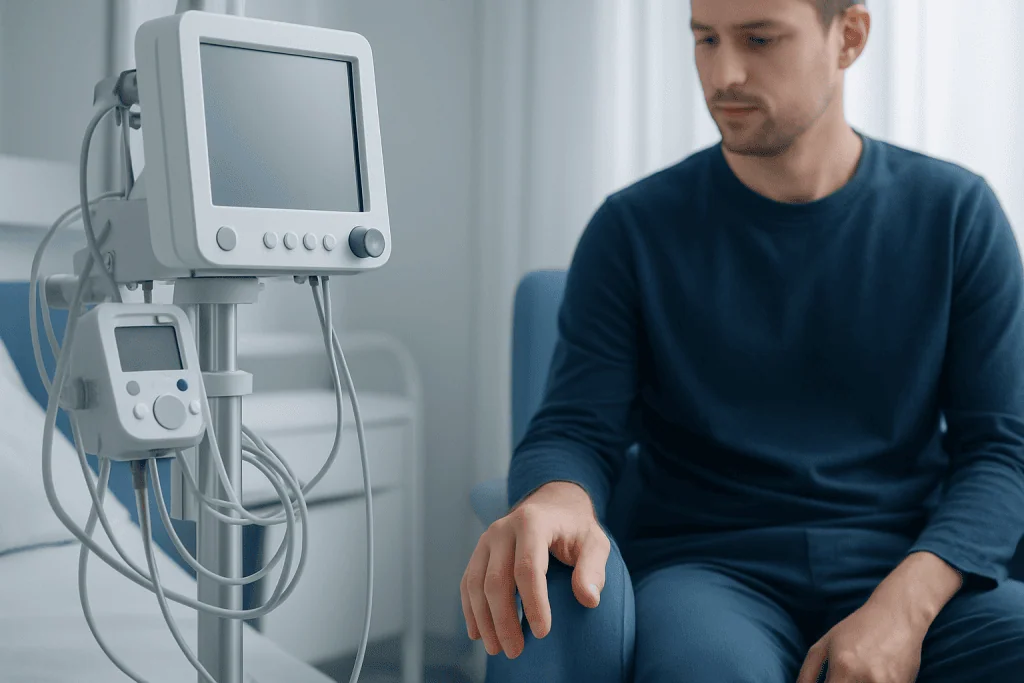
People describe paresthesia in left hand in different ways. Common words include pins and needles, tingling, buzzing, burning, crawling, reduced sensation, or a hand that feels clumsy. Some notice symptoms only at night, while others feel them during typing, driving, holding a phone, or repetitive work.
The exact location can provide useful clues. Symptoms in the thumb side of the hand may differ from symptoms focused in the little finger side. Some people also have pain in the wrist, forearm, elbow, shoulder, or neck. Others mainly notice weakness, dropping objects, or trouble with fine movements like buttoning clothes.
Important details include how long symptoms last, whether they affect one or several fingers, what triggers them, and whether they improve with shaking the hand or changing position. A clinician may also ask if the symptoms spread up the arm or are associated with dizziness, headache, palpitations, or changes in skin color or temperature.
- Tingling or pins and needles
- Numbness or reduced feeling
- Burning or electric-shock sensations
- Weak grip or hand clumsiness
- Symptoms that worsen at night or with repetitive use
Common causes and risk factors

The most common reason for paresthesia in left hand is temporary nerve compression from posture or repetitive strain. Examples include sleeping with the wrist bent, leaning on the elbow, prolonged keyboard use, cycling, or work that involves gripping tools. These causes are often mechanical and may improve with rest, ergonomic adjustments, and reducing pressure on the affected area.
Nerve entrapment conditions are another frequent cause. Carpal tunnel syndrome can cause tingling in the thumb, index, middle, and part of the ring finger, often worse at night. Ulnar nerve compression, sometimes called cubital tunnel syndrome when it occurs at the elbow, may affect the ring and little fingers. Problems in the neck, including cervical disc disease or nerve root irritation, can also send symptoms into the arm and hand. In some cases, cervical disc herniation is part of the explanation.
Medical conditions can make nerves more vulnerable. Diabetes, thyroid disorders, kidney disease, alcohol misuse, autoimmune disorders, and vitamin deficiencies, especially low vitamin B12, can contribute to nerve symptoms. Some medications and chemotherapy agents may also affect nerves. Anxiety and hyperventilation can cause tingling too, but this diagnosis should be made carefully after more serious causes are considered.
Circulation problems are less common than nerve causes but can sometimes produce numbness, coldness, or color change in the hand. Risk factors that deserve attention include smoking, obesity, repetitive hand use, poorly controlled diabetes, inflammatory arthritis, pregnancy-related swelling, and prior injuries to the neck, shoulder, elbow, or wrist.
How doctors evaluate paresthesia in left hand
Diagnosis starts with a detailed history and physical examination. A doctor will ask when the symptoms began, whether they are constant or intermittent, which fingers are involved, and what makes them better or worse. They may also ask about neck pain, recent injuries, medical conditions such as diabetes, and any weakness or loss of coordination.
The physical exam may include checking sensation, grip strength, reflexes, finger movement, and signs of nerve irritation in the wrist, elbow, shoulder, or neck. The doctor may assess circulation by checking pulses, skin color, capillary refill, and temperature of the hand. This combination helps identify whether the likely source is local nerve compression, a neck problem, a broader nerve disorder, or a vascular cause.
If symptoms persist, recur, or are accompanied by weakness, further tests may be useful. These can include blood tests for blood sugar, thyroid function, vitamin B12, kidney function, or inflammation. Nerve conduction studies and electromyography can evaluate how well nerves and muscles are working. Imaging such as ultrasound, X-ray, or MRI scan may be recommended when a wrist, elbow, or neck problem is suspected.
Treatment options
Treatment for paresthesia in left hand depends on the cause. For posture-related tingling or mild overuse symptoms, early steps often include rest, avoiding prolonged pressure on the arm, changing work setup, improving wrist position, and taking regular movement breaks. A night splint may help if the wrist is bending during sleep. If symptoms are related to muscle tension or nerve irritation from the neck or shoulder, guided stretching and physical therapy can be useful.
When nerve compression is more persistent, treatment may include splinting, anti-inflammatory strategies when appropriate, occupational adjustments, and supervised rehabilitation. If there is concern for a structural problem in the neck or hand, a specialist may recommend more targeted care. In selected cases, physical therapy and rehabilitation supports posture, strength, nerve gliding, and symptom control.
If an underlying condition is found, treatment focuses there as well. Better diabetes management, correcting vitamin deficiency, addressing thyroid disease, or reviewing medications may reduce symptoms over time. If testing confirms severe nerve entrapment, progressive weakness, or a problem that does not improve with conservative care, procedures or surgery may be considered. For some patients with advanced median nerve compression, carpal tunnel release surgery may be discussed.
Because treatment varies widely, self-prescribing supplements or using braces without proper evaluation may delay the right diagnosis. A clinician can help determine whether symptoms are likely to improve with conservative care or whether specialist input from neurology, orthopedics, rehabilitation, or hand surgery is more appropriate.
Self-care and prevention
Many episodes of paresthesia in left hand can be reduced by protecting the nerves from repeated strain. Simple changes include keeping the wrist in a neutral position, avoiding leaning on the elbow, adjusting desk height, taking breaks from repetitive activities, and using tools or keyboards that reduce strain. During sleep, some people benefit from avoiding positions that tuck the wrist or compress the arm under the body.
General health also matters. Blood sugar control, balanced nutrition, adequate vitamin intake, hydration, and limiting alcohol support nerve health. Stopping smoking may improve circulation and overall healing. Regular exercise can reduce stiffness in the neck and shoulders and improve posture, which may decrease symptoms that come from nerve irritation higher up the arm.
People should be cautious about persistent or worsening symptoms even if they seem mild at first. Repeated night waking, hand weakness, dropping objects, or symptoms that spread should prompt medical review rather than prolonged self-treatment. Near the end of the care pathway, some international patients may choose assessment at centers such as Acibadem International, where multidisciplinary specialists in JCI-accredited hospitals diagnose and treat nerve, spine, and hand conditions.
When to seek medical care
Medical advice is recommended if paresthesia in left hand lasts more than a short time, happens repeatedly, interrupts sleep, or is associated with weakness, pain, neck symptoms, or reduced hand function. Evaluation is also sensible when a person has diabetes, a known spine problem, recent injury, or symptoms in both hands or feet, since these patterns may suggest a broader nerve disorder.
Urgent care is needed if symptoms begin suddenly and come with facial drooping, arm or leg weakness, confusion, trouble speaking, severe headache, chest pain, fainting, or shortness of breath. These combinations may indicate conditions that need emergency assessment, including stroke or heart-related problems. A cold, pale, blue, or very painful hand also deserves prompt attention because blood flow may be affected.
If conservative steps have not helped after a reasonable period, a doctor may refer the patient for specialist testing or treatment. In cases where the neck is suspected, evaluation for issues such as a cervical disc problem may be appropriate, especially if symptoms travel from the neck or shoulder into the arm and fingers.
Frequently asked questions
Is paresthesia in left hand always serious?
No. It is often caused by temporary pressure on a nerve from posture or repetitive activity. However, symptoms that keep returning, last a long time, or come with weakness or other neurological signs should be checked by a doctor.
Can sleeping position cause left hand tingling?
Yes. Sleeping with the wrist bent, the elbow compressed, or the arm trapped under the body can temporarily irritate nerves and reduce normal sensation. Symptoms usually improve after changing position, but frequent nighttime episodes may suggest an underlying nerve compression problem.
Which fingers matter when identifying the cause?
The finger pattern can offer clues. Tingling in the thumb, index, and middle fingers often points toward median nerve compression, while the ring and little fingers are more often linked to the ulnar nerve. A doctor uses this pattern together with the examination and, if needed, testing.
Can anxiety cause paresthesia in left hand?
It can contribute in some people, especially during episodes of hyperventilation or intense stress. Still, anxiety should not be assumed to be the cause until more common mechanical, neurological, and medical explanations have been considered.
What tests might be needed for persistent left hand paresthesia?
A doctor may start with a clinical exam and then order blood tests, nerve conduction studies, electromyography, or imaging depending on the suspected cause. The choice of tests depends on whether the problem seems to involve the wrist, elbow, neck, circulation, or a whole-body condition.
When should someone go to the emergency room for left hand numbness?
Emergency care is appropriate if symptoms start suddenly or are accompanied by chest pain, shortness of breath, facial droop, severe headache, trouble speaking, or weakness on one side of the body. These warning signs can be linked to serious conditions that need immediate assessment.
This article is for general information only and is not a substitute for professional medical advice. Please consult a qualified doctor about your individual situation.
Explore treatments in Turkey — costs, top hospitals & a free quote
JCI-accredited · board-certified surgeons · reply within 24h
Add us as a Preferred Source to see more of our trusted health content across Google Search, AI Overviews and Discover.

More from the Health Library

Differentiation Between Antigen and Antibody: What Patients Need to Know

Adrenal Cortex: What Patients Need to Know

Circumvallate Papillae — Explained by Medical Evidence, Not Myths

Healthy Eating Tips: A Complete Medical Overview

Sexsomnia: What Patients Need to Know