Paroxysmal Hemicrania: Brief One-Sided Headache Attacks

Paroxysmal hemicrania causes short, frequent attacks of severe pain on one side of the head. Attacks commonly occur around the eye, forehead, or temple and may include tearing, nasal symptoms, or eyelid changes.
Key Takeaways
- Paroxysmal hemicrania causes short, frequent attacks of severe pain on one side of the head.
- Attacks commonly occur around the eye, forehead, or temple and may include tearing, nasal symptoms, or eyelid changes.
- The condition belongs to the trigeminal autonomic cephalalgia group of headache disorders.
- A strong response to indomethacin helps doctors confirm the diagnosis, but the medicine requires medical supervision.
- New, unusual, or sudden severe headaches should be assessed promptly to exclude other causes.
Paroxysmal hemicrania is a rare primary headache condition that causes repeated, severe attacks of pain on one side of the head, usually around the eye or temple. Its defining feature is a complete or near-complete response to the anti-inflammatory medicine indomethacin when it is appropriate and safe to use.
Overview: What Is Paroxysmal Hemicrania?
Paroxysmal hemicrania is an uncommon neurological headache disorder. It causes repeated attacks of intense pain that affect one side of the head, most often near the eye, temple, forehead, or upper face. The word “paroxysmal” refers to attacks that begin and end suddenly, while “hemicrania” means pain on one side of the head.
The attacks are typically brief, lasting about 2 to 30 minutes, but they can happen many times in one day. Paroxysmal hemicrania is part of a group called trigeminal autonomic cephalalgias. These conditions involve activation of facial pain pathways and automatic nervous-system symptoms, such as eye watering or nasal congestion, on the painful side.
Although the pain can be severe and disruptive, paroxysmal hemicrania is treatable. It is especially important to identify because it usually responds very well to indomethacin, a prescription nonsteroidal anti-inflammatory drug. A clinician should confirm the diagnosis and discuss whether this medicine is safe for the individual.
How Attacks Feel and What May Accompany Them
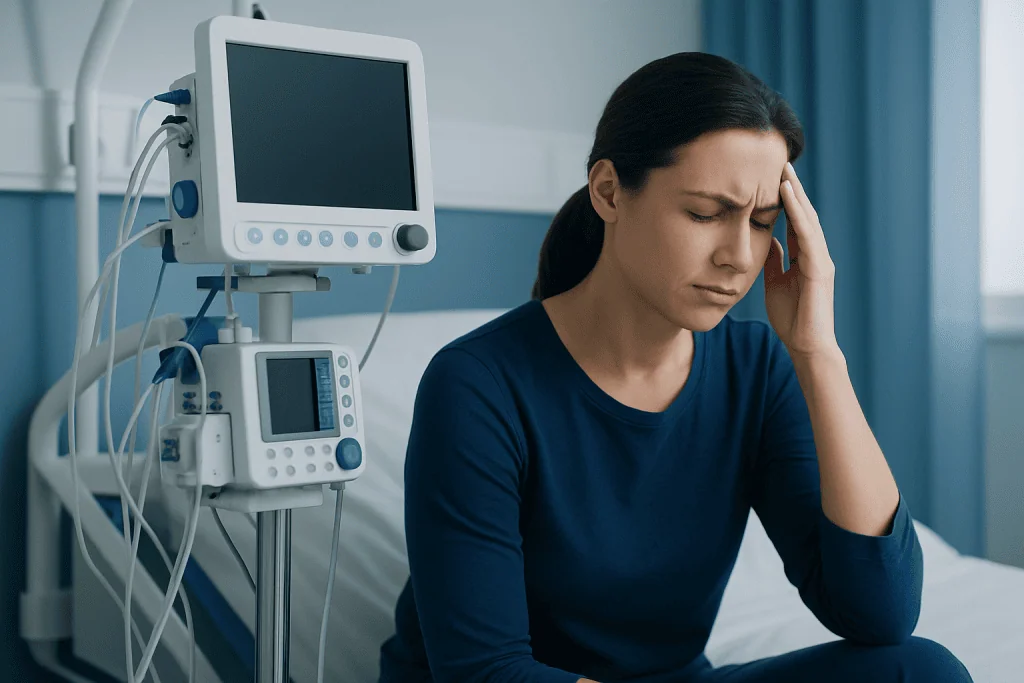
Paroxysmal hemicrania pain is generally described as severe, sharp, stabbing, throbbing, or boring. It usually remains on the same side of the head during an individual attack and often continues to affect the same side over time. Unlike many migraine attacks, which may last hours or days, these headaches are shorter but occur more frequently.
Symptoms related to the eye, nose, and face on the same side as the pain are common. These are not dangerous by themselves, but they provide important clues for diagnosis. During an attack, some people also feel restless or unable to stay still because of the intensity of the pain.
- Redness or watering of the eye
- Nasal blockage or a runny nose
- Drooping or swelling of the eyelid
- Facial sweating or flushing
- A smaller pupil or a feeling of pressure around the eye
- Restlessness during attacks
Attack patterns vary. Some people have clusters of attacks separated by pain-free periods, while others have attacks for a year or longer with little or no remission. Keeping a headache diary can help record timing, duration, location, associated symptoms, medicines used, and possible triggers.
Why It Happens and Who Can Be Affected
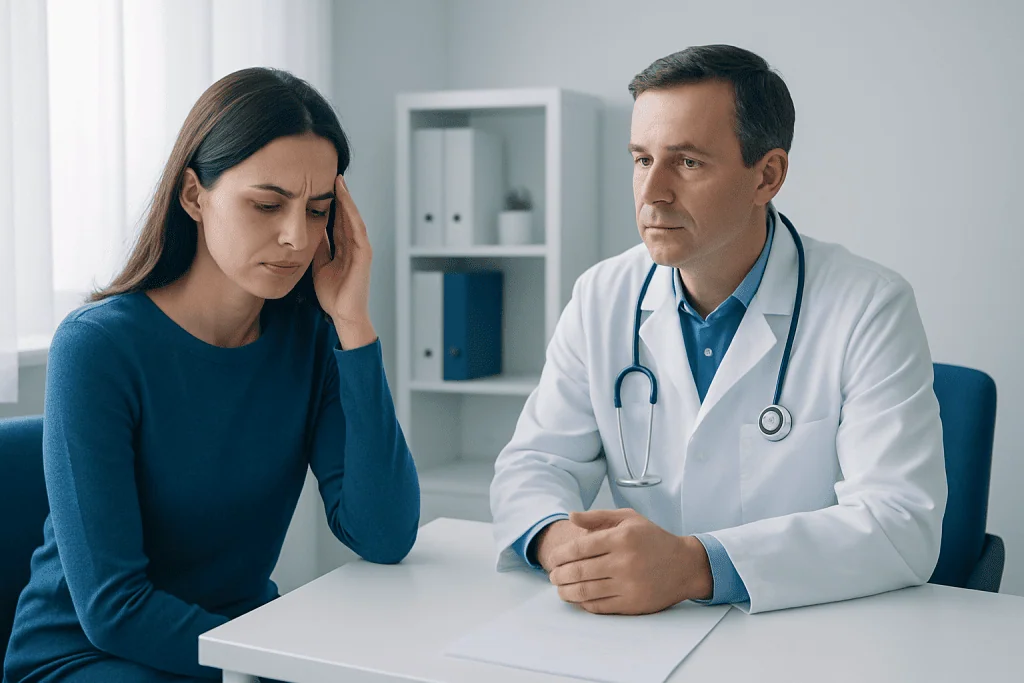
The exact cause of paroxysmal hemicrania is not fully understood. Research suggests that it involves the trigeminal nerve, which carries facial sensation, together with brain regions that regulate pain and automatic body functions. It is not considered a condition caused by poor lifestyle choices, and patients should not blame themselves for developing it.
Paroxysmal hemicrania can begin at different ages, including adulthood and, less commonly, childhood. It is reported more often in women than men. Most cases are primary, meaning they occur without another underlying illness. However, a small number of people can have a secondary headache syndrome linked to another condition affecting the brain, blood vessels, eyes, sinuses, neck, or nearby structures.
For this reason, clinicians look carefully for features that do not fit the usual pattern. A first headache later in life, changes in the usual attack pattern, neurological symptoms between attacks, fever, cancer history, immune suppression, recent injury, or abnormal examination findings may lead to further testing. These precautions are intended to identify uncommon but important alternative causes.
How Paroxysmal Hemicrania Is Diagnosed
There is no single blood test that confirms paroxysmal hemicrania. Diagnosis is based on a detailed description of the attacks, a neurological examination, and the pattern defined in international headache criteria. Doctors ask about where the pain occurs, how long attacks last, how often they happen, accompanying eye or nose symptoms, and any symptoms that occur between episodes.
A carefully supervised indomethacin trial is a key part of diagnosis. Paroxysmal hemicrania is distinguished by an absolute or near-absolute response to this medicine at an appropriate dose prescribed by a clinician. This response helps separate it from other one-sided headache disorders, including cluster headache, short-lasting unilateral neuralgiform headache attacks, migraine, and some facial pain conditions.
Brain imaging, commonly magnetic resonance imaging (MRI), may be recommended, particularly for a first presentation, atypical features, or an abnormal neurological examination. Depending on the symptoms, an eye assessment or additional tests may also be needed. These investigations do not mean that a serious cause is expected; they help clinicians make a confident and safe diagnosis.
Treatment Options and Ongoing Care
Indomethacin is the standard treatment for paroxysmal hemicrania. In many people, it stops attacks completely or almost completely. Because the response can be rapid and striking, it can both relieve symptoms and support the diagnosis. Treatment should only be started and adjusted under medical guidance.
Like other nonsteroidal anti-inflammatory drugs, indomethacin can cause side effects, particularly stomach irritation, ulcers or bleeding, kidney problems, fluid retention, and increased cardiovascular risk in some individuals. A doctor will consider a person’s medical history, including kidney disease, heart disease, high blood pressure, stomach ulcers, bleeding risk, pregnancy, and other medicines. Gastroprotective treatment may be considered for some patients, and follow-up monitoring may be needed.
If indomethacin is not suitable or is not tolerated, a headache specialist may discuss alternatives. These may be less predictably effective, and the best choice depends on the individual’s symptoms and health needs. It is important not to stop or restart prescription treatment without discussing it with the prescribing clinician, especially if attacks return.
Living With the Condition: Practical Self-Care
Medication is usually the main treatment, but practical planning can reduce the burden of frequent attacks. A headache diary can help patients and their clinicians understand whether treatment is controlling attacks and whether a pattern is changing. Useful details include the number of attacks each day, their duration, pain location, accompanying symptoms, sleep, missed activities, and any medicine side effects.
There is no proven lifestyle measure that prevents paroxysmal hemicrania in every person. However, regular sleep, hydration, balanced meals, stress-management practices, and avoiding known personal triggers may support overall wellbeing. Alcohol and certain movements can trigger other headache disorders, but triggers are variable in paroxysmal hemicrania and should not be assumed without a clear repeated pattern.
People taking indomethacin should avoid adding over-the-counter anti-inflammatory medicines, such as ibuprofen or naproxen, unless a clinician says this is safe. Combining these medicines can increase the risk of stomach bleeding and kidney problems. A pharmacist or doctor can review all prescription medicines, supplements, and pain relievers for possible interactions.
When to Seek Medical Care
Anyone with recurring severe one-sided headaches should arrange a medical assessment, especially when attacks are frequent or include eye watering, eyelid changes, or nasal symptoms. Prompt assessment can help distinguish paroxysmal hemicrania from migraine, cluster headache, eye disease, and other causes of facial or head pain. A primary care doctor or neurologist can guide evaluation and referral to a headache specialist when needed.
Urgent medical care is appropriate for a sudden “worst-ever” headache, a headache that reaches maximum intensity within seconds or minutes, or pain following a head injury. Emergency assessment is also important if headache occurs with fainting, confusion, fever and neck stiffness, new weakness or numbness, trouble speaking, vision loss, seizure, or persistent vomiting.
A person already diagnosed with paroxysmal hemicrania should contact their clinician if attacks change substantially, treatment stops working, or medicine side effects occur. Acibadem International’s multidisciplinary specialists and JCI-accredited hospitals can assess and treat headache disorders, including paroxysmal hemicrania, for international patients.
Frequently asked questions
Is paroxysmal hemicrania the same as migraine?
No. Both conditions can cause severe one-sided head pain, but paroxysmal hemicrania usually produces much shorter attacks that occur many times a day. It also commonly causes eye and nasal symptoms on the painful side and has a characteristic response to indomethacin.
How long does a paroxysmal hemicrania attack last?
Individual attacks typically last from about 2 to 30 minutes. They often occur several times per day, and some people experience more than five attacks daily. The exact frequency and pattern differ between individuals.
Can paroxysmal hemicrania go away on its own?
Some people have episodic disease, with pain-free periods lasting weeks, months, or longer. Others have chronic symptoms with little or no remission. Even when attacks pause, medical follow-up is helpful before changing preventive treatment.
Why is indomethacin important for diagnosis?
Paroxysmal hemicrania has a distinctive complete or near-complete response to indomethacin when the medicine is appropriate. This response is one of the clinical features doctors use when confirming the diagnosis. However, indomethacin can cause important side effects, so it should be used only under medical supervision.
Does paroxysmal hemicrania cause permanent brain damage?
Primary paroxysmal hemicrania is not generally considered to cause permanent brain damage. However, severe or changing headaches still need professional assessment because other conditions can sometimes resemble it. Appropriate treatment can greatly reduce attacks and improve daily functioning.
Can stress trigger paroxysmal hemicrania?
Stress may influence pain perception and sleep, but it is not established as a universal cause or trigger of paroxysmal hemicrania. Some people notice personal patterns, while others do not. Recording possible triggers in a diary can provide useful information for a clinician.
This article is for general information only and is not a substitute for professional medical advice. Please consult a qualified doctor about your individual situation.
Explore treatments in Turkey — costs, top hospitals & a free quote
JCI-accredited · board-certified surgeons · reply within 24h
Add us as a Preferred Source to see more of our trusted health content across Google Search, AI Overviews and Discover.

More from the Health Library

Gastric Lavage: What Patients Need to Know

Emotional Damage Meme: An Evidence-Based Guide for Patients

Vad Ventricular — Explained by Medical Evidence, Not Myths

Best Evening Exercises at Home: What Patients Need to Know

How many miles is 10000 steps? The Numbers, Explained by Clinicians