Parvovirus B19 Treatment: How It Works, Results and What to Expect

Most parvovirus B19 infections resolve with supportive care rather than a specific antiviral medicine. Rest, fluids and clinician-approved pain or fever relief can help manage mild illness.
Key Takeaways
- Most parvovirus B19 infections resolve with supportive care rather than a specific antiviral medicine.
- Rest, fluids and clinician-approved pain or fever relief can help manage mild illness.
- People with certain blood disorders may develop severe anemia and may need urgent assessment, transfusion or other hospital care.
- Intravenous immunoglobulin may be considered for persistent infection in selected immunocompromised patients.
- Pregnant people exposed to or infected with parvovirus B19 should contact their maternity care team promptly.
Parvovirus B19 treatment usually focuses on relieving symptoms while the immune system clears the infection. Most otherwise healthy people recover without antiviral medicine, while pregnancy, blood disorders and immune suppression may require closer monitoring and targeted treatment.
Parvovirus B19 treatment: how it works
Parvovirus B19 treatment is usually supportive: it helps control fever, discomfort, rash-related symptoms and joint pain while the body’s immune system clears the virus. There is no routine antiviral medicine that reliably eliminates parvovirus B19 in otherwise healthy people, and antibiotics do not treat this viral infection.
Many infections cause few or no symptoms. When symptoms occur, care may include rest, adequate fluids and clinician-approved medicine for fever or pain. Children may develop the characteristic facial rash of fifth disease, while adults can be more troubled by aching or swollen joints, particularly in the hands, wrists, knees or ankles.
Treatment changes when the virus affects red blood cell production. Parvovirus B19 temporarily suppresses the bone marrow cells that make red blood cells. This is usually not important for healthy people, but it can cause a sudden, significant anemia in people with conditions that already shorten red blood cell survival, such as sickle cell disease or thalassemia. It can also persist in people with substantial immune suppression.
Who may need specialist treatment or closer monitoring?
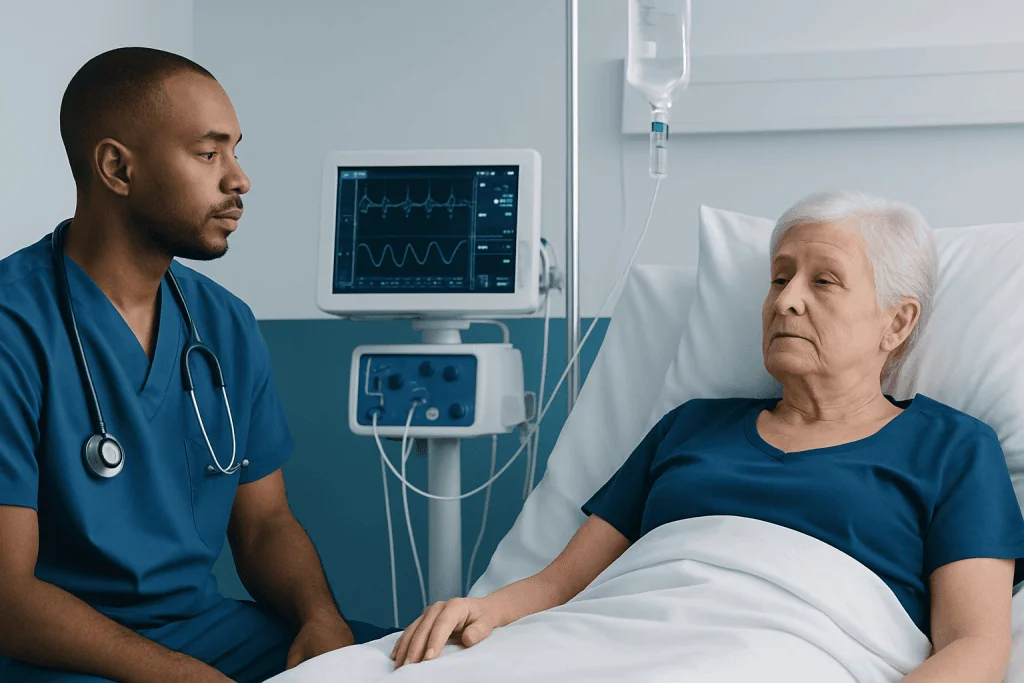
Most people can be cared for at home after appropriate clinical advice. However, a clinician may recommend blood tests, follow-up appointments or hospital assessment for people at higher risk of complications. These include people with inherited red blood cell disorders, chronic hemolytic anemia, cancer treatment-related immune suppression, organ transplantation or advanced immune deficiency.
Pregnancy also deserves prompt medical discussion. Infection during pregnancy is often mild for the pregnant person, but the virus can sometimes affect the fetus, particularly when infection occurs in the first half of pregnancy. A maternity specialist may arrange blood testing and ultrasound follow-up based on gestational age, symptoms, exposure history and test results.
Children with unexplained pallor, unusual tiredness, breathlessness or a fast heartbeat should be assessed promptly, especially if they have a known blood disorder. These signs can reflect anemia and are more important than the rash itself when deciding how urgently treatment is needed.
- Healthy children and adults: usually supportive care only.
- People with blood disorders: monitoring for an acute drop in hemoglobin and possible transfusion support.
- Immunocompromised people: assessment for persistent infection and chronic anemia.
- Pregnant people: obstetric review and individualized fetal monitoring when indicated.
What happens during evaluation and treatment?

The care pathway begins with a clinical assessment. A doctor asks about rash, fever, joint symptoms, recent exposure, pregnancy, immune health and any history of anemia or blood disorders. The pattern of illness may be sufficient to make a likely diagnosis, but blood tests can be useful when complications are possible or when the diagnosis is uncertain.
Testing may include a complete blood count to check hemoglobin and reticulocytes, which are young red blood cells. Tests for parvovirus B19 antibodies can help show recent or past infection. In selected people with weakened immunity, a molecular blood test may look for viral genetic material because antibody responses may be unreliable.
If anemia is severe, hospital-based treatment may include observation, oxygen assessment, intravenous fluids when clinically needed and a red blood cell transfusion. For persistent parvovirus B19 infection in some immunocompromised patients, specialists may consider intravenous immunoglobulin, a blood-product-derived therapy containing antibodies. The exact approach depends on the person’s underlying condition, blood results and overall health.
Acibadem International’s multidisciplinary specialists and JCI-accredited hospitals can assess parvovirus-related anemia, immune complications and pregnancy-related concerns for international patients when specialist care is required.
How long does it take to recover from parvovirus B19?
Recovery from parvovirus B19 is often measured in days to a few weeks, but the timeline varies by symptom and by the person’s health. Fever and general unwellness commonly improve first. A rash can come and go for several weeks, sometimes becoming more noticeable after heat, exercise, sunlight or emotional stress, even though the person is generally recovering.
Joint pain may last longer than the initial flu-like illness, particularly in adults. It often improves gradually over weeks, although a smaller number of people have symptoms that persist for months. Ongoing or worsening joint symptoms should be reviewed so that a clinician can consider other explanations and recommend safe symptom management.
People who develop anemia may recover according to how quickly their bone marrow resumes red blood cell production and whether they need transfusion support. Persistent infection in a person with significant immune suppression can take longer to resolve and requires specialist follow-up rather than self-treatment.
What kills parvovirus B19?
The immune system is responsible for clearing parvovirus B19 in most people. As the body develops antibodies and an effective immune response, the amount of virus in the blood falls and symptoms settle. This is why supportive care is usually appropriate for uncomplicated infection.
There is no standard antiviral drug used routinely to kill parvovirus B19. Antibiotics are not effective because they work against bacteria, not viruses. Medicines used for pain, fever or inflammation can improve comfort but do not directly remove the virus from the body.
For selected people whose immune systems cannot clear persistent infection, intravenous immunoglobulin may provide antibodies that help control the virus. This is a specialist decision and is not needed for typical fifth disease in healthy children or adults. Preventive measures, including hand hygiene and avoiding sharing utensils when ill, can reduce spread of many respiratory infections, but no parvovirus B19 vaccine is currently in routine use.
How long does it take for parvo treatment to work?
Supportive treatment can ease fever, pain and dehydration symptoms within hours to a few days, depending on the symptom and the treatment used. However, symptom relief is not the same as immediate viral clearance. The body still needs time to mount an immune response and recover from the infection.
When anemia develops, doctors monitor both symptoms and blood counts. A transfusion, if needed, can improve anemia-related symptoms relatively quickly, while recovery of the bone marrow takes longer. People treated with intravenous immunoglobulin for persistent infection may have repeat blood counts and viral testing over time to assess response.
It is important to follow the care plan given by the treating clinician and not to assume that improvement in rash alone means anemia or other complications have resolved. New breathlessness, fainting, chest discomfort, marked weakness or increasing pallor warrants prompt medical assessment.
Benefits, limits and possible risks of treatment
The main benefit of treatment is improved comfort and prevention or management of complications in people at risk. Rest, fluids and appropriate symptom relief can make the acute illness easier to manage. Monitoring can identify anemia early, while transfusion and specialist therapies can be lifesaving when severe anemia or persistent infection occurs.
Supportive medications have potential side effects and may not be suitable for everyone. For example, anti-inflammatory medicines may be inappropriate for some people with kidney disease, stomach ulcers, bleeding risks, certain heart conditions or pregnancy. A pharmacist or doctor can advise on the safest option for the individual.
Blood transfusions and intravenous immunoglobulin are administered under medical supervision because they can cause infusion reactions and have other uncommon but important risks. Clinicians weigh these risks against the expected benefit, use screening and monitoring procedures, and tailor treatment to the severity of illness.
Once the classic rash appears, many children are no longer thought to be highly contagious, because the period of greatest infectiousness is often before the rash. Still, local public health advice and a clinician’s guidance should be followed, particularly around pregnant contacts and people with significant immune suppression.
Is parvovirus B19 serious? When to seek medical care
Parvovirus B19 is usually mild in healthy children and adults, and many people recover completely. It can be serious in particular circumstances, especially when it causes a sharp fall in red blood cells, persists in someone with a weakened immune system or occurs during pregnancy. Risk depends more on the person’s health and the complication than on the appearance of the rash.
Medical advice should be sought promptly for a known exposure or symptoms during pregnancy; for a person with sickle cell disease, thalassemia or another chronic hemolytic anemia; or for someone receiving immune-suppressing treatment. A doctor should also assess persistent fever, severe joint swelling, rash with significant illness or symptoms that are not improving as expected.
Urgent medical care is appropriate for severe weakness, fainting, marked paleness, shortness of breath, a racing heartbeat, chest pain, confusion, dehydration or signs of a serious allergic reaction. These symptoms are not specific to parvovirus B19 but can indicate anemia or another condition requiring prompt evaluation.
People should avoid self-diagnosing a rash, as several infections and noninfectious conditions can look similar. A qualified clinician can confirm the likely cause, advise on testing and provide guidance that accounts for age, pregnancy status, immune health and underlying medical conditions.
Frequently asked questions
How is parvovirus B19 treated?
Most parvovirus B19 infections are treated with supportive care, such as rest, fluids and clinician-approved medicine for fever or pain. Antibiotics do not treat the virus. People with severe anemia, immune suppression or pregnancy-related concerns may need specialist assessment and additional monitoring or treatment.
How long does it take to recover from parvovirus B19?
Many people feel better within one to two weeks, although a rash may recur intermittently for several weeks. Joint pain can last longer, especially in adults. Recovery may be prolonged when the infection causes anemia or occurs in someone with a weakened immune system.
What kills parvovirus B19?
In most cases, the person’s immune system clears parvovirus B19 naturally. There is no routinely used antiviral medicine that directly eliminates it. Intravenous immunoglobulin may help selected immunocompromised patients with persistent infection under specialist supervision.
How long does it take for parvo treatment to work?
Treatment for fever, pain and dehydration may improve comfort within hours or days. The infection itself usually resolves over days to weeks as the immune system clears the virus. If anemia is present, the response depends on its severity and whether hospital treatments such as transfusion are needed.
Is parvovirus B19 serious?
It is usually mild in healthy people, but it can be serious for people with certain blood disorders, significant immune suppression or pregnancy. These groups have a higher risk of complications such as severe anemia or fetal effects. Prompt medical advice is recommended when these risks apply.
Can someone with parvovirus B19 go to school or work?
This depends on symptoms, local guidance and the setting. People are often most infectious before the rash appears, when they may have mild cold-like symptoms. Anyone who is unwell should stay home, and people working around pregnant individuals or highly vulnerable patients should seek workplace or medical advice.
References
- Centers for Disease Control and Prevention
- World Health Organization
- American Academy of Pediatrics
- National Health Service
- Merck Manual Professional Edition
This article is for general information only and is not a substitute for professional medical advice. Please consult a qualified doctor about your individual situation.
Joint and spine care in Turkey — expert assessment & treatment
JCI-accredited · board-certified surgeons · reply within 24h
Add us as a Preferred Source to see more of our trusted health content across Google Search, AI Overviews and Discover.

More from the Health Library



Related Specialists

Prof. Dr. Mehmet Temel Yılmaz
Endocrinology
Dr. Iretıola Oluwakanyınsola Albert
Inpatient Clinic Physicians
Dr. Çiğdem Benlice
General Surgery
Dr. Ayşe Gökçe Çiçek Çimen
Internal Medicine