

PCOS: Irregular Periods, Hormone Changes, and Metabolic Risks

PCOS is a hormonal and metabolic condition, not only a problem of the ovaries. Common signs include irregular periods, acne, excess facial or body hair, scalp hair thinning, and difficulty with weight management.
Key Takeaways
- PCOS is a hormonal and metabolic condition, not only a problem of the ovaries.
- Common signs include irregular periods, acne, excess facial or body hair, scalp hair thinning, and difficulty with weight management.
- Diagnosis is based on symptoms, examination, blood tests, and sometimes pelvic ultrasound after other causes are ruled out.
- Treatment depends on the person’s goals, such as regulating periods, improving skin symptoms, supporting fertility, or reducing metabolic risk.
- Lifestyle measures, regular follow-up, and medical care can help lower the risk of insulin resistance, type 2 diabetes, and cardiovascular risk factors.
PCOS, or polycystic ovary syndrome, is a common hormonal condition that can affect menstrual cycles, skin, hair growth, fertility, and long-term metabolic health. With the right diagnosis and individualized care, many people manage symptoms effectively and reduce future health risks.
Overview
PCOS, short for polycystic ovary syndrome, is a long-term hormonal condition that affects how the ovaries function and how the body uses insulin. Although the name refers to “cysts,” these are actually small fluid-filled follicles that may be seen on ultrasound in some people. Not everyone with PCOS has visible ovarian changes, and not everyone with polycystic-looking ovaries has PCOS.
The condition is usually associated with irregular ovulation, higher-than-usual levels of androgens such as testosterone, and metabolic changes. These changes can influence menstrual cycles, acne, hair growth, weight, and fertility. PCOS can appear during adolescence or later in reproductive life, and symptoms vary widely from person to person.
PCOS is manageable. Care is usually tailored to the individual’s symptoms, age, general health, and whether pregnancy is desired. A thoughtful plan may include lifestyle measures, medications to regulate cycles or manage androgen-related symptoms, fertility support when needed, and screening for metabolic risk factors.
Symptoms and Signs
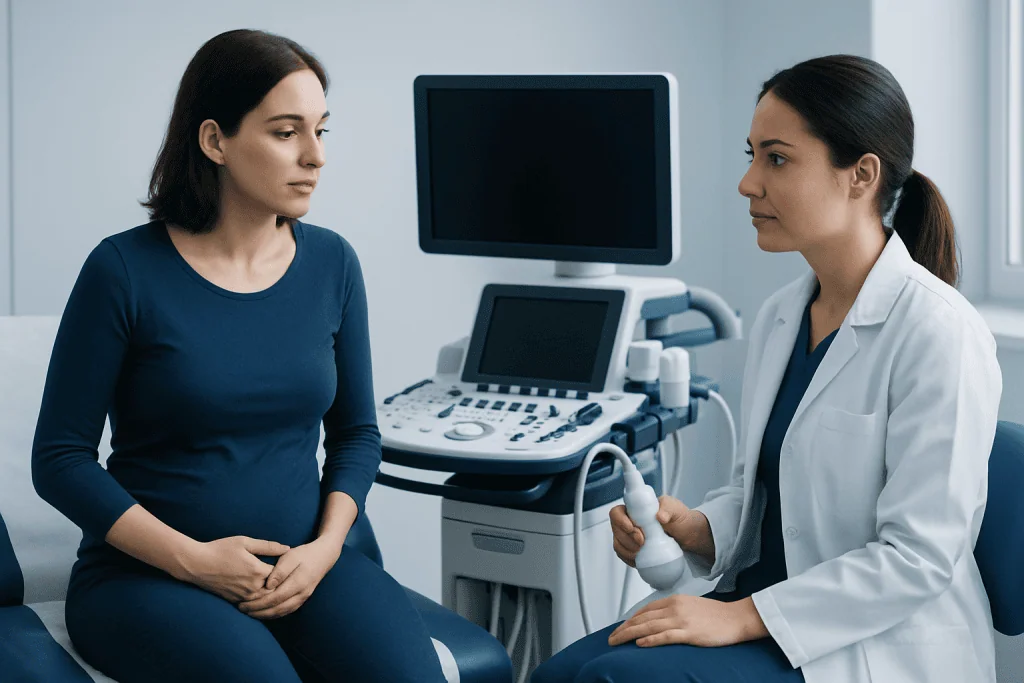
The most common symptom of PCOS is irregular menstrual bleeding. Periods may come infrequently, be unpredictable, or be absent for months. Some people have heavy bleeding when periods do occur, especially after long gaps between cycles. These patterns often reflect irregular ovulation, meaning the ovary does not release an egg consistently.
PCOS may also cause signs related to higher androgen levels. These can include persistent acne, oily skin, increased hair growth on the face, chest, abdomen, or back, and thinning hair on the scalp. The degree of these symptoms varies and may be influenced by genetics, ethnicity, and individual hormone sensitivity.
Other features can include difficulty with weight management, darkened velvety patches of skin in areas such as the neck or underarms, and skin tags. These may be related to insulin resistance, a situation in which the body needs more insulin than usual to keep blood sugar in a healthy range. Some people also experience mood symptoms, sleep difficulties, or reduced confidence related to visible symptoms.
PCOS can affect fertility because ovulation may be less frequent. However, many people with PCOS can become pregnant, sometimes with lifestyle changes, ovulation-supporting medication, or fertility treatment. Symptoms should be discussed with a qualified clinician because several other conditions can resemble PCOS.
Causes and Risk Factors
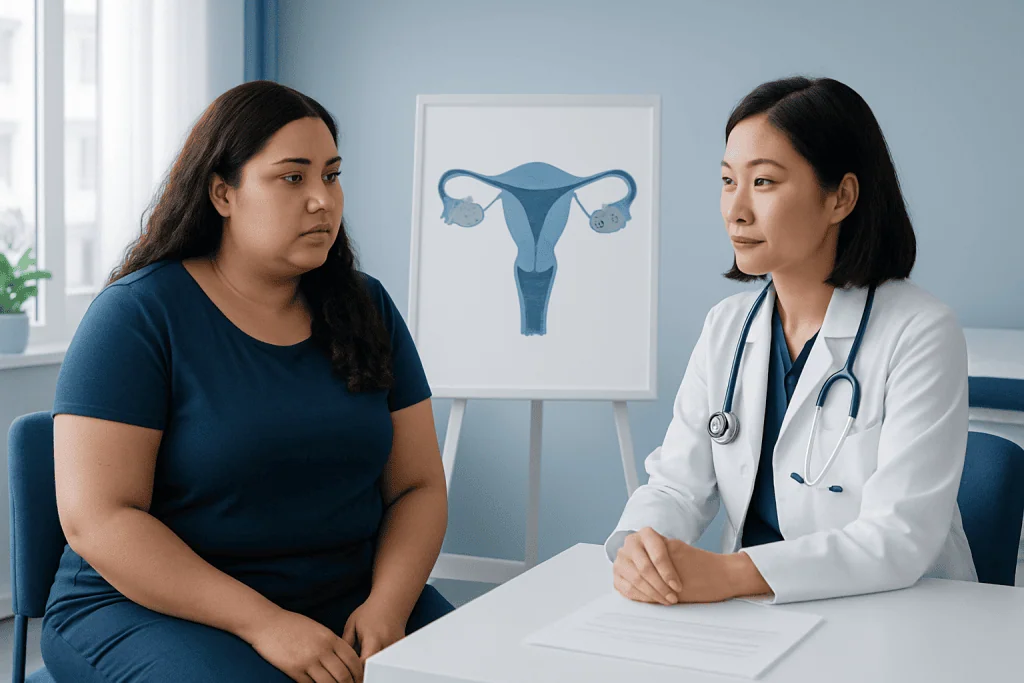
The exact cause of PCOS is not fully understood. It is considered a complex condition influenced by genetics, hormone signaling, insulin metabolism, and environmental factors. PCOS often runs in families, suggesting that inherited factors can play a role, although there is no single gene that explains all cases.
Insulin resistance is an important feature in many people with PCOS. When the body is less responsive to insulin, the pancreas produces more insulin to maintain blood sugar control. Higher insulin levels can encourage the ovaries to produce more androgens, which may contribute to irregular ovulation, acne, and excess hair growth.
Risk factors and associated features may include:
- A family history of PCOS or type 2 diabetes
- Irregular periods beginning soon after puberty and continuing over time
- Higher body weight, although PCOS can occur at any body size
- Signs of insulin resistance, such as darkened skin patches
- Metabolic concerns, including elevated blood sugar, cholesterol, or blood pressure
It is important to avoid blaming the individual. PCOS is not caused by a lack of willpower or a single lifestyle choice. Healthy habits can improve symptoms and risks, but the condition has biological roots and often requires medical guidance.
Diagnosis
Diagnosis begins with a detailed medical history and physical examination. The doctor may ask about menstrual patterns, acne, hair growth, weight changes, medications, family history, and pregnancy plans. A respectful examination may include assessment of blood pressure, body mass index, skin findings, and signs of androgen excess.
Many clinicians use diagnostic criteria that consider three main features: irregular or absent ovulation, clinical or blood-test evidence of elevated androgens, and polycystic ovarian appearance on ultrasound. Typically, a diagnosis can be made when two of these features are present and other possible causes have been excluded. In adolescents, diagnosis is more cautious because irregular cycles and acne can be common in the first years after puberty.
Blood tests may be recommended to measure hormones and screen for related health risks. These may include tests for androgens, thyroid function, prolactin, and sometimes adrenal hormones, depending on symptoms. Metabolic screening may include fasting glucose, HbA1c, cholesterol levels, and liver health tests when appropriate.
Pelvic ultrasound may be used to look at ovarian appearance and the uterine lining. However, ultrasound is not always required, especially if symptoms and hormone findings are clear. The key is to evaluate the whole person rather than relying on a single test.
Treatment Options
Treatment for PCOS depends on the person’s priorities. Some people mainly want predictable periods, while others seek help for acne, unwanted hair growth, fertility, or metabolic health. Because PCOS affects several body systems, care may involve gynecology, endocrinology, dermatology, nutrition, and fertility specialists.
For people not currently trying to become pregnant, hormonal contraceptives are commonly used to regulate bleeding, reduce androgen-related symptoms, and protect the uterine lining from prolonged unopposed estrogen. Other medications may be considered for excess hair growth or acne, but they require medical supervision and are not suitable for everyone, especially during pregnancy planning.
If pregnancy is desired, the treatment approach changes. The doctor may first address general health, cycle patterns, and metabolic factors. Medications that support ovulation may be recommended when appropriate, and referral to a fertility specialist may help if pregnancy does not occur after initial treatment or if additional fertility factors are present.
For insulin resistance or elevated blood sugar risk, clinicians may recommend lifestyle measures and, in selected cases, medications that improve insulin sensitivity. Treatment is individualized, and regular follow-up helps ensure that the plan remains safe and effective as symptoms, goals, and life stage change.
Metabolic Risks and Long-Term Health
PCOS is not only a reproductive condition. It is also linked with metabolic risk factors, particularly insulin resistance. Over time, some people with PCOS have a higher chance of developing impaired glucose tolerance, type 2 diabetes, abnormal cholesterol levels, high blood pressure, or fatty liver disease. These risks vary and are influenced by family history, body composition, lifestyle, and other health conditions.
Irregular or absent periods can also affect the uterine lining. When ovulation does not occur regularly, progesterone levels may be lower, and the lining may build up for longer than usual. In some people, this can increase the risk of endometrial overgrowth. Regulating periods or inducing periodic bleeding under medical guidance can help protect the lining.
Emotional wellbeing is also part of long-term care. Visible symptoms such as acne, hair growth, or scalp thinning may affect self-image, and chronic symptoms can feel frustrating. Anxiety, low mood, and disordered eating patterns may occur in some individuals. Supportive, nonjudgmental care is important.
Regular check-ups allow clinicians to monitor blood pressure, blood sugar, cholesterol, menstrual patterns, and treatment side effects. The goal is not only symptom relief but also prevention and early management of related health risks.
Prevention and Self-Care
There is no proven way to prevent PCOS itself, especially when genetic and hormonal factors are involved. However, self-care can significantly improve symptoms and reduce metabolic risks. Small, sustainable changes are usually more effective than restrictive or short-term approaches.
A balanced eating pattern can support insulin sensitivity and overall health. This often includes regular meals, high-fiber carbohydrates, vegetables, fruits, lean proteins, healthy fats, and limiting highly processed foods and sugary drinks. No single “PCOS diet” works for everyone, and a registered dietitian can help tailor advice to cultural preferences, budget, and medical needs.
Regular physical activity can improve insulin sensitivity, cardiovascular fitness, mood, and energy levels. A combination of aerobic exercise, strength training, and less sedentary time is often helpful. Sleep quality and stress management also matter because sleep disruption and chronic stress may worsen appetite regulation, mood, and metabolic health.
Self-care also includes tracking menstrual cycles, noting changes in symptoms, and attending recommended screenings. People should avoid unverified supplements or extreme diets without medical advice, as some products may interact with medications or be unsafe during pregnancy planning.
When to See a Doctor
A doctor should be consulted if periods are often more than 35 days apart, absent for several months, very heavy, or associated with significant pain. Medical advice is also appropriate for persistent acne, excess facial or body hair, scalp hair thinning, or difficulty becoming pregnant. Early evaluation helps identify PCOS or other treatable conditions.
Prompt care is recommended if there are rapidly worsening androgen-related symptoms, such as sudden severe hair growth or voice deepening, because these are not typical for routine PCOS and need further assessment. People with symptoms of high blood sugar, such as unusual thirst, frequent urination, or unexplained fatigue, should also seek medical evaluation.
Ongoing follow-up is important after diagnosis, even when symptoms feel manageable. Treatment may need adjustment over time, especially with changes in weight, pregnancy plans, medication use, or age. Patients should feel comfortable asking questions and discussing priorities, including menstrual health, skin concerns, fertility, and emotional wellbeing.
Acibadem International’s multidisciplinary specialists and JCI-accredited hospitals diagnose and treat PCOS for international patients, including assessment of hormonal, reproductive, dermatologic, and metabolic aspects of the condition. A qualified clinician can help create a personalized plan based on medical findings and individual goals.
Frequently asked questions
What is PCOS?
PCOS, or polycystic ovary syndrome, is a hormonal and metabolic condition that can affect ovulation, menstrual cycles, skin, hair growth, and blood sugar regulation. It is not simply the presence of ovarian cysts, and symptoms can vary widely.
Can someone have PCOS with regular periods?
Yes, it is possible, although irregular periods are one of the common features. Some people ovulate regularly but still have androgen-related symptoms or metabolic concerns. A doctor can assess the full pattern of symptoms and test results.
Does PCOS always cause infertility?
No. PCOS can make ovulation less predictable, which may make it harder to conceive, but many people with PCOS become pregnant. If pregnancy is desired, medical care can help identify ovulation patterns and offer treatment when needed.
Is weight loss required to treat PCOS?
PCOS can occur at any body size, and treatment should not focus only on weight. For some people, modest weight reduction may improve cycles and insulin resistance, but healthy habits, symptom treatment, and metabolic screening are important for everyone.
How is PCOS diagnosed?
Diagnosis is based on medical history, examination, and tests that may assess ovulation, androgen levels, and ovarian appearance. Doctors also check for other conditions that can mimic PCOS, such as thyroid disorders, high prolactin, or adrenal hormone problems.
Can PCOS be cured?
PCOS is usually a long-term condition rather than something that is permanently cured. However, symptoms can often be well managed, and regular care can reduce the risk of metabolic complications.
What lifestyle changes help with PCOS?
A balanced eating pattern, regular physical activity, good sleep, and stress management can support hormone and metabolic health. The best plan is realistic and sustainable, and medical professionals can help adapt it to the individual’s needs.
References
- World Health Organization
- Endocrine Society
- American College of Obstetricians and Gynecologists
- European Society of Human Reproduction and Embryology
- National Institute for Health and Care Excellence
This article is for general information only and is not a substitute for professional medical advice. Please consult a qualified doctor about your individual situation.
Hair transplant in Turkey — costs, graft counts & a free assessment
JCI-accredited · board-certified surgeons · reply within 24h
Add us as a Preferred Source to see more of our trusted health content across Google Search, AI Overviews and Discover.
Check your numbers in seconds
BMI, calories, due date, blood pressure and 30+ more clinical calculators — free, instant, doctor-reviewed ranges.

More from the Health Library



Related Specialists
Assoc. Prof. Dr. Kayahan Karaytuğ
Orthopedic Surgery & Traumatology
Dyt. Eylül Çarpar
Nutrition & Diet
Dr. Onur Öztürk
Neurosurgery
Dr. Zühre Esra Kıvanç
Inpatient Clinic Physicians Clinical Service