Pcp Drugs: An Evidence-Based Guide for Patients

PCP, also called phencyclidine, is an illegal dissociative drug with unpredictable short- and long-term effects. People may experience detachment from reality, confusion, agitation, hallucinations, poor coordination, or dangerously reduced awareness of pain.
Key Takeaways
- PCP, also called phencyclidine, is an illegal dissociative drug with unpredictable short- and long-term effects.
- People may experience detachment from reality, confusion, agitation, hallucinations, poor coordination, or dangerously reduced awareness of pain.
- There is no home treatment for suspected PCP intoxication; urgent medical assessment is important, especially with severe agitation, overheating, seizures, or reduced consciousness.
- Recovery may involve emergency stabilization, mental health support, and evidence-based treatment for substance use.
- A calm, safe response and early professional help can reduce the risk of injury and support recovery.
PCP drugs refer to phencyclidine and related dissociative substances that alter perception, mood, and behavior. Their unpredictable effects can lead to injuries, severe agitation, psychosis, and medical emergencies, but effective emergency care and ongoing substance-use treatment are available.
What are PCP drugs?
PCP drugs usually refer to phencyclidine, a synthetic drug originally developed as an anesthetic. It is no longer used for routine medical anesthesia because of serious psychological and neurological side effects. PCP is also known by names such as angel dust, and it belongs to a group of substances called dissociative drugs.
Dissociative drugs can create a feeling of being separated from one’s body, surroundings, thoughts, or emotions. PCP can also affect judgment, movement, pain perception, and awareness. Its effects vary greatly between people and situations, making use especially risky.
PCP may be found as a white powder, tablet, capsule, or liquid. It may be smoked, swallowed, snorted, or used in other ways. In unregulated drug markets, a person may not know whether a product contains PCP, how strong it is, or whether it has been mixed with other substances.
How PCP affects the brain and body
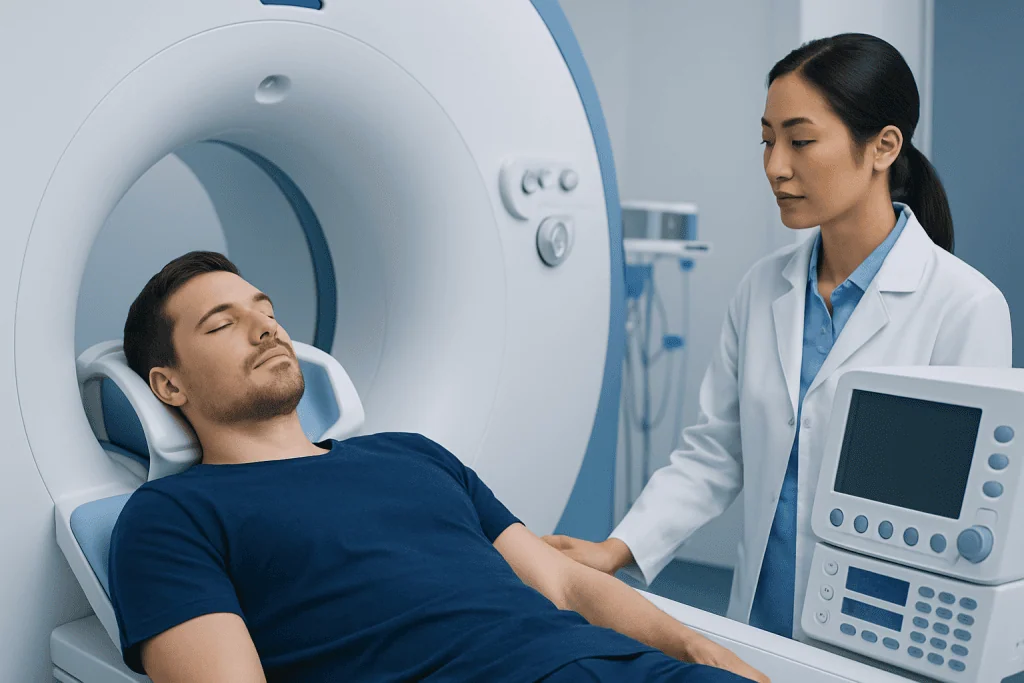
PCP changes signaling in the brain, including pathways involved in perception, memory, mood, and movement. At lower amounts, a person may feel detached, numb, unusually strong, anxious, or confused. At higher amounts, PCP can cause severe disorientation, hallucinations, paranoia, agitation, and loss of contact with reality.
Because it can reduce the perception of pain while impairing coordination and judgment, PCP can increase the chance of falls, road traffic injuries, burns, violence, or other accidental harm. The substance may also raise heart rate, blood pressure, and body temperature. These physical effects can become serious, particularly during intense agitation or prolonged activity.
Effects may begin quickly and can last for hours. However, confusion, low mood, anxiety, sleep problems, or changes in thinking may persist longer for some people. Combining PCP with alcohol, opioids, stimulants, sedatives, or other drugs makes effects more difficult to predict and may increase the risk of breathing problems, loss of consciousness, or injury.
Possible signs and symptoms of PCP use

PCP intoxication can look very different from one person to another. Some people become quiet, withdrawn, and poorly responsive, while others become intensely restless or frightened. A person may not recognize that their perceptions or behavior have changed.
Possible signs include:
- Confusion, disorientation, or difficulty speaking clearly
- Hallucinations, paranoia, panic, or unusual beliefs
- Agitation, impulsive behavior, or aggression
- Feeling detached from the body or surroundings
- Poor balance, unsteady walking, or involuntary eye movements
- Numbness, reduced pain awareness, sweating, or increased body temperature
- Fast heartbeat, elevated blood pressure, or muscle stiffness
Severe intoxication may lead to seizures, dangerously high body temperature, abnormal heart rhythms, coma, or breathing difficulties. A person who appears unusually strong or aggressive is still medically vulnerable and should be approached with care rather than confrontation.
Risks of repeated use and dependence
Repeated PCP use can interfere with daily life, relationships, work, study, and safety. Some people develop tolerance, meaning they need more of the substance to achieve the same effects. Others continue using despite harmful consequences, which may indicate a substance use disorder.
Longer-term or frequent use may be associated with memory and concentration difficulties, depressed mood, anxiety, irritability, and episodes of psychosis. People with a personal or family history of mental health conditions may be particularly vulnerable to distressing psychiatric symptoms. Persistent symptoms should be assessed by a qualified clinician, as they may have several possible causes.
Stopping PCP after repeated use can bring cravings, low mood, anxiety, sleep disturbance, and other emotional symptoms. Although withdrawal experiences differ, professional support can make recovery safer and more manageable. Substance use is a health issue, and compassionate, nonjudgmental care is important.
How PCP intoxication is diagnosed and treated
In an emergency setting, clinicians assess breathing, circulation, temperature, level of consciousness, injuries, and mental state. Diagnosis is usually based on symptoms, available history, and examination findings. Drug testing may be used in selected situations, but it does not replace clinical assessment and can have limitations.
There is no specific antidote that reverses PCP in every case. Treatment focuses on protecting the person and those around them, providing a quiet low-stimulation environment when possible, monitoring vital signs, treating overheating or dehydration, and managing severe agitation, seizures, or other complications. Medical teams also evaluate for trauma and for substances taken at the same time.
After the immediate effects have settled, follow-up may include mental health assessment and support for substance use. Care can involve counseling, behavioral therapies, peer support, family involvement when appropriate, and treatment for co-occurring anxiety, depression, or other conditions. Substance use disorder care is individualized and should address both physical and emotional wellbeing.
Reducing harm and supporting recovery
The safest option is not to use PCP or unknown substances. People who are concerned about their own use can speak with a doctor, addiction specialist, or mental health professional. Seeking help early can reduce the risk of medical, legal, family, and social consequences.
If someone may be intoxicated, it is helpful to remain calm, reduce noise and crowding, and keep a safe distance if they are confused or agitated. Avoid arguing about what they are seeing or feeling, attempting to restrain them without trained assistance, or giving them alcohol, sedatives, food, or drinks. Do not leave an impaired person alone, drive them somewhere, or allow them to drive.
Recovery plans may include therapy, relapse-prevention strategies, support groups, and practical help with housing, work, relationships, or stress. A trusted friend or family member can encourage treatment, listen without blame, and help the person attend appointments. Acibadem International’s multidisciplinary specialists and JCI-accredited hospitals can assess substance-related health concerns and coordinate care for international patients.
When to seek medical care
Emergency medical help is needed immediately if a person who may have used PCP has trouble breathing, loses consciousness, has a seizure, develops chest pain, becomes severely overheated, or has a serious injury. Emergency assessment is also important when there is extreme agitation, violent behavior, severe confusion, hallucinations that create immediate danger, or concern about self-harm or harm to others.
While waiting for emergency services, protect the person from traffic, heights, sharp objects, and other hazards if this can be done safely. Give responders any information available about substances used, timing, medical conditions, and medicines. This information is used to guide treatment, not to judge the person.
A non-urgent medical appointment is appropriate for cravings, repeated use, mood changes, memory problems, sleep difficulties, or worries about someone else’s drug use. A clinician can discuss confidential support options and help create a practical next step toward recovery.
Frequently asked questions
What does PCP stand for?
PCP stands for phencyclidine, a dissociative drug that can alter perception, mood, awareness, and movement. It is sometimes called angel dust. PCP is not used routinely in modern medical care because of its serious adverse effects.
Are PCP drugs addictive?
PCP can lead to problematic repeated use and substance use disorder. A person may develop cravings, use despite harm, or struggle to reduce or stop use. Professional treatment can support recovery and address related mental health needs.
How long do PCP effects last?
The main effects often last several hours, but duration varies with the amount used, the route of use, individual health factors, and whether other substances were taken. Confusion, anxiety, mood changes, or impaired thinking may continue after the immediate intoxication has passed. Medical advice is important when symptoms are severe or persistent.
Can PCP cause psychosis?
Yes. PCP can cause hallucinations, paranoia, severe confusion, and behavior that appears psychotic during intoxication. In some people, especially after repeated use, psychological symptoms may last beyond the immediate drug effects. Urgent assessment is needed if there is danger, severe distress, or loss of touch with reality.
What should someone do if a friend has taken PCP?
Call emergency services if the person is unconscious, having seizures, struggling to breathe, severely overheated, dangerously agitated, or at risk of harming themselves or others. Keep the setting as calm and safe as possible, avoid confrontation, and do not try to manage severe behavior alone. Share any known information about substance use with medical responders.
Is there a medication that reverses PCP?
There is no single medication that specifically reverses PCP intoxication in all cases. Emergency treatment focuses on monitoring, calming the environment, and treating complications such as agitation, seizures, overheating, or injuries. Ongoing treatment can help with substance use and mental health symptoms after the emergency has passed.
References
- National Institute on Drug Abuse
- Substance Abuse and Mental Health Services Administration
- MedlinePlus
- Merck Manual Consumer Version
- World Health Organization
This article is for general information only and is not a substitute for professional medical advice. Please consult a qualified doctor about your individual situation.
Explore treatments in Turkey — costs, top hospitals & a free quote
JCI-accredited · board-certified surgeons · reply within 24h
Add us as a Preferred Source to see more of our trusted health content across Google Search, AI Overviews and Discover.
Check your numbers in seconds
BMI, calories, due date, blood pressure and 30+ more clinical calculators — free, instant, doctor-reviewed ranges.

More from the Health Library

Trauma Bonding — Explained by Medical Evidence, Not Myths

Electrolyte Drinks — Explained by Medical Evidence, Not Myths

Peripheral Vision — Explained by Medical Evidence, Not Myths

Sebum — Explained by Medical Evidence, Not Myths

Fludrocortisone — Explained by Medical Evidence, Not Myths