Pea Sized Lump in Groin Female: A Complete Medical Overview

Small groin lumps are often related to lymph nodes, skin irritation, cysts, or local infections. The precise location matters: a lump in the groin crease may differ from one on the vulva or near the vaginal opening.
Key Takeaways
- Small groin lumps are often related to lymph nodes, skin irritation, cysts, or local infections.
- The precise location matters: a lump in the groin crease may differ from one on the vulva or near the vaginal opening.
- Do not squeeze, puncture, or attempt to drain a lump at home.
- A clinician can often identify the likely cause through history and examination, with ultrasound or other tests used when needed.
- Prompt assessment is important for a painful, rapidly growing, hard, fixed, or persistent lump, or one accompanied by fever or unexplained weight loss.
A pea-sized lump in the groin in a female is commonly caused by a temporarily swollen lymph node, an ingrown hair, a skin cyst, or a blocked gland near the vaginal opening. Many causes are not serious, but the lump should be checked by a qualified clinician if it lasts longer than a few weeks, grows, feels hard or fixed, or occurs with concerning symptoms.
Overview: What Can a Pea-Sized Groin Lump Mean?
A pea sized lump in groin female may be felt in the crease where the leg meets the pelvis, in the skin of the pubic area, or closer to the outer vaginal tissues. The most likely cause depends on its exact position, whether it is tender, how long it has been present, and whether there are other symptoms such as a rash, discharge, fever, or a recent skin injury.
One common explanation is an enlarged inguinal lymph node. Lymph nodes are small immune-system structures that can temporarily swell while the body responds to an infection or inflammation in the legs, lower abdomen, genital area, or urinary tract. Other possible causes include an ingrown hair, a cyst, an abscess, a blocked Bartholin gland, a hernia, or less commonly a growth that needs further assessment.
It is understandable to feel concerned after finding a new lump. However, size alone does not determine whether a lump is serious. A healthcare professional can assess its location and characteristics and decide whether observation, treatment, imaging, or referral is appropriate.
Location and Features Can Offer Useful Clues
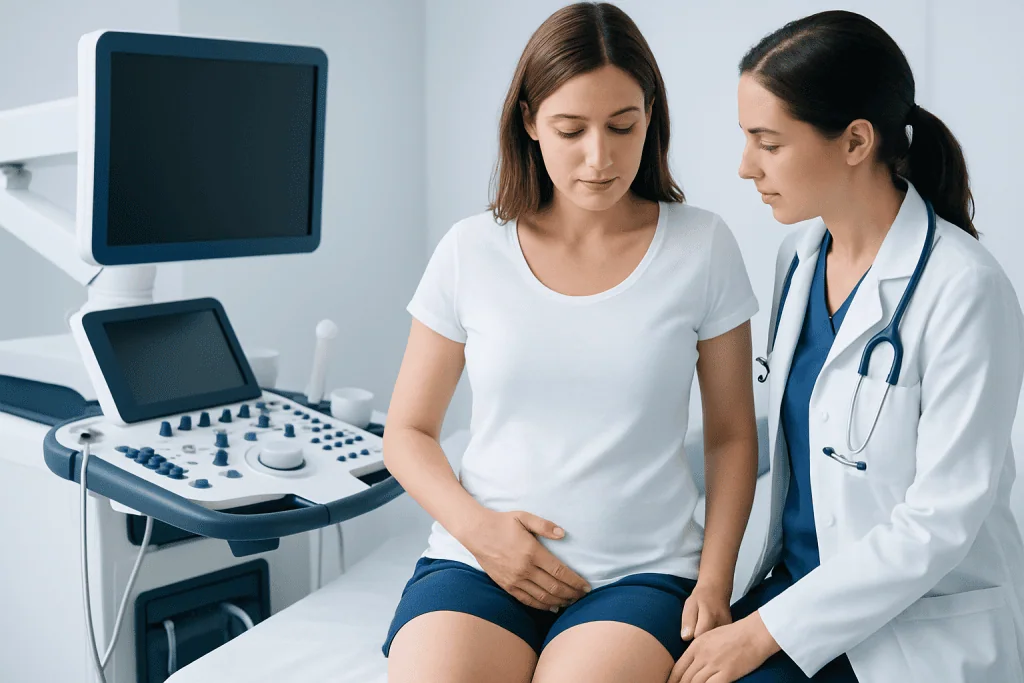
A lump in the groin crease, especially one beneath normal-looking skin, may be a lymph node. It may feel oval, rubbery, and slightly movable under the fingers. Lymph nodes can become tender during or soon after infections, including a minor cut on the leg, an insect bite, athlete’s foot, genital skin irritation, or some sexually transmitted infections.
A lump that sits within the hair-bearing skin of the pubic area may be related to a blocked hair follicle, ingrown hair, folliculitis, or an epidermoid cyst. These lumps may be sore, red, warm, or have a visible central pore. Recurrent painful boil-like lumps in the groin or under the arms can sometimes be associated with hidradenitis suppurativa, an inflammatory skin condition that deserves medical assessment.
A swelling on one side of the vaginal opening may be a Bartholin gland cyst. The Bartholin glands help lubricate the vaginal opening; if a duct becomes blocked, a lump can develop. A cyst may be painless when small, while an infected cyst or abscess can become very painful and cause redness, swelling, or difficulty walking or sitting.
A groin bulge that becomes more noticeable when standing, coughing, lifting, or straining may be a hernia. Unlike a skin lump or lymph node, a hernia involves tissue pushing through a weak area in the abdominal wall. Although less common in women than in men, it should be evaluated because some hernias need treatment.
Common Causes and Risk Factors

Reactive lymph nodes are among the most frequent reasons for a small groin lump. They may enlarge after bacterial, viral, fungal, or inflammatory conditions affecting areas that drain to the groin lymph nodes. These include skin infections of the foot or leg, urinary or genital infections, and inflammation following shaving, waxing, or friction from clothing.
Skin-related lumps are more likely when there has been hair removal, sweating, tight clothing, friction, or a history of acne-like skin problems. Cysts can form when skin cells, oil, or keratin become trapped under the skin. They are often benign, but they can become inflamed or infected.
Sexually transmitted infections can occasionally cause swollen groin lymph nodes, genital sores, discharge, pain during urination, or pelvic discomfort. Not every infection causes obvious symptoms, so testing may be recommended based on a person’s symptoms, sexual history, and examination findings. Seeking care is a practical step and does not imply any diagnosis.
Less commonly, a persistent enlarged lymph node or lump can be linked to cancer affecting the skin, vulva, cervix, blood, lymphatic system, or another area of the body. This is not the usual explanation for a small lump, but it is one reason persistent or unexplained lumps should not be ignored.
How Clinicians Assess a Groin Lump
A clinician will usually begin by asking when the lump was noticed, whether it has changed in size, and whether there is pain, fever, recent illness, skin injury, vaginal symptoms, urinary symptoms, or changes in general health. They may also ask about medications, menstrual and pregnancy history where relevant, recent travel, and sexual health in a respectful and confidential way.
During an examination, the clinician may assess the lump’s size, texture, mobility, tenderness, and the appearance of the surrounding skin. They may examine the legs, lower abdomen, external genital area, and nearby lymph nodes to look for a potential source of inflammation or infection. A pelvic examination is not always needed, but it may be recommended when a lump appears to be near the vaginal opening or there are gynecological symptoms.
If the cause is not clear, an ultrasound can help distinguish a lymph node, cyst, abscess, hernia, or other type of tissue mass. Depending on the findings, clinicians may also arrange blood tests, urine testing, swabs, sexually transmitted infection testing, or further imaging. Rarely, a sample of fluid or tissue may be taken when a lump remains unexplained or has concerning features.
Treatment Options Depend on the Cause
Treatment is directed at the underlying cause rather than the lump alone. A small reactive lymph node may only need monitoring while the triggering infection or skin irritation settles. If a bacterial infection is suspected, a clinician may recommend appropriate treatment. Antibiotics are not useful for every swollen lymph node and should only be taken when prescribed.
For ingrown hairs or mild follicle inflammation, gentle skin care, avoiding further shaving or waxing until the area heals, and reducing friction may help. A clinician may advise topical or oral treatment if there is significant inflammation or infection. A painful abscess may require a medical drainage procedure; attempting to pop or lance it at home can worsen infection and scarring.
A Bartholin cyst that is small and not bothersome may be observed. If it is painful, infected, recurrent, or persistent, treatment may include drainage or a small procedure to help prevent the gland duct from closing again. A suspected hernia may be monitored or referred for surgical assessment according to its type, symptoms, and risk of complications.
If testing identifies an infection, including a sexually transmitted infection, treatment and partner advice will be tailored to the diagnosis. Follow-up is important when a lump does not improve as expected, even if an initial cause seemed likely.
Self-Care While Arranging an Assessment
It is best not to repeatedly press or check the lump throughout the day, as frequent handling can irritate the area and make tenderness harder to interpret. A person may note when it was first noticed, its approximate size, and whether it changes over time. This information can be useful during a medical appointment.
Keeping the area clean and dry, wearing loose breathable underwear, and avoiding shaving or waxing over an irritated area may reduce further friction. Warm compresses can be soothing for some minor skin-related lumps, but they should not be used to delay care for a painful, spreading, or infected-looking swelling. Over-the-counter pain relief may be appropriate for some people, but a pharmacist or clinician can advise based on individual health conditions and medicines.
Do not squeeze, puncture, cut, or try to drain a groin lump. Avoid using leftover antibiotics, strong antiseptics, or unprescribed creams on genital skin. If there is a possibility of a sexually transmitted infection, avoiding sexual contact until medical advice and any testing are completed can help protect both the individual and partners.
When to Seek Medical Care
A non-urgent medical appointment is appropriate for any new groin lump that does not start to improve within two to four weeks, recurs, enlarges, or has no clear explanation. Assessment is also recommended for a lump that is hard, fixed in place, painless but persistent, or associated with ongoing fatigue, drenching night sweats, unexplained weight loss, or widespread swollen lymph nodes.
More prompt medical care is needed if the area becomes very painful, red, hot, rapidly larger, or drains pus, especially if there is fever or feeling unwell. Urgent assessment is also important for a groin bulge with severe pain, vomiting, abdominal swelling, or inability to pass stool or gas, as these symptoms can indicate a hernia complication.
Anyone with genital sores, unusual discharge, pain when urinating, pelvic pain, or concern about a possible sexually transmitted infection should arrange confidential medical evaluation. Acibadem International’s multidisciplinary specialists and JCI-accredited hospitals can assess groin lumps and related gynecological, dermatological, infectious, and surgical concerns for international patients.
Frequently asked questions
Is a pea-sized lump in the female groin usually a swollen lymph node?
It can be. Groin lymph nodes may swell in response to infections or inflammation in the legs, feet, lower abdomen, urinary tract, or genital area. A clinician can help distinguish a lymph node from a skin cyst, blocked gland, hernia, or other lump.
Can shaving cause a lump in the groin?
Yes. Shaving or waxing can irritate hair follicles and contribute to ingrown hairs, folliculitis, or small inflamed cysts. These often occur in hair-bearing skin and may be tender, red, or centered around a hair follicle.
What does a Bartholin cyst feel like?
A Bartholin cyst usually causes a lump on one side of the vaginal opening rather than deep in the groin crease. Small cysts may be painless, but an infected cyst can become tender, red, and painful enough to make sitting or walking uncomfortable.
How long can a swollen groin lymph node last?
A lymph node may remain enlarged for several weeks after an infection or skin irritation has improved. It should be assessed if it continues to enlarge, does not begin to settle within a few weeks, feels hard or fixed, or is accompanied by other concerning symptoms.
Should a groin lump be squeezed or massaged?
No. Squeezing, puncturing, or repeatedly massaging a lump can increase irritation, introduce infection, or delay proper diagnosis. It is safer to have a painful, inflamed, or persistent lump examined by a healthcare professional.
Can a groin lump be cancer?
Cancer is a less common cause of a small groin lump, but persistent or unexplained lumps should be checked. Features such as progressive enlargement, a hard or fixed texture, or symptoms including unexplained weight loss or night sweats warrant timely medical review.
References
- National Health Service
- Mayo Clinic
- American College of Obstetricians and Gynecologists
- Centers for Disease Control and Prevention
- Merck Manual Consumer Version
This article is for general information only and is not a substitute for professional medical advice. Please consult a qualified doctor about your individual situation.
Hair transplant in Turkey — costs, graft counts & a free assessment
JCI-accredited · board-certified surgeons · reply within 24h
Add us as a Preferred Source to see more of our trusted health content across Google Search, AI Overviews and Discover.

More from the Health Library



Related Specialists

Prof. Dr. Meltem Serin
Radiation Oncology
Fzt. Mert Vural
Physical Medicine & Rehabilitation
Prof. Dr. Mehmet Ada
Otorhinolaryngology
Prof. Dr. Necmettin Pamir
Neurosurgery