Pediatric Specialist Malden: An Evidence-Based Patient Guide

Pediatric care includes routine checkups, vaccinations, growth and development assessment, and care for acute illnesses. A primary care pediatrician can coordinate referrals to pediatric subspecialists when a child needs more focused evaluation or treatment.
Key Takeaways
- Pediatric care includes routine checkups, vaccinations, growth and development assessment, and care for acute illnesses.
- A primary care pediatrician can coordinate referrals to pediatric subspecialists when a child needs more focused evaluation or treatment.
- Families can prepare for visits by bringing medical records, a medication list, vaccination history, and questions about symptoms or development.
- Urgent symptoms such as trouble breathing, seizures, severe dehydration, or a child who is difficult to wake require prompt medical assessment.
- Online reviews may be useful for practical details, but clinician credentials, access to care, and communication are also important factors.
A pediatric specialist in Malden can help children receive preventive care, developmental monitoring, diagnosis of common illnesses, and referral for complex needs. The most suitable clinician is one whose training, availability, communication style, and care network match the child’s age, health needs, and family preferences.
Overview: finding a pediatric specialist in Malden
A pediatric specialist Malden search usually reflects a family’s need for dependable, age-appropriate healthcare for an infant, child, or teenager. A pediatrician provides primary care, including well-child appointments, vaccinations, developmental surveillance, treatment of many routine illnesses, and guidance on nutrition, sleep, behavior, and safety. For children with more complex or specific concerns, the pediatrician can help coordinate care with a pediatric subspecialist.
Families looking for a pediatrician in Malden MA may compare office location, appointment availability, insurance participation, clinician qualifications, language support, after-hours advice, and links to local hospitals or specialty services. The best choice is individualized: a healthy newborn’s needs may differ from those of a school-aged child with asthma, recurring ear infections, developmental concerns, or a chronic condition.
The phrases Pediatric Associates of Malden PC, Pediatric Associates of Malden MA, and Pediatric Associates of Malden Boston Children’s Primary Care Alliance Commercial Street Malden MA may appear in local searches. Families should confirm current practice details directly with the office or health plan, as affiliations, clinicians, addresses, and policies can change over time.
What pediatric primary and specialty care includes
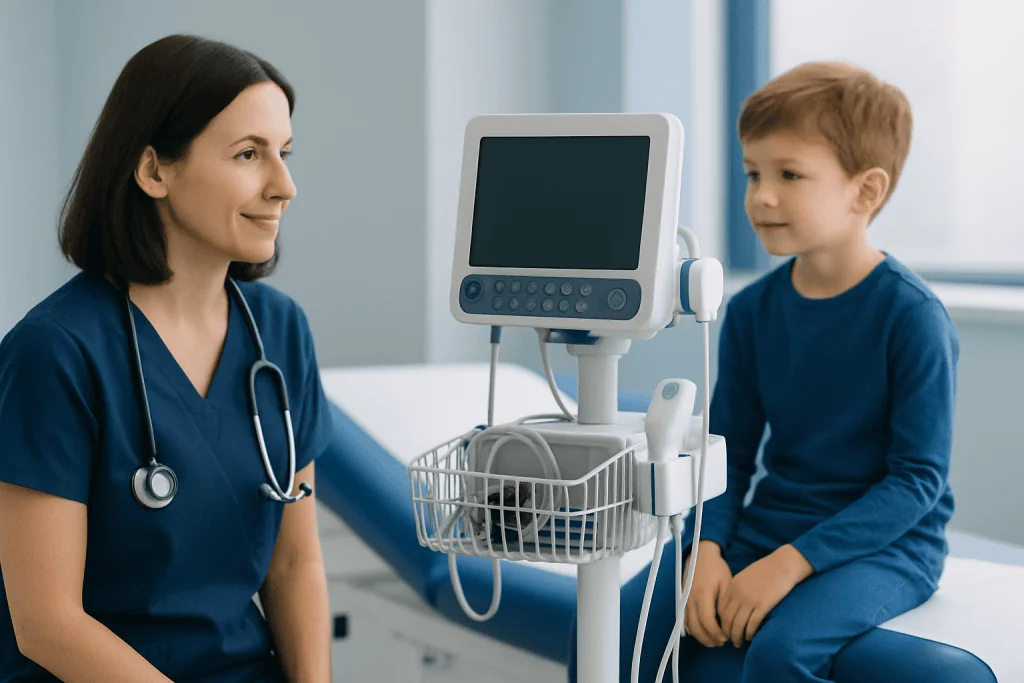
Pediatric primary care is designed around a child’s changing physical, emotional, and developmental needs. Preventive visits commonly include measurement of height and weight, review of feeding or nutrition, discussion of sleep and activity, age-appropriate developmental screening, vision or hearing checks when indicated, and recommended immunizations. The clinician also considers family health history, school concerns, mental well-being, and social factors that may affect health.
A pediatric specialist has additional training in a defined area, such as cardiology, endocrinology, gastroenterology, neurology, pulmonology, infectious diseases, or developmental-behavioral pediatrics. A referral does not necessarily mean that a child has a serious condition. It may be a practical way to obtain targeted testing, interpretation of a complex symptom pattern, or a management plan for a confirmed diagnosis.
Common reasons for referral include persistent breathing symptoms, poor growth, recurrent infections, frequent headaches, ongoing abdominal pain, seizures, suspected allergies, developmental differences, or concerns about puberty. The primary pediatrician remains an important coordinator, helping ensure that recommendations from different clinicians fit together.
How to choose a pediatric clinician or specialist

Families may begin by verifying that a clinician is licensed and board-certified or board-eligible in pediatrics, and by checking whether the office accepts their insurance plan. It is helpful to ask about same-day sick visits, evening or weekend coverage, how urgent calls are handled, access to the patient portal, interpreter services, and whether families can speak with a nurse for routine questions.
For specialty care, the key questions are why the referral is needed, what records or test results should be sent ahead, and whether a pediatric-specific service is available. Children are not simply smaller adults: pediatric teams tailor communication, examination techniques, testing decisions, and treatment plans to age, growth, development, and family circumstances.
Searches for Pediatric Associates of Malden Boston Children’s Primary Care Alliance reviews may help families identify patterns in patient experience, such as scheduling or communication. However, reviews are personal accounts and cannot measure clinical quality for every family. Direct conversations with the practice, recommendations from trusted clinicians, and confirmation of practical needs are equally valuable.
- Ask whether the clinician has experience with the child’s particular concern.
- Clarify how referrals, laboratory results, prescriptions, and follow-up are coordinated.
- Consider whether the child and caregiver feel listened to and able to ask questions.
- Check travel time and accessibility, especially if repeated appointments may be needed.
What happens at an appointment
A pediatric visit usually starts with a review of the reason for the appointment, current symptoms, medical history, medications, allergies, immunizations, and relevant family history. For a sick visit, the clinician may ask when symptoms began, what makes them better or worse, whether there has been fever, pain, vomiting, changes in breathing, urine output, appetite, energy, or behavior, and whether anyone else has been ill.
The physical examination is adapted to the child’s age and concern. It may include checking temperature, heart rate, breathing rate, blood pressure for appropriate ages, weight, height, oxygen level when needed, and examination of the ears, throat, lungs, heart, abdomen, skin, joints, or nervous system. The clinician should explain findings in understandable language and invite questions from both caregiver and child when appropriate.
Tests are not required for every symptom. When testing is useful, options can include swabs for infection, blood or urine testing, hearing or vision assessment, imaging, or developmental and behavioral screening tools. The clinician discusses the purpose of a test, what preparation is needed, and how results will be communicated. A follow-up plan should state what to monitor at home and when to seek reassessment.
Assessment, treatment planning, and referrals
In pediatric care, “treatment” may mean reassurance and observation, practical home-care guidance, medication, preventive vaccination, therapy, counseling, or referral to another clinician. The plan should reflect the likely diagnosis, the child’s age and weight, symptom severity, medical history, and family preferences. Caregivers should use medicines only as directed by a qualified clinician or pharmacist and should not give a child an adult medication unless specifically advised.
When a specialist is involved, evaluation often begins with a detailed history and focused examination. The specialist may review growth records, school reports, previous imaging, laboratory results, or symptom diaries. After assessment, they may recommend additional testing, changes to a current plan, therapy services, monitoring, or a procedure if clinically necessary. Families can ask about expected benefits, alternatives, possible side effects or risks, and what would prompt an earlier review.
Recovery after a routine consultation is immediate, although some tests or procedures have separate preparation and recovery instructions. If a child receives a new diagnosis or starts a longer-term care plan, follow-up may occur over weeks to months. Keeping appointments, recording symptoms, and sharing updates from school or other caregivers can make care more coordinated and effective.
Benefits, limits, and safety considerations
Regular pediatric care can support early identification of growth, developmental, behavioral, sensory, and physical health concerns. It also provides a trusted setting for preventive guidance and gives families a clear point of contact when their child becomes unwell. Appropriate specialty referral can add expertise for conditions that require focused assessment or ongoing monitoring.
No healthcare setting can prevent every illness or give an immediate answer to every symptom. Some problems evolve over time, and a clinician may recommend watchful waiting, follow-up, or repeat assessment rather than extensive testing at the first visit. This approach can be appropriate when a child appears well and there are no warning signs, but caregivers should understand when and how to seek further help.
Potential downsides of unnecessary testing can include discomfort, anxiety, false-positive results, and follow-up investigations that may not benefit the child. Shared decision-making helps balance these considerations. Caregivers should tell the team about allergies, previous reactions to medicines or procedures, existing diagnoses, and any concerns that make examination or testing difficult for the child.
Supporting a child’s health between visits
Daily routines can meaningfully support children’s health. Families can encourage varied, age-appropriate nutrition, regular movement and play, adequate sleep, hand hygiene, dental care, and consistent use of safety measures such as child restraints, helmets, and sun protection. Recommended vaccines remain an important way to reduce the risk of several serious infections; a pediatric clinician can address individual questions about the schedule.
For children with recurring symptoms, a simple record can be useful. Caregivers may note dates, triggers, foods, activities, sleep patterns, temperatures, medicines used, symptom severity, and response to treatment. This information can help a pediatrician or specialist recognize patterns without relying on memory alone.
Emotional health deserves the same attention as physical health. Changes in mood, anxiety, sleep, school engagement, friendships, eating, or behavior may warrant a conversation with the child’s pediatric clinician. Early, supportive discussion can help identify suitable resources for the child and family.
When to seek medical care
Parents and caregivers should contact a pediatric clinician promptly for symptoms that are persistent, worsening, or causing concern, including a fever in a young infant, dehydration, repeated vomiting, ongoing pain, a spreading rash, unexplained weight loss, breathing symptoms, or a significant change in behavior or alertness. It is also reasonable to seek advice when a child is not improving as expected after a diagnosed illness or treatment plan.
Emergency assessment is needed for severe trouble breathing, blue or gray lips or face, a seizure, loss of consciousness, serious injury, suspected poisoning, uncontrolled bleeding, signs of a severe allergic reaction, or a child who is difficult to wake or unusually unresponsive. Local emergency services should be contacted immediately in these situations.
For international families needing coordinated pediatric evaluation, Acibadem International’s multidisciplinary specialists and JCI-accredited hospitals provide diagnostic and treatment services for children, with care plans tailored to the child’s individual needs. A qualified pediatric clinician can help determine whether routine follow-up, urgent assessment, or a specialist referral is most appropriate.
Frequently asked questions
What does a pediatric specialist in Malden do?
A pediatric specialist evaluates and manages health concerns within a particular area of children’s medicine, such as heart, lung, digestive, hormonal, or neurological health. Most children first see a primary care pediatrician, who can decide whether specialist input would be helpful and coordinate the referral.
How is a pediatrician different from a pediatric specialist?
A pediatrician provides broad primary care from infancy through adolescence, including preventive visits and treatment of many common illnesses. A pediatric specialist has further training in a specific field and is usually consulted for a focused concern, complex symptoms, or a condition needing specialized management.
What should caregivers bring to a first pediatric appointment?
Useful items include the child’s vaccination record, medication and allergy list, previous medical records, insurance information, and notes about symptoms or concerns. For a specialty visit, families should also bring relevant test results, imaging reports, growth records, and referral information if available.
Can online reviews help choose a pediatric practice?
Reviews can provide insight into individual experiences with scheduling, office processes, communication, or convenience. They should be considered alongside clinician credentials, insurance coverage, access to urgent advice, hospital affiliations, and the family’s own discussion with the practice.
When should a child see a pediatric specialist?
A referral may be appropriate when symptoms persist, recur, are difficult to explain, or do not respond as expected to initial care. Examples include ongoing poor growth, recurrent breathing problems, concerning developmental changes, frequent severe headaches, or a suspected chronic condition.
When is urgent care needed for a child?
Urgent or emergency care is needed for severe breathing difficulty, seizures, unresponsiveness, blue or gray coloring of the lips or face, severe allergic reaction, uncontrolled bleeding, serious injury, or suspected poisoning. Caregivers should also seek prompt medical advice for a young infant with fever or a child with signs of significant dehydration.
References
- American Academy of Pediatrics
- Centers for Disease Control and Prevention
- National Institutes of Health
- HealthyChildren.org
- World Health Organization
This article is for general information only and is not a substitute for professional medical advice. Please consult a qualified doctor about your individual situation.
Explore treatments in Turkey — costs, top hospitals & a free quote
JCI-accredited · board-certified surgeons · reply within 24h
Add us as a Preferred Source to see more of our trusted health content across Google Search, AI Overviews and Discover.