Pentobarbital — Explained by Medical Evidence, Not Myths

Pentobarbital is a barbiturate sedative, not a routine first-choice medicine for common sleep or anxiety problems. Its medical uses are limited and usually carefully supervised because it can slow breathing and impair alertness.
Key Takeaways
- Pentobarbital is a barbiturate sedative, not a routine first-choice medicine for common sleep or anxiety problems.
- Its medical uses are limited and usually carefully supervised because it can slow breathing and impair alertness.
- Combining pentobarbital with alcohol, opioids, or other sedatives can be life-threatening.
- Possible problems include drowsiness, confusion, low blood pressure, dependence, withdrawal, and overdose.
- Anyone with unusual sleepiness, trouble breathing, confusion, or suspected overdose needs urgent medical care.
Pentobarbital is a barbiturate medicine that slows activity in the brain and nervous system. Today it is used far less often than in the past because it can cause strong sedation, breathing suppression, dependence, and dangerous overdose if misused.
Overview: what pentobarbital is and why it matters
Pentobarbital is a prescription barbiturate that depresses the central nervous system, meaning it slows brain activity and can produce sedation, sleepiness, and reduced awareness. In modern medicine, it is not commonly used for everyday sleep problems because safer alternatives are often preferred. Its importance lies in the fact that it can still be used in selected clinical situations, but it also carries serious safety risks if taken incorrectly or without close supervision.
People searching for pentobarbital often want a clear explanation that separates medical fact from myth. The evidence-based view is straightforward: pentobarbital can be effective for specific medical purposes, but it has a narrow safety margin compared with many newer medicines. That means the difference between a prescribed effect and harmful over-sedation may be smaller than with some other drugs.
Pentobarbital belongs to the barbiturate class, a group of medications that were used more widely before benzodiazepines and newer sedatives became available. Because barbiturates can strongly affect breathing, blood pressure, coordination, and consciousness, their use today is more restricted. In many settings, careful monitoring is needed, especially when it is given by injection or used in higher doses.
How pentobarbital works in the body
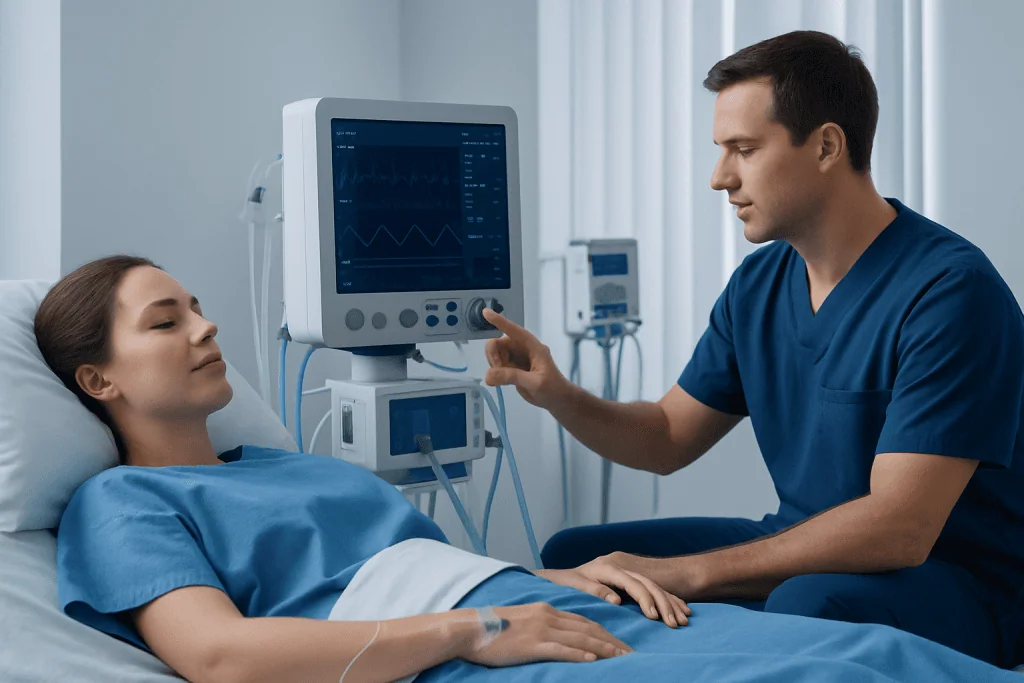
Pentobarbital enhances the effects of gamma-aminobutyric acid, or GABA, a chemical messenger that helps calm nerve activity in the brain. By increasing this inhibitory effect, the medicine slows signaling in the nervous system. This is why it can cause sleepiness, sedation, and reduced responsiveness.
The same action that creates sedation can also slow vital functions when the dose is too high or when the medicine is combined with other substances. Breathing may become shallow, reflexes may weaken, and a person may become confused or difficult to wake. In severe cases, overdose can lead to coma.
How strongly pentobarbital affects a person can vary with age, body size, liver function, other medications, and whether alcohol or recreational drugs are involved. This is one reason clinicians review a person’s full medication list and health history before using it. In some hospital settings, close monitoring of breathing, heart rate, and blood pressure may be necessary.
Medical uses of pentobarbital today

Pentobarbital has limited but legitimate medical uses. Depending on the country, setting, and clinical need, it may be used as a sedative, for short-term control of severe agitation in carefully selected circumstances, or in certain neurological emergencies such as difficult-to-control seizures under specialist care. It may also be used before procedures or in highly monitored settings where a predictable sedative effect is needed.
Doctors generally do not consider pentobarbital a routine treatment for chronic insomnia or anxiety. Because of the risks of dependence, overdose, and withdrawal, most patients with sleep or anxiety concerns are assessed for other causes and offered safer treatment strategies first. A person with severe sleep difficulty, for example, may need evaluation for insomnia rather than self-treating with an old sedative.
In seizure medicine, some barbiturates can play a role when standard approaches are not enough, but this is specialist care rather than self-management. For patients with complex neurological conditions, doctors may investigate related problems such as epilepsy and decide whether advanced treatments are needed in a monitored environment.
Side effects, safety concerns, and interactions
Common side effects of pentobarbital include drowsiness, dizziness, poor concentration, slowed thinking, and impaired coordination. Some people may also have nausea, headache, or a hangover-like feeling after the drug wears off. These effects can increase the risk of falls, driving accidents, and injuries, especially in older adults.
More serious adverse effects include slowed or difficult breathing, low blood pressure, severe confusion, agitation, fainting, and allergic reactions. Paradoxical reactions can occur in some people, meaning a medicine meant to calm them may instead cause restlessness or unusual behavior. If symptoms are intense or unexpected, medical review is important.
Pentobarbital can interact dangerously with other substances that depress the central nervous system. These include alcohol, opioid pain medicines, some anti-anxiety drugs, sleep medicines, certain antihistamines, and other sedatives. Combining these substances can sharply increase the risk of overdose and respiratory failure. A doctor or pharmacist should always review possible interactions before the medicine is taken.
- Avoid alcohol while using pentobarbital unless a doctor specifically advises otherwise.
- Do not drive, operate machinery, or make important decisions until the drug’s effects are fully known.
- Never take extra doses because the medicine seems to be “wearing off.”
- Store it securely and out of reach of children and others for whom it was not prescribed.
Dependence, withdrawal, and overdose
One major concern with pentobarbital is physical dependence. With repeated use, the body may adapt to the medication, and stopping suddenly can lead to withdrawal symptoms. This risk is one reason pentobarbital is used cautiously and usually not as a long-term solution for common problems like poor sleep.
Withdrawal can range from anxiety, tremor, sweating, nausea, and insomnia to much more serious symptoms such as hallucinations or seizures. For safety, anyone who has been taking a barbiturate regularly should not stop it abruptly without medical guidance. Clinicians may need to reduce the dose gradually and monitor symptoms.
Overdose is a medical emergency. Warning signs can include extreme sleepiness, slurred speech, slow breathing, bluish lips, weak pulse, inability to wake up, or loss of consciousness. The risk is especially high when pentobarbital is mixed with alcohol or opioids. If overdose is suspected, emergency services should be contacted immediately rather than waiting for symptoms to pass.
How doctors assess and manage pentobarbital-related problems
When doctors assess a person who has taken pentobarbital, they focus first on breathing, circulation, mental status, and the possibility of mixed-drug exposure. Medical teams may ask about timing, dose, alcohol use, and any other prescriptions or substances involved. Because symptoms can overlap with other emergencies, hospital evaluation may also include blood tests, heart monitoring, and supportive observation.
Treatment depends on the situation. Mild side effects may improve with dose adjustment or stopping the medication under supervision. In more serious cases, treatment centers on protecting the airway, supporting breathing and blood pressure, and monitoring for complications. There is no simple home remedy for significant over-sedation or overdose.
If pentobarbital is being considered for a neurological indication, care may involve specialists in intensive care, neurology, or anesthesiology. Patients with severe seizure disorders may sometimes need advanced evaluation and therapies such as epilepsy surgery or vagus nerve stimulation when appropriate, but these decisions are individualized and based on expert assessment.
Prevention and safer self-care principles
The safest approach to pentobarbital is to use it only exactly as prescribed and only for the reason it was prescribed. It should never be borrowed, shared, or taken from an old supply without medical advice. People should tell their doctor about all medicines, supplements, alcohol use, liver disease, breathing problems, sleep apnea, depression, and any history of substance use disorder before taking a barbiturate.
For sleep concerns, anxiety symptoms, or seizure questions, self-diagnosis can lead to unsafe choices. Better options may include a medical assessment, sleep hygiene strategies, treatment of an underlying condition, counseling, or a different medication with a more favorable safety profile. People with ongoing sleep difficulty may benefit from structured evaluation rather than relying on strong sedatives.
Good prevention also includes secure storage and disposal. Sedatives should be kept in their original container, away from heat and moisture, and locked if there are children, teenagers, or vulnerable adults in the home. Unused medication should be disposed of according to local pharmacy or public health guidance to reduce the risk of accidental ingestion or misuse.
Near the end of the care journey, some patients seek specialist assessment for complicated neurological or medication-related issues. Acibadem International’s multidisciplinary specialists in JCI-accredited hospitals evaluate and treat international patients who need expert diagnosis and individualized management.
When to seek medical care
Prompt medical advice is appropriate if a person taking pentobarbital has excessive drowsiness, repeated falls, worsening confusion, new rash, fainting, or symptoms that do not match the expected effect of the medicine. A doctor should also be contacted if the medication seems less effective, if there is concern about dependence, or if stopping it is being considered after regular use.
Urgent or emergency care is needed right away for trouble breathing, blue or gray lips, inability to wake the person, seizure activity, chest pain, severe weakness, or suspected overdose. These signs can become life-threatening quickly, especially if alcohol, opioids, or other sedatives may also have been taken. It is safest to call emergency services and follow professional instructions.
Medical review is also important for anyone with a history of substance misuse, depression, or suicidal thoughts who has access to pentobarbital. In these situations, clinicians may recommend a broader assessment and support plan. When needed, advanced neurological or critical care treatment such as intensive care can help manage severe complications safely.
Frequently asked questions
What is pentobarbital used for?
Pentobarbital is a barbiturate sedative used in limited medical situations where strong central nervous system depression is needed under supervision. It is not commonly used as a routine treatment for long-term insomnia or everyday anxiety because safer alternatives are usually preferred.
Is pentobarbital the same as a sleeping pill?
Pentobarbital can cause sleep, but it is not simply a standard modern sleeping pill. It belongs to the older barbiturate class, which has a higher risk of overdose, dependence, and breathing suppression than many newer sleep medicines.
What are the most important side effects of pentobarbital?
The main side effects include marked drowsiness, dizziness, poor coordination, slowed thinking, and confusion. More serious problems can include slowed breathing, low blood pressure, fainting, and overdose, especially when it is combined with alcohol or opioids.
Can pentobarbital be addictive?
Yes. With repeated use, the body can develop dependence, which means stopping suddenly may cause withdrawal symptoms. Because of this risk, people should not change the dose or stop the medication without medical advice.
What should someone do if pentobarbital overdose is suspected?
Suspected overdose should be treated as an emergency. If the person is very hard to wake, breathing slowly, confused, or unresponsive, emergency services should be called immediately rather than waiting to see if they improve.
Who should be especially careful with pentobarbital?
Older adults, people with breathing problems, liver disease, sleep apnea, depression, or a history of substance use disorder may be at higher risk of complications. Extra caution is also needed for anyone taking opioids, alcohol, anti-anxiety medicines, or other sedatives.
This article is for general information only and is not a substitute for professional medical advice. Please consult a qualified doctor about your individual situation.
Explore treatments in Turkey — costs, top hospitals & a free quote
JCI-accredited · board-certified surgeons · reply within 24h
Add us as a Preferred Source to see more of our trusted health content across Google Search, AI Overviews and Discover.
Check your numbers in seconds
BMI, calories, due date, blood pressure and 30+ more clinical calculators — free, instant, doctor-reviewed ranges.

More from the Health Library

Meditation Techniques for Anxiety — Explained by Medical Evidence, Not Myths

Epidural Needle: What Patients Need to Know

Coconut Sugar Glycemic Index: A Complete Medical Overview
Twisted Bowel — Explained by Medical Evidence, Not Myths

Anterolisthesis: An Evidence-Based Guide for Patients