Percutaneous Nephrolithotomy: A Complete Medical Overview

Percutaneous nephrolithotomy, often called PCNL, removes kidney stones through a small incision in the back. It is commonly used for large stones, staghorn stones, or stones that have not responded to other treatments.
Key Takeaways
- Percutaneous nephrolithotomy, often called PCNL, removes kidney stones through a small incision in the back.
- It is commonly used for large stones, staghorn stones, or stones that have not responded to other treatments.
- The procedure is performed under anesthesia using imaging guidance and specialized instruments.
- Most people need short-term hospital care and follow-up imaging to confirm stone clearance.
- Good hydration, stone analysis, and prevention planning can help reduce the risk of future stones.
Percutaneous nephrolithotomy is a minimally invasive operation used to remove kidney stones that are too large, too hard, or too complex to pass or be treated effectively with simpler methods. It is usually recommended for selected patients with significant stone burden, and it aims to clear stones while preserving kidney function and relieving symptoms.
Overview of percutaneous nephrolithotomy
Percutaneous nephrolithotomy is a surgical procedure for removing kidney stones through a small opening made in the skin and into the kidney. The name describes the technique: “percutaneous” means through the skin, “nephro” refers to the kidney, and “lithotomy” means stone removal. It is considered a minimally invasive alternative to open surgery, even though it is still a true operation that requires careful planning, anesthesia, and recovery.
This procedure is usually chosen when stones are too large to pass naturally, are causing repeated symptoms, or are unlikely to respond well to less invasive treatments. It is especially helpful for large kidney stones, branched stones that fill part of the kidney collecting system, and stones that are very dense or difficult to reach. In many cases, it offers a high chance of removing a large stone burden in a single session or in a staged approach.
Percutaneous nephrolithotomy is different from other stone treatments such as shock wave therapy or ureteroscopy because it creates direct access to the kidney. Through this tract, the surgeon can break the stone into smaller pieces and remove them. This direct approach can be more effective for complex stones while avoiding the larger incisions of traditional surgery.
When this procedure may be recommended
Doctors do not recommend percutaneous nephrolithotomy for every kidney stone. Many small stones pass with fluids, pain control, and time, while others can be treated with noninvasive or endoscopic methods. PCNL is generally reserved for situations where the size, location, or shape of the stone makes simpler treatment less likely to succeed.
Common reasons a urologist may suggest this procedure include large stones, multiple stones within the kidney, staghorn calculi, ongoing pain, recurrent urinary infections linked to stones, urinary blockage, or reduced kidney drainage. It may also be used after other methods have failed to clear the stone completely. In some people, removing the stone is important not only for symptom relief but also for preventing kidney damage.
Before recommending surgery, the care team reviews symptoms, stone size, imaging findings, medical history, infection risk, and kidney function. The decision is individualized. Patients with kidney stones often benefit from discussing all available options so they understand why PCNL may offer the safest and most effective route to treatment.
How the procedure is performed

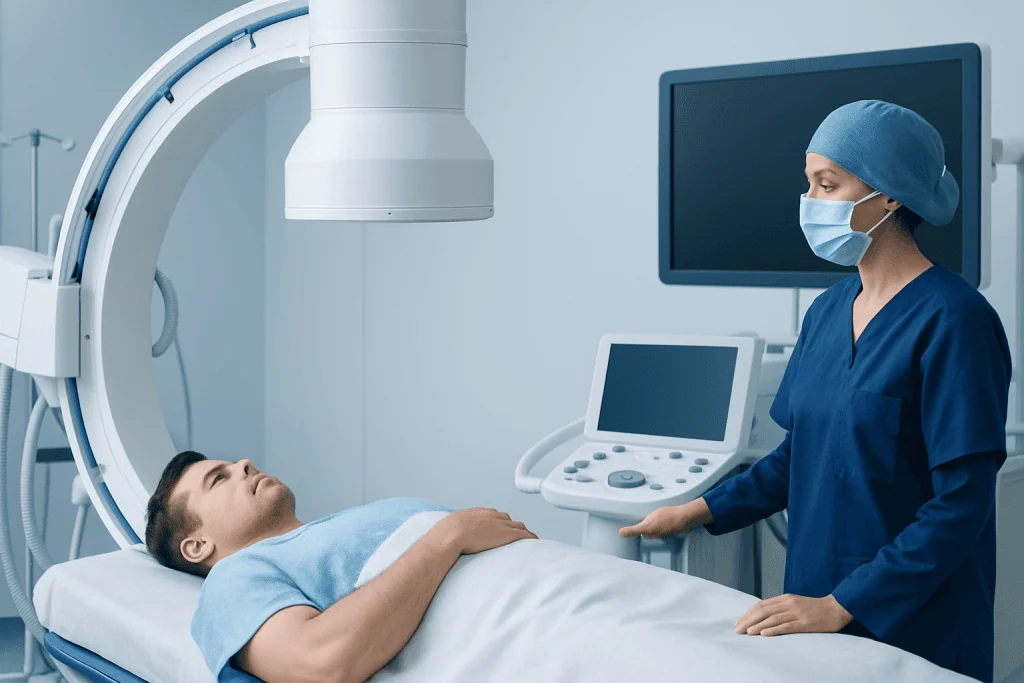
Percutaneous nephrolithotomy is usually performed under general anesthesia. During the operation, the surgeon uses imaging such as ultrasound or X-ray guidance to reach the kidney through a small incision, typically in the back. A narrow channel is then created into the kidney so instruments can be passed to locate and treat the stone.
Once access is established, the stone is broken into smaller fragments using specialized energy sources, which may include ultrasonic, pneumatic, or laser devices. The surgeon removes stone pieces through the access tract. Depending on the stone burden, the anatomy of the kidney, and how much swelling or bleeding occurs, a temporary drainage tube or ureteral stent may be left in place after the procedure.
Some procedures are completed in one session, while others may be staged over more than one treatment. The exact approach varies from person to person. A urologist may describe the operation simply as kidney stone treatment tailored for larger or more complex stones, with the goal of maximizing stone clearance and reducing the chance of persistent obstruction or infection.
Benefits, limitations, and possible risks
The main benefit of percutaneous nephrolithotomy is its ability to remove large or complex stones more effectively than many other methods. Because the surgeon works directly inside the kidney, substantial stone burden can often be treated in a way that reduces symptoms, improves urine flow, and lowers the risk of repeated infection or future emergency episodes. For some patients, it can reduce the need for multiple separate procedures.
Even so, PCNL is not risk-free. As with any surgery, there may be bleeding, infection, pain, fever, injury to nearby structures, urine leakage, or the need for additional treatment if some stone fragments remain. Rarely, more serious complications can occur, which is why preoperative assessment and experienced surgical care are important.
There are also practical limitations to understand. Some patients may not be ideal candidates because of certain bleeding disorders, active infection, pregnancy, complex anatomy, or other medical conditions that increase surgical risk. The care team weighs these factors carefully and may discuss alternatives such as urologic care using other endoscopic or noninvasive strategies when appropriate.
Preparation, hospital stay, and recovery
Preparation for percutaneous nephrolithotomy usually includes blood tests, urine tests, and imaging to define the stone and map the anatomy of the kidney. If a urinary infection is present, it generally needs to be treated before surgery because operating in the setting of infection can raise the risk of complications. Patients are also asked about medications, especially blood thinners, which may need adjustment under medical guidance.
After the procedure, many patients stay in the hospital for observation, pain control, fluid management, and monitoring of urine drainage. The length of stay depends on the complexity of the surgery, overall health, and whether a nephrostomy tube or ureteral stent is placed. Mild soreness, blood-tinged urine, and fatigue can occur for a short time during recovery.
Follow-up is an important part of care. The team may arrange imaging to check for remaining fragments, remove temporary tubes or stents, and review stone analysis results. Recovery advice usually includes drinking enough fluids, following activity instructions, watching for signs of infection, and returning for reassessment if pain, fever, or urinary problems develop. In complex cases, treatment planning may involve minimally invasive surgery expertise across radiology, anesthesia, and urology teams.
Preventing future kidney stones after PCNL
Removing a stone does not always prevent another one from forming. That is why long-term prevention is a major part of care after percutaneous nephrolithotomy. A doctor may recommend stone analysis, blood testing, and a 24-hour urine evaluation to understand why the stones developed. These results can help identify whether dehydration, excess salt, certain dietary patterns, recurrent infections, or metabolic factors are contributing.
General prevention steps often include staying well hydrated, reducing excess sodium intake, and following a balanced eating plan guided by the stone type. Some people may need medication to lower the chance of recurrence, but the best approach depends on the individual cause of the stones. It is helpful to avoid making major dietary restrictions without professional advice, since recommendations differ for calcium, oxalate, uric acid, and infection-related stones.
People who have had repeated stones may also need ongoing surveillance, particularly if they have a history of blockage, chronic urinary infections, or conditions such as urinary tract infection that can interact with stone formation. Toward the end of the treatment journey, some patients seek coordinated follow-up at centers such as Acibadem International, where multidisciplinary specialists in JCI-accredited hospitals evaluate and treat international patients with stone disease.
When to seek medical care
Medical advice should be sought if a person has severe flank pain, visible blood in the urine, fever, chills, vomiting, difficulty passing urine, or symptoms that suggest a stone may be blocking urine flow. These symptoms do not always mean surgery is needed, but they do require timely evaluation because infection or obstruction can threaten kidney health.
After percutaneous nephrolithotomy, patients should contact their doctor promptly if they develop persistent fever, worsening pain, heavy bleeding in the urine, drainage problems from a tube, shortness of breath, or an inability to urinate. Clear discharge instructions are usually provided before leaving the hospital, and they should be followed closely.
Urgent care is especially important for people with a single kidney, significant kidney disease, pregnancy, immune suppression, or a history of repeated severe infections. Early assessment helps the medical team decide whether symptoms reflect normal recovery or a complication that needs treatment.
Frequently asked questions
What is percutaneous nephrolithotomy used for?
Percutaneous nephrolithotomy is used to remove kidney stones that are large, complex, or unlikely to pass on their own. It is commonly recommended when other treatments are less likely to fully clear the stones or have already been unsuccessful.
Is percutaneous nephrolithotomy a major surgery?
It is a surgical procedure, but it is considered minimally invasive because it uses a small incision rather than a large open cut. Even so, it requires anesthesia, hospital monitoring, and recovery time, so it should be approached as a significant medical treatment.
How long does recovery from PCNL usually take?
Recovery varies depending on the size and complexity of the stone, the need for drainage tubes or stents, and the person’s overall health. Many people improve over days to a few weeks, but the doctor’s guidance on activity, follow-up imaging, and return to work is important.
Will a stent or tube be needed after the procedure?
Some patients leave the operating room with a temporary nephrostomy tube, a ureteral stent, or both. These devices help urine drain properly while the kidney heals, and they are usually removed later according to the treatment plan.
Can kidney stones come back after percutaneous nephrolithotomy?
Yes. PCNL removes existing stones, but it does not automatically stop new stones from forming. Prevention depends on the stone type and underlying cause, which is why follow-up testing and lifestyle guidance are often recommended.
Is percutaneous nephrolithotomy painful?
Because the procedure is done under anesthesia, the patient does not feel pain during the operation. Afterward, discomfort at the incision area, bladder irritation, or soreness from a tube or stent can happen, but pain is usually managed with prescribed medication and supportive care.
References
- National Institute of Diabetes and Digestive and Kidney Diseases
- American Urological Association
- European Association of Urology
- National Health Service
- Mayo Clinic
This article is for general information only and is not a substitute for professional medical advice. Please consult a qualified doctor about your individual situation.
Explore treatments in Turkey — costs, top hospitals & a free quote
JCI-accredited · board-certified surgeons · reply within 24h
Add us as a Preferred Source to see more of our trusted health content across Google Search, AI Overviews and Discover.

More from the Health Library



Related Specialists

Prof. Dr. Ayşen Timurağaoğlu
Hematology
Assoc. Prof. Dr. Sabri Berkem Ökten
Gynecology & Obstetrics
Dt. Ebru İspirgil
Oral & Dental Health
Prof. Dr. Emine Nur Tozan
Treatment of Pain Algology