Perianal Abscess: An Evidence-Based Guide for Patients

A perianal abscess is an infection near the anus that forms a painful collection of pus. Common symptoms include constant throbbing pain, swelling, redness, and sometimes fever or drainage.
Key Takeaways
- A perianal abscess is an infection near the anus that forms a painful collection of pus.
- Common symptoms include constant throbbing pain, swelling, redness, and sometimes fever or drainage.
- Treatment usually involves drainage; antibiotics may be added in selected situations.
- Prompt care is important because untreated infection can spread or lead to an anal fistula.
- People with diabetes, inflammatory bowel disease, or weakened immunity may have higher risk and need closer follow-up.
A perianal abscess is a pocket of infection and pus near the anus that often causes pain, swelling, and tenderness. It usually does not improve on its own and commonly needs medical evaluation and drainage to relieve symptoms and reduce the risk of complications.
What Is a Perianal Abscess?
A perianal abscess is a localized infection that causes a collection of pus in the tissue around the anus. In most cases, it develops when a small gland in the anal canal becomes blocked and infected. This can lead to pressure, inflammation, and increasing pain over a short period of time.
Patients often search for whether a perianal abscess can go away without treatment. In general, the answer is no. While symptoms may sometimes fluctuate, a true abscess usually needs medical assessment and drainage because pus trapped in tissue rarely clears fully on its own.
Perianal abscesses are part of a broader group of anorectal infections. Some stay close to the skin and are easier to identify, while others extend deeper into tissues and may be less visible from the outside. Because depth and location affect treatment, careful examination by a qualified clinician is important.
Signs and Symptoms to Watch For
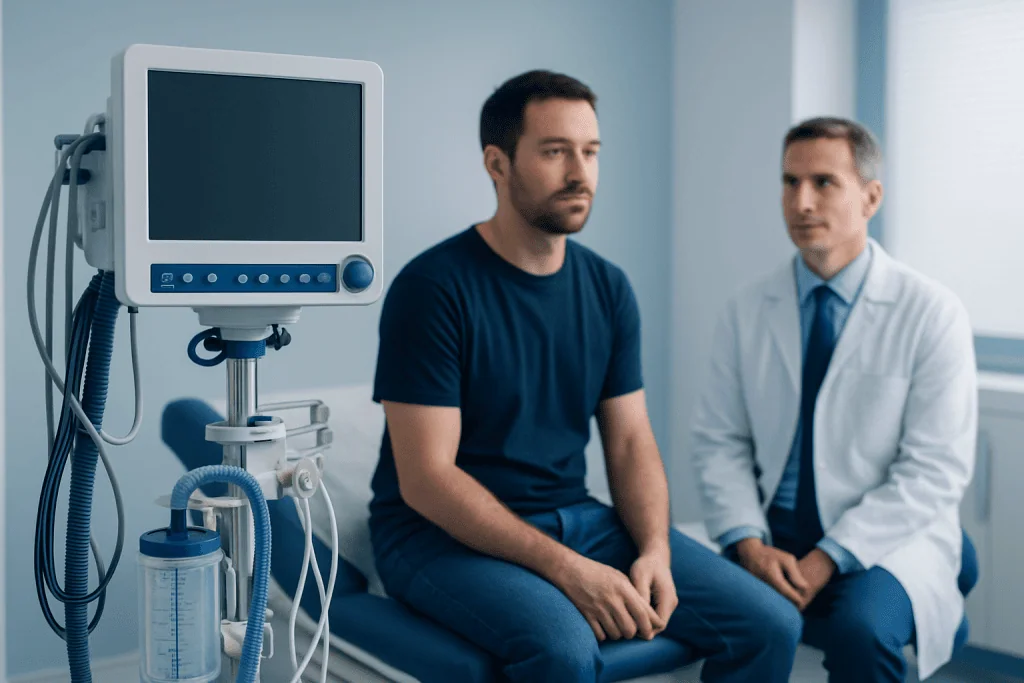
The most common symptom of a perianal abscess is pain around the anus. Patients often describe it as throbbing, constant, and worse with sitting, walking, coughing, or having a bowel movement. The area may also feel swollen, warm, and very tender to the touch.
Other symptoms can include redness of the skin, a visible lump near the anus, and drainage of pus or fluid. Some people notice staining on underwear or a foul-smelling discharge if the abscess starts to drain on its own. Even if drainage occurs, the underlying infection may still remain.
Systemic symptoms are also possible, especially if the infection is more advanced. These may include fever, chills, fatigue, or a general feeling of being unwell. A deeper abscess may cause severe rectal pain without a clearly visible lump.
- Constant anal or rectal pain
- Swelling or a tender lump near the anus
- Redness and warmth of the surrounding skin
- Pus or fluid drainage
- Fever or chills
- Pain during bowel movements or sitting
Why Perianal Abscesses Happen and Who Is at Risk

Most perianal abscesses begin with blockage and infection of tiny anal glands. Bacteria that normally live in the bowel can enter these blocked glands and multiply, creating an enclosed pocket of infection. This process can happen even in otherwise healthy people.
Some conditions raise the risk. These include diabetes, a weakened immune system, inflammatory bowel disease such as Crohn’s disease, and a history of previous anorectal infection. Skin trauma, small tears around the anus, and rarely sexually transmitted infections may also play a role in some patients.
A related issue is the development of an anal fistula, which is an abnormal tunnel between the inside of the anal canal and the skin. A fistula may form after an abscess drains or is treated, because the original infected tract remains. Not every perianal abscess leads to a fistula, but the two conditions are closely linked, and doctors often monitor for this during follow-up. If a fistula is suspected, evaluation for anal fistula may be recommended.
How Doctors Diagnose a Perianal Abscess
Diagnosis usually begins with a medical history and physical examination. A doctor will ask about pain, swelling, drainage, fever, bowel habits, and any past anorectal problems. On examination, a superficial abscess is often identified by visible swelling, redness, and tenderness near the anal opening.
Not all abscesses are obvious on the skin surface. If symptoms suggest a deeper infection, the doctor may perform a gentle rectal examination or recommend imaging. Tests such as ultrasound, computed tomography, or magnetic resonance imaging can help define the size and location of a deeper abscess and look for a fistula or other complication.
Additional evaluation may be needed when abscesses recur, heal poorly, or happen in someone with underlying health conditions. In these situations, doctors may look for contributing factors such as diabetes, immune suppression, or inflammatory bowel disease. The goal is not only to treat the current infection but also to reduce the chance of it returning.
Treatment: Why Drainage Is Often Necessary
The main treatment for a perianal abscess is drainage. This means opening the abscess to release pus, reduce pressure, and allow the infection to heal. For many patients, this is the most effective and important step because antibiotics alone usually cannot fully treat a closed collection of pus.
Drainage may be done in a clinic, emergency department, or operating room depending on the size, depth, and complexity of the abscess. Superficial abscesses may be managed with a relatively simple procedure under local anesthesia, while deeper or more extensive infections may need treatment in an operating room. In suitable cases, patients may undergo abscess drainage as part of care.
Antibiotics are not always required for every patient, but they may be recommended when there is spreading skin infection, fever, diabetes, immune suppression, extensive cellulitis, or certain heart valve conditions. Pain relief, wound care, and follow-up are also important. Some patients will need later evaluation for a fistula, and selected cases may require anal fistula surgery if a persistent tract is found.
If symptoms suggest a deeper colorectal problem or recurrent disease, the care team may involve specialists in colorectal surgery for comprehensive management. Treatment plans are individualized, based on the location of infection, overall health, and whether this is a first episode or a recurrence.
Recovery, Home Care, and Preventing Recurrence
After treatment, recovery usually focuses on keeping the area clean, managing discomfort, and attending follow-up appointments. Patients are often advised to gently cleanse the area, change dressings as instructed, and watch for increasing pain, swelling, or fever. Warm sitz baths may help with comfort and hygiene, but they are supportive measures and not a substitute for treatment.
Bowel habits matter during healing. Adequate fluids, fiber, and stool-softening strategies recommended by a clinician may help prevent straining and reduce discomfort with bowel movements. Good blood sugar control is also important for patients with diabetes because high glucose levels can impair healing and raise infection risk.
There is no guaranteed way to prevent every perianal abscess, but a few steps may help reduce risk or support recovery:
- Seek care early for anal pain, swelling, or drainage
- Keep the anal area clean and dry without harsh scrubbing
- Avoid prolonged straining with bowel movements
- Manage chronic conditions such as diabetes or inflammatory bowel disease
- Attend follow-up visits, especially if symptoms return
For international patients who need evaluation or treatment, Acibadem International’s multidisciplinary specialists and JCI-accredited hospitals diagnose and treat anorectal conditions using individualized care plans.
When to Seek Medical Care
Medical care should be sought promptly for severe anal pain, a painful swelling near the anus, or drainage of pus. A perianal abscess can worsen quickly, and early treatment may reduce discomfort and lower the chance of complications.
Urgent evaluation is especially important if symptoms are accompanied by fever, chills, rapidly spreading redness, difficulty passing urine or stool, or worsening pain despite home measures. People with diabetes, cancer treatment, steroid use, HIV infection, or other causes of reduced immunity should be assessed without delay because infections may progress more seriously in these settings.
Patients should also return for medical review if symptoms come back after drainage, if healing is slow, or if there is ongoing drainage from a small opening in the skin. These signs can suggest a persistent infection or a fistula that needs further evaluation.
Frequently asked questions
Can a perianal abscess go away on its own?
A true perianal abscess usually does not fully go away on its own because it contains a trapped pocket of infection. Even if it starts draining, medical evaluation is still important to check whether further treatment is needed.
Is a perianal abscess an emergency?
It is not always a life-threatening emergency, but it does need prompt medical attention. Severe pain, fever, spreading redness, or symptoms in someone with diabetes or a weakened immune system should be assessed urgently.
Do antibiotics treat a perianal abscess?
Antibiotics alone are often not enough because they may not reach the pus effectively inside a closed abscess. Drainage is usually the main treatment, while antibiotics are added in selected situations.
What is the difference between a perianal abscess and a hemorrhoid?
A perianal abscess is an infection that causes pus, pain, swelling, and sometimes fever. Hemorrhoids are swollen veins in or around the anus and may cause bleeding, itching, or discomfort, but they are not the same as an infection.
Can a perianal abscess lead to a fistula?
Yes, an anal fistula can develop after a perianal abscess because the infected channel may remain after drainage or spontaneous rupture. This is one reason follow-up care is important, especially if drainage continues or the problem returns.
How long does recovery take after drainage?
Recovery time varies depending on the size and depth of the abscess, the treatment used, and the patient’s overall health. Many people start to feel relief fairly soon after drainage, but complete healing can take longer and follow-up may be needed to monitor for recurrence or fistula formation.
References
- American Society of Colon and Rectal Surgeons
- National Institute of Diabetes and Digestive and Kidney Diseases
- Mayo Clinic
- Merck Manual
- National Health Service
This article is for general information only and is not a substitute for professional medical advice. Please consult a qualified doctor about your individual situation.
Explore treatments in Turkey — costs, top hospitals & a free quote
JCI-accredited · board-certified surgeons · reply within 24h
Add us as a Preferred Source to see more of our trusted health content across Google Search, AI Overviews and Discover.