

Perineum male: Symptoms, Causes, and Treatment — Complete Patient Guide

The male perineum is the area between the scrotum and anus and contains muscles, nerves, blood vessels, and tissues that support urination, bowel control, and sexual function. Pain or discomfort in the perineum can come from muscle strain, prolonged sitting, cycling pressure, prostatitis, urinary infections, skin conditions, or nerve irritation.
Key Takeaways
- The male perineum is the area between the scrotum and anus and contains muscles, nerves, blood vessels, and tissues that support urination, bowel control, and sexual function.
- Pain or discomfort in the perineum can come from muscle strain, prolonged sitting, cycling pressure, prostatitis, urinary infections, skin conditions, or nerve irritation.
- Associated symptoms such as fever, a visible lump, trouble urinating, blood in urine, severe swelling, or numbness should be medically assessed.
- Diagnosis is based on symptoms, physical examination, and sometimes urine tests, imaging, or specialist evaluation.
- Treatment depends on the cause and may include rest, lifestyle changes, pelvic floor therapy, medicines, or treatment of an underlying urologic or colorectal condition.
Perineum male describes the area between the scrotum and anus, and symptoms there may include pain, pressure, swelling, numbness, or discomfort during sitting, urination, bowel movements, or sex. Causes range from minor irritation and muscle strain to infection, nerve compression, prostate-related problems, or, less commonly, a more urgent condition that needs prompt medical care.
Overview: what “perineum male” means
The term perineum male refers to the area of skin and deeper tissues between the scrotum and the anus. Although it is a small area, it contains important muscles, nerves, connective tissue, and blood vessels. These structures help support bowel and bladder control and play a role in sexual function and comfort while sitting or moving.
When a man notices pain, pressure, swelling, burning, numbness, or tenderness in this area, the symptom can have many explanations. Sometimes the cause is simple, such as friction, prolonged sitting, constipation, or a minor muscle strain. In other cases, symptoms may be linked to pelvic floor tension, prostate inflammation, urinary infection, a skin problem, or pressure on nearby nerves.
Because the perineum is close to the urinary tract, prostate, rectum, and pelvic floor muscles, symptoms in this area should be considered in context rather than as an isolated problem. A careful medical evaluation can usually identify whether the issue is related to the skin, muscles, nerves, urinary system, or another nearby structure.
Common symptoms in the male perineum
Symptoms can vary from mild awareness of discomfort to more persistent pain that affects daily activities. Some men describe a dull ache or heaviness, while others feel sharp pain, burning, throbbing, or pressure. Discomfort may be most noticeable while sitting, during exercise, after cycling, during urination, during bowel movements, or with ejaculation.
Other symptoms may appear along with perineal discomfort. These can offer clues about the underlying cause and help a doctor decide which examinations or tests are needed. For example, urinary symptoms may suggest prostate or bladder involvement, while changes in bowel habits or rectal pain may point to anorectal causes.
- Pain, soreness, pressure, or tenderness between the scrotum and anus
- Burning or stinging sensations
- Numbness or tingling, especially after cycling or prolonged sitting
- Swelling, redness, itching, or a lump in the area
- Pain with urination, ejaculation, or bowel movements
- Pelvic pain, lower back discomfort, or groin pain occurring at the same time
Not all symptoms mean a serious problem, but patterns matter. Symptoms that are severe, recurrent, or linked with fever, blood, drainage, or difficulty urinating deserve timely medical attention.
Why perineal symptoms happen
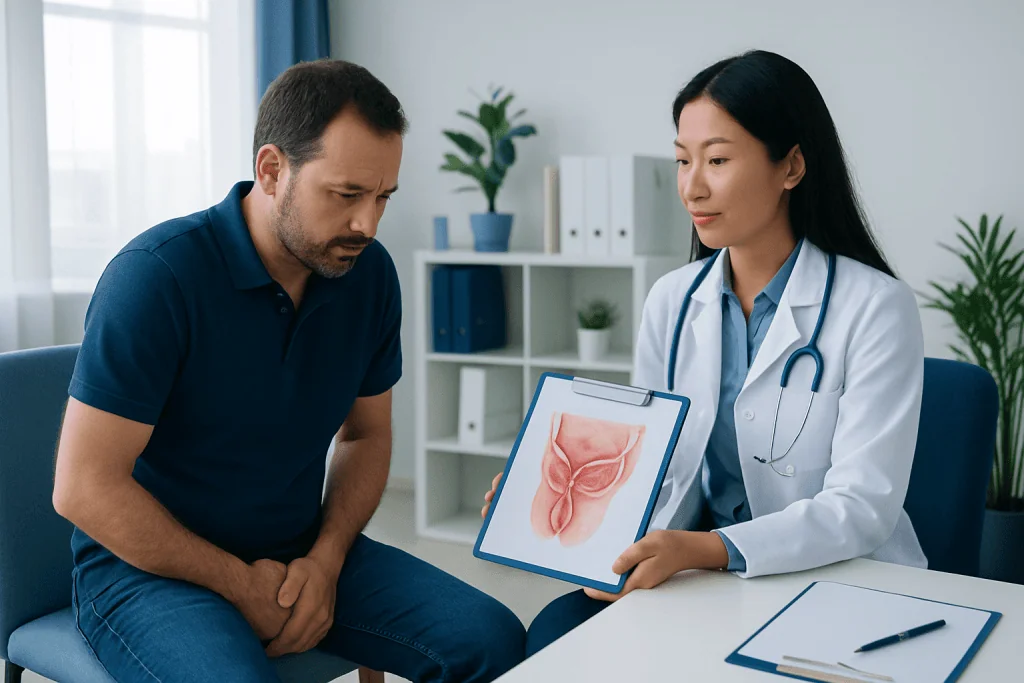
Perineal symptoms in men can arise from several body systems at once, which is why self-diagnosis can be difficult. Mechanical strain is a common reason. Long periods of sitting, cycling, heavy lifting, and strenuous exercise may irritate the pelvic floor muscles or compress the pudendal nerve, leading to pain, tingling, or numbness. Tight pelvic muscles may also cause a sense of pressure or deep aching.
Inflammation or infection is another important group of causes. Prostate inflammation, often discussed as prostatitis, can cause pain in the perineum, along with urinary burning, frequent urination, or discomfort with ejaculation. Urinary tract infections, skin infections, inflamed hair follicles, and anal or rectal conditions can also refer pain to this area.
Local skin or soft-tissue problems may include chafing, dermatitis, fungal irritation, cysts, hemorrhoids, fissures, or abscesses. Nerve-related causes can occur after repeated pressure, trauma, surgery, or chronic pelvic floor tension. Less commonly, symptoms may be linked to a hernia, a urethral problem, or chronic pelvic pain syndromes that involve both muscles and nerves.
Because pain may spread from nearby organs, doctors also consider the bladder, urethra, rectum, and prostate. In men with persistent urinary complaints, a urologic assessment may help identify whether the discomfort is related to the prostate or lower urinary tract.
Risk factors and everyday triggers
Certain activities and health factors can make perineal symptoms more likely. Repetitive pressure from bicycle seats, motorcycling, rowing, horseback riding, or desk-based work can irritate soft tissues and nerves. Sudden increases in exercise intensity, heavy lifting, chronic coughing, or constipation can also place strain on the pelvic floor.
Some men are more prone to symptoms because of underlying medical conditions. Prostate disorders, urinary infections, inflammatory bowel conditions, hemorrhoids, nerve sensitivity, or previous pelvic surgery can all increase the likelihood of discomfort in the area. Dehydration and low-fiber diets may contribute indirectly by increasing constipation and straining.
Lifestyle factors may matter too. Tight clothing, friction, poor hygiene after sweating, and delayed treatment of skin rashes can worsen irritation. Sitting for long uninterrupted periods may contribute to both muscular tension and nerve compression, particularly if the sitting surface is hard or posture is poor.
Recognizing patterns can be helpful. If discomfort appears mainly after exercise or prolonged sitting and improves with movement or rest, a pressure-related or muscular cause may be more likely. If symptoms cluster with fever, urinary changes, or visible redness and swelling, inflammation or infection may need to be ruled out.
How doctors diagnose the cause
Diagnosis begins with a detailed history. A doctor will usually ask when the symptoms started, what the pain feels like, whether it is constant or triggered by activity, and whether there are related urinary, bowel, sexual, skin, or fever symptoms. This helps narrow down whether the issue is more likely muscular, infectious, neurologic, dermatologic, or urologic.
A physical examination often includes inspection of the skin and surrounding tissues, checking for tenderness, swelling, rash, cysts, hemorrhoids, or signs of infection. Depending on symptoms, the doctor may also examine the abdomen, groin, rectal area, and prostate. If urinary symptoms are present, urine testing may be used to look for infection or blood.
Further evaluation is sometimes needed if symptoms are persistent, severe, or unclear. A doctor may request imaging such as MRI scanning or ultrasound to assess soft tissues, fluid collections, or nearby structures. Men with ongoing urinary or prostate-related symptoms may benefit from consultation in urology to guide diagnosis and treatment.
The aim of testing is not to overinvestigate every case, but to identify the source accurately and avoid missing conditions that need specific care. Many cases can be diagnosed through examination and a few focused tests.
Treatment options for male perineum symptoms
Treatment depends entirely on the cause. For mild irritation or pressure-related discomfort, rest, avoiding aggravating activity, changing seating position, and taking breaks from prolonged sitting may be enough. Supportive underwear, looser clothing, and reducing friction can also help when symptoms are related to skin irritation or exercise.
If muscles and pelvic floor tension are contributing, treatment may focus on relaxation, stretching, posture correction, and guided therapy. Some men benefit from physical therapy and rehabilitation aimed at the pelvic floor and surrounding muscles. This approach can be especially useful when pain is linked to prolonged sitting, exercise, or chronic muscle tightness rather than infection.
When an infection or inflammatory condition is identified, treatment may include medicines chosen by a doctor based on the suspected source. Skin conditions may need topical care, while cysts, abscesses, hemorrhoids, or fissures may require targeted treatment. Prostate-related symptoms are treated according to the specific diagnosis and may need follow-up if they recur.
Persistent or unexplained symptoms should not be managed with repeated self-treatment alone. If symptoms continue, a doctor may coordinate care with urology, colorectal specialists, dermatology, neurology, or pain and rehabilitation experts depending on the findings. Near the end of the diagnostic pathway, international patients may also choose centers such as Acibadem International, where multidisciplinary specialists in JCI-accredited hospitals evaluate and treat complex pelvic and urologic symptoms.
Self-care, prevention, and daily habits
Good self-care can reduce symptoms and help prevent recurrence, especially when the problem is related to pressure, muscle tension, or minor irritation. Short, regular movement breaks are helpful for people who sit for long periods. Cyclists may benefit from checking bike fit, adjusting saddle shape or angle, and using padded shorts if advised by a professional.
Skin care also matters. Keeping the area clean and dry, changing out of sweaty clothing, and avoiding heavily fragranced products may reduce irritation. Men who are prone to constipation may benefit from adequate fluid intake, fiber-rich meals, and avoiding repeated straining during bowel movements.
General habits that support pelvic health include balanced exercise, maintaining a comfortable body weight, and not ignoring urinary or bowel symptoms. Relaxation techniques and gentle stretching may help men whose symptoms flare during stress or after long periods of muscular tension. However, new or significant symptoms should still be assessed rather than assumed to be “just strain.”
When to seek medical care
Medical advice is important if perineal symptoms are severe, last more than a short time, keep returning, or interfere with sitting, walking, urination, bowel movements, sleep, or sexual activity. A doctor should also assess symptoms that come with fever, chills, drainage, visible swelling, a new lump, or skin that looks intensely red and tender.
Prompt assessment is especially important if there is trouble passing urine, blood in the urine, severe rectal pain, rapidly increasing swelling, or numbness after injury. These symptoms do not always indicate an emergency, but they deserve timely evaluation so the underlying cause can be identified and treated appropriately.
Because the perineum lies near several organs and nerve pathways, symptoms should not be ignored if they are unexplained or worsening. Early evaluation often leads to simpler treatment and can provide reassurance when the cause is minor.
Frequently asked questions
Where is the male perineum located?
The male perineum is the area between the scrotum and the anus. It contains skin, muscles, nerves, and blood vessels that support urination, bowel control, and sexual function.
Is perineum pain in men always related to the prostate?
No. The prostate can be one cause, but perineal pain may also come from muscle strain, nerve compression, skin irritation, bowel-related conditions, or infection in nearby tissues. A medical evaluation helps distinguish among these possibilities.
Can cycling cause male perineum symptoms?
Yes, prolonged cycling can place pressure on the perineum and nearby nerves. This may cause soreness, tingling, numbness, or pressure, especially if the bike fit or saddle shape is not ideal.
What tests are used for perineum male symptoms?
Tests depend on the symptoms. A doctor may start with a physical exam and urine testing, and may add imaging or specialist assessment if symptoms are persistent, severe, or difficult to explain.
How long does perineal discomfort usually last?
Mild irritation or pressure-related discomfort may improve within days to a few weeks with rest and self-care. If symptoms persist, recur, or worsen, medical review is important to look for infection, prostate problems, nerve irritation, or another treatable cause.
Can pelvic floor problems cause pain in the male perineum?
Yes. Tight, overactive, or strained pelvic floor muscles can cause aching, pressure, or pain in the perineum and may also contribute to urinary, bowel, or sexual symptoms. Pelvic floor-focused rehabilitation may be helpful in selected cases.
References
- National Institute of Diabetes and Digestive and Kidney Diseases
- American Urological Association
- National Health Service
- Mayo Clinic
- Cleveland Clinic
This article is for general information only and is not a substitute for professional medical advice. Please consult a qualified doctor about your individual situation.
Persistent digestive symptoms? Get evaluated in Turkey
JCI-accredited · board-certified surgeons · reply within 24h
Add us as a Preferred Source to see more of our trusted health content across Google Search, AI Overviews and Discover.

More from the Health Library



Related Specialists

Assoc. Prof. Dr. Aslıhan Demirel
Infectious Diseases & Clinical Microbiology
Dr. Sedat Özkaya
Emergency Service
Assoc. Prof. Dr. Oğuz Durakbaşa
Orthopedic Surgery & Traumatology
Prof. Dr. Aytekin Akyüz
Neurology