Peritoneal Cancer: Early Signs, Risk Factors, and How It Is Treated

Peritoneal cancer begins in the lining of the abdomen and is closely related to epithelial ovarian cancer. Early symptoms are often nonspecific, such as bloating, abdominal discomfort, feeling full quickly, or changes in bowel habits.
Key Takeaways
- Peritoneal cancer begins in the lining of the abdomen and is closely related to epithelial ovarian cancer.
- Early symptoms are often nonspecific, such as bloating, abdominal discomfort, feeling full quickly, or changes in bowel habits.
- Diagnosis usually combines a medical history, examination, imaging, blood tests, and tissue sampling.
- Treatment commonly includes surgery and chemotherapy, with plans tailored to the person and the stage of disease.
- People with BRCA gene changes or a strong family history of ovarian or breast cancer may have a higher risk.
Peritoneal cancer is a rare cancer that starts in the peritoneum, the thin lining inside the abdomen. Its early signs can be subtle, but prompt evaluation of ongoing abdominal symptoms can help doctors diagnose it and plan treatment, which often includes surgery and chemotherapy.
Overview
Peritoneal cancer is a cancer that develops in the peritoneum, the thin tissue lining the inside of the abdomen and covering many abdominal organs. The most common form discussed in clinical care is primary peritoneal cancer, which starts in this lining rather than spreading there from another organ. Although it begins in a different location, it behaves very similarly to epithelial ovarian cancer because the cells share a similar origin.
This similarity matters because peritoneal cancer can cause symptoms that are easy to mistake for common digestive or gynecologic problems. People may notice abdominal bloating, a swollen belly, discomfort, reduced appetite, or a feeling of fullness after eating only a small amount. These symptoms do not automatically mean cancer, but when they persist, they deserve medical assessment.
Another important point is that peritoneal cancer can occur even after the ovaries have been removed, because the peritoneal lining itself can still develop cancerous changes. Doctors often evaluate it with the same tools used for ovarian cancer and may discuss related conditions such as ovarian cancer when explaining diagnosis and treatment.
Early Signs and Symptoms
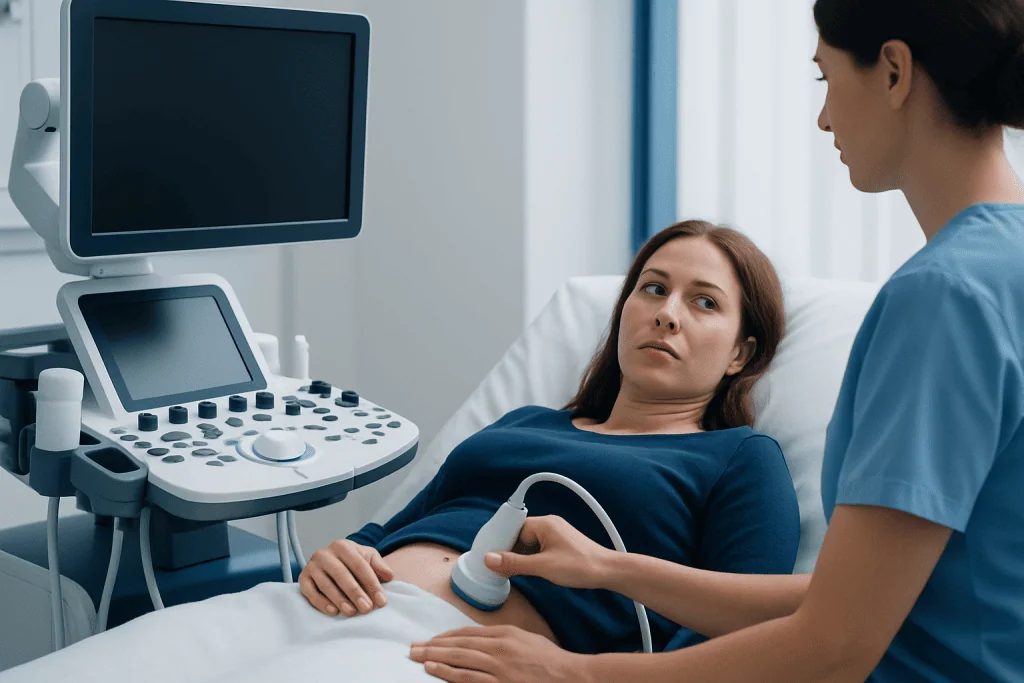
The early signs of peritoneal cancer are often subtle and can overlap with many noncancerous conditions. Some people have no noticeable symptoms at first, while others develop vague abdominal or pelvic complaints that come and go. This is one reason the condition may not be recognized right away.
Common symptoms can include:
- Persistent abdominal bloating or increased abdominal size
- Abdominal or pelvic pain, pressure, or discomfort
- Feeling full quickly when eating
- Loss of appetite
- Nausea or indigestion
- Changes in bowel habits, such as constipation
- Frequent urination or urgency
- Unexplained fatigue
- Unintentional weight loss or, sometimes, weight gain from fluid buildup
As the disease progresses, some people develop ascites, which is a buildup of fluid in the abdomen. This may cause a noticeably swollen belly, breathlessness from abdominal pressure, or discomfort when moving. In some cases, symptoms become more apparent only once this fluid accumulation develops.
These symptoms are not unique to peritoneal cancer, and many have much more common explanations. However, if they are new, occur most days, or continue for several weeks, it is sensible to seek medical advice rather than waiting for them to settle on their own.
Causes and Risk Factors

The exact cause of peritoneal cancer is not always clear. Cancer develops when cells acquire genetic changes that allow them to grow and spread abnormally. In primary peritoneal cancer, these changes occur in cells of the abdominal lining, but the reasons this happens can differ from person to person.
Several factors are known to increase risk. A personal or family history of ovarian, breast, fallopian tube, or peritoneal cancer can be important, especially when linked to inherited gene changes such as BRCA1 or BRCA2. Older age also increases risk, and many cases are diagnosed after menopause. Because primary peritoneal cancer closely resembles ovarian cancer, the risk patterns for the two conditions overlap significantly.
Doctors may also consider whether a person has an inherited cancer syndrome, previous gynecologic cancer, or surgery involving the ovaries and fallopian tubes. Even after preventive removal of the ovaries and tubes, peritoneal cancer can still rarely occur, so risk is reduced but not always eliminated.
Having one or more risk factors does not mean someone will develop cancer, and some people diagnosed with peritoneal cancer have no obvious risk factors at all. Still, a strong family history may be a reason to discuss genetic counseling and risk assessment with a specialist.
How Peritoneal Cancer Is Diagnosed
Diagnosis begins with a careful review of symptoms, medical history, and family history, followed by a physical examination. Because the signs can resemble other abdominal or pelvic conditions, doctors usually use several tests together rather than relying on any single result.
Imaging tests often include ultrasound and cross-sectional scans such as CT or MRI to look for fluid in the abdomen, thickening of the peritoneum, or masses affecting nearby organs. Blood tests may include tumor markers such as CA-125, which can be elevated in peritoneal cancer. However, CA-125 alone cannot confirm the diagnosis because it may also rise in other conditions.
A definite diagnosis usually requires a tissue sample. This may be obtained through a biopsy, a minimally invasive procedure, or surgery. If there is ascites, doctors may also test a sample of the abdominal fluid. Pathology examination helps confirm the cancer type and guides treatment decisions.
After diagnosis, staging is used to understand how far the cancer has spread and to plan care. Because peritoneal cancer often involves surfaces inside the abdomen, staging and treatment planning are typically coordinated by specialists in gynecologic oncology, medical oncology, radiology, and pathology.
Treatment Options
Peritoneal cancer treatment is individualized and usually based on the cancer’s extent, the person’s general health, and whether complete or near-complete surgical removal appears possible. In many cases, treatment involves a combination of surgery and chemotherapy. The goal may be to remove as much visible disease as possible, control symptoms, and reduce the risk of progression or recurrence.
Surgery, sometimes called cytoreductive or debulking surgery, aims to remove tumors from the peritoneum and affected tissues within the abdomen. Depending on the findings, this may involve the ovaries, fallopian tubes, uterus, omentum, or portions of other nearby structures. For some patients, doctors recommend surgery first; for others, chemotherapy is given before surgery to shrink the disease and make an operation more effective. Patients exploring oncology care may hear this referred to as a multimodal treatment plan.
Chemotherapy is commonly used either before or after surgery, and in some cases both. It may be given intravenously, and in selected settings, treatment delivered into the abdominal cavity may be discussed by the cancer team. Targeted therapies may also be considered for some patients, especially when genetic testing identifies features that help guide treatment. Supportive care for pain, nutrition, ascites, and fatigue is also an important part of management.
Because this cancer can closely resemble advanced ovarian cancer, people may benefit from evaluation in centers experienced in cancer treatment and related surgical planning. When appropriate, clinicians may also discuss therapies used for related ovarian cancer because the disease biology and treatment pathways can overlap.
Living With Peritoneal Cancer and Supportive Care
Living with peritoneal cancer often means managing both the disease itself and the effects of treatment. Common concerns include fatigue, appetite changes, nausea, bowel changes, and emotional stress. A supportive care plan can make day-to-day life more manageable and may improve comfort during treatment.
Nutrition support is often helpful, especially for people who feel full quickly or have unintended weight loss. Eating smaller meals more often, staying hydrated, and asking for advice from a dietitian can support strength and recovery. Gentle physical activity, when approved by the medical team, may also help with energy levels and overall wellbeing.
Emotional health matters as much as physical health. It can help to ask questions, bring a family member to appointments, and consider counseling or support groups. Some people also need symptom-focused procedures, such as drainage of abdominal fluid, to ease discomfort and improve breathing or appetite.
In complex cases, care may involve several specialists working together. Near the end of the treatment pathway, it may be reassuring to know that Acibadem International’s multidisciplinary specialists in JCI-accredited hospitals diagnose and treat peritoneal cancer for international patients, with coordinated input from surgical and medical oncology teams.
Prevention and Risk Reduction
There is no guaranteed way to prevent peritoneal cancer, but some people can lower risk through informed medical care. For those with a strong family history of ovarian or breast cancer, genetic counseling may help clarify inherited risk and guide screening or preventive decisions. Knowing whether BRCA or other gene changes are present can be useful for both the individual and close relatives.
Risk-reducing surgery may be discussed for people at high inherited risk, especially when they have completed childbearing. Even so, it is important to understand that removing the ovaries and fallopian tubes lowers risk substantially but does not completely eliminate the possibility of primary peritoneal cancer.
In the general population, there is no routine screening test proven to detect peritoneal cancer early. This makes awareness of persistent symptoms especially important. Regular health checkups, attention to family history, and prompt evaluation of ongoing abdominal or pelvic symptoms can support earlier diagnosis.
When to Seek Medical Care
Medical advice should be sought if abdominal bloating, pelvic or abdominal pain, appetite loss, early fullness, bowel changes, or unexplained fatigue persist for more than a few weeks. These symptoms are often caused by noncancerous conditions, but ongoing or worsening symptoms should not be ignored.
Urgent assessment is especially important if there is rapid abdominal swelling, significant unexplained weight loss, increasing shortness of breath, severe pain, vomiting, or trouble eating and drinking. People with a strong family history of ovarian, breast, or peritoneal cancer should also consider earlier discussion with a doctor, even if symptoms are mild.
If a person has already been treated for a related gynecologic cancer and develops new abdominal symptoms, follow-up should be arranged promptly. Early evaluation can help identify whether symptoms are due to treatment effects, a benign condition, or a recurrence that needs attention.
Frequently asked questions
What is the difference between peritoneal cancer and ovarian cancer?
Peritoneal cancer starts in the lining of the abdomen, while ovarian cancer starts in the ovaries. However, the two cancers are very similar in how they look under the microscope, how they spread, and how they are treated.
Can peritoneal cancer happen after the ovaries are removed?
Yes. Primary peritoneal cancer can still develop after the ovaries and fallopian tubes are removed because it arises from the peritoneal lining itself. The risk is usually lower after risk-reducing surgery, but it is not completely removed.
Are bloating and abdominal discomfort always signs of peritoneal cancer?
No. Bloating and abdominal discomfort are very common symptoms with many possible causes, including digestive and hormonal conditions. The concern increases when symptoms are new, persistent, happen frequently, or are associated with appetite loss, fluid buildup, or unexplained weight changes.
How is peritoneal cancer confirmed?
Doctors usually use a combination of imaging, blood tests, and a tissue sample. A biopsy or surgical specimen is typically needed to confirm the diagnosis and determine the exact cancer type.
Is peritoneal cancer treatable?
Yes, treatment is available and often includes surgery and chemotherapy. The exact plan depends on the stage of disease, overall health, and whether the cancer can be removed effectively.
Should people with a family history of ovarian or breast cancer be tested?
They may benefit from discussing genetic counseling with a doctor. Testing is not necessary for everyone, but it can be important when there is a strong family history or a pattern suggestive of inherited cancer risk.
References
- National Cancer Institute
- American Cancer Society
- National Comprehensive Cancer Network
- World Health Organization
- Centers for Disease Control and Prevention
This article is for general information only and is not a substitute for professional medical advice. Please consult a qualified doctor about your individual situation.
Oncology care in Turkey — second opinion and treatment plan
JCI-accredited · board-certified surgeons · reply within 24h
Add us as a Preferred Source to see more of our trusted health content across Google Search, AI Overviews and Discover.

More from the Health Library



Related Specialists

Assoc. Prof. Dr. Burcu Bulum Akbulut
Pediatric Nephrology
Dt. Burcu Dereli İnanç
Oral & Dental Health
Dt. Türkan Subaşıoğlu
Oral & Dental Health
Dyt. Ezgi Hazal Çelik
Nutrition & Diet