Permanent Retainers: What Patients Need to Know

Permanent retainers, also called fixed or bonded retainers, are attached behind the teeth and are not removed at home. They help reduce the chance of teeth shifting after braces or clear aligner treatment.
Key Takeaways
- Permanent retainers, also called fixed or bonded retainers, are attached behind the teeth and are not removed at home.
- They help reduce the chance of teeth shifting after braces or clear aligner treatment.
- Plaque and tartar can build up around the wire, so brushing, flossing and professional cleanings are especially important.
- A loose, bent or broken retainer should be assessed by a dentist or orthodontist promptly.
- A permanent retainer does not replace routine dental examinations or individualized orthodontic follow-up.
Permanent retainers are thin wires bonded to the inner surfaces of the teeth after orthodontic treatment. They can effectively help teeth maintain their corrected positions, but they require careful daily cleaning and regular dental monitoring.
Overview: What Is a Permanent Retainer?
Permanent retainers are thin metal wires that are bonded to the back surfaces of teeth, most often the lower front teeth and sometimes the upper front teeth. They are designed to hold teeth in their new positions after braces or clear aligner treatment. Although they are commonly called “permanent,” they may need repair, replacement or removal over time.
Orthodontic treatment moves teeth through bone and surrounding tissues. After treatment ends, teeth can naturally tend to shift toward earlier positions, a process called relapse. A fixed retainer provides ongoing support without depending on a person remembering to wear a removable appliance each night.
A permanent retainer is usually not visible when a person smiles because it sits on the tongue-facing side of the teeth. It is generally used as part of a long-term retention plan. Some people are advised to wear a removable retainer as well, especially for teeth or bite changes that a fixed wire does not control.
How Permanent Retainers Work and Who May Benefit
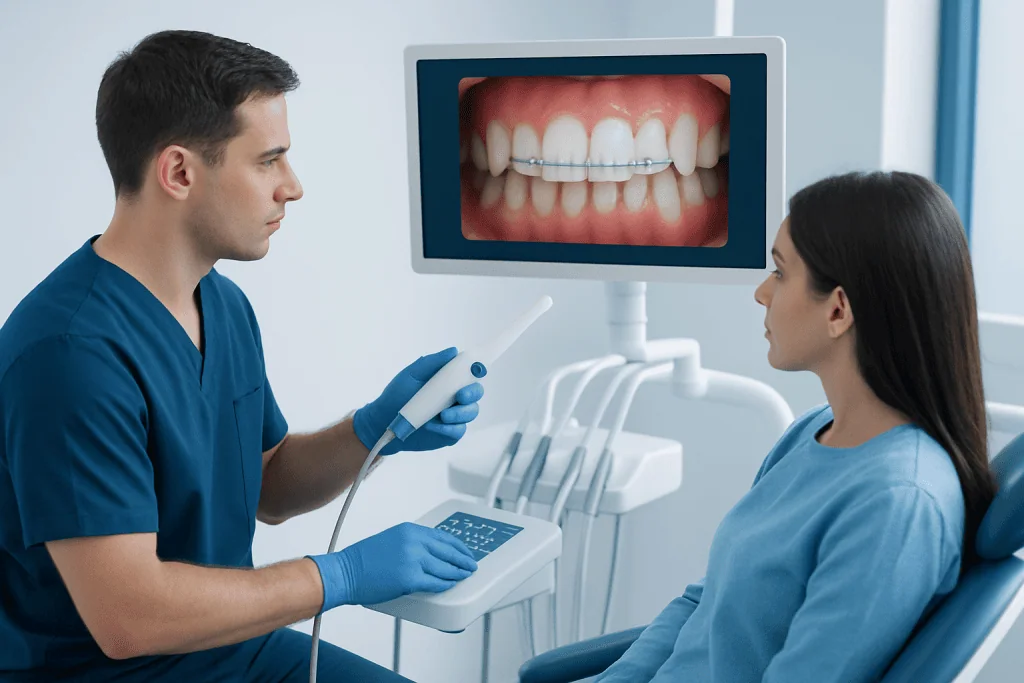
A dentist or orthodontist places the wire after the teeth have been aligned. The wire is shaped to fit the inner contour of the teeth and secured with small amounts of tooth-colored dental bonding material. The procedure is usually straightforward and does not require surgery. Once placed, the retainer should feel smooth enough that it does not interfere with normal speaking or biting after a short adjustment period.
Fixed retainers can be particularly useful for people whose lower front teeth were crowded before orthodontic treatment, since these teeth commonly shift over time. They may also suit people who prefer not to rely only on a removable retainer or who have found it difficult to wear removable appliances consistently.
Not everyone needs, or is suited to, a permanent retainer. The best choice depends on tooth alignment, bite, gum health, oral hygiene habits and the long-term orthodontic plan. A fixed wire holds only the teeth to which it is attached; it does not necessarily prevent movement of back teeth or all bite-related changes. An orthodontist can explain whether a fixed retainer, removable retainer, or combination of both is appropriate.
Benefits and Limitations to Understand

The main benefit of permanent retainers is continuous retention. Because the wire remains in place, it can protect the alignment of selected teeth throughout the day and night. It is discreet, requires no daily insertion and is less likely to be misplaced than a removable appliance.
However, fixed retainers require a consistent cleaning routine. Food particles and plaque may collect around the bonding points and wire, particularly on the lower front teeth. If plaque is not removed effectively, it can contribute to bad breath, gum inflammation, tartar buildup and, over time, tooth decay or gum disease.
They can also loosen or break. A small area of bonding material may detach while the wire remains attached to other teeth, allowing one tooth to move. A bent wire can place unwanted pressure on a tooth. For these reasons, a permanent retainer should be checked during regular dental visits and whenever it feels different.
- Benefits include discreet, continuous support for tooth alignment.
- Limitations include more complex flossing and possible buildup of plaque or tartar.
- Fixed retainers may need repair after wear, damage or changes in dental treatment.
Daily Cleaning and Care
Careful brushing is essential for people with permanent retainers. Teeth should be brushed at least twice a day with fluoride toothpaste, taking extra time along the gumline, around each bonding pad and behind the front teeth. A soft toothbrush or electric toothbrush can be helpful when used gently and thoroughly.
Cleaning between teeth is equally important. Standard floss may need to be threaded beneath the wire using a floss threader, or a person may use orthodontic floss designed with a firm end. Interdental brushes and water flossers can be useful additions, but they do not always replace the plaque-removing action of floss where teeth touch. A dental professional can demonstrate techniques that suit the individual retainer design.
Regular professional cleanings help remove tartar that cannot be brushed away at home. People should tell their dental hygienist and dentist that they have a fixed retainer. Avoiding habits that may damage the wire or bonding is also sensible, such as biting hard objects, chewing ice, opening packages with teeth or repeatedly biting pens.
Common Problems and What to Do
A permanent retainer may occasionally feel rough, loose or sharp. This can happen if the bonding material chips, the wire bends, or food becomes trapped around it. A new space between teeth, a tooth that feels as though it has moved, or a change in how the teeth meet may also suggest that the retainer needs review.
If the wire becomes detached on one side but is still connected elsewhere, a person should avoid pulling, cutting or trying to glue it back into place. Doing so may damage enamel, irritate the gums or move teeth in an unintended direction. It is best to contact the orthodontist or dentist for advice and arrange an assessment.
Temporary orthodontic wax may help cover a small sharp area until an appointment is available, provided it can be placed safely and comfortably. Good oral hygiene should continue. If a removable retainer was also prescribed, it should only be worn according to the clinician’s instructions; forcing it over teeth that have shifted or around a damaged fixed wire may not be appropriate.
When to Seek Medical Care
A loose, broken, bent or missing permanent retainer should be assessed by a dentist or orthodontist as soon as reasonably possible. Prompt attention can help limit unwanted tooth movement and prevent irritation to the tongue, gums or cheeks. Routine dental care remains important even when the retainer seems intact.
Urgent dental advice is appropriate if there is significant pain, swelling of the gums or face, pus, fever, a dental injury, uncontrolled bleeding, or difficulty swallowing or breathing. These symptoms may indicate a problem beyond the retainer itself and should not be managed only at home.
People who notice persistent bleeding gums, worsening bad breath, visible tartar, sensitivity, or a change in tooth position should also schedule a dental examination. These concerns are often manageable, particularly when addressed early, but they need professional assessment to identify the cause.
Long-Term Follow-Up and Retainer Decisions
Retention is often a long-term part of orthodontic care. Teeth can change position throughout adulthood due to natural aging, biting forces, tooth loss, gum health changes and other factors. A fixed retainer may remain in place for many years when it is intact, hygienic and appropriate for the person’s dental situation.
Removal is not usually a decision to make without professional guidance. Once removed, teeth may shift unless another retention method is used. If a retainer is difficult to keep clean, repeatedly breaks, affects gum health, or interferes with planned dental work, a dentist or orthodontist can discuss repair, replacement or a removable alternative.
For people receiving care away from home, Acibadem International’s multidisciplinary dental and orthodontic specialists at JCI-accredited hospitals can assess retention needs and coordinate follow-up planning. The right approach is individualized, balancing stable tooth alignment with healthy gums, teeth and daily comfort.
Frequently asked questions
Are permanent retainers really permanent?
Permanent retainers are intended to remain bonded behind the teeth for long-term retention, but they are not necessarily lifelong. The wire or bonding material can wear, loosen or break, and a dentist or orthodontist may recommend repair, replacement or removal based on oral health and orthodontic needs.
Can teeth move with a permanent retainer?
Yes. A fixed retainer usually holds only the teeth connected to the wire, so other teeth can still move. Teeth attached to the wire may also shift if part of the retainer loosens or bends, which is why regular checks are important.
How should a permanent retainer be flossed?
Floss can be guided under the wire with a floss threader or orthodontic floss with a stiffened end. An interdental brush or water flosser may help clean around the wire, but a dental professional can recommend the most effective method for the individual arrangement of teeth.
Can a permanent retainer cause gum disease?
The retainer itself does not directly cause gum disease, but it can make plaque removal more challenging. If plaque and tartar accumulate, gums may become inflamed. Thorough home care and regular professional cleanings reduce this risk.
What happens if a permanent retainer breaks?
A broken or loose retainer should be reviewed by a dentist or orthodontist promptly. Do not attempt to cut, bend or glue it at home, as this can damage teeth or allow unwanted movement. If it is sharp, orthodontic wax may offer temporary protection until care is available.
Do people with permanent retainers still need removable retainers?
Sometimes. A fixed retainer generally supports only the front teeth it is bonded to and may not maintain the position of all teeth or the bite. An orthodontist may recommend a removable retainer in addition to a fixed one, often for nighttime use.
References
- American Association of Orthodontists
- American Dental Association
- National Health Service
- British Orthodontic Society
This article is for general information only and is not a substitute for professional medical advice. Please consult a qualified doctor about your individual situation.
Explore treatments in Turkey — costs, top hospitals & a free quote
JCI-accredited · board-certified surgeons · reply within 24h
Add us as a Preferred Source to see more of our trusted health content across Google Search, AI Overviews and Discover.

More from the Health Library



Related Specialists

Dr. Ali Arıkan
Emergency Service
Dr. Bilge Şentürk Çataloğlu
Anesthesiology
Assoc. Prof. Dr. Altuğ Yücekul
Orthopedic Surgery & Traumatology
Dr. Gül Sema Can
Gynecology & Obstetrics