Phobias: An Evidence-Based Guide for Patients

Phobias involve strong fear and avoidance that can interfere with work, school, travel, relationships, or health care. Common types include specific phobias, social anxiety disorder, and agoraphobia.
Key Takeaways
- Phobias involve strong fear and avoidance that can interfere with work, school, travel, relationships, or health care.
- Common types include specific phobias, social anxiety disorder, and agoraphobia.
- Diagnosis is based on symptoms, how long they last, and the degree of distress or functional impact.
- Treatment often includes psychotherapy, especially exposure-based cognitive behavioral therapy.
- Self-care strategies can support recovery, but persistent or disabling symptoms should be assessed by a qualified clinician.
Phobias are anxiety disorders that cause intense, persistent fear of specific objects, situations, or activities out of proportion to actual danger. With accurate diagnosis and evidence-based treatment, most people can reduce avoidance, feel more in control, and improve daily life.
Overview: what phobias are
Phobias are intense, persistent fears linked to particular objects, situations, places, or activities. The fear is stronger than the actual danger and often leads to avoidance, distress, or physical symptoms such as a racing heart, sweating, trembling, or shortness of breath. In everyday language, people may use the word casually, but medically, phobias are anxiety disorders that can affect daily functioning.
Phobias can develop in childhood, adolescence, or adulthood. Some are focused on very specific triggers, such as heights, flying, needles, animals, or seeing blood. Others involve broader situations, such as fear of being in public places where escape may feel difficult, or fear of social scrutiny and embarrassment. Although the experience can feel overwhelming, phobias are treatable, and many people improve with structured care.
A key feature is the cycle between fear and avoidance. Avoiding the trigger may bring short-term relief, but it can strengthen the fear over time. This is why treatment often focuses not only on symptom relief, but also on helping the person gradually rebuild confidence and reduce avoidance safely.
Types and symptoms of phobias
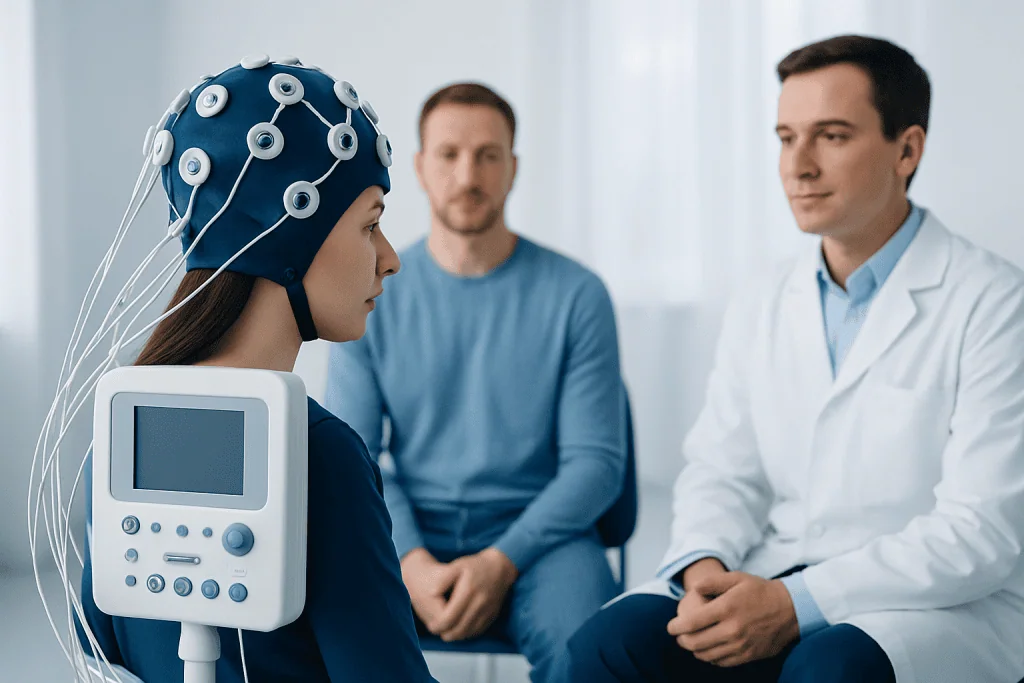
Clinicians generally group phobias into a few main categories. Specific phobia refers to fear of a clearly defined trigger, such as animals, storms, elevators, injections, dental procedures, or enclosed spaces. Social anxiety disorder involves marked fear of social situations where a person may feel observed, judged, or embarrassed. Agoraphobia is fear related to places or situations where leaving, getting help, or coping with panic-like symptoms may feel difficult. People looking for more information on this pattern may also read about agoraphobia.
Symptoms can be emotional, physical, and behavioral. Emotional symptoms include intense dread, panic, or a strong sense of losing control when facing the trigger. Physical symptoms may include fast heartbeat, chest tightness, dizziness, nausea, shaking, sweating, or a feeling of unreality. Behavioral symptoms usually involve avoiding the feared situation, enduring it with severe distress, or relying heavily on another person for reassurance.
Not every fear is a phobia. Many people dislike needles or feel uneasy before public speaking, but a phobia usually causes distress that is out of proportion, lasts over time, and disrupts normal life. For example, someone may refuse needed medical care because of needle fear, avoid work travel because of flying fear, or decline school or work opportunities because of severe social anxiety.
- Common triggers in specific phobia include heights, flying, animals, blood, injections, storms, darkness, and confined spaces.
- In social anxiety disorder, triggers may include meetings, eating in public, speaking with unfamiliar people, or performance situations.
- In agoraphobia, common feared situations include public transport, crowds, queues, open spaces, or being alone outside the home.
Causes and risk factors

Phobias do not have a single cause. They usually arise from a mix of biological, psychological, and environmental factors. Some people may have a genetic tendency toward anxiety sensitivity, meaning their body reacts strongly to stress or uncertainty. Differences in how the brain processes threat and learning may also contribute.
Life experiences can play a role. A frightening event, such as a dog bite, severe turbulence, a panic attack in a crowded place, or a distressing medical procedure, may become linked with fear. In other cases, the fear develops through repeated warnings, observing another person’s anxious reactions, or hearing about danger in a vivid way. For children, parents’ and caregivers’ responses can influence how fear is learned and maintained.
Certain factors can increase risk. These include a family history of anxiety disorders, a naturally cautious or inhibited temperament, other mental health conditions, and chronic stress. Some phobias begin after a period of major change, illness, or loss. It is also common for phobias to occur alongside other anxiety conditions, depression, or panic symptoms. Related conditions may overlap with panic attacks in some individuals, which is why a careful evaluation matters.
How phobias are diagnosed
Diagnosis begins with a clinical conversation about the fear itself, when it started, how often it occurs, and how it affects daily life. A doctor, psychiatrist, or psychologist will ask about specific triggers, physical symptoms, avoidance behaviors, and whether the person recognizes that the fear feels excessive or difficult to control. They may also ask about sleep, mood, alcohol or substance use, past trauma, and family history.
The diagnosis is based on established mental health criteria rather than a blood test or brain scan. In general, the fear needs to be persistent, create significant distress, or interfere with functioning. The clinician will also consider whether another condition may better explain the symptoms, such as generalized anxiety disorder, obsessive-compulsive disorder, post-traumatic stress disorder, or a medical problem causing panic-like symptoms.
Sometimes physical illness can mimic anxiety symptoms, especially when palpitations, breathlessness, dizziness, or chest discomfort are prominent. In those situations, a medical assessment may be recommended to rule out contributing issues. If the person has sudden episodes of overwhelming fear, clinicians may also explore whether a panic disorder pattern is present in addition to a phobia.
Treatment options for phobias
The most effective treatment for many phobias is psychotherapy, especially cognitive behavioral therapy with exposure-based techniques. In this approach, the person learns how fear works in the body and mind, then gradually faces the feared trigger in a planned, safe, step-by-step way. Over time, the nervous system can become less reactive, and the person can learn that anxiety rises and falls without needing avoidance. For many people, this is the central part of cognitive behavioral therapy.
Exposure therapy is tailored to the individual and can be done using images, imagination, virtual tools, or real-life practice, depending on the trigger. Therapy may also include breathing strategies, attention training, and work on unhelpful thoughts such as overestimating danger or underestimating one’s ability to cope. For social anxiety, treatment may include social skills practice and behavioral experiments. For agoraphobia or panic-related symptoms, clinicians may combine gradual exposure with education about the body’s stress response.
Medication is not always necessary, but it may be considered in selected cases, especially when symptoms are severe, broader anxiety or depression is also present, or access to therapy is limited. Treatment decisions should be individualized and made with a qualified clinician. Some people also benefit from an integrated psychiatric evaluation and treatment plan when symptoms are complex or when phobias coexist with other mental health conditions.
Care works best when it is practical and collaborative. A treatment plan may include setting small goals, involving family when appropriate, and addressing barriers such as missed appointments, fear of travel, or fear of medical procedures. Near the end of care planning, some patients may seek multidisciplinary support; Acibadem International’s specialists in JCI-accredited hospitals diagnose and treat anxiety-related conditions for international patients when a more coordinated assessment is needed.
Self-care and daily coping strategies
Self-care cannot replace professional treatment when a phobia is severe, but it can support progress. Learning about the fear cycle often helps people understand why avoidance provides short relief yet keeps the problem active. Simple tracking of triggers, physical sensations, thoughts, and avoidance habits can make patterns clearer and help a clinician build a treatment plan.
Helpful habits include regular sleep, balanced meals, physical activity, and limiting excess caffeine or other stimulants that may worsen physical anxiety symptoms. Relaxation techniques such as slow breathing, grounding exercises, and muscle relaxation can help lower arousal, although they work best as supportive tools rather than as ways to escape feared situations entirely. Some people find it useful to prepare coping statements, such as reminding themselves that anxiety is uncomfortable but temporary.
Support from trusted family or friends can be valuable, especially when they encourage gradual, realistic goals instead of helping the person avoid every trigger. It is usually more helpful to take small steps than to force sudden, overwhelming exposure without guidance. When the phobia affects essential care, such as medical visits, dental treatment, or travel, a clinician can help develop a practical strategy to reduce barriers and improve safety.
- Keep a brief record of triggers and avoidance patterns.
- Practice healthy routines that reduce overall stress load.
- Use coping skills to stay present, not to suppress every feeling.
- Work toward gradual exposure goals agreed with a clinician.
When to seek medical care
Medical or mental health care should be sought if fear is interfering with work, school, relationships, travel, driving, sleep, or access to health services. Assessment is also important if the person is avoiding essential situations, such as medical tests, routine checkups, or urgent treatment because of needles, enclosed spaces, crowds, or public settings.
Prompt evaluation is especially advisable when symptoms are becoming more frequent, expanding to new situations, or occurring together with depression, substance misuse, panic attacks, or thoughts of self-harm. If there is chest pain, fainting, severe shortness of breath, or another symptom that could reflect a medical emergency, urgent medical attention should come first.
People do not need to wait until symptoms become extreme. Early support can prevent avoidance from becoming more entrenched. In some cases, a broader neurology assessment or general medical review may be advised if symptoms such as dizziness, shaking, or altered sensations suggest another condition that needs evaluation alongside anxiety.
Frequently asked questions
What is the difference between a normal fear and a phobia?
A normal fear is a natural response to potential danger and may not interfere much with daily life. A phobia is more intense, lasts over time, and often leads to strong avoidance or distress that disrupts work, school, relationships, or health care.
Can phobias go away on their own?
Some fears may lessen over time, especially if they are mild. However, persistent phobias often continue or become more limiting because avoidance reinforces the fear, so professional treatment can be very helpful.
Are phobias a type of anxiety disorder?
Yes. Phobias are classified within anxiety-related disorders because they involve intense fear, physical anxiety symptoms, and avoidance of triggers. Common forms include specific phobia, social anxiety disorder, and agoraphobia.
What is the best treatment for phobias?
For many people, the most effective treatment is psychotherapy, especially cognitive behavioral therapy with gradual exposure. The exact plan depends on the type of phobia, how severe it is, and whether other conditions such as depression or panic symptoms are also present.
Can children develop phobias?
Yes, phobias can begin in childhood. Early fears are common, but when the fear is persistent, intense, and limits normal activities, a pediatric or mental health evaluation can help determine whether treatment is needed.
Do medications cure phobias?
Medications do not usually cure a phobia on their own, but they may help some people manage severe symptoms or related anxiety and depression. A clinician can explain whether medication is appropriate as part of a broader treatment plan.
This article is for general information only and is not a substitute for professional medical advice. Please consult a qualified doctor about your individual situation.
Phobias in Turkey — costs, top hospitals & a free quote
JCI-accredited · board-certified surgeons · reply within 24h
Add us as a Preferred Source to see more of our trusted health content across Google Search, AI Overviews and Discover.

More from the Health Library

Boy or Girl: A Complete Medical Overview

Polyhydramnios: An Evidence-Based Guide for Patients

Chocolate Cyst: An Evidence-Based Guide for Patients

Folic Acid: What Patients Need to Know

Where Is Waist Measured: An Evidence-Based Guide for Patients