Physical Therapy Carpal Tunnel Treatment: How It Works, Results and What to Expect

Physical therapy may improve pain, tingling, hand function, and confidence with daily activities in mild-to-moderate carpal tunnel syndrome. Treatment is individualized and commonly includes wrist-position advice, median nerve and tendon gliding, gentle strengthening, and ergonomic changes.
Key Takeaways
- Physical therapy may improve pain, tingling, hand function, and confidence with daily activities in mild-to-moderate carpal tunnel syndrome.
- Treatment is individualized and commonly includes wrist-position advice, median nerve and tendon gliding, gentle strengthening, and ergonomic changes.
- Improvement may take several weeks; therapy does not reliably reverse severe or long-standing nerve damage.
- A clinician may recommend a night wrist splint, medicines, injection treatment, or surgery depending on symptom severity and test results.
- New weakness, constant numbness, loss of thumb muscle bulk, or symptoms after a wrist injury warrant timely medical care.
Physical therapy carpal tunnel treatment uses education, activity modification, targeted hand and nerve exercises, and sometimes splint guidance to ease pressure and irritation around the median nerve. It is most helpful when symptoms are mild to moderate and assessed early, while persistent numbness, weakness, or muscle wasting need prompt medical evaluation.
Overview: How Physical Therapy Carpal Tunnel Treatment Works
Physical therapy carpal tunnel treatment is a non-surgical approach for carpal tunnel syndrome, a condition in which the median nerve becomes compressed as it passes through a narrow space at the wrist. The median nerve supplies feeling to the thumb, index, middle, and part of the ring finger, and helps control some thumb movements. Compression can cause tingling, numbness, pain, clumsiness, or weakness, often worse at night or during repeated hand use.
A physical therapist does not simply provide exercises. Treatment begins by identifying tasks, wrist positions, and health factors that may be contributing to symptoms. The plan may include education, changes to how the hand and wrist are used, carefully selected mobility exercises, and gradual strengthening when appropriate. The goal is to reduce irritation of the nerve, protect hand function, and help the person return to daily activities safely.
Physical therapy is usually considered for mild-to-moderate symptoms, particularly when there is no clear evidence of major nerve damage. It may also support recovery after other treatments, including carpal tunnel surgery, when surgery is advised by a hand specialist.
Who May Benefit and How Candidacy Is Assessed
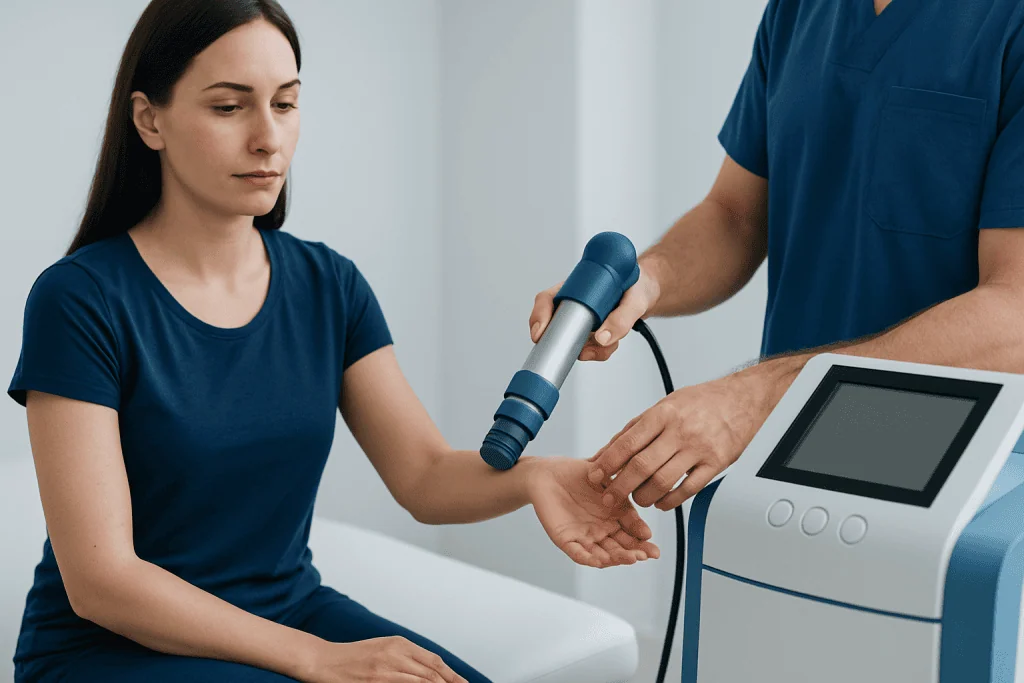
People may be suitable for conservative care when tingling and numbness are intermittent, hand strength is largely preserved, and symptoms have been present for a relatively short time. Therapy may be especially useful for people whose symptoms relate to repetitive work, prolonged wrist bending, computer or tool use, pregnancy-related swelling, or an awkward sleeping position. It can also be part of care for people with health conditions associated with carpal tunnel syndrome, such as diabetes or thyroid disease.
Assessment normally includes discussion of symptoms, work and leisure activities, sleep disruption, medical history, and previous treatments. The therapist examines wrist and finger movement, grip and pinch strength, sensation, posture, and the way the upper limb is used during relevant tasks. The examination helps distinguish carpal tunnel syndrome from other causes of arm or hand symptoms, including neck-related nerve irritation, tendon conditions, or other nerve compressions.
A doctor may recommend nerve conduction studies and electromyography, often called EMG, when the diagnosis is uncertain, symptoms are severe, or surgery is being considered. Ultrasound may sometimes help assess the median nerve. These tests do not replace the clinical assessment; together, they guide an appropriate treatment plan and identify cases that should not be managed with therapy alone.
- Intermittent tingling or night symptoms may respond well to conservative measures.
- Constant numbness, marked weakness, or shrinking of thumb muscles can indicate more advanced nerve compression.
- Symptoms affecting both hands or accompanied by other medical concerns may require a broader evaluation.
What Happens During Physical Therapy Carpal Tunnel Treatment

The first appointment is used to set practical goals, such as sleeping with fewer symptoms, typing more comfortably, returning to a job task, or managing household activities. The therapist explains the condition in clear terms and identifies movements or positions that may increase pressure within the carpal tunnel. This education is important because repeated prolonged wrist flexion or extension can aggravate symptoms in some people.
Hands-on treatment may be used selectively. Depending on the findings, it can include gentle movement of the wrist and fingers, soft-tissue techniques around the forearm, or joint mobilization. These approaches are intended to improve comfortable movement and may be combined with home strategies rather than used as a stand-alone solution. Treatments that cause a major or sustained increase in tingling, numbness, or pain should be discussed with the therapist.
Exercise often focuses on tendon-gliding and median nerve-gliding movements. These are controlled, low-load movements designed to help the tendons and nerve move more freely relative to nearby tissues. A therapist also may introduce gentle grip, pinch, and thumb-strengthening exercises once symptoms settle. The exact exercise choice, range, and frequency are individualized; more forceful exercise is not necessarily better for an irritated nerve.
Ergonomic guidance is another central step. This may involve adjusting keyboard, mouse, workstation, tool grip, lifting technique, breaks, or sleep position. A neutral-position wrist splint, commonly worn at night, may be recommended by a clinician to limit wrist bending during sleep. Some people are also referred for medical treatments such as a corticosteroid injection when symptoms remain troublesome despite initial measures.
Benefits, Limitations and Possible Risks
The potential benefits of therapy include less nighttime tingling, improved comfort during hand use, better understanding of triggers, and improved ability to carry out daily tasks. It is non-surgical and can be adapted around work, family responsibilities, and other health conditions. For people whose symptoms improve, the skills learned in therapy may help prevent recurrence by supporting healthier activity patterns and early response to flare-ups.
However, therapy has limits. If the median nerve is severely compressed, non-surgical care may not adequately restore sensation or strength. Delaying specialist assessment in the presence of ongoing numbness, progressive weakness, or thumb muscle wasting may increase the risk of lasting nerve dysfunction. A person should not assume that continued exercises alone are sufficient if symptoms are deteriorating.
Physical therapy is generally low risk when it is appropriately prescribed. Temporary mild soreness can occur after new exercises or changes in activity. Nerve gliding or stretching performed too aggressively can temporarily increase tingling or pain, which is why instruction and gradual progression matter. The therapist should be told about symptom changes so the plan can be adjusted promptly.
Some approaches, including splinting, medication, injections, therapy, and surgery, may be combined rather than viewed as competing options. The best plan depends on severity, test results, occupation, underlying conditions, and personal priorities. A hand surgeon, neurologist, rehabilitation physician, or orthopedic specialist may contribute to decision-making when needed.
Can Carpal Tunnel Be Healed With Physical Therapy?
Physical therapy can substantially improve carpal tunnel symptoms for some people, especially when compression is mild or moderate and the factors contributing to it can be changed. Symptoms may settle when wrist position is protected, aggravating activities are modified, and the nerve is not repeatedly irritated. In this setting, treatment can help a person return to normal or near-normal hand use.
It is more accurate to describe therapy as reducing nerve irritation and supporting recovery than as guaranteeing a permanent cure. Carpal tunnel syndrome can return if swelling, repetitive strain, an underlying medical condition, or prolonged wrist positioning continues. Ongoing self-management and early review of recurring symptoms can be valuable.
When nerve tests or examination indicate severe compression, surgery to release the pressure on the median nerve may provide the most appropriate definitive treatment. Physical therapy can still have a role before surgery through education and symptom management, and afterwards through guidance on movement, scar care when appropriate, and return to activities.
How Long Does Physical Therapy for Carpal Tunnel Take?
The duration of care varies because symptoms, triggers, and nerve involvement differ widely. Many people follow a home program from the first visit and attend several therapy sessions over a period of weeks. A clinician may reassess progress after a short trial of conservative treatment to determine whether symptoms, sleep, strength, and function are improving.
Some people notice early relief after changing nighttime wrist position or reducing an aggravating activity. More consistent improvement in function may take several weeks, particularly if symptoms have been present for months or work tasks are difficult to modify. Progress is usually measured by changes in numbness, night waking, hand use, strength, and ability to complete meaningful activities, not by a fixed timetable.
If symptoms are unchanged, worsen, or recur quickly despite a well-followed plan, further medical assessment is appropriate. This may include nerve testing, review of medical conditions, a trial of injection treatment, or discussion of surgical release. The plan should be based on response and clinical findings rather than continuing treatment indefinitely without improvement.
How Painful Is Carpal Tunnel Recovery?
Recovery from conservative treatment is usually not expected to be painful. Exercises and manual techniques should generally feel gentle and controlled, although a person may notice temporary stretching, mild muscular soreness, or brief awareness of tingling. Significant pain, prolonged worsening of numbness, or new weakness should be reported rather than pushed through.
When surgery is needed, recovery experiences vary. The hand and palm can be sore or tender during early healing, and grip strength may take time to feel normal. A surgical team provides individualized advice about wound care, hand use, pain relief, and the timing of work or sport. Therapy may be recommended for stiffness, scar sensitivity, or difficulty returning to specific activities.
Whether recovery follows therapy or surgery, gradual return to activity is usually more comfortable than abruptly resuming demanding repetitive tasks. Pacing, regular breaks, neutral wrist positioning, and attention to symptom response can help protect recovery. The treating clinician can advise when a particular occupation or activity needs tailored restrictions.
Does the Carpal Tunnel Ever Fully Heal? When to Seek Medical Care
Carpal tunnel syndrome can fully resolve in some people, particularly when it is identified early and the source of pressure or swelling improves. For example, symptoms related to temporary fluid retention, a change in work demands, or an avoidable wrist position may settle with appropriate care. Recovery is less predictable when nerve compression has been severe, long-lasting, or associated with loss of muscle function.
Medical care should be sought promptly for constant numbness, increasing hand weakness, dropping objects, difficulty pinching with the thumb, visible reduction in thumb muscle bulk, or symptoms following wrist trauma. A clinician should also evaluate symptoms that spread beyond the typical fingers, begin with neck pain, or do not improve with conservative measures. These signs do not necessarily mean permanent damage, but they deserve timely assessment.
At Acibadem International, multidisciplinary specialists in orthopedics, neurology, rehabilitation, and hand surgery can assess carpal tunnel syndrome and discuss suitable non-surgical and surgical options for international patients in JCI-accredited hospitals. A tailored review helps ensure that rehabilitation, medical treatment, and surgery are considered at the right time.
For day-to-day prevention, people can avoid prolonged extreme wrist positions, take short movement breaks during repetitive tasks, vary hand-intensive activities, and address relevant health conditions with their doctor. A neutral wrist position during sleep and work is often helpful. Persistent symptoms should be evaluated rather than self-treated indefinitely.
Frequently asked questions
What exercises are used in physical therapy for carpal tunnel syndrome?
A therapist may prescribe median nerve-gliding and tendon-gliding movements, along with gentle wrist, finger, and thumb exercises. The program is tailored to symptoms and should not provoke lasting worsening of tingling, numbness, or pain. Ergonomic changes and activity pacing are usually as important as the exercises themselves.
Should a wrist splint be worn during physical therapy for carpal tunnel?
A neutral-position wrist splint is commonly recommended at night because many people bend their wrists while sleeping, which can worsen symptoms. Some people may also use a splint for selected daytime tasks. A clinician can advise on fit, timing, and whether splinting is appropriate for the individual.
Can physical therapy make carpal tunnel worse?
Appropriately prescribed therapy is generally safe, but overly forceful stretching, nerve gliding, or strengthening can temporarily aggravate symptoms. Exercises should be comfortable or only mildly challenging and adjusted if symptoms lastingly worsen. New weakness or persistent numbness requires medical review.
How do doctors know whether carpal tunnel is severe?
Severity is assessed through symptoms, examination of sensation and muscle strength, and sometimes nerve conduction studies or electromyography. Constant numbness, thumb weakness, and loss of thumb muscle bulk can suggest more significant nerve involvement. These findings may lead to referral to a hand or nerve specialist.
Is surgery always needed for carpal tunnel syndrome?
No. Many people with mild or moderate symptoms improve with activity changes, splinting, physical therapy, and treatment of contributing health conditions. Surgery is more often considered when symptoms are severe, do not improve with non-surgical treatment, or tests show substantial nerve compression.
Can carpal tunnel return after successful treatment?
Yes, symptoms can recur if the median nerve is again exposed to pressure or if contributing factors persist. Regular breaks, neutral wrist positioning, appropriate work setup, and early attention to returning symptoms may reduce this risk. A clinician should evaluate recurrent or changing symptoms to confirm the cause.
References
- National Institute of Neurological Disorders and Stroke
- American Academy of Orthopaedic Surgeons
- American Society for Surgery of the Hand
- National Health Service
- Mayo Clinic
This article is for general information only and is not a substitute for professional medical advice. Please consult a qualified doctor about your individual situation.
Explore treatments in Turkey — costs, top hospitals & a free quote
JCI-accredited · board-certified surgeons · reply within 24h
Add us as a Preferred Source to see more of our trusted health content across Google Search, AI Overviews and Discover.