Physical Therapy in Hospice Care: How It Works, Results and What to Expect

Hospice physical therapy focuses on comfort, safety, dignity and meaningful daily activities rather than restoring full function. A physical therapist may teach safe transfers, recommend equipment, support gentle movement and help manage symptoms related to movement.
Key Takeaways
- Hospice physical therapy focuses on comfort, safety, dignity and meaningful daily activities rather than restoring full function.
- A physical therapist may teach safe transfers, recommend equipment, support gentle movement and help manage symptoms related to movement.
- Not everyone receiving hospice needs physical therapy; eligibility depends on the person’s goals, symptoms, energy and expected benefit.
- Therapy frequency and duration can change as health needs change, and sessions can be paused or stopped at any time.
- New severe pain, sudden weakness, a fall, chest symptoms or significant breathing changes should be reported promptly to the hospice team.
Physical therapy in hospice care is comfort-focused support that helps a person move as safely and comfortably as possible while living with a life-limiting illness. Sessions are individualized and may address pain, positioning, transfers, falls, breathlessness and ways for caregivers to assist without causing strain.
Overview: how physical therapy in hospice care works
Physical therapy in hospice care is a specialized form of supportive care for people living with a terminal or life-limiting illness. Its purpose is not necessarily to rebuild strength or prolong life. Instead, the physical therapist works with the person, family and hospice team to improve comfort, make movement safer, reduce avoidable strain and help the person participate in activities that remain meaningful to them.
Goals may be very practical. A person may want to get from bed to a chair with less pain, walk safely to the bathroom, sit upright to visit with family, manage stairs for a short period, or learn a more comfortable position for rest. The therapist adapts recommendations to the person’s energy, symptoms, prognosis, home setting and wishes.
Hospice care is interdisciplinary. Physical therapists coordinate with hospice physicians, nurses, occupational therapists, social workers, pharmacists, spiritual care professionals and caregivers. This coordination helps ensure that mobility advice supports the overall care plan, including symptom relief and the person’s priorities.
Who may benefit and what candidacy means
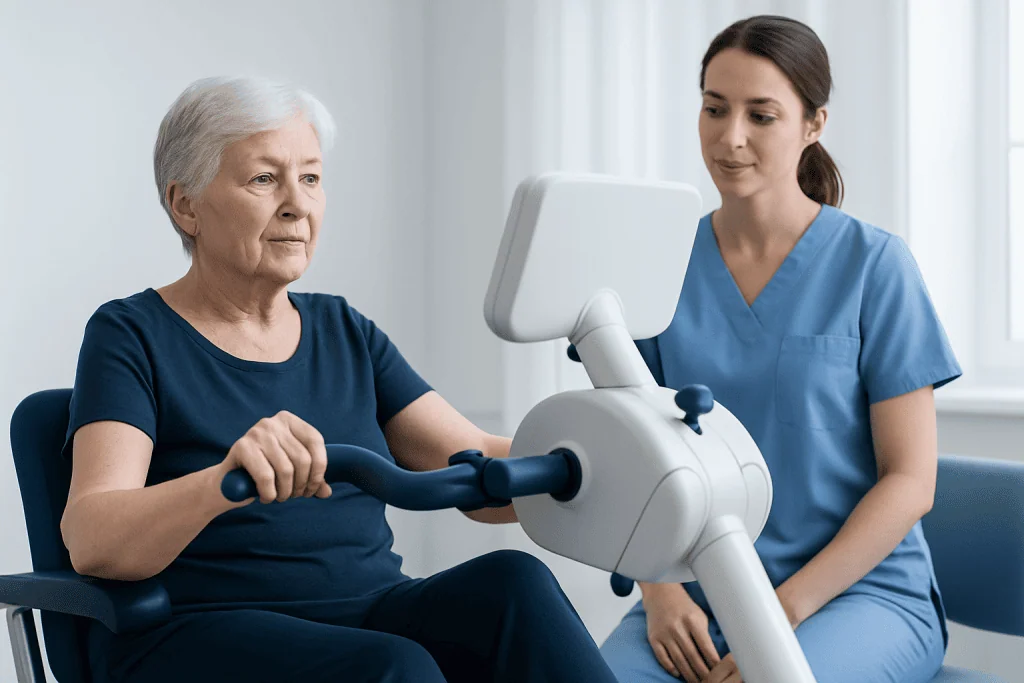
Physical therapy may be considered when movement causes pain, fear, fatigue or safety concerns, or when family caregivers need help assisting a person at home. It can be useful for people with advanced cancer, neurological conditions, heart or lung disease, frailty, severe arthritis, injury or progressive weakness. The person does not need to be able to exercise intensively to benefit.
Suitable goals are specific and realistic. They may include learning a safer way to turn in bed, maintaining enough mobility to use the toilet, reducing pressure discomfort through positioning, choosing an appropriate walking aid, or teaching caregivers how to assist with transfers. A therapist may also recommend when reducing activity or using a wheelchair is safer and more comfortable.
Whether therapy is appropriate is reviewed regularly. A person may not benefit from a visit if movement is too distressing, symptoms are changing rapidly, or rest is the clear priority. Declining therapy is always acceptable. Hospice teams should adjust the plan as the person’s preferences and condition evolve.
- Potential benefits include safer mobility, less caregiver strain and better comfort with movement.
- Common reasons for referral include falls, difficulty getting in or out of bed, pain during transfers, breathlessness with activity and concerns about equipment.
- Care goals should be led by the person whenever possible, with family involvement according to their wishes.
What happens during a hospice physical therapy visit

A hospice physical therapy visit typically begins with a conversation about what matters most to the person. The therapist asks about pain, tiredness, breathlessness, dizziness, recent falls, daily routines, sleep, medications that may affect balance and the practical layout of the home. They also ask caregivers what tasks feel difficult or unsafe.
The therapist then performs a gentle assessment. Depending on the person’s tolerance, this may include observing posture, comfort in bed or a chair, ability to change position, balance, walking pattern and how much help is needed for a transfer. The assessment is not a test that a person can fail; it is a way to identify the safest and least burdensome approach.
Interventions are usually simple and immediately relevant. They may include positioning strategies, gentle range-of-motion movements, pacing and breathing techniques, transfer practice, fall-prevention changes, instruction in using a walker or wheelchair, and recommendations for a bedside commode, shower chair, hospital bed or pressure-relieving cushions. The therapist may demonstrate a technique, watch a caregiver practice it and provide clear written guidance.
Visits are often brief and flexible. The therapist may stop early if the person becomes uncomfortable, overly tired, dizzy or breathless. Between visits, the plan should remain manageable; a hospice program is not meant to add exhausting exercises or obligations.
Benefits, limits and possible risks
The main benefits of hospice physical therapy are comfort, confidence and safety. Better positioning can ease discomfort and help protect vulnerable skin. Safer transfer techniques can reduce the risk of falls and decrease physical strain for family caregivers. Mobility advice may also help a person conserve energy for activities that are personally important, such as eating at a table or sitting with visitors.
Therapy cannot reverse the underlying terminal illness, and it may not restore lost function. Energy and ability can vary greatly from one day to the next. For this reason, success is measured by whether the care supports the person’s comfort and goals, not by a fixed exercise target or amount of walking.
Movement also has potential risks, particularly for people with severe weakness, fragile bones, poor balance, low blood pressure, advanced disease or substantial pain. Risks may include fatigue, dizziness, a fall, worsening pain or shortness of breath. Therapists reduce these risks by using low-intensity approaches, monitoring symptoms and recommending assistance or equipment when needed.
The person or caregiver should tell the therapist and hospice nurse about any symptom change. Therapy should be modified or stopped if it causes distress or does not provide meaningful benefit.
How long can a PT be on hospice?
A physical therapist can remain involved for as long as hospice services consider therapy helpful and consistent with the person’s goals of care. There is no universal time limit based solely on being enrolled in hospice. The frequency may range from a single consultation to intermittent visits or a short period of more regular support.
In hospice, therapy is commonly reassessed as symptoms and needs change. For example, a therapist may initially focus on walking safety, then later shift to caregiver training, bed positioning and comfort-focused transfers. Visits may become less frequent when caregivers feel confident, when equipment needs are resolved, or when the person prefers rest.
Coverage rules and service availability vary by country, insurance plan and hospice provider. The hospice coordinator can explain what is included in an individual care plan and how referrals are arranged.
What is the 8 minute rule in physical therapy?
The 8 minute rule is a billing guideline used in some United States healthcare settings for certain timed, one-to-one therapy services. In general, at least eight minutes of a timed service are needed before one billing unit may be reported under applicable Medicare rules. It is an administrative rule, not a clinical measure of whether therapy is worthwhile.
It does not mean that every physical therapy session must last a specific length of time, and it does not determine how long a person should exercise. Hospice care may have different payment arrangements and documentation requirements, so the rule may not apply in the same way to every hospice service.
For patients and families, the more important question is whether a visit has a clear comfort, safety or caregiver-support goal. A short visit can be valuable if it helps solve a practical problem without overtaxing the person.
What is a red flag in physical therapy?
A red flag in physical therapy is a sign or symptom that may indicate a serious problem requiring medical review rather than routine exercise or mobility practice. In hospice, red flags should be considered in the context of the established care plan, including whether the person wishes hospital-based assessment or prefers symptom management at home.
Examples include sudden new weakness or numbness, a new inability to speak clearly, severe or rapidly worsening pain, a fall with possible injury, fainting, chest pain, new severe shortness of breath, coughing up blood, uncontrolled bleeding, confusion that is new or markedly worse, or signs of an allergic reaction. New swelling, heat and pain in one leg can also need prompt assessment.
The caregiver should contact the hospice nurse or on-call hospice service promptly for new or concerning symptoms. In an immediately life-threatening emergency, local emergency services may be needed, unless the person’s documented goals of care specify a different approach.
Why do hospice patients get morphine?
Morphine is an opioid medicine that may be prescribed in hospice to relieve moderate to severe pain and, in some situations, the sensation of air hunger or breathlessness. Its use is based on symptom relief and comfort, not on a goal of hastening death. When prescribed appropriately, the hospice team monitors response and adjusts the plan to the person’s needs.
Not every hospice patient receives morphine. The choice of medicine depends on symptoms, prior opioid use, kidney and liver function, allergies, side effects, personal preferences and the overall care plan. Other approaches, such as positioning, calm breathing support, oxygen when appropriate and treatment of reversible causes, may also be used for breathlessness.
Possible opioid side effects include sleepiness, nausea, constipation, itching and confusion. Families should use medication exactly as directed and contact the hospice team if pain or breathlessness is not controlled, if side effects are troublesome, or if there is concern about unusual sedation or breathing changes. Medication decisions should always be guided by the prescribing clinician.
When to seek medical care
Hospice programs generally provide a 24-hour contact route for urgent concerns. The hospice nurse should be contacted promptly after a fall, sudden decline in mobility, uncontrolled pain, new severe breathlessness, new confusion, fever or other symptoms that worry the person or family. Early communication can often allow comfort measures to be adjusted in the home.
It is particularly important to seek urgent guidance for chest pain, fainting, sudden one-sided weakness, a possible fracture, major bleeding, severe allergic symptoms or marked difficulty breathing. The hospice team can help the family decide what response best matches the person’s clinical situation and documented wishes.
Families should not try to lift or transfer a person alone if doing so feels unsafe. A physical therapist can teach safer methods, recommend equipment and clarify when additional help is needed. Acibadem International’s multidisciplinary specialists and JCI-accredited hospitals can assess complex mobility, symptom and supportive-care needs for international patients.
Frequently asked questions
Is physical therapy appropriate for someone in hospice?
It can be appropriate when it supports comfort, safety, caregiver training or a meaningful daily activity. Hospice physical therapy is individualized and should never place rehabilitation goals above the person’s energy, symptoms or wishes. The hospice team can help determine whether a referral is likely to be useful.
Does hospice physical therapy involve strenuous exercise?
Usually, no. Activities are adapted to the person’s tolerance and may focus on positioning, gentle movement, safe transfers, walking support or energy conservation. The goal is to avoid overexertion while helping the person remain as comfortable and safe as possible.
Can a physical therapist help caregivers at home?
Yes. Caregiver education is often one of the most valuable parts of hospice physical therapy. A therapist may teach safer ways to assist with turning, sitting, standing and transfers, and may recommend equipment that reduces strain for everyone involved.
Can physical therapy reduce pain in hospice?
It may help reduce pain related to positioning, stiffness, muscle strain or difficult transfers. A therapist can suggest comfortable positions, gentle movement and supportive equipment, but pain medication and other symptom treatments remain important parts of hospice care. Persistent or worsening pain should be reported to the hospice team.
What happens if a person becomes too weak for therapy?
The focus can shift from walking or exercise to comfort measures, positioning and caregiver guidance. Therapy visits may be reduced, paused or stopped when rest is more beneficial. This is a normal adjustment in a person-centered hospice plan.
Can a hospice patient use a walker or wheelchair?
Yes, when it improves safety and comfort. A physical therapist can assess whether a walker, wheelchair, bedside commode, transfer device or other equipment is suitable, and can teach safe use. Equipment choices should be based on the person’s strength, balance, home environment and goals.
References
- World Health Organization
- National Institute on Aging
- National Hospice and Palliative Care Organization
- Centers for Medicare & Medicaid Services
- American Physical Therapy Association
This article is for general information only and is not a substitute for professional medical advice. Please consult a qualified doctor about your individual situation.
Explore treatments in Turkey — costs, top hospitals & a free quote
JCI-accredited · board-certified surgeons · reply within 24h
Add us as a Preferred Source to see more of our trusted health content across Google Search, AI Overviews and Discover.