Planned Treatment: How It Works, Results and What to Expect

A planned treatment approach combines diagnosis, treatment goals, personal preferences and overall health. Cancer treatment plans may include surgery, chemotherapy, radiation therapy, immunotherapy, targeted therapy and supportive care.
Key Takeaways
- A planned treatment approach combines diagnosis, treatment goals, personal preferences and overall health.
- Cancer treatment plans may include surgery, chemotherapy, radiation therapy, immunotherapy, targeted therapy and supportive care.
- Schedules and treatment breaks are individualized; patients should not delay or stop treatment without speaking with their oncology team.
- Monitoring may include symptoms, examinations, blood tests and imaging, depending on the treatment and cancer type.
- A care plan can be revised when treatment response, side effects or circumstances change.
Planned treatment is an individualized roadmap for medical care, often used in cancer treatment, that explains which therapies may be recommended, in what order, and how the healthcare team will monitor progress. It is designed to support informed decisions while allowing changes when test results, side effects or personal needs change.
Overview: how planned treatment works
Planned treatment is a structured, personalized approach to medical care. In cancer care, it commonly describes the plan developed after diagnosis that sets out the recommended treatments, their likely sequence, the intended goals and the follow-up needed to assess safety and response. The plan is not a rigid promise or a one-size-fits-all pathway; it is a clinical framework that can be adjusted as new information becomes available.
A planned medical treatment may aim to cure a cancer, reduce the chance of recurrence after surgery, control disease, relieve symptoms or improve quality of life. The same treatment can have different goals for different people. Clear discussion of the goal helps patients understand why a certain therapy, timing or combination of therapies has been proposed.
Many planned treatments procedures involve a multidisciplinary team. Depending on the diagnosis, this can include medical oncologists, radiation oncologists, surgeons, radiologists, pathologists, specialist nurses, pharmacists, dietitians, psychologists and rehabilitation professionals. Their shared review helps ensure that care addresses both the disease and the person receiving treatment.
What does "plan of treatment" mean?
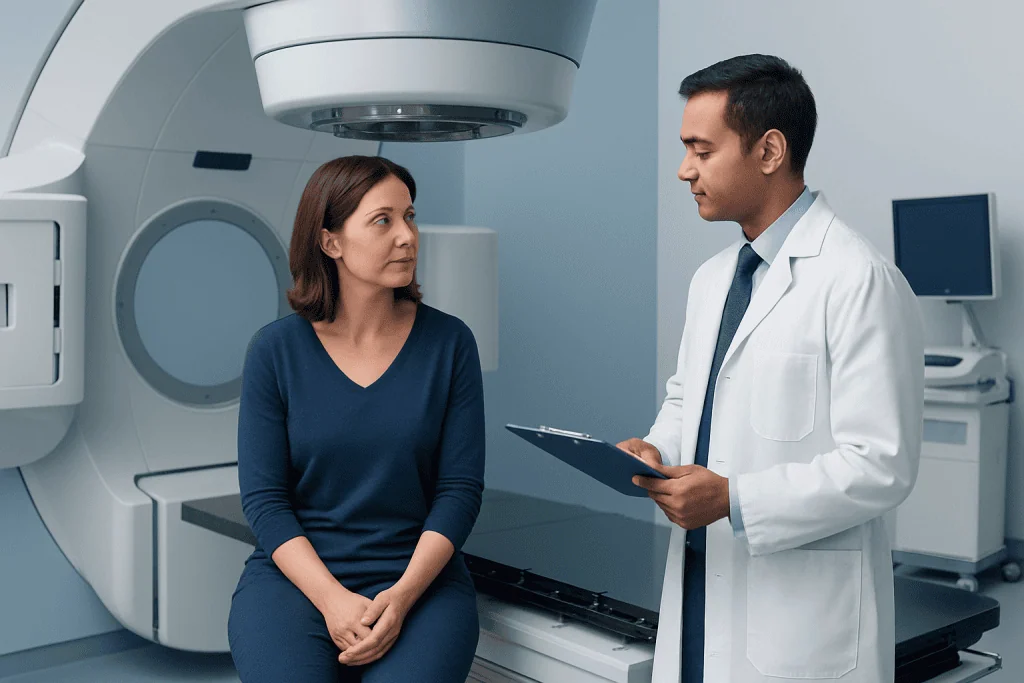
A plan of treatment is a written or discussed outline of the care a clinician recommends after evaluating a patient’s condition. In oncology, it may include the cancer type and stage, treatment goals, proposed therapies, expected timing, possible side effects, tests needed before and during treatment, and the healthcare professionals involved.
Treatment planning begins with accurate diagnosis. The team reviews pathology results, scans, laboratory findings, medical history, current medicines, fertility considerations where relevant, daily functioning and the patient’s preferences. For some cancers, molecular or genetic testing of the tumor may help identify whether a targeted treatment or immunotherapy could be suitable.
A treatment planning explanation should also cover alternatives. Patients can ask what would happen with each option, what benefits are reasonably expected, which side effects are common or serious, how treatment may affect work and family life, and what supportive services are available. They can also ask for time to consider the recommendation or seek a second opinion when appropriate.
- Local treatment: surgery or radiation therapy directed at a particular area.
- Systemic treatment: medicines, such as chemotherapy, immunotherapy, hormone therapy or targeted therapy, that travel through the body.
- Supportive care: help with pain, nutrition, fatigue, emotional wellbeing, infection prevention and other treatment-related needs.
Candidacy and choosing the right treatment pathway

Not every person needs the same planned treatments, even when they have the same named cancer. Suitability depends on the cancer’s location, stage, grade, biological features and whether it has spread. It also depends on general health, organ function, prior treatments, other medical conditions and the person’s priorities.
Some patients receive one main treatment, while others receive several therapies in a planned sequence. For example, medicine treatment may be used before surgery to shrink a tumor, after surgery to lower recurrence risk, or alongside radiation therapy in selected situations. The sequence is chosen to balance potential benefit with safety and recovery needs.
Before treatment starts, the team may arrange blood tests, imaging, heart or lung assessment, dental review, fertility counseling, medication review or placement of a venous access device. These preparations are part of safe care, not necessarily a sign that treatment will be difficult. Patients should tell the team about all prescription medicines, over-the-counter products, supplements and allergies.
For complex cancer decisions, a formal multidisciplinary review can be especially useful. The appropriate plan may also include referral for chemotherapy, radiation therapy or other specialist treatment, based on clinical findings rather than a standard schedule.
Step by step: from planning to active treatment
The first stage is usually information gathering. The care team confirms the diagnosis and extent of disease, discusses the proposed approach and obtains informed consent. Patients should receive practical information about appointments, preparation, possible side effects, whom to contact between visits and symptoms that require urgent advice.
For surgery, planning can involve imaging, anesthesia assessment and instructions about eating, medicines and recovery. For radiation therapy, patients may have a planning appointment called simulation. This often includes positioning and imaging so the radiation team can shape and direct treatment as accurately as possible while protecting nearby healthy tissue.
For chemotherapy or other drug treatment, each cycle usually involves checks before treatment, such as symptoms, physical assessment and blood tests. Medicines may be given by infusion, injection or tablets, depending on the regimen. The team may delay, reduce or change treatment if blood counts, organ function or side effects indicate that doing so is safer.
During active treatment, planned follow-up allows the team to address concerns early. Patients may be offered medicines for nausea, pain or other symptoms, nutritional guidance and psychosocial support. Keeping a simple record of symptoms, temperatures, medicines and questions can make discussions at appointments more productive.
What is a typical chemotherapy schedule?
A typical chemotherapy schedule is organized into cycles. A cycle includes treatment days followed by a recovery period, and cycles are repeated over a planned number of weeks or months. The exact pattern differs widely according to the cancer type, treatment medicines, treatment goal and how well the person tolerates therapy.
Some chemotherapy regimens are given weekly, every two weeks, every three weeks or at another interval. A cycle may involve one treatment day, several consecutive days of treatment, or a combination of infusion visits and tablets taken at home. The schedule is designed to give cancer cells treatment while allowing normal tissues, including bone marrow, time to recover.
Blood tests and clinical review help determine whether the next cycle can proceed as planned. A delay does not automatically mean that treatment has failed. It may be an appropriate safety measure if blood counts are low, side effects are significant or an infection develops.
Patients should use the schedule provided by their own oncology team rather than comparing it with another person’s plan. Treatment calendars are helpful, but patients should contact the clinic if an appointment is missed, a dose is vomited after oral treatment, or instructions are unclear.
How long can you take a break from chemo?
How long a person can take a break from chemotherapy depends on why the break is needed and the purpose of treatment. Sometimes a short delay is recommended to allow recovery from low blood counts, infection, surgery or troublesome side effects. At other times, the team may plan a longer pause, maintenance approach or a change in treatment based on response and individual circumstances.
There is no universally safe length of time for a chemotherapy break. When chemotherapy is being used with curative intent, keeping close to the planned schedule may be important, but safety always matters. When treatment is being used to control advanced cancer or relieve symptoms, the balance between disease control, side effects and quality of life may lead to different decisions.
Patients should not stop chemotherapy, skip cycles or restart medicine independently. The oncology team can explain the possible effects of a pause, arrange blood tests or imaging if needed, and discuss alternatives such as dose adjustment, symptom treatment or a different regimen.
A break from infusion treatment does not mean supportive care stops. Managing nutrition, sleep, activity, emotional wellbeing and symptoms remains important throughout treatment and recovery.
How do you know if radiation therapy is working?
Radiation therapy response is assessed in several ways, and the timing depends on the cancer being treated. The care team may consider changes in symptoms, physical examination findings, imaging scans, blood tests or tumor markers when they are relevant. For some cancers, a visible or measurable response cannot be assessed immediately because radiation effects continue after the last session.
Early swelling or inflammation after radiation can sometimes make an area appear temporarily changed on scans or feel more uncomfortable before improvement occurs. This does not necessarily mean the treatment is ineffective. The radiation oncologist will choose the right time for follow-up testing and interpret results in the context of the whole clinical picture.
Some radiation courses are intended to reduce pain, bleeding, pressure or other symptoms, so improvement in these symptoms can be an important sign of benefit. Other courses are given after surgery to reduce recurrence risk, meaning there may be no visible tumor to measure. In these settings, routine follow-up focuses on recovery and surveillance.
Patients should report new or worsening symptoms rather than waiting for the next appointment. The team can distinguish expected short-term effects from symptoms that need assessment or additional care.
Benefits, risks, recovery and when to seek medical care
The potential benefit of a planned treatment approach is that it coordinates care around a clear clinical goal while anticipating practical and supportive needs. It can help patients know what is likely to happen next and create opportunities to ask questions before each stage. However, all cancer treatments can have side effects, and the type and severity depend on the treatment, dose, area treated and individual health factors.
Recovery timelines vary. After an infusion, some people feel well quickly while others experience fatigue, nausea, appetite changes or lowered blood counts over the following days. Radiation-related effects may build gradually during treatment and can continue for a period afterward. Recovery after surgery often takes longer and depends on the procedure and the person’s baseline health.
Patients should seek urgent medical advice from their treatment team for fever or chills during chemotherapy, trouble breathing, chest pain, sudden confusion, uncontrolled vomiting, heavy bleeding, severe pain, signs of an allergic reaction, or inability to drink fluids. The team should also be contacted promptly for new symptoms, worsening side effects or concerns about an upcoming treatment appointment.
Acibadem International’s multidisciplinary specialists and JCI-accredited hospitals support international patients with diagnosis, treatment planning and follow-up for cancer care. A qualified oncology team can explain which planned treatment options are appropriate for an individual diagnosis and goals.
Frequently asked questions
Is a planned treatment plan final once it has been made?
No. A treatment plan is based on the best information available at the time, but it may change. Test results, treatment response, side effects, new health concerns and patient preferences can all affect the recommended approach.
Can a patient ask for a copy of their treatment plan?
Yes. Patients can ask their care team for a written summary or a clear explanation of the proposed plan. This may include the diagnosis, treatment goals, schedule, monitoring tests, expected side effects and contact information.
Why are blood tests done before chemotherapy?
Blood tests help the team check whether the body is ready for the next treatment cycle. They may assess blood cell counts, kidney and liver function, and other factors relevant to the medicines being used.
Does a chemotherapy delay mean the cancer is getting worse?
Not necessarily. Delays are often made to protect safety, such as when blood counts are low or side effects need time to improve. The oncology team considers the reason for the delay and explains whether any other changes are needed.
When are scans performed after radiation therapy?
The timing of scans depends on the cancer type, treatment aim and body area treated. Imaging is often scheduled after enough time has passed for radiation-related inflammation to settle and for a meaningful response to be assessed.
Can planned treatment include supportive or palliative care?
Yes. Supportive care is appropriate at every stage of cancer treatment and can help manage symptoms and treatment effects. Palliative care may also be offered alongside cancer-directed treatment to support comfort, functioning and quality of life.
References
- National Cancer Institute
- American Cancer Society
- European Society for Medical Oncology
- American Society of Clinical Oncology
- World Health Organization
This article is for general information only and is not a substitute for professional medical advice. Please consult a qualified doctor about your individual situation.
Oncology care in Turkey — second opinion and treatment plan
JCI-accredited · board-certified surgeons · reply within 24h
Add us as a Preferred Source to see more of our trusted health content across Google Search, AI Overviews and Discover.

More from the Health Library



Related Specialists
Prof. Dr. Mehmet Temel Yılmaz
Endocrinology
Dr. Fatma Kutlusoy Güçlü
Gynecology & Obstetrics
Dr. Abdulkadir Kırkgöz
Pediatrics
Assoc. Prof. Dr. Mine Yavuz Taşlıpınar
Clinical Laboratory