Polycystic Ovary Syndrome: Symptoms, Diagnosis, and Management

PCOS is a hormonal and metabolic condition; it is not defined only by ovarian cysts. Common signs include irregular periods, acne, excess facial or body hair, scalp hair thinning and difficulty with weight management.
Key Takeaways
- PCOS is a hormonal and metabolic condition; it is not defined only by ovarian cysts.
- Common signs include irregular periods, acne, excess facial or body hair, scalp hair thinning and difficulty with weight management.
- Diagnosis usually combines medical history, examination, blood tests and sometimes pelvic ultrasound, while excluding other causes.
- Treatment depends on the person’s goals, such as regulating periods, improving skin symptoms, supporting fertility or reducing metabolic risks.
- Healthy lifestyle habits, regular follow-up and individualized medical care are central to long-term PCOS management.
Polycystic ovary syndrome, often called PCOS, is a common hormonal condition that can affect menstrual cycles, skin, hair growth, metabolism and fertility. With an accurate diagnosis and a personalized management plan, many people with PCOS can reduce symptoms and protect long-term health.
Overview
Polycystic ovary syndrome is a common endocrine condition that affects how the ovaries work and how the body uses hormones such as insulin and androgens. Androgens are sometimes called male-type hormones, but they are naturally present in all women. In PCOS, higher androgen activity and irregular ovulation can lead to changes in menstrual cycles, skin, hair growth and fertility.
The name can be confusing. A person does not need to have ovarian cysts to have PCOS, and the small follicles seen on ultrasound are not dangerous cysts in the usual sense. They are immature egg-containing follicles that may be more numerous when ovulation is not occurring regularly. For this reason, PCOS is best understood as a hormonal and metabolic condition rather than simply an ovarian problem.
PCOS can begin around puberty, but some people are diagnosed later, especially when they are trying to conceive or when symptoms become more noticeable. The condition varies widely: one person may mainly have irregular periods, while another may have acne, excess hair growth, weight changes or metabolic concerns. Management is therefore individualized and may change over time.
Symptoms and Signs
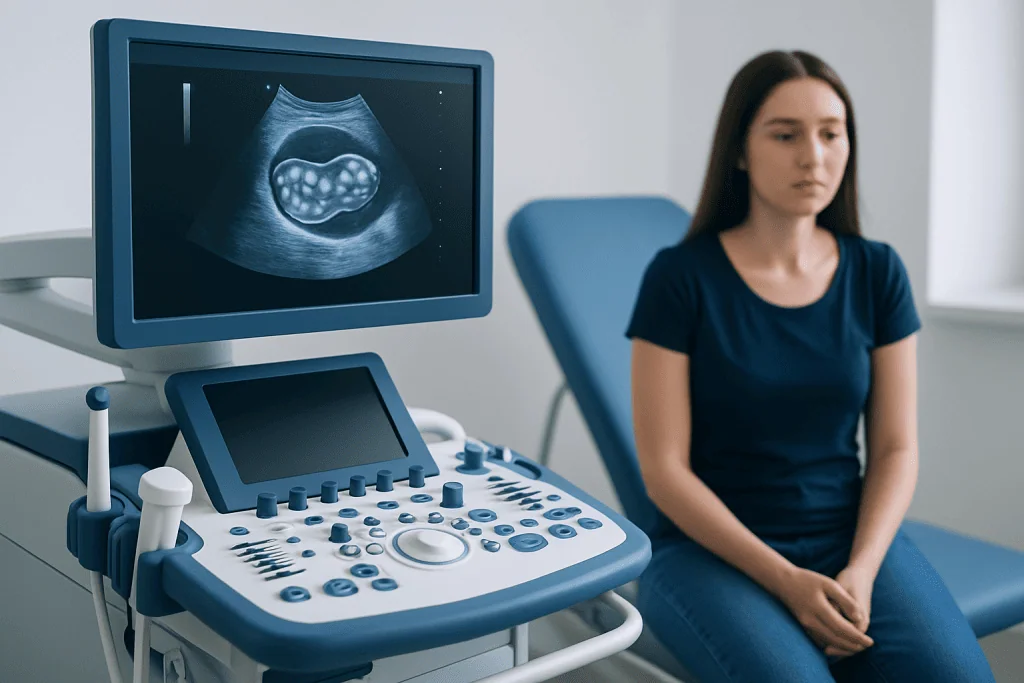
PCOS symptoms can be mild, moderate or more noticeable, and they may change with age, weight, stress, medications and reproductive goals. Irregular ovulation is one of the central features. This may appear as cycles that are longer than usual, unpredictable periods, very light or infrequent bleeding, or sometimes no periods for several months.
Higher androgen activity can affect the skin and hair follicles. Some people develop persistent acne, oily skin, increased facial or body hair, or thinning hair on the scalp. These symptoms can affect confidence and emotional wellbeing, and they deserve sensitive medical attention rather than being dismissed as cosmetic concerns.
Common features that may be seen in PCOS include:
- Irregular, infrequent or absent menstrual periods
- Difficulty predicting ovulation
- Acne that persists beyond the teenage years
- Excess hair growth on the face, chest, abdomen or back
- Scalp hair thinning or increased shedding
- Weight gain or difficulty losing weight, although PCOS can also occur in people with a lower body weight
- Dark, velvety skin patches in body folds, which may be linked to insulin resistance
Not everyone with PCOS has all of these signs. Some people first seek care because of fertility concerns, while others present with skin changes or metabolic test results. A careful assessment helps distinguish PCOS from other conditions that can look similar.
Causes and Risk Factors
The exact cause of PCOS is not fully understood. It is believed to involve a combination of genetic tendency, hormone regulation, ovarian function and metabolic factors. PCOS can run in families, which means a person may be more likely to develop it if close relatives have PCOS, irregular periods, type 2 diabetes or related metabolic conditions.
Insulin resistance is an important factor for many people with PCOS. Insulin is a hormone that helps move glucose from the blood into cells for energy. When the body becomes less responsive to insulin, it may produce more of it. Higher insulin levels can encourage the ovaries to make more androgens, which may interfere with regular ovulation and contribute to symptoms such as acne or excess hair growth.
Body weight can influence PCOS symptoms, but it is not the only cause. Some people with PCOS have overweight or obesity, while others do not. Weight-related discussions should be respectful and health-focused, because PCOS is not caused by personal failure. Even modest, sustainable lifestyle changes may improve symptoms in some people, but treatment decisions should be based on the whole clinical picture.
Other factors that may contribute include low-grade inflammation, sleep difficulties, stress, and individual differences in hormone sensitivity. Because many systems are involved, PCOS is often managed through a combination of gynecological, endocrine, dermatological, nutritional and fertility care when needed.
Diagnosis
There is no single test that diagnoses PCOS on its own. Doctors usually make the diagnosis by combining symptoms, physical examination findings, blood tests and, in some cases, pelvic ultrasound. The most widely used diagnostic approach considers irregular ovulation, clinical or laboratory evidence of higher androgen activity, and polycystic ovarian appearance on ultrasound, while also excluding other medical causes.
A medical visit often begins with questions about menstrual cycle patterns, acne, hair growth, hair thinning, weight changes, medications, family history and pregnancy plans. The doctor may check blood pressure, body mass index and signs of insulin resistance. A sensitive examination may include assessment of acne or hair growth patterns, and a pelvic examination may be recommended depending on age, symptoms and sexual history.
Blood tests may assess androgen levels, thyroid function, prolactin, glucose metabolism, cholesterol and other hormones. These tests help confirm features of PCOS and rule out conditions such as thyroid disease, high prolactin levels, adrenal disorders or rare hormone-producing tumors. Pregnancy should also be excluded when periods are missed.
Pelvic ultrasound can show the appearance of the ovaries and the lining of the uterus. However, ultrasound is not always required, especially in adolescents or when other diagnostic features are clear. In teenagers, diagnosis requires extra caution because irregular cycles and acne can be common during normal puberty; follow-up over time may be needed before confirming PCOS.
Treatment Options
PCOS treatment depends on symptoms, test results, age and personal goals. A person who wants to regulate periods may need a different plan from someone who is trying to conceive, treating acne, or focusing on metabolic health. Because PCOS is a long-term condition, treatment is often adjusted as life circumstances and priorities change.
For people who are not currently trying to become pregnant, hormonal contraceptives may be recommended to regulate bleeding, reduce androgen-related symptoms and protect the uterine lining when periods are infrequent. Some patients may be offered anti-androgen medicines for excess hair growth or acne, but these require medical supervision and reliable contraception because they may not be safe in pregnancy. Dermatological treatments can also help acne or hair concerns.
For metabolic health, clinicians may recommend lifestyle changes and, in selected cases, medicines that improve insulin sensitivity. Screening and management of blood sugar, cholesterol and blood pressure are important parts of care. Treatment is not only about menstrual cycles; it also aims to reduce long-term risks associated with insulin resistance and metabolic syndrome.
When pregnancy is desired, the first step is usually to confirm whether ovulation is occurring. If ovulation is irregular, ovulation-inducing medications may be considered under medical guidance. Some people may benefit from fertility specialist care, especially if there are additional factors such as male-factor infertility, blocked fallopian tubes, endometriosis, advanced reproductive age or previous unsuccessful attempts.
Prevention and Self-care
PCOS cannot always be prevented, especially when genetic and hormonal factors are involved. However, many people can reduce symptoms and support long-term health through regular medical follow-up and sustainable lifestyle habits. The aim is not perfection; it is to build routines that are realistic, nourishing and supportive.
Balanced nutrition can help stabilize energy levels and support insulin sensitivity. Many people benefit from meals that include high-fiber carbohydrates, vegetables, fruits, lean proteins and healthy fats. Highly restrictive diets are usually difficult to maintain and may increase stress around eating. A registered dietitian can help tailor a plan to culture, preferences, budget and medical needs.
Regular physical activity can improve insulin sensitivity, mood, sleep and cardiovascular health. A combination of aerobic exercise and resistance training is often helpful, but any movement that can be done consistently is valuable. Sleep quality and stress management also matter, as poor sleep and chronic stress may worsen cravings, fatigue and hormonal regulation.
Self-care also includes tracking menstrual cycles, attending recommended screening tests and seeking support for emotional wellbeing. PCOS can be associated with anxiety, low mood or body-image distress in some people. Psychological support, peer support and compassionate medical care can make management feel more achievable.
When to See a Doctor
A person should consider medical evaluation if menstrual periods are consistently irregular, absent for several months, unusually heavy, or associated with significant pain. It is also appropriate to seek care for persistent acne, excess facial or body hair, scalp hair thinning, unexplained weight changes, difficulty becoming pregnant, or signs of insulin resistance such as darkened skin patches in body folds.
Urgent assessment may be needed for very heavy bleeding, severe pelvic pain, fainting, sudden rapid hair growth, signs of pregnancy complications, or symptoms that develop quickly. These symptoms are not typical of uncomplicated PCOS and may require evaluation for other conditions. Anyone who is unsure should contact a qualified healthcare professional for guidance.
Long-term follow-up is important even when symptoms are mild. Regular visits allow the doctor to monitor menstrual health, blood pressure, glucose levels, cholesterol and treatment side effects. People who are planning pregnancy should seek preconception advice to optimize ovulation, review medications and address metabolic risk factors before conception.
Acibadem International provides evaluation and treatment for PCOS through multidisciplinary specialists in JCI-accredited hospitals for international patients. Care may involve gynecology, endocrinology, dermatology, nutrition and fertility teams, depending on the patient’s needs and goals.
Frequently asked questions
Is PCOS the same as having ovarian cysts?
No. The name is misleading because PCOS is a hormonal and metabolic condition, not simply a cyst problem. The small follicles sometimes seen on ultrasound are immature egg follicles and do not behave like harmful ovarian cysts.
Can someone have PCOS with regular periods?
It is possible, although irregular ovulation is a common feature of PCOS. Some people have fairly regular bleeding but still have androgen-related symptoms or metabolic features. A doctor can assess the full pattern and decide whether PCOS or another condition is more likely.
Does PCOS always cause infertility?
No. Many people with PCOS can become pregnant naturally, while others may need help with ovulation or fertility treatment. If pregnancy is desired and cycles are irregular, early medical advice can help identify the most appropriate options.
Can weight loss cure PCOS?
PCOS is not considered cured by weight loss, and it can occur at any body weight. For some people with overweight and insulin resistance, modest weight reduction may improve cycles, ovulation and metabolic markers. Care should focus on sustainable health habits rather than blame or extreme dieting.
What tests are usually done for PCOS?
Testing may include hormone blood tests, thyroid and prolactin tests, glucose or insulin-related assessments, cholesterol testing and sometimes pelvic ultrasound. The doctor may also check blood pressure and review skin, hair and menstrual symptoms. Tests are chosen based on age, symptoms and medical history.
How is acne or excess hair growth treated in PCOS?
Treatment may include hormonal contraceptives, dermatology medicines, hair-removal methods and, in selected cases, anti-androgen medication. Anti-androgens require careful medical supervision and are not suitable during pregnancy. Improvement often takes several months because hair and skin cycles change gradually.
How often should someone with PCOS have follow-up care?
Follow-up frequency depends on symptoms, medications, pregnancy plans and metabolic risk factors. Many people benefit from periodic checks of menstrual patterns, blood pressure, glucose levels and cholesterol. A clinician can recommend an individualized schedule.
References
- World Health Organization
- American College of Obstetricians and Gynecologists
- Endocrine Society
- European Society of Human Reproduction and Embryology
- International Evidence-Based Guideline for the Assessment and Management of Polycystic Ovary Syndrome
This article is for general information only and is not a substitute for professional medical advice. Please consult a qualified doctor about your individual situation.
Polycystic Ovary Syndrome in Turkey — costs, top hospitals & a free quote
JCI-accredited · board-certified surgeons · reply within 24h
Add us as a Preferred Source to see more of our trusted health content across Google Search, AI Overviews and Discover.
Check your numbers in seconds
BMI, calories, due date, blood pressure and 30+ more clinical calculators — free, instant, doctor-reviewed ranges.

Gynecology & Obstetrics
Women’s health across pregnancy, gynecologic surgery and high-risk pregnancy care.
187 specialists in this unit