Port Removal: Procedure, Recovery and Results

A port is usually removed when intravenous treatment is complete or when the device causes a problem such as infection, blockage, or damage. Port removal is commonly an outpatient procedure performed with local anesthesia, sometimes with sedation.
Key Takeaways
- A port is usually removed when intravenous treatment is complete or when the device causes a problem such as infection, blockage, or damage.
- Port removal is commonly an outpatient procedure performed with local anesthesia, sometimes with sedation.
- The procedure itself often takes less than an hour, but preparation and observation can make the visit longer.
- Mild soreness, bruising, swelling, and tightness around the incision are common during early healing.
- Following instructions about wound care, activity, bathing, and warning signs helps support a smooth recovery.
- New redness, drainage, fever, worsening pain, or arm and neck swelling should be assessed promptly by a healthcare professional.
Port removal is a minor surgical procedure used to remove an implanted venous access port, often after chemotherapy or another long-term intravenous treatment has finished. Most people go home the same day and recover with simple wound care, although the exact plan depends on why the port was placed and their overall health.
Overview: What Is Port Removal?
Port removal is a procedure to take out an implanted venous access port, sometimes called a chemo port or port-a-cath. A port is a small device placed beneath the skin, usually in the upper chest, with a thin catheter that enters a large vein. It provides reliable access for chemotherapy, immunotherapy, transfusions, intravenous medicines, blood tests, or nutrition support.
When treatment is complete and ongoing venous access is no longer expected, the healthcare team may recommend removal. A port may also need to be removed because of infection, a clot, skin problems over the device, pain, damage, or poor function. The decision is individualized; some people keep a functioning port for a period after cancer treatment in case future intravenous therapy is needed.
Port removal is typically less involved than port placement because the device is already accessible beneath the skin. It is usually performed as an outpatient procedure. The aim is to remove both the port reservoir and catheter safely, then close the small incision and allow the area to heal.
Who May Need a Port Removed?
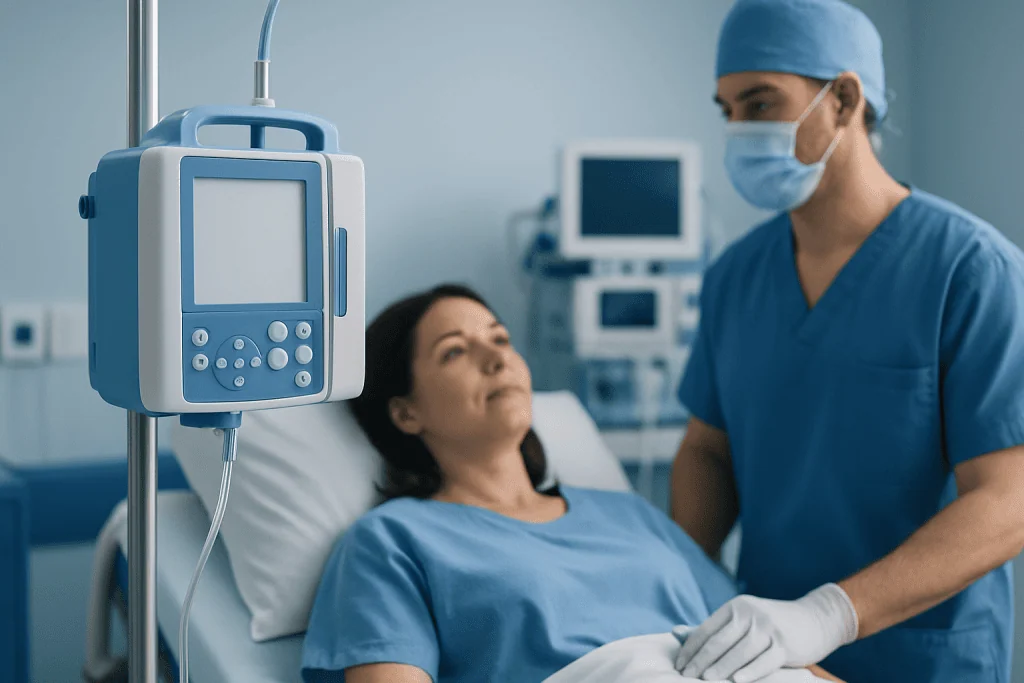
The most common reason for chemo port removal is completion of planned treatment. Before recommending removal, the oncology or treating team considers the original diagnosis, likelihood of further intravenous treatment, imaging or laboratory follow-up plans, and the person’s preferences. A port that is comfortable, working well, and being maintained correctly does not always need immediate removal.
Removal may be advised sooner if there are signs of a port-related complication. These can include a suspected bloodstream or pocket infection, persistent pain, skin breakdown, a device that has moved or fractured, or a catheter-associated blood clot. If infection is suspected, the care team may take blood cultures, examine the skin, and decide whether antibiotics, removal, or other treatment is appropriate.
Before the procedure, patients should tell the team about allergies, current medicines, prior bleeding problems, implanted devices, and any symptoms such as fever or new swelling. Blood-thinning medicines, diabetes medicines, and supplements may need special instructions. People should not stop prescribed medicine on their own unless their clinician advises it.
How Does the Port Removal Procedure Work?
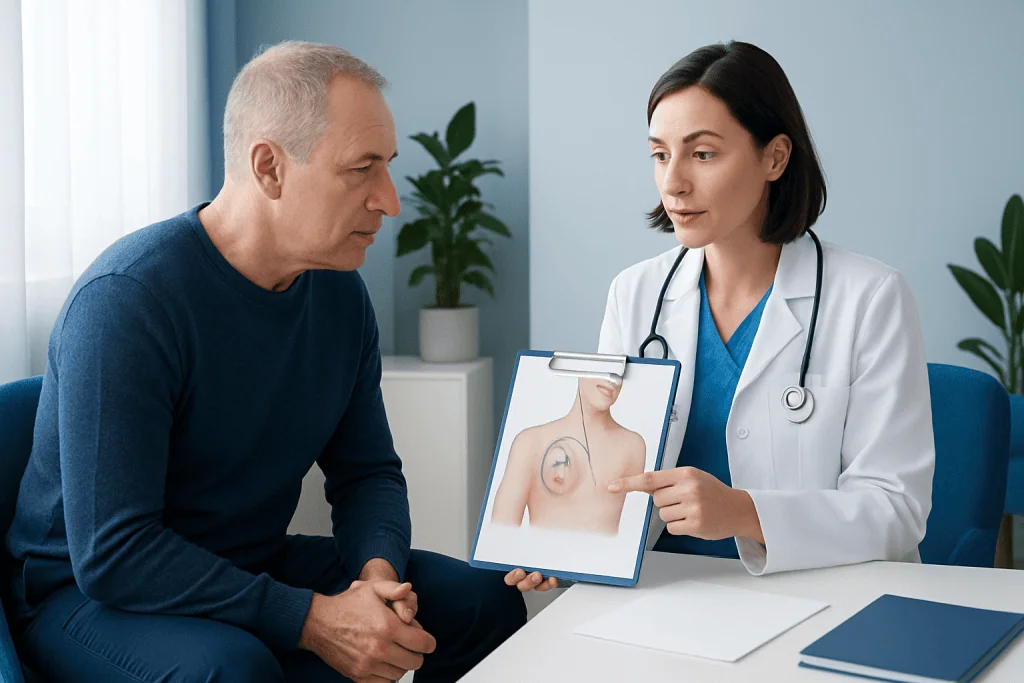
The port removal procedure is generally performed by a surgeon, interventional radiologist, or another trained clinician. It may take place in a procedure room, operating room, or interventional radiology unit. The port removal procedure time itself is often brief, although check-in, preparation, anesthesia, and post-procedure monitoring mean the overall visit usually lasts longer.
The skin is cleaned and covered with sterile drapes. Local anesthetic is injected to numb the area, and some patients also receive sedation to help them relax. The clinician commonly reopens the previous scar or makes a small incision over the port. The surrounding tissue is carefully released, the port and catheter are removed, and the area is checked for bleeding.
The incision is closed with dissolvable stitches, removable sutures, adhesive strips, surgical glue, or a combination of these. A dressing is then applied. A port removal procedure note in the medical record commonly documents the reason for removal, anesthetic used, device removal, condition of the site, any complications, and discharge instructions.
When specialized cancer care is needed, chemotherapy treatment teams coordinate port planning with the patient’s broader treatment plan. The team will explain whether fasting is needed, whether someone should accompany the patient home, and when regular medicines can be restarted.
How Long Does It Take for Chemo Port Removal to Heal?
Chemo port removal healing occurs in stages. Initial skin healing usually takes about one to two weeks, while deeper tissues continue to settle over several additional weeks. The exact port removal recovery time varies with the size and location of the port, how long it was in place, whether scar tissue is present, the closure method, and factors such as diabetes, smoking, nutrition, immune status, and infection.
Many people have mild tenderness, bruising, tightness, or a small amount of swelling during the first few days. These symptoms should gradually improve rather than worsen. The scar may remain pink, firm, or slightly raised for a time and usually changes slowly over months as it matures.
Port removal surgery recovery time can be longer when the port has been in place for years, when the catheter is difficult to free, or when removal is performed in the setting of infection or another complication. Follow-up may be arranged to remove stitches, inspect healing, review laboratory results, or confirm that symptoms have settled.
What to Expect After a Port Is Removed?
After a port is removed, patients are monitored until they are comfortable and alert enough to leave. If sedation was used, they generally need a responsible adult to take them home and should avoid driving, alcohol, important decisions, and operating machinery for the period specified by the care team.
The dressing may remain in place for a set time, often until the next day or as directed. It is important to keep the wound clean and dry according to the instructions provided. Some closure materials fall away on their own, while others require removal at a follow-up visit. Pain is usually manageable with the options recommended by the treating team.
Most people can resume light daily activities soon after the procedure. Energy levels may also reflect the underlying cancer treatment or illness rather than port removal alone. If treatment has ended, ongoing follow-up may still include appointments, scans, or blood tests based on the individual care plan.
- Normal early effects can include mild soreness, bruising, a pulling sensation, and limited comfort when raising the arm.
- The incision should become less tender and less swollen each day.
- Ask the care team when showering, swimming, and exercise are safe for the specific wound closure used.
How Serious Is Port Removal Surgery?
For most patients, port removal is considered a minor, planned surgical procedure with a low risk of serious complications. It is nevertheless a medical procedure involving an incision, anesthesia, and removal of a catheter from a vein, so it should be performed by an appropriately trained team with suitable sterile technique and follow-up instructions.
Possible risks include bleeding, bruising, infection, delayed wound healing, pain, a noticeable scar, and reactions to local anesthetic or sedation. Less common complications may include difficulty removing the catheter because of scar tissue, a catheter fragment remaining in place, injury to nearby structures, or blood clots. The clinician will discuss risks that are particularly relevant to the individual patient.
The benefits of removal include avoiding ongoing port maintenance, eliminating a device that is no longer needed, and addressing device-related complications when present. For people who have completed cancer treatment, removal can also represent a practical transition in care. Decisions should be made with the treating specialist rather than based only on a general timeline.
What Not to Do After Port Removal
After port removal, patients should not remove the dressing, get the incision wet, apply creams or powders, or use adhesive products around the wound until their clinician says it is safe. They should avoid picking at skin glue, adhesive strips, scabs, or stitches. These materials protect the healing incision and usually need time to loosen naturally or be removed professionally.
Strenuous activity, heavy lifting, repetitive upper-body movement, and contact sports are usually avoided for the period advised by the clinical team. This helps reduce bleeding, pulling at the incision, and discomfort. Swimming, hot tubs, and soaking in a bath should generally wait until the incision is closed and the clinician confirms it is safe.
It is also important not to ignore changing symptoms. Do not assume that worsening pain, spreading redness, pus-like drainage, fever, chills, shortness of breath, or swelling of the neck or arm is simply part of recovery. Contact the procedural team or seek timely medical assessment if these symptoms occur.
When to Seek Medical Care
Patients should contact their healthcare team promptly if the wound becomes increasingly red, warm, swollen, painful, or begins draining fluid, especially if the drainage is cloudy or has an unpleasant smell. Fever, chills, feeling unwell, or bleeding that does not stop with gentle pressure also needs medical advice. These signs do not always mean a serious problem, but they should be assessed.
Urgent medical care is appropriate for chest pain, sudden shortness of breath, fainting, severe bleeding, or new substantial swelling of an arm, neck, or face. These symptoms are uncommon after uncomplicated removal but can require prompt evaluation.
People who are receiving or have recently completed cancer treatment may have individual concerns related to immunity, blood counts, healing, or ongoing therapy. Acibadem International’s multidisciplinary specialists and JCI-accredited hospitals can assess port-related concerns and coordinate care for international patients. Patients should use their own care team’s discharge instructions as the primary guide after the procedure.
Frequently asked questions
How long does port removal take?
The device removal itself often takes less than an hour. The total appointment is longer because it includes registration, preparation, anesthesia or sedation, the procedure, and observation before discharge. The timing may be longer if there is significant scar tissue or a port-related complication.
Is port removal painful?
Local anesthetic is commonly used to numb the skin and tissues around the port, and some patients receive sedation. Pressure or pulling sensations may occur during removal, but sharp pain should be reported immediately. Mild soreness around the incision is common afterward and usually improves over the following days.
Can a port be removed under local anesthesia?
Yes, many port removals are performed using local anesthesia, with or without light sedation. The most suitable option depends on the port location, medical history, anxiety level, anticipated technical difficulty, and local practice. The procedural team will explain the anesthesia plan before treatment.
When can someone shower after port removal?
The safe timing for showering depends on the dressing and closure method used. Many people are asked to keep the area dry for a short period, but they should follow the specific instructions from their care team. Baths, swimming pools, and hot tubs are usually delayed until the incision has healed.
Will there be a scar after chemo port removal?
A small scar is expected because the port is removed through an incision, often near the original placement scar. Early scars can look pink, firm, or slightly raised, then usually soften and fade gradually over time. Protecting the healed scar from sun exposure may help reduce color changes.
Can a port be removed if chemotherapy may be needed again?
This is a personal medical decision made with the oncology team. A functioning port may sometimes be kept in place if future intravenous treatment is considered likely, while removal may be preferred if treatment is complete or the port is causing problems. The team will balance the benefits of keeping access available against the need for maintenance and possible device-related risks.
References
- American Cancer Society
- National Cancer Institute
- American Society of Clinical Oncology
- Society of Interventional Radiology
This article is for general information only and is not a substitute for professional medical advice. Please consult a qualified doctor about your individual situation.
Oncology care in Turkey — second opinion and treatment plan
JCI-accredited · board-certified surgeons · reply within 24h
Add us as a Preferred Source to see more of our trusted health content across Google Search, AI Overviews and Discover.

More from the Health Library


Related Specialists

Dr. Çağla Su Doğangün Ayduk
Oral & Dental Health
Dr. Nilgün Çavdar
Physical Medicine & Rehabilitation
Mehmet Çakır
Physical Medicine & Rehabilitation
Dr. Hacer Yüksel
Physical Medicine & Rehabilitation