Post-Infectious Neuropathy: Tingling, Weakness, and When to See a Neurologist
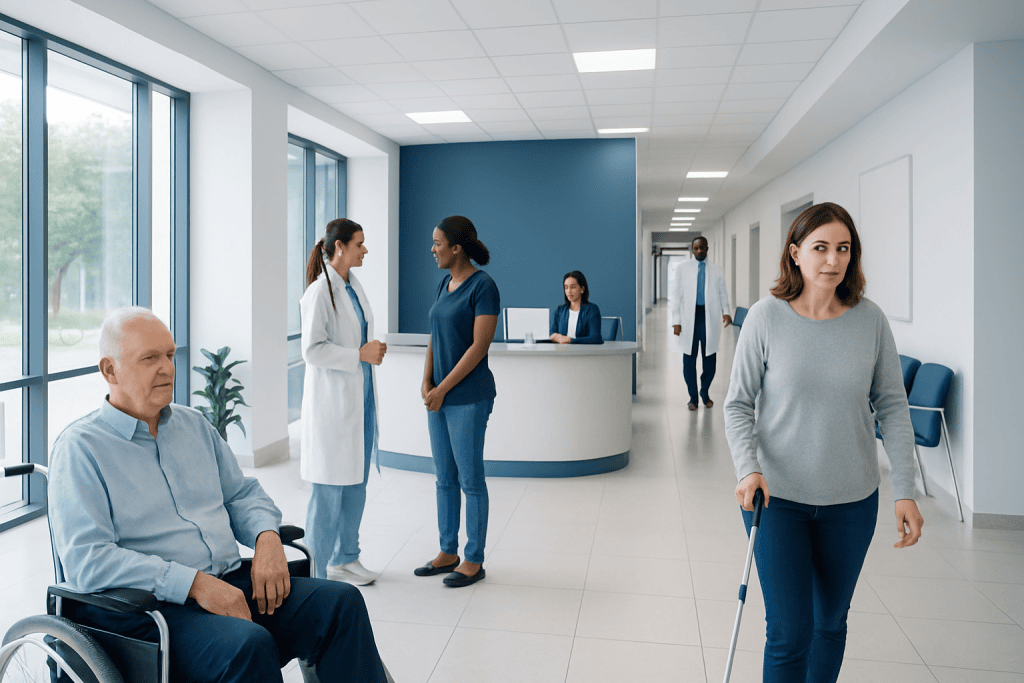
Post-infectious neuropathy can appear days to weeks after a viral, bacterial, or other infection. Common symptoms include tingling, numbness, burning pain, muscle weakness, and balance problems.
Key Takeaways
- Post-infectious neuropathy can appear days to weeks after a viral, bacterial, or other infection.
- Common symptoms include tingling, numbness, burning pain, muscle weakness, and balance problems.
- A neurologist may use a physical exam, blood tests, and nerve studies to confirm the diagnosis and rule out other causes.
- Treatment focuses on the underlying cause, symptom relief, rehabilitation, and monitoring for any worsening weakness or breathing problems.
- Urgent care is needed if weakness is rapidly progressing, affects walking, swallowing, or breathing, or involves severe pain or bladder changes.
Post-infectious neuropathy refers to nerve symptoms that develop after the body has fought an infection. It can cause tingling, numbness, burning pain, or weakness, and early medical assessment helps identify the cause and guide recovery.
Overview
Post-infectious neuropathy is a broad term for nerve problems that appear after an infection. In many cases, the infection itself has already improved, but the nerves remain irritated or inflamed. This may happen because the immune system stays activated for a period of time and mistakenly affects peripheral nerves, which carry signals between the brain, spinal cord, muscles, and skin.
The symptoms can vary widely. Some people notice mild tingling in the hands or feet, while others develop burning pain, numbness, weakness, or trouble with balance. The pattern depends on which nerves are involved and how strongly they are affected. Sensory nerves may cause altered feeling, while motor nerves can lead to weakness.
Post-infectious neuropathy is not a single disease but a clinical pattern with several possible causes. It can follow viral or bacterial illnesses, including respiratory or gastrointestinal infections. In some situations, it overlaps with immune-mediated nerve disorders such as Guillain-Barré syndrome, which can begin after an infection and needs prompt attention.
Because symptoms range from mild to serious, medical evaluation is important. A careful diagnosis helps distinguish temporary nerve irritation from conditions that may need urgent treatment, long-term follow-up, or rehabilitation.
Symptoms
Symptoms often begin in the feet or hands and may gradually move upward. Many people describe pins-and-needles, burning, electric-shock sensations, numbness, or unusual sensitivity to touch. Symptoms can be constant or come and go, and they may be more noticeable at night.
Weakness is another important symptom. A person may notice difficulty climbing stairs, lifting objects, gripping, standing from a chair, or walking steadily. If the nerves that control automatic body functions are involved, there may also be dizziness on standing, sweating changes, bowel or bladder disturbance, or a racing heartbeat.
Common symptoms may include:
- Tingling or numbness in the hands, feet, arms, or legs
- Burning, stabbing, or aching nerve pain
- Muscle weakness or heaviness
- Reduced reflexes
- Balance problems or unsteady walking
- Sensitivity to touch or temperature changes
- Fatigue related to pain or reduced mobility
Symptoms deserve urgent attention if they are progressing quickly, affecting both sides of the body, or interfering with breathing, swallowing, or walking. These features can suggest a more severe nerve disorder and should not be monitored at home without medical advice.
Causes and Risk Factors

Post-infectious neuropathy can develop after many different infections. These include common viral illnesses, flu-like infections, COVID-19, gastrointestinal infections, and some bacterial illnesses. The exact mechanism is not always clear, but one recognized pathway is an immune response that cross-reacts with nerve tissue after the infection has passed.
Not every person who has an infection will develop neuropathy. Risk may be influenced by the type of infection, the strength of the immune response, and a person’s overall health. Existing nerve vulnerability can also make symptoms more noticeable or prolong recovery.
Factors that may raise the chance of neuropathy or make diagnosis more complex include:
- Recent viral or bacterial infection
- Autoimmune tendencies or inflammatory disorders
- Diabetes or prediabetes
- Vitamin deficiencies, especially B vitamins
- Alcohol misuse
- Certain medications or toxin exposure
- Thyroid, kidney, or liver disease
It is also important to remember that tingling and weakness after an infection are not always caused by infection-related nerve injury alone. Conditions such as nerve compression, spinal disorders, metabolic disease, or other forms of peripheral neuropathy may produce similar symptoms, so a structured evaluation is needed.
How Doctors Diagnose It
Diagnosis starts with a detailed history and neurological examination. The doctor will ask when symptoms began, what infection came before them, whether the symptoms are spreading, and whether there is pain, weakness, balance trouble, or autonomic symptoms such as dizziness or bowel and bladder changes. The exam looks at strength, reflexes, sensation, coordination, and walking pattern.
Blood tests are often used to rule out other causes that can mimic or worsen neuropathy. These may include tests for blood sugar, vitamin levels, thyroid function, kidney and liver function, inflammation, and sometimes autoimmune markers or infectious testing when clinically appropriate.
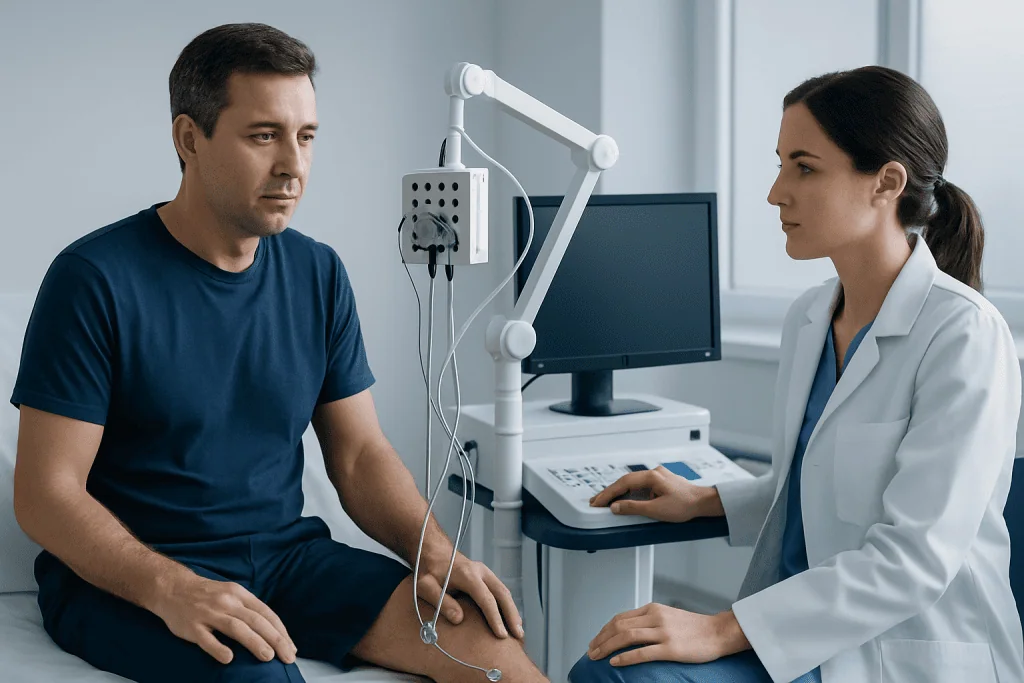
Nerve conduction studies and electromyography can help show whether the problem affects the nerve covering, the nerve fibers, the muscles, or the connection between nerves and muscles. In selected cases, imaging, lumbar puncture, or more specialized tests may be needed, especially if symptoms are rapidly progressing or there is concern for a disorder affecting the brain or spinal cord. A neurologist may also recommend EMG and nerve conduction testing to clarify the pattern of nerve involvement.
The goal of diagnosis is not only to confirm neuropathy but also to identify severity, likely cause, and whether treatment should be urgent. This is particularly important when weakness is present, because weakness can signal a more active inflammatory process rather than a purely sensory condition.
Treatment Options
Treatment depends on the cause, the severity of symptoms, and whether the nerves are mainly causing pain, weakness, or both. Mild cases may improve with time, symptom control, and monitoring. More significant cases may require immune-based treatment if an inflammatory neuropathy is suspected, along with rehabilitation and supportive care.
Pain management may include medications commonly used for nerve pain, while weakness and gait problems may benefit from physical or occupational therapy. If there is evidence of a condition such as an acute immune-mediated neuropathy, hospital-based treatment and close monitoring may be needed. In selected inflammatory cases, a neurologist may consider therapies such as intravenous immunoglobulin therapy or plasmapheresis depending on the diagnosis.
Supportive treatment is also important. This may include managing sleep disturbance, preventing falls, protecting numb feet or hands from injury, and addressing contributing problems such as diabetes, vitamin deficiency, or dehydration. People with foot numbness may need advice on safe footwear and skin care.
Recovery can take time. Some people improve over weeks, while others need months of rehabilitation and follow-up. The treatment plan is usually adjusted over time based on symptom changes, test results, and functional progress.
Prevention and Self-Care
There is no guaranteed way to prevent post-infectious neuropathy, but general infection prevention and good overall health may reduce risk. Practical steps include hand hygiene, staying up to date with recommended vaccines, managing chronic conditions well, and seeking timely care for significant infections.
For someone already experiencing symptoms, self-care should focus on safety and recovery rather than self-diagnosis. Rest is helpful, but prolonged inactivity can worsen deconditioning, so gentle movement guided by a clinician or therapist is often beneficial. A balanced diet, good hydration, and correcting any identified vitamin deficiencies also support nerve health.
Helpful self-care measures may include:
- Keeping a symptom diary to track progression
- Using supportive shoes and fall-prevention strategies at home
- Avoiding alcohol excess and known nerve toxins
- Checking numb areas for cuts, burns, or pressure injuries
- Following treatment plans for diabetes, thyroid disease, or other chronic illness
People should avoid starting supplements or stopping prescribed medicines without professional guidance, since both deficiencies and medication changes can affect nerve symptoms. If symptoms are clearly worsening, self-care should not replace medical review.
When to See a Neurologist
A neurologist should be consulted when tingling, numbness, pain, or weakness begins after an infection and does not settle quickly, is spreading, or affects daily function. Specialist assessment is especially helpful when the diagnosis is uncertain, there is objective weakness, or symptoms involve balance, walking, or autonomic function.
Urgent medical attention is needed if weakness is rapidly progressing, if there is new difficulty breathing or swallowing, or if the person cannot walk normally. Severe back pain with weakness, sudden bladder or bowel changes, or marked dizziness on standing should also be assessed promptly.
In longer-lasting cases, follow-up helps monitor recovery and rule out other conditions that may have been uncovered by the infection. In complex situations, care may involve neurology, rehabilitation, pain medicine, internal medicine, or infectious disease specialists. Where advanced assessment is needed, neurology evaluation can help guide diagnosis, treatment, and recovery planning.
Near the end of the care journey, some patients benefit from coordinated multidisciplinary support. Acibadem International’s multidisciplinary specialists in JCI-accredited hospitals diagnose and treat neurological conditions for international patients when expert evaluation and rehabilitation planning are needed.
Frequently asked questions
Can an infection really cause tingling and weakness later on?
Yes. Some infections can be followed by nerve irritation or an abnormal immune response that affects the peripheral nerves. Symptoms may appear during the infection or days to weeks afterward.
How long does post-infectious neuropathy last?
Recovery time varies. Mild cases may improve over several weeks, while more significant nerve inflammation or weakness can take months and may require rehabilitation and regular follow-up.
Is post-infectious neuropathy the same as Guillain-Barré syndrome?
Not always. Guillain-Barré syndrome is one important type of post-infectious immune-mediated neuropathy, but not every case of neuropathy after infection is Guillain-Barré syndrome. A doctor will look at the pattern of weakness, reflexes, and test results to tell the difference.
What tests might a neurologist order?
A neurologist may recommend blood tests, a neurological examination, and nerve conduction studies or electromyography. In some cases, imaging or a lumbar puncture is needed to check for inflammation or other neurological causes.
When is it an emergency?
It is urgent if weakness is rapidly getting worse, if walking becomes difficult, or if there is trouble breathing or swallowing. These symptoms can signal a serious nerve condition that needs prompt medical care.
Can post-infectious neuropathy be treated?
Yes, treatment is often available, although the best approach depends on the cause and severity. Care may include pain relief, physical therapy, treatment of underlying triggers, and in some inflammatory cases, immune-based therapy.
References
- World Health Organization
- National Institute of Neurological Disorders and Stroke
- Centers for Disease Control and Prevention
- American Academy of Neurology
- National Institute of Diabetes and Digestive and Kidney Diseases
This article is for general information only and is not a substitute for professional medical advice. Please consult a qualified doctor about your individual situation.
Joint and spine care in Turkey — expert assessment & treatment
JCI-accredited · board-certified surgeons · reply within 24h
Add us as a Preferred Source to see more of our trusted health content across Google Search, AI Overviews and Discover.

More from the Health Library



Related Specialists

Dr. Özcan İnal
Internal Medicine
Prof. Dr. Özgür Yağmur
General Surgery
Dr. Cevdet Hekimoğlu
Gynecology & Obstetrics
Prof. Dr. Aziz Kaya Alturfan
Orthopedic Surgery & Traumatology