

Pregnancy After Gastric Sleeve Surgery: Timing, Nutrition, and Risks

Most specialists advise avoiding pregnancy during the rapid weight-loss phase after gastric sleeve surgery, commonly for 12 to 18 months, unless a doctor recommends otherwise. Nutrient monitoring is essential because deficiencies in iron, vitamin B12, folate, vitamin D, calcium, and protein can affect both mother and baby.
Key Takeaways
- Most specialists advise avoiding pregnancy during the rapid weight-loss phase after gastric sleeve surgery, commonly for 12 to 18 months, unless a doctor recommends otherwise.
- Nutrient monitoring is essential because deficiencies in iron, vitamin B12, folate, vitamin D, calcium, and protein can affect both mother and baby.
- Pregnancy after weight loss surgery may reduce some obesity-related risks, but it requires closer follow-up for fetal growth, nutrition, and gastrointestinal symptoms.
- A care team may include an obstetrician, bariatric surgeon, dietitian, endocrinologist, and other specialists depending on the patient’s health history.
- Women who become pregnant earlier than planned should contact their healthcare team promptly rather than panic; early assessment and supplementation can help reduce risks.
Pregnancy after gastric sleeve surgery can be healthy and successful when it is planned at the right time and supported by careful nutrition and prenatal care. The main priorities are waiting until weight loss stabilizes, preventing vitamin and mineral deficiencies, and monitoring fetal growth.
Overview
Pregnancy after gastric sleeve surgery is increasingly common as more women choose metabolic and weight loss procedures before starting or expanding a family. Gastric sleeve surgery, also called sleeve gastrectomy, removes a large portion of the stomach and leaves a smaller tube-shaped stomach. It does not bypass the intestines, but it still changes appetite, portion size, eating patterns, and nutrient intake.
For many women, weight loss after gastric sleeve surgery may improve ovulation, menstrual regularity, insulin resistance, blood pressure, and overall mobility. These changes can make pregnancy more likely, sometimes sooner than expected. This is why contraception and preconception counseling are important soon after surgery, even for women who previously had difficulty conceiving.
A healthy pregnancy is very possible after sleeve surgery, but planning matters. The safest approach is usually to wait until weight loss has slowed and nutritional status is stable. Once pregnant, the focus shifts from weight loss to supporting the baby’s growth while keeping the mother well nourished and medically monitored.
Best Timing: When Is It Safe to Try for Pregnancy?
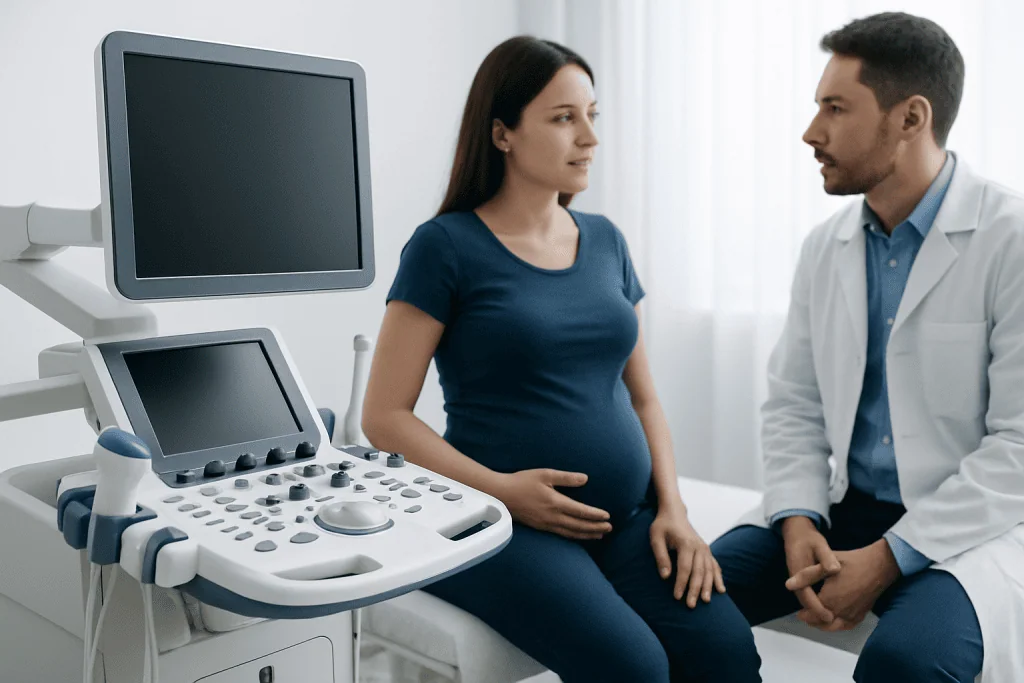
Most bariatric and obstetric specialists recommend delaying pregnancy until the rapid weight-loss phase has passed. For many patients, this means waiting about 12 to 18 months after surgery, although the exact timing should be individualized. Some women may need a longer interval if they are still losing weight quickly, have persistent vomiting, or have untreated nutrient deficiencies.
The reason for waiting is not that pregnancy is impossible earlier, but that the body is adapting to major metabolic and dietary changes. During the first year after surgery, calorie intake is lower, portions are small, and deficiencies can develop more easily. Pregnancy during this period may make it harder to meet protein, vitamin, mineral, and energy needs.
Women who become pregnant earlier than planned should contact their bariatric and obstetric teams as soon as possible. The pregnancy does not automatically mean there will be complications. Early blood tests, nutrition support, and fetal monitoring can help the care team identify and manage concerns promptly.
Nutrition and Supplements Before and During Pregnancy

Nutrition is the central issue in pregnancy after gastric sleeve surgery. Because the stomach is smaller, many women cannot eat large meals and may feel full quickly. The goal is to choose nutrient-dense foods, eat regularly, and follow a supplement plan tailored to both bariatric and pregnancy needs.
Protein is especially important for maternal health and fetal growth. Patients are often advised to include protein at each meal and snack, using foods such as eggs, fish, poultry, lean meat, yogurt, cheese, legumes, or approved protein supplements if needed. Hydration is also important, but many patients do better by sipping fluids between meals rather than drinking large amounts with food.
Blood tests are used to check for deficiencies before conception and throughout pregnancy. Common nutrients that need monitoring include iron, ferritin, vitamin B12, folate, vitamin D, calcium, thiamine, albumin, and sometimes fat-soluble vitamins or trace minerals. Supplement needs vary, so patients should not simply take high-dose products without medical guidance.
Women should tell their obstetrician that they have had sleeve gastrectomy, even if the surgery was years earlier. Standard prenatal vitamins may not be enough for every post-bariatric patient, and some supplements may need to be adjusted based on laboratory results, symptoms, and tolerance.
Possible Benefits and Risks
Pregnancy after weight loss surgery may offer important health benefits compared with pregnancy at a higher body weight. Weight loss can reduce the likelihood or severity of obesity-related problems such as gestational diabetes, high blood pressure, sleep apnea, and difficulties with mobility. Some women also find that fertility improves as weight and insulin resistance improve.
At the same time, pregnancy after gastric sleeve surgery requires careful attention to risks that are more specific to bariatric patients. These include inadequate weight gain, nutrient deficiencies, dehydration, nausea and vomiting, reflux symptoms, and difficulty tolerating certain foods. Some babies may be smaller than expected for gestational age, which is why fetal growth monitoring is often recommended.
Gastric sleeve surgery is primarily restrictive rather than malabsorptive, so the deficiency risk is generally different from procedures that bypass part of the intestine. However, deficiencies can still occur because intake is reduced, vomiting may happen, and food choices may become limited. A history of anemia, heavy menstrual bleeding, low vitamin D, or poor supplement tolerance increases the need for closer follow-up.
Serious surgical complications during pregnancy are uncommon after sleeve surgery, but persistent or severe abdominal pain should always be assessed. Pregnancy changes the abdomen, digestion, and gallbladder function, so symptoms should not be assumed to be “normal” without medical review.
Prenatal Care and Monitoring
Pregnancy after bariatric surgery is best managed with coordinated care. The team may include an obstetrician, maternal-fetal medicine specialist, bariatric surgeon, dietitian, endocrinologist, and primary care physician. This is especially important for women with diabetes, thyroid disease, hypertension, kidney disease, previous pregnancy complications, or ongoing gastrointestinal symptoms.
Monitoring usually includes regular weight checks, blood pressure assessment, nutrition review, and laboratory testing at planned intervals. The healthcare team may track whether pregnancy weight gain is appropriate for the individual’s starting body mass index and overall health. Weight gain goals should be personalized; pregnancy is not the time to continue intentional weight loss.
Screening for gestational diabetes may need adjustment. Some patients tolerate the standard oral glucose drink poorly after bariatric procedures, even after sleeve surgery. In that case, clinicians may consider alternative strategies such as home glucose monitoring or modified testing, depending on local practice and the patient’s history.
Ultrasound monitoring may be used to assess fetal anatomy and growth. If growth is slower than expected, the care team may review calorie intake, protein intake, supplements, blood results, and placental health. Most monitoring is preventive and supportive, designed to identify small problems before they become larger ones.
Managing Common Symptoms
Nausea, vomiting, reflux, constipation, and food intolerance can occur in any pregnancy, but they may be more challenging after gastric sleeve surgery. A smaller stomach means that large meals, greasy foods, carbonated drinks, or eating too quickly may cause discomfort. Smaller, more frequent meals are often easier to tolerate.
Morning sickness should be discussed early if it affects hydration, supplement use, or the ability to eat protein-rich foods. Persistent vomiting can increase the risk of dehydration and thiamine deficiency, so medical advice is important. Patients should not stop supplements for long periods without telling their clinician; alternatives such as different formulations may be available.
Reflux can occur after sleeve surgery and may worsen during pregnancy because hormonal changes slow digestion and the growing uterus increases abdominal pressure. Lifestyle steps such as eating slowly, avoiding late meals, and staying upright after eating may help. Medication decisions should be made with an obstetrician, especially during pregnancy.
Constipation may be related to iron supplements, reduced food volume, lower fluid intake, or pregnancy hormones. Increasing fluids, choosing fiber-containing foods that are tolerated, and staying active may help. If symptoms persist, the patient should ask a doctor about safe options rather than self-medicating.
Prevention and Self-Care
The best preparation begins before conception. A preconception visit allows the clinician to review the surgery date, weight trend, current medications, supplement routine, menstrual history, and any chronic conditions. Blood tests can identify deficiencies that should be corrected before pregnancy whenever possible.
Contraception should be discussed soon after bariatric surgery because fertility can improve quickly with weight loss. Some oral contraceptives may be less suitable for certain bariatric patients or may be affected by vomiting, so individualized advice is important. Long-acting reversible contraception may be considered, depending on the patient’s preferences and medical history.
Daily self-care during pregnancy includes eating protein first, taking prescribed supplements consistently, sipping fluids throughout the day, attending prenatal visits, and reporting symptoms early. Gentle physical activity, if approved by the obstetrician, can support circulation, mood, digestion, and healthy pregnancy weight gain.
Patients should avoid alcohol, smoking, recreational drugs, and non-prescribed weight loss products during pregnancy. Herbal supplements and over-the-counter medicines should be checked with a qualified healthcare professional, as “natural” products are not always safe in pregnancy or after bariatric surgery.
When to See a Doctor
A woman who is planning pregnancy after gastric sleeve surgery should schedule a preconception appointment, ideally before trying to conceive. If pregnancy has already occurred, she should inform both her obstetrician and bariatric team early. This helps ensure that nutrition, supplements, and screening plans are appropriate from the beginning.
Medical care should be sought promptly for persistent vomiting, inability to keep fluids down, fainting, severe reflux, signs of dehydration, rapid weight loss during pregnancy, or symptoms of anemia such as unusual fatigue, dizziness, or shortness of breath. Severe or persistent abdominal pain, chest pain, fever, black stools, or reduced fetal movement later in pregnancy should be assessed urgently.
Emotional health is also important. Body changes during pregnancy can be complex for someone who has recently experienced major weight loss. Patients should tell their doctor if they feel anxious about eating, weight gain, body image, or adherence to supplements.
For international patients, Acibadem International’s multidisciplinary specialists and JCI-accredited hospitals provide evaluation and treatment for obesity, bariatric surgery follow-up, and pregnancy-related care coordination. Patients should seek individualized guidance from qualified clinicians who can review their surgical history, laboratory results, and pregnancy needs.
Frequently asked questions
How long should a woman wait to get pregnant after gastric sleeve surgery?
Many specialists recommend waiting about 12 to 18 months after gastric sleeve surgery, when rapid weight loss has usually slowed and nutrition is more stable. The right timing depends on weight trend, lab results, supplement tolerance, and overall health. A preconception visit can help determine whether the body is ready for pregnancy.
What if pregnancy happens sooner than planned after sleeve surgery?
An earlier-than-planned pregnancy does not automatically mean there will be harm. The patient should contact her obstetrician and bariatric team promptly for blood tests, nutrition review, and a monitoring plan. Early support can help correct deficiencies and reduce avoidable risks.
Can gastric sleeve surgery improve fertility?
Yes, fertility may improve after significant weight loss, especially in women whose ovulation was affected by obesity or insulin resistance. Menstrual cycles may become more regular, and pregnancy may occur more easily than expected. This is why contraception counseling is important after surgery.
Which vitamins and minerals are most important in pregnancy after gastric sleeve?
Commonly monitored nutrients include iron, folate, vitamin B12, vitamin D, calcium, thiamine, and protein status. Needs vary from patient to patient, so blood tests are important. Patients should use supplements recommended by their healthcare team rather than guessing doses.
Will the baby be smaller after pregnancy following gastric sleeve surgery?
Some pregnancies after bariatric surgery have a higher need for fetal growth monitoring, and some babies may be smaller than expected. This does not happen to every patient. Good nutrition, appropriate pregnancy weight gain, and regular ultrasound follow-up help the care team respond early if growth concerns appear.
Can a woman continue losing weight during pregnancy after gastric sleeve?
Intentional weight loss is generally not the goal during pregnancy. The focus should be on adequate nutrition, healthy fetal growth, and appropriate weight gain for the individual’s health status. Any weight loss during pregnancy should be discussed with the obstetrician and bariatric team.
Is vaginal birth possible after gastric sleeve surgery?
Yes, many women can have a vaginal birth after gastric sleeve surgery if there are no obstetric reasons for cesarean delivery. The method of delivery is usually based on standard pregnancy factors such as fetal position, maternal health, prior uterine surgery, and labor progress. The bariatric surgery history should still be included in the pregnancy care plan.
References
- American College of Obstetricians and Gynecologists
- American Society for Metabolic and Bariatric Surgery
- British Obesity and Metabolic Surgery Society
- European Association for the Study of Obesity
- World Health Organization
This article is for general information only and is not a substitute for professional medical advice. Please consult a qualified doctor about your individual situation.
Gastric Sleeve Surgery in Turkey — costs, top hospitals & a free quote
JCI-accredited · board-certified surgeons · reply within 24h
Check your numbers in seconds
BMI, calories, due date, blood pressure and 30+ more clinical calculators — free, instant, doctor-reviewed ranges.

Related Treatments
Related Conditions
More from the Health Library



Related Specialists
Prof. Dr. Tayfun Karahasanoğlu
General Surgery
Prof. Dr. Güralp Onur Ceyhan
General Surgery
Prof. Dr. Volkan Özben
General Surgery
Assoc. Prof. Dr. Halil Kara
General Surgery