Preschooler Coughing at Night: Common Causes, Related Conditions, and When to See a Doctor

Nighttime coughing can become more noticeable when a child lies down because mucus may collect in the throat. A cold is a frequent cause, but recurring cough with wheezing, exercise symptoms, or allergies may suggest asthma or another condition.
Key Takeaways
- Nighttime coughing can become more noticeable when a child lies down because mucus may collect in the throat.
- A cold is a frequent cause, but recurring cough with wheezing, exercise symptoms, or allergies may suggest asthma or another condition.
- Honey may soothe cough in children older than 1 year, but cough and cold medicines are not routinely recommended for young children without medical advice.
- Urgent care is needed if a child is struggling to breathe, has blue or gray lips, is unusually sleepy, or cannot drink adequately.
- A cough lasting more than a few weeks, returning often, or disrupting sleep regularly should be discussed with a pediatric clinician.
Preschooler coughing at night is commonly caused by a viral cold, mucus draining from the nose and throat, dry air, asthma, or environmental irritants. Most short-lived coughs improve with supportive care, but breathing difficulty, persistent symptoms, or signs of serious illness need prompt medical assessment.
Why a Preschooler May Cough More at Night
A preschooler coughing at night often has a mild, temporary illness such as a common cold. Coughing is a protective reflex that helps clear mucus, saliva, or irritants from the airways. At night, a cough can seem worse because the child is lying flat, the bedroom air may be dry, and there are fewer daytime distractions.
When nasal mucus moves toward the back of the throat, it can trigger coughing after a child lies down. This is sometimes called postnasal drainage. A cough may continue for one to three weeks after a viral infection because the airways can remain sensitive even after fever and other cold symptoms improve.
Night cough does not always indicate a lung problem. However, the pattern of symptoms matters. A clinician may consider asthma, allergies, reflux, an inhaled object, or less commonly a bacterial infection when the cough is frequent, recurrent, severe, or accompanied by other concerning signs.
Common Patterns and Possible Causes
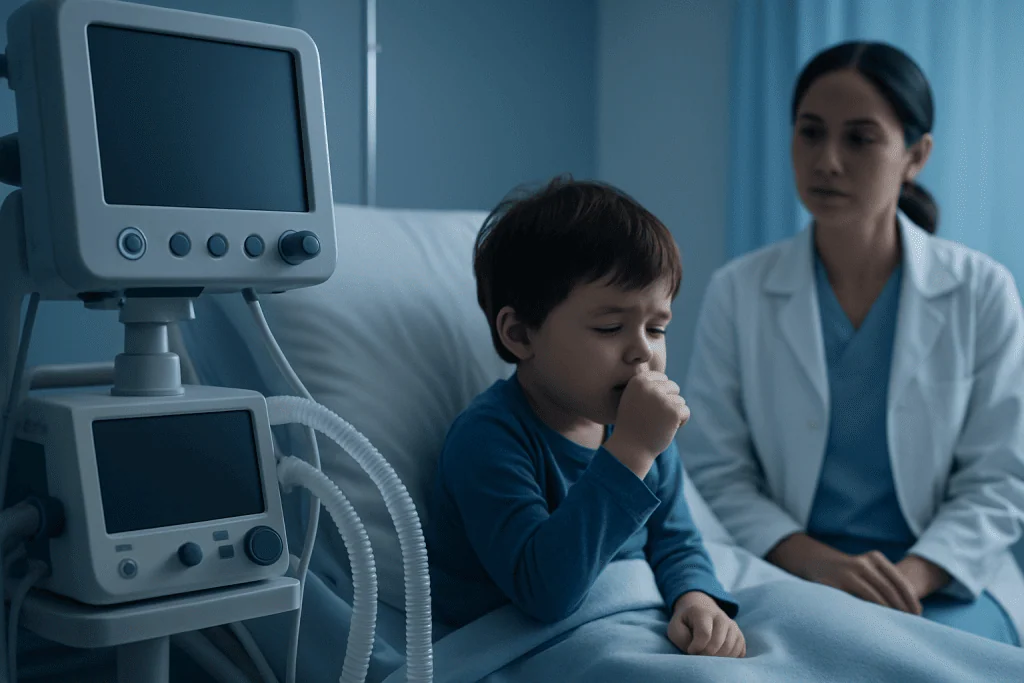
The sound, timing, and associated symptoms of a cough can offer useful clues, although they cannot confirm a diagnosis at home. A wet or phlegmy-sounding cough during a cold often reflects mucus in the upper airways. Young children may swallow mucus rather than spit it out, so visible phlegm is not required.
A dry, tickly cough may occur during or after a viral illness, with dry indoor air, or after exposure to smoke, fragrances, sprays, or other irritants. Seasonal allergies can also cause nasal congestion and throat irritation, especially if a child has sneezing, itchy eyes, or symptoms that recur in particular settings or seasons.
Wheezing, chest tightness, coughing with running or laughing, and cough that repeatedly interrupts sleep can be features of asthma. Asthma symptoms may vary over time and can be triggered by viral infections, cold air, pollen, pets, or exercise. Families can learn more about asthma and its assessment with a qualified clinician.
A harsh, barking cough that is worse at night may occur with croup, a viral condition affecting the upper airway. A sudden cough that begins while eating or playing with small objects requires prompt assessment, as inhalation of a foreign object is possible. Reflux can contribute to cough in some children, but it is not the most common explanation for an isolated nighttime cough.
Symptoms That Help Guide Assessment

Parents and caregivers can help the clinician by noting when the cough started, whether it followed a cold, and what seems to trigger or relieve it. It is also useful to describe whether the child coughs only at night, wakes frequently, coughs with activity, or has symptoms during the day.
Associated symptoms may include a runny or blocked nose, fever, sore throat, sneezing, noisy breathing, vomiting after coughing, reduced appetite, or tiredness. Vomiting after a strong coughing spell can happen in young children and does not necessarily mean a stomach illness, but repeated vomiting or poor fluid intake should be discussed with a doctor.
A healthcare professional may ask about tobacco smoke or vaping exposure, dampness or mold in the home, pets, daycare attendance, recent travel, allergies, family history of asthma, and medicines. A short video of unusual breathing or a cough episode can sometimes help a clinician understand what is happening, particularly if symptoms are not present during the appointment.
How Doctors Evaluate a Nighttime Cough
For most preschoolers with a recent cough and mild cold symptoms, diagnosis is based on the history and physical examination. The clinician listens to the lungs, checks the nose and throat, assesses breathing effort, and considers the child’s temperature, hydration, activity level, and overall appearance.
Testing is not routinely needed for a simple viral cough. If symptoms are prolonged, recurrent, or unusual, the clinician may consider testing based on the likely cause. This can include checking oxygen levels, testing for selected infections, a chest X-ray, or referral for further respiratory or allergy evaluation.
Preschool-age children may be too young for standard breathing tests to be reliable. In some cases, clinicians assess asthma by reviewing symptom patterns and response to a carefully planned treatment trial. The goal is to identify treatable causes while avoiding unnecessary tests, antibiotics, or medication.
Comfort Measures and Treatment Options
Supportive care is often enough for a viral cough. Offering regular fluids, keeping the child comfortable, and allowing rest can help. For children older than 1 year, a small amount of honey before bed may soothe throat irritation. Honey should never be given to infants under 12 months because of the risk of infant botulism.
Saline nasal drops or spray and gentle nose blowing can reduce nasal congestion in children who can cooperate. A cool-mist humidifier may be helpful when room air is dry, provided it is cleaned and dried according to the manufacturer’s instructions to reduce mold and germ growth. Avoid placing a young child near hot steam, as burns can occur.
Over-the-counter cough and cold products are not routinely recommended for preschool children unless a clinician specifically advises them. These medicines may have side effects and do not reliably shorten a cough. Antibiotics do not treat viral colds and are only used when a clinician identifies or strongly suspects a bacterial infection.
If asthma or another airway condition is diagnosed, the care team may recommend an individualized plan, which can include inhaled medicines and guidance on correct device technique. respiratory rehabilitation may be considered in selected children with ongoing respiratory needs as part of specialist-led care.
Reducing Nighttime Cough Triggers
Maintaining a smoke-free and vape-free home and car is one of the most important ways to protect children’s airways. Smoke exposure can worsen cough, wheezing, and respiratory infections. Strong air fresheners, scented candles, aerosol sprays, and harsh cleaning products may also irritate sensitive airways in some children.
Regular handwashing, covering coughs and sneezes, and keeping routine vaccinations up to date can reduce the chance of some respiratory infections. It is also sensible to clean humidifiers regularly and address visible dampness or mold in the home. If allergies are suspected, a clinician can advise on practical measures tailored to the likely trigger.
Keeping a simple symptom diary for one to two weeks may be useful when cough is recurrent. Record the time of coughing, sleep disruption, foods or activities before symptoms, exposure to pets or smoke, nasal symptoms, fever, and any wheezing. This information can make a medical visit more productive.
When to Seek Medical Care
Seek emergency medical help immediately if a child has severe difficulty breathing, rapid or labored breathing, ribs pulling in with breaths, blue or gray lips or face, drooling with trouble swallowing, confusion, extreme sleepiness, or is difficult to wake. Emergency assessment is also needed if there is a suspected inhaled object or a sudden cough with choking.
Contact a doctor promptly if the child has a high or persistent fever, noisy breathing at rest, a barking cough with breathing difficulty, dehydration signs such as very little urine or a dry mouth, chest pain, or worsening illness. Infants and children with underlying heart, lung, immune, or neuromuscular conditions may need earlier advice.
Arrange a routine appointment if the cough lasts longer than three to four weeks, returns repeatedly, regularly wakes the child, occurs with exercise, or is associated with wheeze, poor growth, or ongoing nasal symptoms. Acibadem International’s multidisciplinary specialists and JCI-accredited hospitals evaluate and treat respiratory conditions for international patients when specialist assessment is needed.
Frequently asked questions
Why does my preschooler cough mostly at night?
Cough can be more noticeable at night because lying down allows nasal mucus to move toward the throat. Dry air, a recent cold, allergies, asthma, and irritants such as smoke can also contribute. The overall symptom pattern helps a clinician identify the most likely cause.
Can a cold cause coughing at night for weeks?
Yes. A cough may continue for one to three weeks after a viral cold as the airways recover and remain sensitive. If it lasts longer than three to four weeks, worsens, or repeatedly disrupts sleep, a medical review is advisable.
Is honey safe for a preschooler with a nighttime cough?
Honey can be used for cough soothing in children older than 1 year. It should not be given to babies under 12 months because of the risk of infant botulism. A caregiver can ask a pediatric clinician about suitable ways to use it for their child.
Should a preschooler take cough medicine at night?
Over-the-counter cough and cold medicines are generally not routinely advised for young children unless recommended by a healthcare professional. They may cause side effects and usually do not address the underlying reason for the cough. Supportive measures and medical guidance are safer approaches.
Does coughing at night mean a child has asthma?
Not necessarily. Colds and postnasal drainage are common causes of nighttime cough. However, recurrent nighttime cough, wheezing, cough with exercise or laughter, and a personal or family history of allergies may lead a clinician to assess for asthma.
When is nighttime coughing an emergency in a child?
Emergency care is needed if the child is struggling to breathe, has blue or gray coloring around the lips or face, appears unusually drowsy, or has severe chest retractions. A sudden cough after choking or possible inhalation of a small object also requires urgent assessment.
References
- American Academy of Pediatrics
- Centers for Disease Control and Prevention
- National Heart, Lung, and Blood Institute
- National Health Service
- World Health Organization
This article is for general information only and is not a substitute for professional medical advice. Please consult a qualified doctor about your individual situation.
Explore treatments in Turkey — costs, top hospitals & a free quote
JCI-accredited · board-certified surgeons · reply within 24h
Add us as a Preferred Source to see more of our trusted health content across Google Search, AI Overviews and Discover.

More from the Health Library



Related Specialists

Dr. Berna Yayla Özker
Otorhinolaryngology
Prof. Dr. Ufuk Demirkılıç
Cardiovascular Surgery
Assoc. Prof. Dr. Tansel Türkoğlu
Cardiovascular Surgery
Prof. Dr. Vahit Emre Özden
Orthopedic Surgery & Traumatology