Priapism — Explained by Medical Evidence, Not Myths

Priapism is an erection lasting more than four hours without normal sexual stimulation. The most common type, ischemic priapism, is usually painful and needs urgent treatment.
Key Takeaways
- Priapism is an erection lasting more than four hours without normal sexual stimulation.
- The most common type, ischemic priapism, is usually painful and needs urgent treatment.
- Priapism can be linked to blood disorders, medications, injury, or sometimes no clear cause.
- Early diagnosis and treatment can reduce the risk of tissue damage and long-term erectile problems.
- Any erection that lasts four hours or longer should be assessed by a doctor right away.
Priapism is a prolonged erection that lasts longer than four hours and happens without ongoing sexual arousal. It is a medical condition rather than a myth or embarrassment issue, and prompt evaluation helps protect erectile function and overall penile health.
What priapism is and why it matters
Priapism is a prolonged penile erection that continues for more than four hours and is not related to ongoing sexual interest or stimulation. In simple terms, blood becomes trapped in the penis or abnormal blood flow keeps the erection from settling normally. Although it may be discussed in myths or jokes, priapism is a real medical condition that deserves prompt attention.
Medical evidence separates priapism into two main forms. Ischemic priapism, also called low-flow priapism, happens when blood cannot drain out of the penis properly. This is the more common and more urgent type because the trapped blood loses oxygen over time. Nonischemic priapism, or high-flow priapism, usually happens when too much blood flows into the penis, often after trauma, and it is often less painful.
A third pattern, called stuttering or recurrent priapism, involves repeated episodes of prolonged erections that come and go. This form is often linked to underlying blood-related conditions, especially sickle cell disease, and it may become ischemic during a severe episode. Understanding the type matters because the urgency, tests, and treatment approach can differ.
How priapism feels: symptoms and warning signs
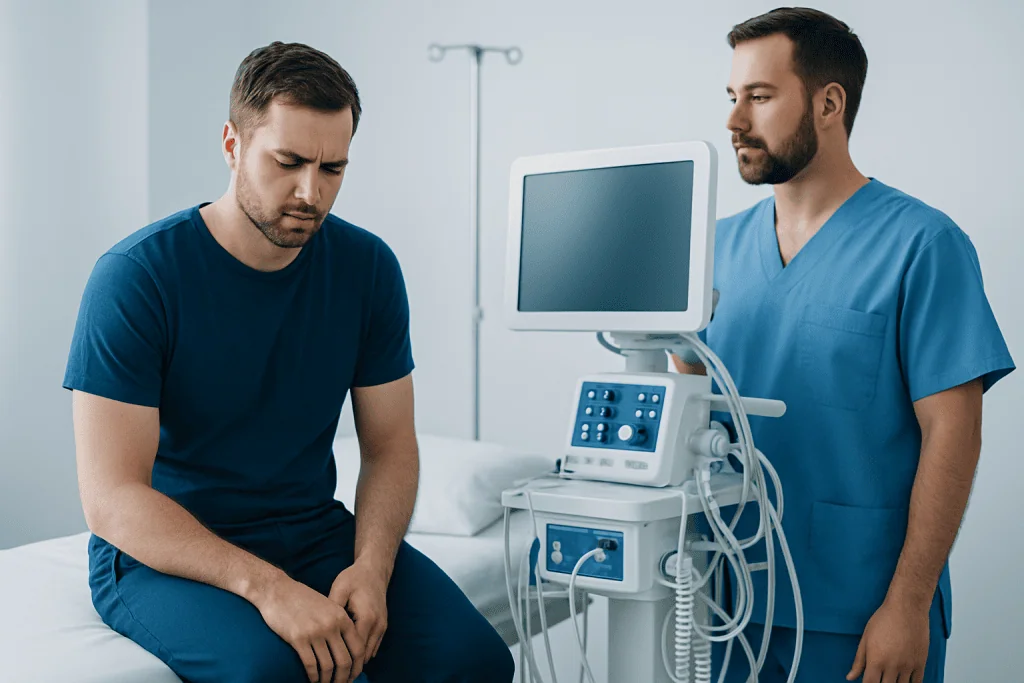
The main symptom of priapism is an erection that does not go away. A person may notice that the penis stays firm long after sexual activity has ended, or that the erection develops without sexual stimulation at all. Many people wait out of embarrassment, but time is important, especially if the erection lasts four hours or more.
Symptoms can offer clues about the type. Ischemic priapism commonly causes a rigid shaft with significant pain, while the tip of the penis may be less firm. Nonischemic priapism is often less painful and the erection may be partially rigid rather than fully hard. Recurrent episodes may start as short attacks and later last longer.
Other features that deserve attention include penile tenderness, worsening discomfort, or an erection that returns repeatedly over days or weeks. If priapism follows an injury to the pelvis or genitals, that history is important to share with a doctor. Because some underlying causes involve the blood, nervous system, or medications, associated symptoms may also help guide care.
- Erection lasting longer than 4 hours
- Painful, rigid erection
- Erection without sexual arousal
- Repeated prolonged erections
- Recent pelvic, groin, or penile injury
What causes priapism and who is at risk

Priapism can happen for several reasons. A common mechanism is disrupted blood flow, where blood enters the penis but cannot leave normally. This may occur because of blood disorders, certain medications, nerve-related conditions, or local injury. In some people, no definite cause is found even after evaluation.
Blood disorders are especially important because they can change how blood cells move through small vessels. Sickle cell disease is a well-known risk factor, and other hematologic conditions can also contribute. Priapism may also be linked to leukemia or clotting-related problems, which is why doctors sometimes recommend blood tests and occasionally further evaluation with specialists if a blood disorder is suspected.
Medications are another recognized cause. Drugs used for erectile dysfunction, some antidepressants, certain antipsychotic medicines, and a few blood-thinning or blood-pressure treatments have all been associated with priapism in some cases. Alcohol and recreational drugs can also play a role. Trauma to the penis, pelvis, or perineum is more often linked with nonischemic priapism.
People with known urologic or blood-related conditions may need closer follow-up if they develop recurrent symptoms. For example, priapism may overlap with broader urologic conditions that affect urinary or sexual health, and an individualized plan can help reduce repeat episodes and complications.
How doctors diagnose priapism
Diagnosis begins with a focused history and physical examination. Doctors ask how long the erection has lasted, whether it is painful, whether there was recent sexual activity or trauma, and what medications a person takes. They also ask about previous episodes, blood disorders such as sickle cell disease, and use of alcohol or recreational drugs.
The key goal is to determine whether the priapism is ischemic or nonischemic. One common test is a blood gas sample taken from the penis, which helps show whether the trapped blood is low in oxygen. Penile Doppler ultrasound may also be used to assess blood flow patterns. These tests help doctors choose the right treatment without delay.
Additional tests may include blood counts and other laboratory studies to look for anemia, infection, or signs of an underlying hematologic problem. If the person has urinary symptoms, pelvic trauma, or a more complex presentation, doctors may assess for related issues in the urinary tract and reproductive system. In selected cases, broader evaluation by specialists in urology care is helpful for both urgent management and prevention of recurrence.
Treatment options: what medical care may involve
Treatment depends on the type and duration of priapism. Ischemic priapism is considered a medical emergency because oxygen-poor blood can damage penile tissue if it remains trapped too long. The immediate aim is to relieve the erection, restore normal blood flow, and reduce the risk of long-term erectile dysfunction.
Initial treatment for ischemic priapism often includes aspiration, where a doctor removes blood from the penis using a needle under controlled medical conditions. Medication may then be injected into the penis to help blood vessels narrow and improve drainage. If these measures do not work, surgery may be considered to create a pathway for blood to leave the penis. In more advanced cases, doctors may discuss options within penile prosthesis treatment if permanent erectile dysfunction later develops, although this is not needed for most patients.
Nonischemic priapism is often less urgent because tissue oxygen is usually preserved. In some cases, doctors may recommend observation, ice, compression, and follow-up, especially if symptoms are mild. If the problem persists, targeted procedures may be used to control abnormal blood flow after trauma.
For recurrent or stuttering priapism, treatment also focuses on prevention. Doctors may review medications, manage any underlying blood disorder, and consider longer-term strategies to reduce repeat episodes. If testing suggests a blood cancer such as leukemia, treatment of the underlying disease becomes an important part of care alongside urologic management.
Prevention, self-care, and what not to rely on
Not every episode of priapism can be prevented, but reducing known triggers may help. A doctor may advise reviewing all prescription and nonprescription medicines, especially erectile dysfunction drugs, psychiatric medicines, and substances that can affect blood flow. People with sickle cell disease or recurrent priapism may benefit from a prevention plan developed with both urology and hematology specialists.
At home, self-care has limits. Rest, hydration, and avoiding repeat triggers may be sensible general steps, but they should not delay medical assessment when an erection lasts four hours or longer. Myths about walking it off, taking a hot shower, or waiting until morning are not reliable or safe when priapism may be ischemic.
Long-term follow-up matters after an episode, even when treatment is successful. Doctors may monitor erectile function, review recurrence risk, and adjust medications if needed. For people whose symptoms relate to broader men’s health concerns, a structured review through andrology services can help address fertility, hormone, and sexual-function questions in a coordinated way.
When to seek medical care
Medical care should be sought right away if an erection lasts four hours or longer, whether it is painful or not. This is especially important if the penis is rigid and tender, if symptoms are getting worse, or if there is a history of sickle cell disease or another blood disorder. Early treatment offers the best chance of protecting normal function.
Prompt care is also important after an injury to the pelvis, groin, or penis, even if pain is not severe. Recurrent episodes, short repeated attacks, or any new prolonged erection after starting a medication should also be discussed with a doctor. Children and teenagers with suspected priapism should be assessed urgently as well.
If symptoms occur, it is reasonable to go to an emergency department rather than waiting for a routine clinic appointment. Near the end of care, a person may need specialist follow-up to understand the cause and reduce recurrence. Acibadem International’s multidisciplinary specialists in JCI-accredited hospitals evaluate and treat priapism for international patients as part of coordinated urology and related care.
Frequently asked questions
Is priapism always an emergency?
Not every form has the same level of urgency, but any erection lasting four hours or more needs prompt medical evaluation. Ischemic priapism is the most urgent type because trapped, low-oxygen blood can damage tissue.
Can priapism go away on its own?
Some nonischemic cases may settle with observation, especially after trauma, but it is not safe to assume this without medical assessment. A prolonged erection should not be ignored, because ischemic priapism usually needs treatment.
Does priapism mean a person has high sexual desire?
No. Priapism is a blood-flow disorder, not a sign of increased libido or ongoing arousal. It can happen without sexual stimulation and should be treated as a medical issue.
Can medications cause priapism?
Yes. Certain erectile dysfunction medicines, some antidepressants, some antipsychotics, and a few other drugs have been associated with priapism. A doctor can review whether a medication or combination of medicines may be contributing.
What happens if priapism is not treated quickly?
If ischemic priapism lasts too long, the lack of oxygen can injure penile tissue. This may increase the risk of long-term erectile dysfunction and other complications, which is why early treatment matters.
Can priapism happen more than once?
Yes. Recurrent or stuttering priapism involves repeated episodes that may come and go. This pattern is often linked to underlying conditions such as sickle cell disease, and it should be assessed to help prevent future attacks.
References
- American Urological Association
- European Association of Urology
- National Institute of Diabetes and Digestive and Kidney Diseases
- National Organization for Rare Disorders
- Mayo Clinic
This article is for general information only and is not a substitute for professional medical advice. Please consult a qualified doctor about your individual situation.
Explore treatments in Turkey — costs, top hospitals & a free quote
JCI-accredited · board-certified surgeons · reply within 24h
Add us as a Preferred Source to see more of our trusted health content across Google Search, AI Overviews and Discover.