Prickley Pear: A Complete Medical Overview

Prickley pear is an edible cactus fruit and pad that provides fiber, vitamins, minerals, and plant antioxidants. Research suggests possible health benefits, especially for digestion and metabolic health, but evidence is still limited for many medical claims.
Key Takeaways
- Prickley pear is an edible cactus fruit and pad that provides fiber, vitamins, minerals, and plant antioxidants.
- Research suggests possible health benefits, especially for digestion and metabolic health, but evidence is still limited for many medical claims.
- It may interact with diabetes medicines or cause digestive upset, and some people can have allergic reactions.
- Proper cleaning and preparation are important because the skin and pads may contain small spines and irritants.
- People with ongoing symptoms, chronic conditions, or concerns about supplements should speak with a qualified doctor.
Prickley pear refers to the edible fruit and pads of certain cactus species, most commonly Opuntia. It can be part of a healthy diet and has been studied for possible effects on blood sugar, digestion, and inflammation, but it is not a substitute for medical care and may not be suitable for everyone.
What prickley pear is and why people use it
Prickley pear is the common name for the fruit and pads of several cactus plants in the Opuntia family. The fruit is often eaten fresh, juiced, or made into jams, while the young pads, sometimes called nopal, are cooked as a vegetable. Although the more common spelling is “prickly pear,” many people search for “prickley pear,” and both terms usually refer to the same plant food.
From a medical and nutrition perspective, prickley pear is best understood as a food with a long history of traditional use. It contains fiber, water, natural sugars, vitamins, minerals, and antioxidant plant compounds. Because of this composition, it is sometimes discussed in relation to digestion, cholesterol, blood sugar control, and general wellness.
It is important to keep expectations balanced. Prickley pear may support health as part of an overall dietary pattern, but it is not a cure for chronic disease. People who have digestive problems, diabetes, kidney concerns, or food allergies should consider individual risks before using it regularly or in concentrated supplement form.
Nutrition and potential health effects
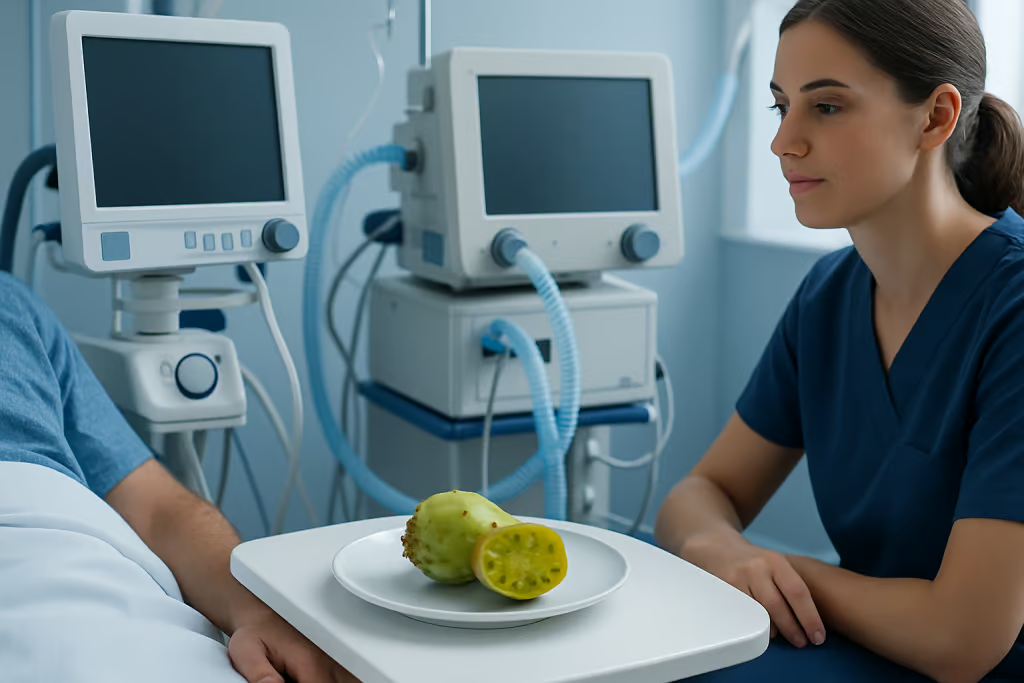
Prickley pear is relatively low in calories and contains dietary fiber, which can help support fullness and regular bowel movements. The fruit and pads also provide vitamin C and smaller amounts of other vitamins and minerals such as magnesium and potassium. Their bright colors reflect plant pigments and antioxidants, which may help protect cells from oxidative stress.
Researchers have studied prickley pear for several possible health effects. Early evidence suggests that it may modestly support blood sugar management in some people, especially when the cactus pads are eaten with meals. Fiber slows digestion, which can reduce rapid rises in blood glucose after eating. This is one reason prickley pear sometimes appears in discussions of healthy eating for people with metabolic concerns, including diabetes.
There is also interest in its effect on blood lipids and inflammation. Some small studies suggest that components of prickley pear may help improve cholesterol levels or reduce inflammatory markers, but results are not consistent enough to make strong medical claims. It should be viewed as one potentially useful food choice rather than a stand-alone treatment.
Digestive health is another area where prickley pear may be helpful. The fiber in the fruit and pads can support bowel regularity, and some people tolerate cooked cactus pads well. However, too much fiber at once can cause bloating, gas, or changes in bowel habits, so gradual introduction is usually more comfortable.
Common uses in diet, supplements, and traditional remedies

In everyday use, prickley pear may be eaten as a whole fruit, blended into beverages, or cooked into sauces and preserves. The pads are usually trimmed, cleaned, and cooked before eating. As a food, it can fit into many meal patterns and is often valued for its fiber and water content.
It is also sold as powders, capsules, extracts, and juices. These products may be marketed for blood sugar support, weight management, exercise recovery, or “detox” benefits. Patients should know that supplement quality can vary, and the amount of active compounds may differ widely between products. Unlike whole foods, concentrated extracts may have stronger effects or be more likely to interact with medicines.
Traditional uses have included support for minor digestive discomfort, hydration, and general vitality. While such uses are culturally important, they are not the same as proof of medical effectiveness. Anyone considering prickley pear as part of symptom management should use it as a complement to, not a replacement for, evidence-based care, especially if symptoms could be related to a digestive disorder such as gastroenteritis or another diagnosed condition.
Possible side effects, allergies, and who should be careful
Most healthy adults can eat prickley pear in moderate amounts as a food, but side effects can occur. The most common are digestive, including bloating, nausea, loose stools, constipation, or abdominal discomfort. Seeds in the fruit may be difficult for some people to tolerate, especially if eaten in large quantities.
Allergic reactions are possible, though uncommon. Symptoms may include itching in the mouth, hives, swelling, stomach upset, or breathing difficulty after eating the fruit or pads. Any sign of a serious allergic reaction requires urgent medical attention. People with known allergies to plant foods should be especially cautious when trying prickley pear for the first time.
People taking medicines that affect blood sugar should be careful because prickley pear may have an additional glucose-lowering effect in some cases. This does not mean it should be avoided completely, but it may be wise to discuss regular use with a doctor, especially for those already being treated for diabetes. Individuals with kidney disease, severe digestive disorders, or swallowing problems should also ask a clinician whether it is appropriate for them.
Handling the plant can also cause irritation if the tiny spines are not fully removed. The fruit skin and cactus pads may have fine hair-like barbs called glochids that can stick to the skin and cause discomfort. Careful washing, peeling, and preparation are essential.
How doctors evaluate symptoms linked to prickley pear
Doctors do not usually need special testing simply because a person has eaten prickley pear. Evaluation depends on the symptoms. Mild digestive symptoms after eating a new food may only require a history of what was eaten, how much was consumed, and whether the symptoms improved after avoiding it.
If a person has more significant symptoms such as severe abdominal pain, vomiting, dehydration, or signs of allergy, the assessment may include a physical examination and tests based on the likely cause. Blood tests can help check hydration, blood sugar, or signs of infection or inflammation. In some cases, doctors may consider digestive imaging or other studies if symptoms suggest a separate gastrointestinal problem rather than simple food intolerance. Depending on the concern, clinicians may use tools such as MRI scanning or CT scanning as part of a broader diagnostic workup.
For people with diabetes or prediabetes who want to use prickley pear regularly, a doctor may recommend monitoring blood sugar more closely at first. This helps determine whether it is affecting glucose levels in a meaningful way. Keeping a food and symptom diary can also be helpful when trying to identify whether prickley pear is beneficial, neutral, or irritating.
Safe use, preparation, and practical self-care
The safest way to try prickley pear is usually as a food rather than as a concentrated supplement. A small portion allows a person to assess tolerance before eating more. Washing and peeling the fruit carefully and removing all visible spines from pads are important steps to avoid skin and mouth irritation.
Cooking the pads can improve texture and may make them easier to digest. Some people prefer to start with cooked nopal rather than raw preparations. Drinking enough water and increasing fiber gradually can reduce the chance of bloating or constipation when adding cactus foods to the diet.
Patients should be cautious with juices, powders, or capsules marketed for medical effects. Supplements may contain variable ingredients, and labels may not reflect how a product affects an individual. If a person is considering prickley pear as part of a broader plan for nutrition or metabolic health, guidance from a clinician or dietitian can be useful. In some situations, formal assessment such as a medical check-up may help place dietary choices in the context of overall health.
- Start with a small serving.
- Choose properly cleaned and prepared fruit or pads.
- Avoid using supplements as a replacement for prescribed treatment.
- Monitor symptoms if there is a history of food sensitivity or blood sugar problems.
When to seek medical care
Medical care is appropriate if symptoms after eating prickley pear are severe, persistent, or unusual. This includes trouble breathing, swelling of the lips or throat, severe vomiting, intense abdominal pain, blood in the stool, fainting, or signs of dehydration. These symptoms are not typical and should be assessed promptly.
People with diabetes should contact their healthcare team if they notice unexpected low blood sugar, large glucose fluctuations, or if they plan to use prickley pear regularly in supplement form. Those with chronic digestive symptoms should also seek advice rather than assuming the cactus itself is the main problem, since conditions affecting the stomach, intestines, gallbladder, or pancreas can cause similar complaints.
If symptoms continue despite avoiding the food, a more complete medical review may be needed. Acibadem International’s multidisciplinary specialists and JCI-accredited hospitals diagnose and treat digestive and metabolic conditions for international patients, using appropriate testing and individualized care when further evaluation is needed.
Frequently asked questions
Is prickley pear good for health?
Prickley pear can be a healthy food because it provides fiber, water, vitamins, minerals, and antioxidant plant compounds. It may support digestion and fit well into a balanced diet, but it is not a treatment for disease on its own.
Can prickley pear lower blood sugar?
Some studies suggest prickley pear, especially cactus pads, may modestly reduce blood sugar after meals in certain people. However, the effect is variable, and anyone using diabetes medicine should speak with a doctor before relying on it regularly.
What are the side effects of prickley pear?
Possible side effects include bloating, diarrhea, constipation, nausea, or abdominal discomfort, particularly if a large amount is eaten. Rarely, allergic reactions can occur, and the small spines on the plant can irritate the skin or mouth if not removed properly.
Is prickley pear the same as nopal?
They are closely related terms but are not always used in exactly the same way. Prickley pear often refers to the cactus fruit, while nopal usually refers to the edible pads of the cactus, though both come from Opuntia species.
Can everyone eat prickley pear?
Most people can eat it safely in moderate amounts as a food, but it may not be right for everyone. People with food allergies, diabetes, kidney disease, or chronic digestive problems should use extra caution and ask a healthcare professional if they are unsure.
Are prickley pear supplements better than the fruit?
Not necessarily. Whole fruit and cooked pads are usually the more predictable and food-based option, while supplements can vary in strength and quality. A supplement should not replace medical treatment or a balanced diet.
References
- World Health Organization
- U.S. National Center for Complementary and Integrative Health
- U.S. Department of Agriculture
- National Institute of Diabetes and Digestive and Kidney Diseases
- European Food Safety Authority
This article is for general information only and is not a substitute for professional medical advice. Please consult a qualified doctor about your individual situation.
Explore treatments in Turkey — costs, top hospitals & a free quote
JCI-accredited · board-certified surgeons · reply within 24h
Add us as a Preferred Source to see more of our trusted health content across Google Search, AI Overviews and Discover.
Check your numbers in seconds
BMI, calories, due date, blood pressure and 30+ more clinical calculators — free, instant, doctor-reviewed ranges.