

Progeria: What Patients Need to Know
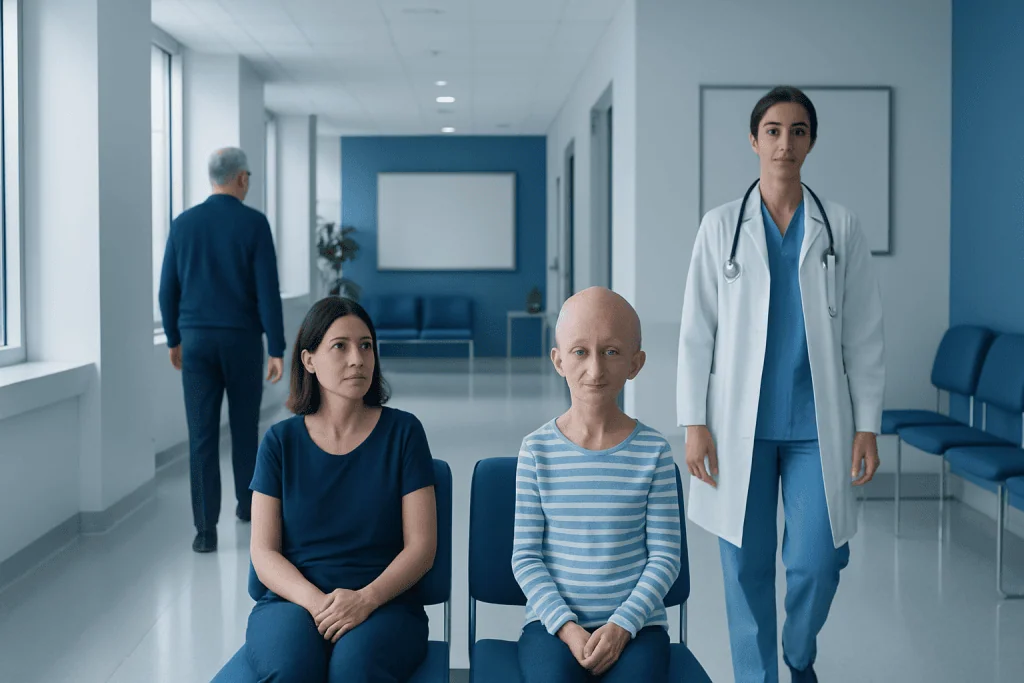
Progeria is a very rare genetic disorder, also called Hutchinson-Gilford progeria syndrome. It is usually caused by a change in the LMNA gene and is not typically inherited from a parent.
Key Takeaways
- Progeria is a very rare genetic disorder, also called Hutchinson-Gilford progeria syndrome.
- It is usually caused by a change in the LMNA gene and is not typically inherited from a parent.
- Children with progeria often develop growth delay, hair loss, skin changes, and joint stiffness in early childhood.
- Care focuses on monitoring the heart, blood vessels, bones, joints, nutrition, and overall development.
- A multidisciplinary medical team can help manage symptoms, prevent complications, and support daily life.
Progeria is a rare genetic condition that causes features of accelerated aging in children. While there is no complete cure, early diagnosis, regular monitoring, and supportive treatment can help manage complications and improve quality of life.
Overview of progeria
Progeria is a rare genetic condition in which a child develops physical changes that resemble accelerated aging. The most common form is called Hutchinson-Gilford progeria syndrome. It usually becomes noticeable in the first years of life, even though affected babies often appear healthy at birth.
Progeria mainly affects growth, the skin, hair, joints, bones, and the cardiovascular system. Children with this condition typically have normal intelligence and emotional development, but their bodies age in certain ways much faster than expected. The condition is uncommon, and many families first learn about it only after a doctor notices a specific pattern of symptoms.
Although progeria cannot usually be reversed, medical care has improved. Ongoing follow-up, supportive therapies, and treatment of complications may help children stay more comfortable and active. Because the condition can affect several organ systems, care is often coordinated across specialties rather than handled by one doctor alone.
Signs and symptoms families may notice
The first sign of progeria is often slow growth. A child may gain weight slowly, remain shorter than expected, or have less body fat than other children of the same age. Over time, facial features may become more distinctive, with a small jaw, a narrow face, a beaked nose, and prominent eyes or scalp veins.
Hair changes are also common. Children may develop thinning hair or hair loss on the scalp, eyebrows, and eyelashes. The skin may appear thin, tight, shiny, or aged, and some children develop visible veins, patches of discoloration, or changes that resemble scleroderma-like skin tightening.
Other symptoms can affect movement and daily comfort. Joint stiffness, hip problems, reduced flexibility, and delayed tooth eruption may occur. Many children also have a high-pitched voice and reduced muscle mass. Despite these physical changes, cognitive development is generally not affected, and children usually learn and interact in age-appropriate ways.
- Slow growth and low body weight
- Hair thinning or hair loss
- Thin or tight skin
- Distinctive facial features
- Joint stiffness and limited mobility
- Bone changes or hip problems
- Cardiovascular complications over time
Why progeria happens
Progeria is most often caused by a change in the LMNA gene. This gene helps the body make lamin A, a protein that supports the structure of the cell nucleus. In progeria, the altered gene leads to production of an abnormal protein called progerin. Progerin builds up in cells and makes them less stable and less able to function normally.
In most cases, the genetic change happens spontaneously and is not passed down from a parent. This means families usually have no warning before a child is diagnosed, and parents should not feel that they caused the condition. The chance of having another child with the same disorder is usually low, but genetic counseling may help families understand individual risk.
As abnormal protein accumulates, tissues that depend on healthy cell structure may be affected over time. Blood vessels, skin, bones, and joints are especially vulnerable. This is why the condition is not simply about appearance; it can also influence long-term health, particularly heart and vascular health.
How doctors diagnose progeria
Doctors often suspect progeria from a child’s pattern of growth and physical findings during an examination. Because the condition is rare, diagnosis may initially involve ruling out other causes of growth delay, skin changes, or skeletal differences. A pediatrician may refer the child to genetics, cardiology, endocrinology, orthopedics, or other specialists for a fuller assessment.
Genetic testing is used to confirm the diagnosis by identifying a change in the LMNA gene. This can provide clarity for families and guide long-term planning. In addition to genetic testing, doctors usually assess the child’s heart and blood vessels, growth, hearing, bones, joints, and dental development to understand how the condition is affecting the body.
Imaging and cardiovascular evaluation may be important because complications can develop before obvious symptoms appear. Depending on the child’s needs, doctors may use blood pressure checks, echocardiography, vascular studies, bone imaging, or other tests. If there are concerns about the brain’s blood vessels or stroke risk, advanced imaging such as MRI imaging may be recommended as part of a broader evaluation.
Treatment and ongoing care
There is no single treatment that cures progeria, so care is focused on monitoring and managing complications. Children benefit from a personalized plan that addresses cardiovascular health, nutrition, mobility, bone strength, skin care, and emotional support. Regular follow-up is important because needs may change as the child grows.
Doctors may recommend medicines or supportive treatments to reduce specific risks, especially those related to the heart and blood vessels. Some children may be considered for newer targeted therapies under specialist guidance. Treatment decisions depend on the child’s symptoms, age, overall health, and access to specialist care, and they should be discussed carefully with an experienced team.
Rehabilitation and supportive therapies can also make daily life easier. Physical therapy may help preserve flexibility and comfort, while nutrition guidance can support healthy calorie intake and hydration. When movement becomes more difficult, physical therapy and rehabilitation may help maintain function. If cardiovascular complications arise, specialists in pediatric cardiology may be involved in long-term monitoring and care.
Because progeria affects several body systems, a multidisciplinary approach is often the most practical. In some cases, doctors may also evaluate overlapping concerns related to genetic diseases or age-related vascular changes. Near the end of the care pathway, families seeking international evaluation may wish to know that Acibadem International’s multidisciplinary specialists and JCI-accredited hospitals diagnose and treat complex rare conditions for international patients.
Daily support, prevention, and self-care
Progeria cannot be prevented in the usual sense because it is caused by a genetic change that usually happens by chance. However, good daily care can support comfort, growth, and overall well-being. Families are often encouraged to focus on hydration, balanced nutrition, regular movement within the child’s limits, and protection from skin injury.
Home routines may be adjusted to reduce strain on joints and conserve energy. Comfortable footwear, gentle stretching, and seating that supports posture can be helpful. Because children with progeria may have less body fat and more difficulty staying comfortable in extreme temperatures, keeping the home environment stable may also help.
Emotional and social support matter just as much as physical care. Many children with progeria attend school, develop strong relationships, and participate in family life. Open communication with teachers, caregivers, and healthcare professionals can help ensure that the child’s needs are understood and respected. Families may also benefit from counseling or patient support networks for practical advice and reassurance.
When to seek medical care
Families should arrange medical evaluation if a child has unexplained growth delay, early hair loss, tight or thin skin, joint stiffness, or facial features that seem to be changing in an unusual pattern. These signs do not always mean progeria, but they do deserve assessment by a qualified doctor. Early diagnosis can help organize appropriate monitoring and support.
Prompt medical attention is especially important if a child with progeria develops chest pain, shortness of breath, weakness, sudden severe headache, difficulty speaking, or changes in walking or coordination. These symptoms may point to serious cardiovascular or neurological complications and should not be ignored.
Regular scheduled follow-up is also part of essential care, even when a child seems stable. Ongoing review helps doctors watch for problems involving the heart, blood vessels, bones, joints, and growth before they become more severe. Families should feel comfortable asking for a second opinion or specialist referral when needed.
Frequently asked questions
What is progeria?
Progeria is a rare genetic disorder that causes children to develop certain features of aging much earlier than usual. The most common type is Hutchinson-Gilford progeria syndrome, which usually becomes noticeable in early childhood.
Is progeria inherited from parents?
In most cases, progeria is not inherited from a parent. It usually happens because of a new genetic change in the LMNA gene that occurs by chance.
At what age does progeria start?
Most babies with progeria look healthy at birth. Signs often begin to appear within the first one to two years of life, especially slow growth, hair loss, and skin changes.
Can progeria be cured?
There is no complete cure for progeria at this time. However, regular medical care, monitoring, and symptom-based treatment can help manage complications and support quality of life.
Does progeria affect intelligence?
Progeria usually does not affect intelligence. Children with the condition generally have normal thinking, learning, and emotional development for their age.
How is progeria diagnosed?
Doctors diagnose progeria based on physical findings, growth patterns, and genetic testing. Additional tests are often used to check the heart, blood vessels, bones, joints, and other systems that may be affected.
References
- National Institutes of Health
- National Organization for Rare Disorders
- MedlinePlus
- Genetics Home Reference resources from the U.S. National Library of Medicine
- American Academy of Pediatrics
This article is for general information only and is not a substitute for professional medical advice. Please consult a qualified doctor about your individual situation.
Hair transplant in Turkey — costs, graft counts & a free assessment
JCI-accredited · board-certified surgeons · reply within 24h
Add us as a Preferred Source to see more of our trusted health content across Google Search, AI Overviews and Discover.
Check your numbers in seconds
BMI, calories, due date, blood pressure and 30+ more clinical calculators — free, instant, doctor-reviewed ranges.

More from the Health Library



Related Specialists
Dr. Caner İşkorur
Emergency Service
Assoc. Prof. Dr. Murat Baştopcu
Cardiovascular Surgery
Dr. Ünzüle Akpınar Sürenoğlu
OtorhinolaryngologyAssoc. Prof. Dr. İzgi Alnıak
Psychiatry