Prokinetics: An Evidence-Based Guide for Patients

Prokinetics help the stomach or intestines move contents forward more effectively. They are commonly used for selected motility problems such as gastroparesis and sometimes reflux-related symptoms.
Key Takeaways
- Prokinetics help the stomach or intestines move contents forward more effectively.
- They are commonly used for selected motility problems such as gastroparesis and sometimes reflux-related symptoms.
- Different prokinetic medicines work in different ways and have different side-effect profiles.
- These medicines should be used under medical guidance, especially if symptoms are persistent or severe.
- Lifestyle measures, diet changes, and treatment of the underlying cause are often part of care.
Prokinetics are medicines that improve movement in the digestive tract, helping some people with symptoms such as nausea, early fullness, bloating, reflux, or delayed stomach emptying. They are not right for every digestive complaint, so diagnosis and careful follow-up are important.
Overview: what prokinetics are and when they are used
Prokinetics are medicines that help the digestive tract move food and liquid forward. In simple terms, they support the normal muscle activity of the esophagus, stomach, or intestines. Doctors may prescribe them when symptoms suggest that the digestive system is moving too slowly, especially when a person has nausea, vomiting, early fullness after meals, bloating, or delayed stomach emptying.
These medicines are not a cure-all for every stomach complaint. They are most useful when there is a motility problem, meaning the movement of the digestive tract is impaired. This is why a careful evaluation matters. Similar symptoms can also come from ulcers, infections, medication side effects, irritable bowel syndrome, functional dyspepsia, or structural problems that need a different approach.
Prokinetics are often discussed in relation to conditions such as gastroparesis and some forms of reflux or upper digestive discomfort. In practice, treatment usually combines medicine with diet changes, review of other medications, and management of any underlying disease such as diabetes or neurologic illness.
How prokinetics work in the digestive system
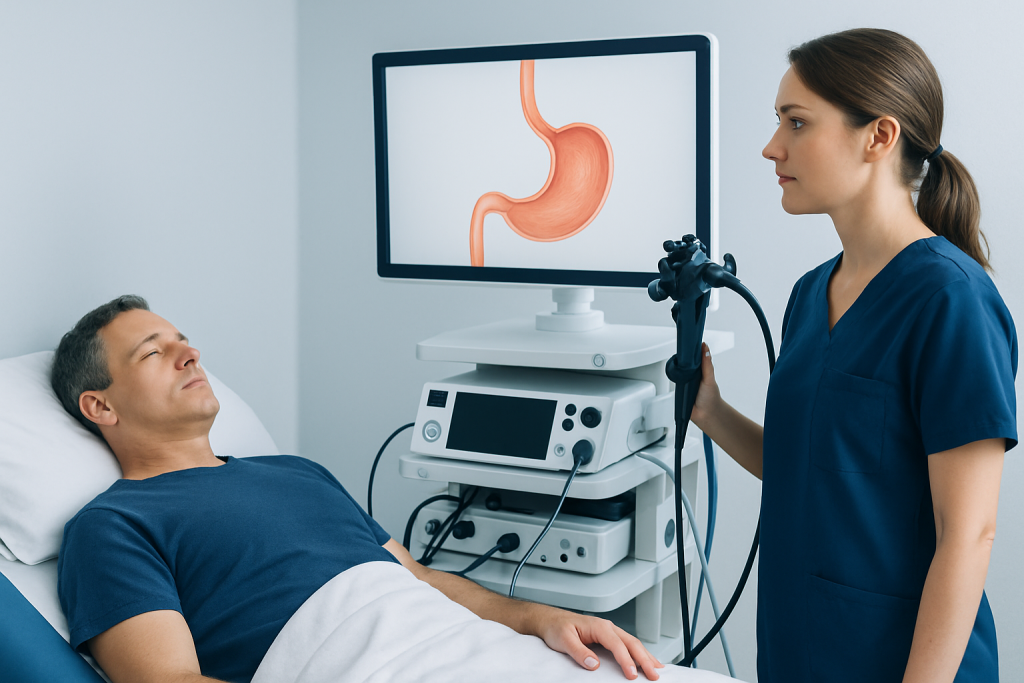
The digestive tract relies on coordinated muscle contractions and nerve signals to move food from the esophagus into the stomach and then onward through the intestines. Prokinetics act on some of these pathways to encourage more effective movement. Depending on the specific medicine, they may increase stomach contractions, improve coordination, or help the stomach empty faster.
Some prokinetics also affect the lower esophageal sphincter, the muscle valve between the esophagus and stomach. When this valve is weak, stomach contents may flow backward and cause heartburn or regurgitation. In selected patients, a prokinetic may help alongside other treatments for GERD, although acid-suppressing medicines are often still needed.
Not all digestive symptoms improve with a prokinetic. If the main problem is inflammation, acid irritation, a blockage, or a non-digestive cause, the medicine may not help and could delay proper treatment. For this reason, doctors try to match the medicine to the most likely mechanism behind the symptoms rather than prescribing it routinely.
Symptoms and conditions that may lead to prokinetic treatment

A doctor may consider prokinetics when symptoms suggest slow or uncoordinated movement in the upper digestive tract. Common examples include feeling full after only a few bites, nausea after meals, vomiting undigested food, upper abdominal bloating, and a heavy or uncomfortable sensation in the stomach. Some people also notice poor appetite or fluctuations in blood sugar if delayed stomach emptying is related to diabetes.
Prokinetics may also be used in selected cases of reflux, especially when regurgitation or post-meal symptoms suggest that delayed gastric emptying is contributing. They can sometimes be part of care for functional dyspepsia, but only after a clinician has considered other causes and judged that impaired motility may be playing a role.
Possible situations where prokinetics may be discussed include:
- Gastroparesis or suspected delayed stomach emptying
- Persistent nausea or vomiting not explained by infection alone
- Meal-related bloating and early satiety
- Selected reflux symptoms that continue despite standard measures
- Motility-related symptoms after surgery or in certain neurologic conditions
Because these symptoms overlap with many other disorders, self-diagnosis is not reliable. Ongoing vomiting, weight loss, trouble swallowing, black stools, or anemia need prompt medical assessment rather than self-treatment.
Common types of prokinetic medicines and possible side effects
Several medicines can have prokinetic effects, but they are not interchangeable. A doctor chooses among them based on the person’s symptoms, age, other illnesses, medication list, and country-specific availability. Some are used more often for short-term symptom control, while others are reserved for carefully selected patients because of potential risks.
Examples may include dopamine receptor blockers, serotonin-acting medicines, and other agents that affect gastrointestinal nerve signaling. Some medicines are better studied for diabetic or idiopathic gastroparesis, while others may be used for nausea, reflux-related symptoms, or postoperative motility problems. In many cases, clinicians review whether a person is taking medicines that slow the gut, such as some pain medicines, before starting a prokinetic.
Side effects vary by drug. Depending on the medicine, these can include sleepiness, restlessness, diarrhea, headache, breast changes related to hormone effects, involuntary muscle movements, or effects on heart rhythm. That is one reason prokinetics should not be started casually or shared between family members. Some people need monitoring or a shorter treatment course, and others should avoid certain drugs entirely because of their medical history.
If symptoms are significant or long-lasting, a gastroenterology evaluation may help guide the safest choice. In some cases, treatment may be combined with broader care such as gastroenterology evaluation or support for conditions causing poor stomach emptying.
How doctors diagnose motility problems before prescribing prokinetics
Diagnosis usually starts with a detailed history. Doctors ask when symptoms began, whether they are related to meals, whether there is vomiting or weight loss, and whether the person has diabetes, recent surgery, thyroid disease, connective tissue disease, or neurologic conditions. They also review medicines, since some drugs can slow the stomach and imitate a motility disorder.
Testing depends on the pattern of symptoms. Blood tests may look for dehydration, anemia, blood sugar problems, or other underlying issues. In some patients, an upper endoscopy is needed to rule out ulcers, inflammation, or a physical blockage. Imaging or specialized motility tests may be recommended if symptoms are persistent or severe.
When gastroparesis is suspected, doctors often use a gastric emptying test to measure how quickly food leaves the stomach. This helps distinguish true delayed emptying from other causes of similar symptoms. Additional procedures such as endoscopy may be appropriate when symptoms raise concern for structural disease rather than a pure motility issue.
Accurate diagnosis matters because treatment differs by cause. A person with peptic ulcer disease, severe reflux injury, bowel obstruction, or a gallbladder problem needs a different plan from someone whose main issue is impaired gastric motility.
Treatment options beyond prokinetics
Prokinetics are only one part of care. Many patients improve most when medicine is combined with practical changes such as eating smaller, more frequent meals, reducing very high-fat foods, and choosing softer or easier-to-digest meals during flare-ups. Good hydration is important, especially if nausea or vomiting is present. For people with diabetes, blood sugar control can also support better stomach function over time.
If symptoms are related to reflux, clinicians may add acid-lowering treatment and lifestyle steps such as avoiding late meals and elevating the head of the bed. If another medicine is slowing the digestive tract, the safest and most effective change may be adjusting that medicine rather than simply adding a prokinetic.
More advanced treatment may be considered when symptoms are severe, nutrition is affected, or standard approaches have not helped. Depending on the diagnosis, options may include specialist-led reflux treatment strategies, nutritional support, or a focused plan for gastroparesis treatment. In people with significant or unexplained ongoing symptoms, care is often best coordinated by a gastroenterologist and, when relevant, an endocrinologist, surgeon, or dietitian.
Prevention, self-care, and when to seek medical care
There is not always a way to prevent digestive motility problems, but symptom control can often be improved by daily habits. Helpful steps may include eating smaller portions, chewing well, limiting very heavy meals, reducing alcohol if it worsens symptoms, and keeping a simple food and symptom diary. People with diabetes should work with their clinician on consistent glucose management, since high blood sugar can worsen stomach emptying.
It is also wise to review all medicines and supplements with a doctor or pharmacist. Some can slow the stomach or interact with prokinetics. Taking more medicine is not always the answer; sometimes treatment means removing a trigger or clarifying the diagnosis.
Medical care should be sought promptly if there is persistent vomiting, dehydration, fainting, severe abdominal pain, black stools, vomiting blood, trouble swallowing, unintentional weight loss, or symptoms that continue despite treatment. A patient should also contact a doctor if side effects appear after starting a prokinetic, especially unusual movements, marked drowsiness, palpitations, or worsening symptoms.
For patients who need specialist assessment, Acibadem International’s multidisciplinary teams in JCI-accredited hospitals evaluate digestive motility disorders and related conditions for international patients in a coordinated way.
Frequently asked questions
What are prokinetics used for?
Prokinetics are used to help the digestive tract move food forward more effectively. Doctors may prescribe them for selected problems such as delayed stomach emptying, nausea related to motility disorders, or some reflux-related symptoms.
Do prokinetics help with gastroparesis?
They can help some people with gastroparesis by improving stomach emptying and reducing symptoms such as nausea, vomiting, bloating, or early fullness. However, the response varies, and treatment usually also includes diet changes and management of the underlying cause.
Are prokinetics the same as antacids or acid blockers?
No. Antacids and acid blockers reduce stomach acid, while prokinetics aim to improve movement of the digestive tract. Some people need both types of treatment, depending on the cause of their symptoms.
Can prokinetics cause side effects?
Yes. Side effects depend on the specific medicine and may include sleepiness, restlessness, diarrhea, movement-related side effects, or heart rhythm concerns. Because of these differences, prokinetics should be used only under medical supervision.
How long do people take prokinetics?
The length of treatment varies based on the diagnosis, the medicine chosen, and how well symptoms respond. Some people use them for a short period, while others need longer follow-up with regular reassessment by a clinician.
Can someone start a prokinetic without testing?
A doctor may sometimes begin treatment based on symptoms, but ongoing or serious symptoms often need testing first. This helps rule out other causes such as ulcers, obstruction, or inflammation that would require different treatment.
This article is for general information only and is not a substitute for professional medical advice. Please consult a qualified doctor about your individual situation.
Persistent digestive symptoms? Get evaluated in Turkey
JCI-accredited · board-certified surgeons · reply within 24h
Add us as a Preferred Source to see more of our trusted health content across Google Search, AI Overviews and Discover.

More from the Health Library

Phenobarbital: A Complete Medical Overview

Dilated Pore of Winer — Explained by Medical Evidence, Not Myths

Hall’s Tissue Paper to Prevent Stuffed Nose — Explained by Medical Evidence, Not Myths

Proton Pump Inhibitors: What Patients Need to Know

Magnesium for Anxiety — Explained by Medical Evidence, Not Myths