

Prostate Cancer Recovery: A Week-by-Week Timeline

Recovery after prostate cancer treatment is individual and depends on the type of treatment and personal health. Radical prostatectomy is a major operation, although minimally invasive approaches may support earlier mobility and shorter hospital stays.
Key Takeaways
- Recovery after prostate cancer treatment is individual and depends on the type of treatment and personal health.
- Radical prostatectomy is a major operation, although minimally invasive approaches may support earlier mobility and shorter hospital stays.
- After surgery, catheter removal often occurs about one to two weeks after the procedure, depending on the surgeon's plan.
- Urinary leakage commonly improves gradually over weeks to months; pelvic floor rehabilitation may help.
- PSA follow-up is an essential part of prostate cancer recovery and long-term monitoring.
- Urgent medical assessment is needed for fever, worsening pain, heavy bleeding, breathing difficulty, or inability to urinate.
Prostate cancer recovery depends on the treatment received, overall health, cancer stage, and whether surgery, radiation therapy, hormone therapy, or active surveillance is used. After prostate surgery, most people progress from early wound and catheter care to gradual return of activity over several weeks, while urinary control and sexual recovery can take months or longer.
Overview: What Does Prostate Cancer Recovery Involve?
Prostate cancer recovery is not a single milestone. It includes physical healing, management of treatment effects, emotional adjustment, and follow-up testing to check how well treatment has worked. The prostate cancer recovery time varies considerably because treatment may involve surgery, radiation therapy, hormone therapy, chemotherapy, targeted medicines, or active surveillance rather than immediate treatment.
For people who have a radical prostatectomy, the prostate cancer recovery period often begins with a short hospital stay or, in selected cases, discharge the same or next day. Basic mobility usually returns over the first few weeks, but urinary continence, sexual function, fitness, and confidence may recover more gradually. A care team can provide an individualized plan based on pathology results, other health conditions, and the treatment performed.
Recovery should also be viewed alongside cancer control. A successful physical recovery does not replace regular follow-up appointments and prostate-specific antigen (PSA) testing. PSA trends help the clinical team assess whether further monitoring or treatment may be needed.
How Treatment Choice Shapes Recovery
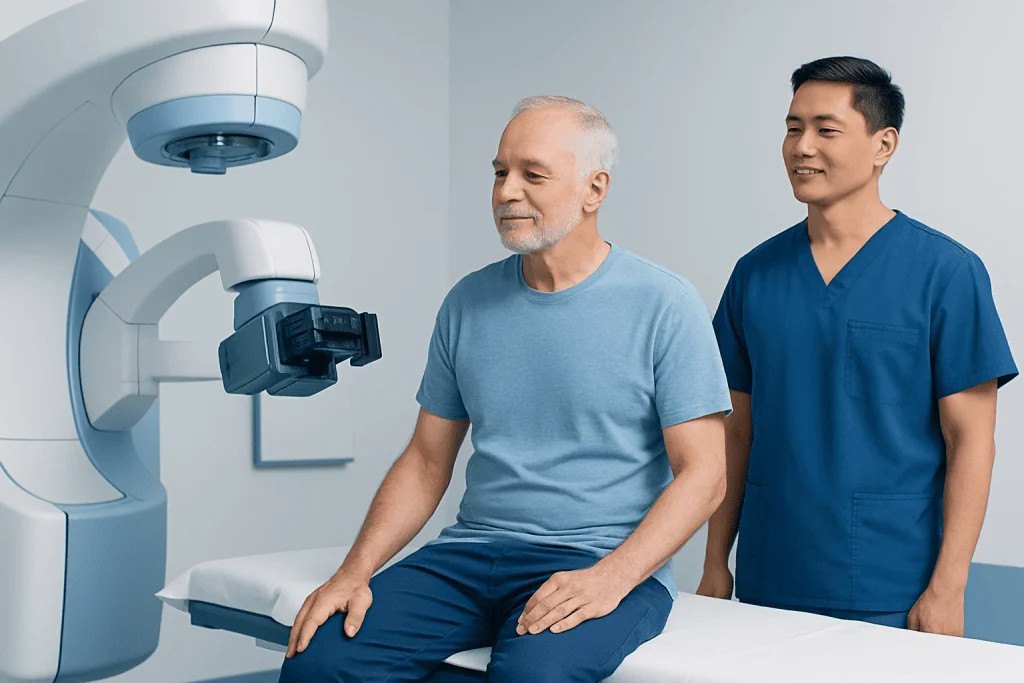
There is no single prostate cancer recovery timeline because treatment plans are personalized. Localized prostate cancer may be managed with active surveillance, surgery, external-beam radiation therapy, brachytherapy, or other approaches. More advanced disease may require systemic treatment, sometimes combined with radiation or surgery.
Active surveillance does not create a surgical recovery period, but it does involve scheduled PSA tests, examinations, imaging, and sometimes repeat biopsies. Radiation therapy usually does not require an operation or catheter, yet fatigue and bladder or bowel irritation may develop during treatment or in the weeks afterward. Hormone therapy can cause effects such as hot flushes, tiredness, changes in mood, reduced sexual desire, and loss of bone or muscle strength over time.
Surgery is often considered for people with cancer believed to be confined to the prostate and who are fit enough for anesthesia and an operation. Suitability depends on cancer characteristics, age, general health, urinary and sexual function before treatment, and personal preferences. The urology and oncology team should explain expected benefits, alternatives, and possible long-term effects before treatment decisions are made.
Radical Prostatectomy: How It Works and What Happens Step by Step
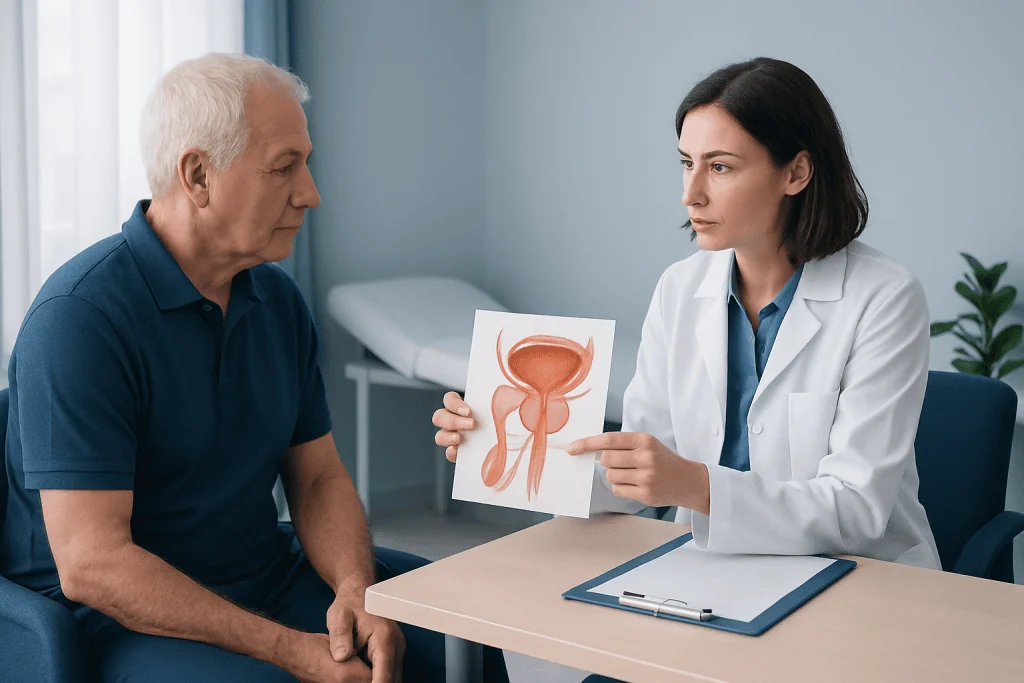
A radical prostatectomy removes the prostate gland and usually the seminal vesicles. In some cases, nearby lymph nodes are also removed and examined. The surgeon reconnects the bladder to the urethra, creating a new urinary connection that needs time to heal. The procedure may be performed through open surgery or with minimally invasive laparoscopic or robot-assisted techniques.
Before surgery, patients usually have a medical assessment, blood tests, medication review, and instructions about eating, drinking, bowel preparation if required, and stopping medicines that can increase bleeding risk. The operation is performed under general anesthesia. A urinary catheter is placed to drain urine while the bladder-to-urethra connection heals.
After surgery, the team monitors pain, movement, urine output, and signs of complications. Early gentle walking is encouraged when safe because it supports circulation, breathing, and bowel function. Patients receive guidance on catheter care, wound care, activity limits, pain relief, and follow-up. If available in the treatment plan, prostate cancer treatment options should be discussed with a specialist in relation to the person’s diagnosis and goals.
Potential benefits of surgery include removal of the known prostate tumor and detailed examination of removed tissue. Possible risks include bleeding, infection, blood clots, urinary leakage, erectile dysfunction, narrowing at the urinary connection, and the need for additional treatment if PSA later rises. Nerve-sparing surgery may be possible for some patients, but it cannot always be performed safely or guarantee preservation of erections.
Prostate Cancer Recovery: A Week-by-Week Timeline After Surgery
Days 0 to 3: The first days focus on safe recovery from anesthesia, pain control, short walks, deep breathing, and catheter care. Mild abdominal discomfort, tiredness, bruising, swelling, constipation, and blood-tinged urine can occur. The team will advise when it is safe to shower, eat normally, and travel home.
Week 1: Most people are resting at home and taking several short walks each day. The catheter remains in place for many patients. Heavy lifting, strenuous exercise, driving while taking sedating pain medicine, and sexual activity are usually avoided. Drinking adequate fluids, eating fiber-rich foods, and following prescribed bowel-care advice can help prevent constipation and straining.
Week 2: The catheter may be removed after the surgeon confirms healing is progressing appropriately. Temporary urinary leakage is common after removal, especially when standing, coughing, laughing, or exercising. Pads may be needed. The care team may recommend pelvic floor muscle exercises and refer the patient to a pelvic health physiotherapist.
Weeks 3 to 6: Energy and walking tolerance often improve, and many people gradually return to light daily activities or desk-based work, depending on their recovery and job demands. Urinary control may begin to improve but can still be variable. Heavy lifting, cycling, high-impact exercise, and strenuous abdominal exercise should wait until the surgeon approves them.
Weeks 6 to 12 and beyond: Many patients can resume broader exercise and work activities after medical clearance. Continence can continue improving for several months, and erectile recovery may take many months or sometimes longer, particularly after non-nerve-sparing surgery or when erectile function was reduced beforehand. PSA monitoring begins according to the care plan; the result pattern is more meaningful than a single isolated test.
What Are Some Tips for Recovery After Prostate Surgery?
Recovery after prostate surgery is supported by steady, realistic routines rather than rushing back to normal activity. Taking short walks regularly, increasing distance gradually, and resting when tired can build stamina while reducing the risks associated with prolonged inactivity. Patients should follow their surgeon’s instructions about lifting limits, driving, bathing, wound care, and return to exercise.
Pelvic floor muscle training is a central part of recovery for many patients. A qualified clinician can check that the correct muscles are being activated and create a safe program. These exercises may help with urinary control, but progress is gradual and varies from person to person. Excessive straining or doing exercises incorrectly may be unhelpful, so personalized instruction matters.
Nutrition and hydration also support healing. A balanced diet with protein, fruit, vegetables, whole grains, and sufficient fluids can help maintain energy and prevent constipation. Alcohol may worsen dehydration, interfere with sleep, or interact with some medicines, so it should not be resumed until the person is no longer using opioid pain medicine, has no catheter-related restrictions, and has received advice from the surgical team.
- Use prescribed medicines exactly as directed and ask before restarting supplements or blood-thinning medicines.
- Keep follow-up appointments, including PSA tests and pathology discussions.
- Use pads or protective underwear if needed, without viewing temporary leakage as a personal failure.
- Discuss erections, intimacy, mood, sleep, and relationship concerns openly with the care team.
How Long Do Most People Live With Prostate Cancer?
Many people live for many years after a prostate cancer diagnosis, particularly when the cancer is localized or slow growing. However, life expectancy cannot be estimated accurately from the diagnosis alone. It depends on the cancer stage and grade, PSA level, genomic and imaging findings when used, response to treatment, age, other medical conditions, and whether the cancer has spread.
Some prostate cancers grow so slowly that active surveillance can be appropriate for a long period without affecting everyday life. Other cancers are more aggressive and need prompt treatment. Even when cancer has spread beyond the prostate, modern treatments can often control it for extended periods, although metastatic prostate cancer is generally not considered curable with current therapies.
The term prostate cancer recovery percentage can be misleading because outcomes are measured in different ways, such as freedom from recurrence, disease control, survival, continence, and sexual function. A specialist can explain which outcome measures are most relevant to the individual’s cancer and why regular PSA monitoring remains important after treatment.
Is Prostate Surgery Considered a Major or Minor Procedure?
Radical prostatectomy is considered a major operation. It requires general anesthesia, removal of an organ, reconstruction of the urinary tract, and a period of catheter use and recovery. Robot-assisted or laparoscopic approaches use smaller incisions than open surgery and may reduce some aspects of early recovery, but they remain major procedures.
People should plan for practical support after discharge, especially during the first one to two weeks. This may include help with meals, shopping, transport, household tasks, and catheter care. Recovery can be more demanding for people with heart or lung disease, diabetes, reduced mobility, or previous pelvic treatments.
Before surgery, patients should ask about the expected hospital stay, catheter duration, pain management, pelvic floor rehabilitation, work restrictions, and follow-up schedule. Shared decision-making is important because surgery is only one option within prostate cancer care, and each treatment approach has different potential benefits and side effects.
How Long After Prostate Surgery Can You Drink Alcohol?
Alcohol should generally be avoided in the immediate period after prostate surgery. It may interact with opioid pain medicines, sedatives, antibiotics, or other prescribed medicines, increase dehydration, worsen constipation, and make it harder to recognize early recovery problems. It may also irritate the bladder for some people.
There is no universal day when alcohol is safe for everyone. Many clinicians advise waiting until the person is no longer taking opioid pain medication, is eating and drinking normally, has no concerning bleeding or infection symptoms, and has been given approval at follow-up. The surgical team may recommend a longer pause if there are specific medical reasons, catheter concerns, or medication interactions.
Once alcohol is permitted, moderation is sensible. If alcohol triggers urgency, leakage, poor sleep, dizziness, or stomach upset, it is reasonable to avoid it longer and discuss symptoms with a clinician. Patients should not use alcohol as a way to cope with anxiety, sleep changes, or emotional stress during the prostate cancer recovery period.
When to Seek Medical Care
Patients should contact their surgical or oncology team promptly if they develop a fever, chills, worsening redness or drainage from an incision, increasing abdominal or pelvic pain, persistent vomiting, or urine that is heavily bloody or contains large clots. New swelling or pain in one leg, chest pain, sudden shortness of breath, fainting, or confusion requires urgent medical assessment.
Difficulty passing urine after catheter removal, a blocked or dislodged catheter, very low urine output, or uncontrolled pain should also be reported without delay. It is safer to seek advice early rather than wait for symptoms to become severe. The care team can determine whether symptoms are expected parts of healing or need treatment.
Emotional recovery deserves attention as well. Persistent low mood, severe anxiety, distress about continence or sexual changes, or difficulty coping with daily life should be shared with a healthcare professional. Acibadem International’s multidisciplinary specialists and JCI-accredited hospitals support diagnosis and treatment planning for international patients with prostate cancer.
Frequently asked questions
How long is the prostate cancer recovery time after an operation?
After radical prostatectomy, basic recovery commonly takes several weeks, while full recovery is more gradual. Many people return to light activities within a few weeks, but urinary control, sexual function, and overall stamina may continue improving for months or longer. The timeline depends on the surgical approach, general health, and individual healing.
How long do most people live with prostate cancer?
Many people live for many years with prostate cancer, especially when it is localized or slow growing. Prognosis varies according to cancer stage, grade, PSA level, treatment response, age, and other health conditions. A treating specialist can provide the most relevant outlook using the person's complete clinical information.
What are some tips for recovery after prostate surgery?
Follow the surgeon's activity, wound-care, catheter-care, and medication instructions. Walk regularly but gently, prevent constipation with fluids and a balanced diet, and ask about pelvic floor physiotherapy. Attend follow-up visits and discuss urinary, sexual, or emotional concerns early.
Is prostate surgery considered a major or minor procedure?
Radical prostatectomy is a major procedure because it involves general anesthesia, removal of the prostate, and reconstruction of the urinary tract. Minimally invasive surgery may allow smaller incisions and earlier movement, but it still requires careful recovery and follow-up. Patients should arrange practical support for the early period at home.
How long after prostate surgery can you drink alcohol?
Alcohol should be avoided immediately after surgery and while taking opioid pain medicines, sedatives, or medicines that may interact with it. The safest time to restart depends on healing, medication use, hydration, and the surgeon's instructions. Patients should confirm this at follow-up and resume only in moderation if approved.
What is the prostate cancer recovery rate?
The phrase recovery rate can mean different things, including cancer control, survival, urinary continence, erectile function, or return to normal activities. These outcomes vary by cancer risk level, treatment type, and personal health. A clinician can explain the outcomes most applicable to a person's diagnosis and treatment plan.
References
- American Cancer Society
- National Cancer Institute
- European Association of Urology
- National Health Service
- American Urological Association
This article is for general information only and is not a substitute for professional medical advice. Please consult a qualified doctor about your individual situation.
Prostate Cancer in Turkey — costs, top hospitals & a free quote
JCI-accredited · board-certified surgeons · reply within 24h
Add us as a Preferred Source to see more of our trusted health content across Google Search, AI Overviews and Discover.

More from the Health Library



Related Specialists

Dr. İhsan Atabay
Gynecology & Obstetrics
Prof. Dr. Yüksel Ersoy
Physical Medicine & Rehabilitation
Prof. Dr. Ersin Erek
Cardiovascular Surgery
Dr. Ghazal Shakıbaıe
Emergency Service