Prosthetic Leg — Explained by Medical Evidence, Not Myths
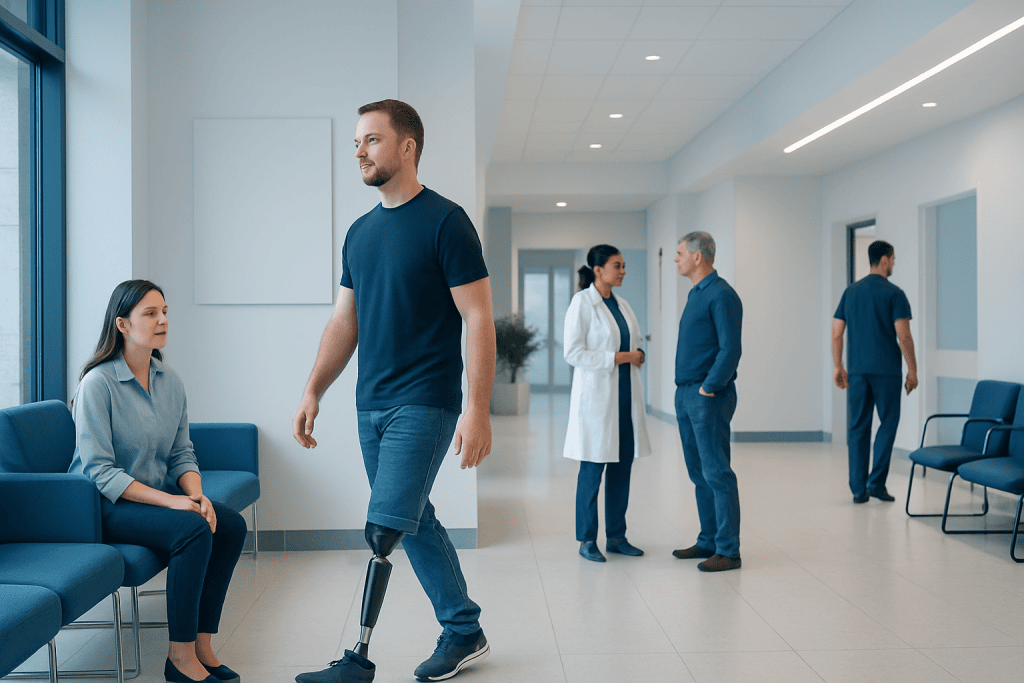
A prosthetic leg is tailored to the level of amputation, lifestyle, and physical goals of the individual. Comfort, socket fit, alignment, and rehabilitation are as important as the prosthetic components themselves.
Key Takeaways
- A prosthetic leg is tailored to the level of amputation, lifestyle, and physical goals of the individual.
- Comfort, socket fit, alignment, and rehabilitation are as important as the prosthetic components themselves.
- Modern prosthetic legs may include mechanical, energy-storing, microprocessor-controlled, or activity-specific parts.
- Skin checks, hygiene, and regular adjustments help prevent pain, pressure sores, and poor fit.
- A doctor or prosthetist should review any new pain, skin breakdown, swelling, or sudden change in walking ability.
A prosthetic leg is an artificial limb designed to replace part or all of a missing leg and help restore movement, stability, and daily function. The best results usually come from careful fitting, rehabilitation, skin care, and regular follow-up rather than from the device alone.
What a Prosthetic Leg Is—and What It Can Realistically Do
A prosthetic leg is an artificial limb that replaces a leg missing because of amputation or, less commonly, congenital limb difference. Its purpose is not simply cosmetic. A well-designed prosthesis can help a person stand, walk, transfer, keep balance, and take part in everyday activities with greater confidence and safety.
Medical evidence shows that outcomes depend on several factors working together: the health of the remaining limb, the fit of the socket, the alignment of the prosthesis, the person’s strength and balance, and structured rehabilitation. In other words, a prosthetic leg is part of a broader care plan rather than a stand-alone solution.
It is also helpful to clear up a common myth. Not every prosthetic leg is a highly computerized device, and more advanced technology is not automatically better for every person. The most suitable prosthesis is the one that matches the individual’s anatomy, goals, work, home environment, and overall health.
Who May Need a Prosthetic Leg
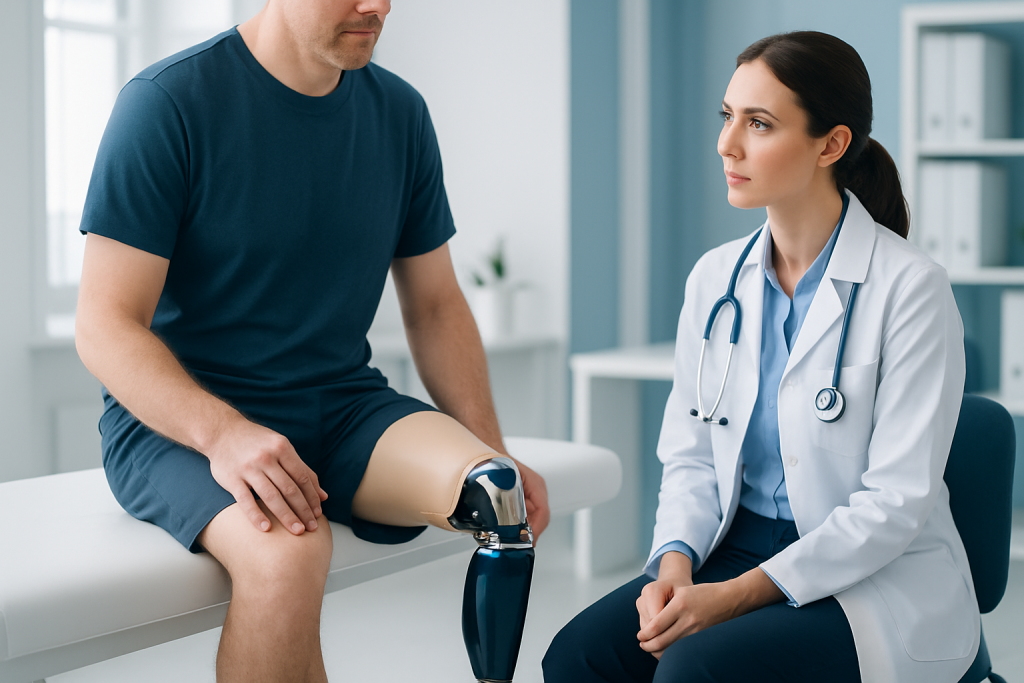
People may need a prosthetic leg after an amputation above the knee, below the knee, through the foot, or at the hip level. Amputation can happen for many reasons, including severe injury, poor circulation, diabetes-related complications, infection, cancer, or a condition present from birth. The type of prosthetic leg depends greatly on how much of the limb remains.
Below-knee prostheses often allow more efficient walking because the knee joint is preserved. Above-knee prostheses need a knee mechanism in addition to a foot and socket, so training may be more complex. For some individuals, partial-foot devices or specialized orthoprosthetic designs are more appropriate than a full artificial leg.
Doctors usually assess whether a person is medically ready for a prosthesis by reviewing wound healing, pain control, cardiovascular fitness, muscle strength, and the ability to participate in rehabilitation. Conditions such as peripheral artery disease or diabetes may affect healing and long-term limb health, so these factors are considered early in planning.
Main Parts and Types of Prosthetic Legs
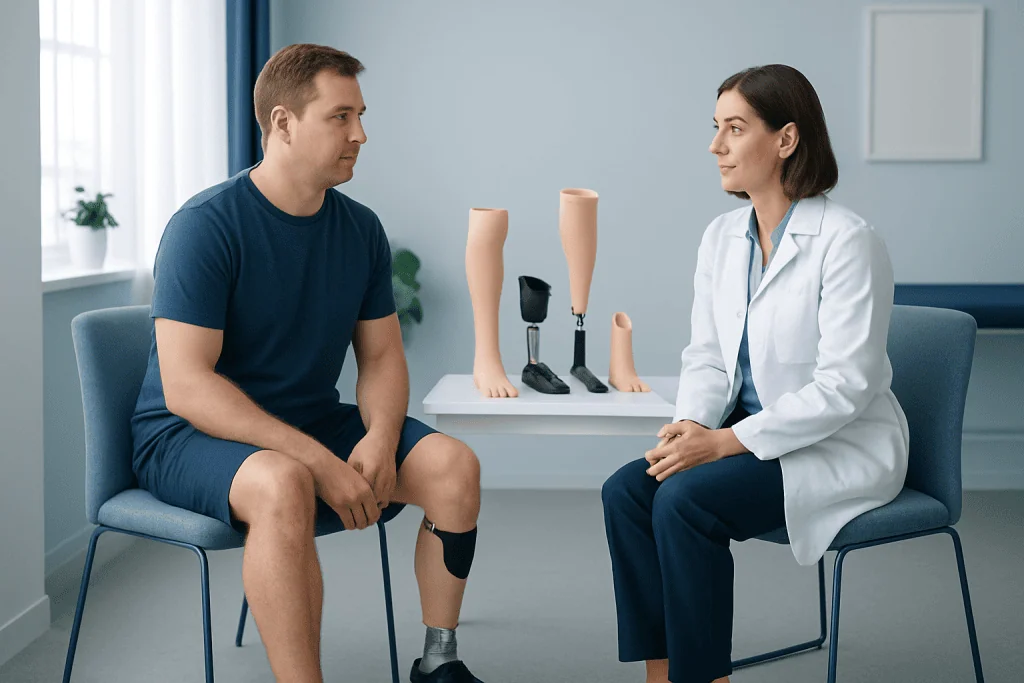
Although designs vary, most prosthetic legs include a socket, suspension system, structural components, and a foot. The socket is the part that fits over the residual limb and is often the most important factor in comfort. Suspension keeps the prosthesis attached, using methods such as suction, vacuum systems, straps, sleeves, or locking liners.
The lower part of the prosthesis may be simple and durable or more dynamic, depending on the user’s needs. Some feet are designed mainly for stability on level ground, while others store and release energy to make walking more efficient. In above-knee prostheses, the knee unit may be mechanical or microprocessor-controlled, helping improve swing control and reduce the risk of stumbles in selected users.
Common categories include:
- Basic mechanical prostheses: often chosen for durability, simplicity, and ease of maintenance.
- Energy-storing prosthetic feet: designed to return some energy during walking.
- Microprocessor-controlled knees: use sensors to adapt resistance during movement for appropriate candidates.
- Activity-specific prostheses: designed for sports, running, swimming, or certain work tasks.
The best device is not always the newest device. A prosthetist and rehabilitation team weigh safety, function, cost of maintenance, balance, terrain, hand strength, cognition, and the person’s daily routine before recommending components.
How Fitting, Rehabilitation, and Training Affect Success
One of the strongest evidence-based messages about prosthetic legs is that fit matters. Even a high-quality prosthesis may perform poorly if the socket is uncomfortable or poorly aligned. The residual limb usually changes shape in the weeks and months after amputation, so the prosthesis often needs adjustments, new liners, or later socket replacement.
Rehabilitation is equally important. A structured program may include exercises for strength, joint motion, balance, posture, and walking pattern. Training also helps a person learn how to put the prosthesis on correctly, manage stairs, rise from a chair, and reduce the risk of falls. Many patients benefit from coordinated physical therapy and rehabilitation as they adapt to the device.
Gait training is not only about walking farther. It also focuses on protecting the back, hips, and intact limb from overuse. Small problems such as unequal step length, poor weight shift, or trunk leaning can lead to pain over time, so regular review by a clinician or prosthetist is useful.
Pain after amputation can have more than one cause. It may come from socket pressure, skin irritation, neuroma, phantom limb pain, or muscle strain. If pain persists, specialists may recommend further assessment and, when appropriate, orthopedic rehabilitation or additional pain management strategies.
Benefits, Limits, and Common Concerns
A prosthetic leg can improve independence, allow safer transfers, support social participation, and help many people return to work or recreation. Some users value appearance and symmetry, while others focus mainly on function. Both are valid goals, and treatment planning usually works best when these priorities are discussed openly.
At the same time, it is important to have realistic expectations. A prosthetic leg does not fully recreate a natural limb. Walking may require more energy, especially after above-knee amputation. Uneven ground, fatigue, weather, and changes in body weight can all affect comfort and performance.
Common concerns include sweating, skin irritation, pressure points, balance problems, and difficulty wearing the prosthesis for long periods. These issues often improve with socket modifications, liner changes, physical therapy, or changes to socks and suspension. Persistent problems should not be ignored, because early adjustment may prevent more serious skin damage or falls.
Daily Care, Skin Protection, and Long-Term Self-Management
Daily self-care is a major part of successful prosthetic use. The residual limb should be checked every day, especially in areas that bear pressure. A mirror can help a person inspect hard-to-see areas. Redness that fades quickly may be expected at times, but persistent redness, blisters, cuts, or drainage need medical review.
Good hygiene reduces skin problems. The limb, liner, socks, and socket interface should be cleaned as instructed by the prosthetist or healthcare team, and fully dried before use. Moisture, trapped heat, and friction can increase the chance of rash, odor, fungal infection, or skin breakdown.
Weight changes, swelling, or loss of muscle bulk can alter fit. Many people use prosthetic socks or liner adjustments to fine-tune comfort during the day, but repeated need for major changes may mean the prosthesis needs professional adjustment. People with circulation problems or nerve damage should be especially careful, since they may notice skin injury later than others.
Long-term care also includes maintaining overall health. Strength training, flexibility work, heart health, and management of conditions such as diabetes or vascular disease can improve endurance and protect the remaining limb. In selected cases, further evaluation by teams involved in orthopedics and traumatology may help address stump pain, alignment concerns, or mobility limitations.
When to Seek Medical Care
Medical review is important if a prosthetic leg suddenly becomes painful, feels unstable, or no longer fits properly. The same is true if walking becomes harder without a clear reason, or if there are repeated falls, clicking sounds, or visible damage to the device.
A person should also seek care for skin breakdown, ulcers, swelling, unusual warmth, fever, drainage, or a wound that is not healing. These may signal infection, excessive pressure, or problems with circulation. New or worsening phantom pain, numbness, or sharp localized stump pain also deserves assessment.
For urgent symptoms such as severe shortness of breath, chest pain, sudden leg swelling, or signs of a serious infection, immediate medical attention is needed. Near the end of long-term treatment, some people may also benefit from multidisciplinary follow-up; Acibadem International’s JCI-accredited hospitals and rehabilitation specialists evaluate and treat prosthetic and limb-loss related needs for international patients.
Frequently asked questions
How long does it take to get used to a prosthetic leg?
Adjustment varies from person to person and depends on healing, strength, balance, and the type of amputation. Many people need weeks to months of fitting changes and rehabilitation before use becomes more natural. Regular follow-up helps improve comfort and walking efficiency.
Can a person walk normally with a prosthetic leg?
Many people achieve safe and efficient walking, but a prosthetic leg does not fully reproduce a natural limb. Walking pattern depends on the amputation level, the prosthetic components, physical conditioning, and training. Realistic goals are set individually with the care team.
Is a more advanced prosthetic leg always better?
Not necessarily. The best prosthetic leg is the one that matches the person’s anatomy, health, lifestyle, and goals. Simpler devices may be more practical and reliable for some users, while others benefit from more advanced features.
What problems are most common with a prosthetic leg?
Common issues include skin irritation, sweating, pressure areas, poor fit, discomfort, and difficulty with balance or stairs. These problems often improve with socket adjustments, liner changes, gait training, or physical therapy. Persistent pain or skin breakdown should be evaluated promptly.
How should the skin be cared for under a prosthetic leg?
The residual limb should be cleaned and checked daily for redness, blisters, cracks, or drainage. Liners and socks should also be cleaned as advised and allowed to dry completely. Any sore that does not improve quickly should be reviewed by a clinician.
Can children use a prosthetic leg?
Yes. Children with limb differences or amputation can often benefit from prosthetic assessment and rehabilitation. Because children grow quickly, they usually need more frequent reviews and adjustments than adults.
This article is for general information only and is not a substitute for professional medical advice. Please consult a qualified doctor about your individual situation.
Explore treatments in Turkey — costs, top hospitals & a free quote
JCI-accredited · board-certified surgeons · reply within 24h
Add us as a Preferred Source to see more of our trusted health content across Google Search, AI Overviews and Discover.

More from the Health Library

Honey for Hair: Moisture Benefits and Limits

Broken Finger — Explained by Medical Evidence, Not Myths

High Fiber Breakfast — Explained by Medical Evidence, Not Myths

Acute Intoxication: What Patients Need to Know

Monolaurin Benefits — Explained by Medical Evidence, Not Myths