Purified Water — Explained by Medical Evidence, Not Myths

Purified water refers to water that has undergone treatment to remove impurities; it is not a single, identical product. It is usually safe for daily drinking when produced, stored, and handled properly.
Key Takeaways
- Purified water refers to water that has undergone treatment to remove impurities; it is not a single, identical product.
- It is usually safe for daily drinking when produced, stored, and handled properly.
- Purified water is not automatically healthier than all other safe drinking water, and it does not cure disease or 'detox' the body.
- Different purification methods remove different contaminants, so labels and source information matter.
- People with infants, kidney disease, weakened immunity, or concerns about local water quality may need individualized advice.
Purified water is water that has been treated to reduce contaminants such as chemicals, microbes, and dissolved particles. For most people, it is a safe drinking option, but its value depends on water quality, treatment method, storage, and individual health needs rather than marketing claims or myths.
What purified water means in medical terms
Purified water is water that has been processed to remove unwanted substances such as bacteria, viruses, parasites, chemicals, heavy metals, sediment, and other dissolved particles. In practical terms, it is a category of treated water rather than one single type. Common purification methods include reverse osmosis, distillation, deionization, activated carbon filtration, ultraviolet treatment, and combinations of these approaches.
From a health perspective, the main goal of purification is safety and consistency. If treatment is effective and the water is stored hygienically, purified water is generally suitable for drinking and food preparation. It can be especially useful where the original water source is uncertain, has an unpleasant taste or odor, or contains contaminants above recommended levels.
At the same time, purified water is often surrounded by claims that go beyond the evidence. It does not inherently boost immunity, melt away toxins, or work as a treatment for medical conditions. The human body already has built-in systems for filtering and balancing fluids, mainly through the kidneys, liver, lungs, skin, and digestive tract. Good hydration matters, but the type of safe water a person drinks is usually less important than whether they are drinking enough and maintaining an overall balanced diet.
How purified water differs from tap, filtered, distilled, and spring water
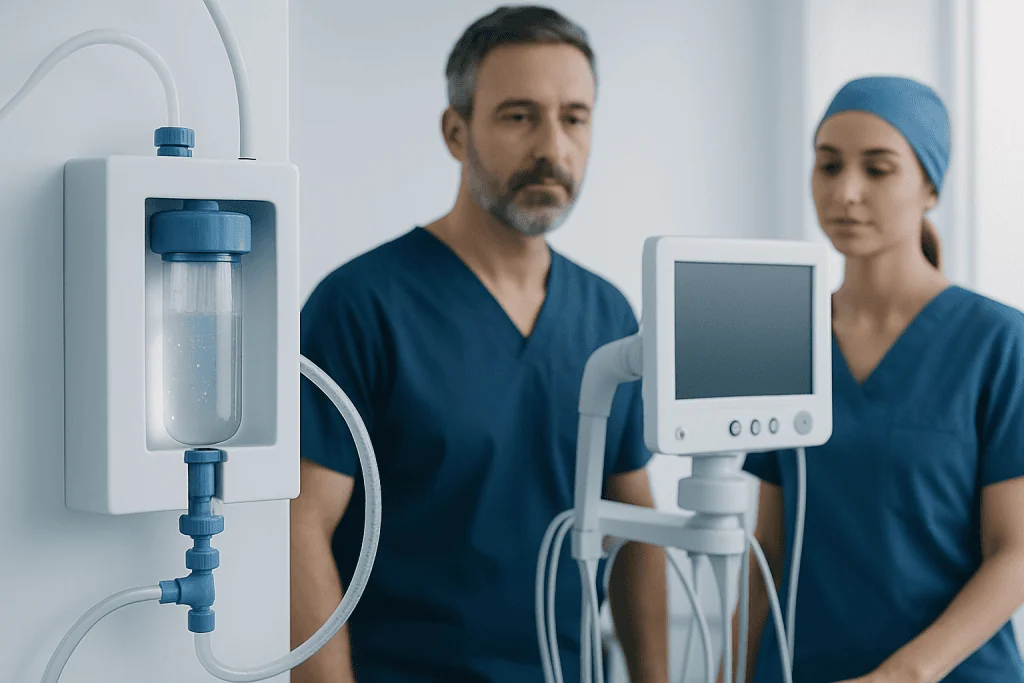
Many people use these terms interchangeably, but they are not the same. Tap water is municipal water delivered through a public supply. In many regions, it is carefully regulated and safe to drink. Filtered water is a broader term that may refer to simple home filters or more advanced systems; some remove chlorine or sediment, while others can remove metals, microbes, or dissolved salts. Purified water usually implies a higher degree of treatment aimed at reducing a wider range of contaminants.
Distilled water is a specific kind of purified water made by boiling water into steam and condensing it back into liquid, leaving many contaminants behind. Reverse osmosis water is another type of purified water, made by pushing water through a membrane that blocks many dissolved substances. Spring water comes from an underground source and may still be treated, but it is defined by origin rather than purification level.
One common myth is that purified water is always better than tap water. In reality, safe tap water can be an excellent choice, and some bottled or purified products may vary in quality depending on handling and storage. Another misunderstanding is that all purification methods produce the same result. They do not. For example, carbon filters can improve taste and reduce certain chemicals, while reverse osmosis can remove many dissolved solids, and ultraviolet treatment can inactivate microbes but does not remove metals or salts.
- Tap water: usually regulated, safety depends on local infrastructure
- Filtered water: broad category, effectiveness depends on the filter used
- Purified water: treated to reduce a wider range of contaminants
- Distilled water: purified by evaporation and condensation
- Spring water: defined by source, not necessarily by purification method
Potential benefits and realistic limitations

The most evidence-based benefit of purified water is reduced exposure to contaminants. Depending on the treatment method, purification may lower levels of lead, arsenic, nitrates, pesticides, industrial chemicals, excess minerals, microbes, or unpleasant tastes and odors. This can improve confidence in drinking water and may support hydration if a person finds the water more palatable.
Purified water may be particularly helpful in settings where water quality is variable, after plumbing issues, during travel, or for people using private wells that have not been regularly tested. Some households choose purified water because a family member has a health condition that makes them more cautious about microbial contamination, such as immune suppression. In these cases, safety and reliability are the main reasons for use, not special healing properties.
Its limitations are equally important. Purified water is not a substitute for medical treatment, and no good evidence shows that it can “alkalize” the body in a meaningful therapeutic way, remove everyday metabolic waste better than normal hydration, or reverse chronic illness. In addition, heavily purified water may contain lower levels of certain minerals naturally found in some drinking waters. For most healthy adults, minerals should come primarily from food rather than water, but this detail can matter when people assume purified water is nutritionally superior in every way.
Possible downsides, safety concerns, and who may need extra caution
Purified water is usually safe, but there are a few practical issues to keep in mind. First, safety depends not only on the purification method but also on the source, bottling or storage conditions, and the cleanliness of containers used at home. Water that was initially purified can become contaminated again if it is stored improperly, exposed to heat for long periods, or handled with unclean bottles and dispensers.
Second, some purification systems require regular maintenance. Filters that are not replaced on schedule may lose effectiveness or even become a source of contamination. Home users should follow manufacturer instructions and, when possible, choose systems that have independent performance certification. If there is a concern about home water quality, formal water testing can provide more reliable information than taste or appearance alone.
Certain groups may benefit from tailored advice. Infants, older adults, people with weakened immune systems, and those with kidney or heart conditions may need closer attention to hydration and water quality. For example, some people with kidney failure have specific fluid and mineral restrictions and should follow their clinician’s guidance rather than making broad changes based on water trends. If vomiting, diarrhea, or significant fluid loss is present, the issue may not simply be the water source but the need for proper medical assessment and replacement of fluids and electrolytes.
What the evidence says about minerals, pH, and 'detox' claims
A frequent concern is whether purified water removes “good minerals” and whether that is harmful. It is true that some purification methods, especially reverse osmosis and distillation, reduce calcium, magnesium, sodium, and other dissolved minerals. However, most people get the majority of these nutrients from food, not drinking water. In a balanced diet, the lower mineral content of purified water is usually not a health problem.
Another popular claim is that purified water changes body pH or provides a special detox effect. In healthy people, blood pH is tightly regulated by normal physiology, mainly through the lungs and kidneys. Drinking one type of safe water rather than another does not meaningfully override this system. The body also does not need expensive water products to “flush out toxins” under ordinary circumstances. Adequate hydration supports normal kidney function, but that benefit comes from drinking enough fluid overall, not from a unique detox property of purified water.
People with ongoing symptoms such as fatigue, swelling, changes in urination, recurrent infections, or persistent digestive problems should not assume that changing water type will solve the issue. These symptoms may need medical evaluation for conditions affecting the kidneys, metabolism, or other organs. If concern exists about kidney health, doctors may use blood tests, urine testing, and imaging, and in some cases recommend hemodialysis or other specialized care for advanced disease rather than relying on dietary myths.
How to choose and use purified water sensibly
A practical approach starts with understanding why purified water is being considered. If the main issue is taste or odor, a basic certified filter may be enough. If there is concern about heavy metals, nitrates, or dissolved salts, a more advanced system such as reverse osmosis may be more appropriate. If the concern is microbial safety during travel or after an emergency, boiling, disinfection, or trusted bottled water may be the most sensible temporary option.
It also helps to read labels carefully. Terms such as “pure,” “natural,” or “premium” are not the same as a detailed description of treatment. Looking for clear information about source water, purification method, and storage guidance is more useful than relying on branding. At home, clean bottles and dispensers regularly, avoid storing water in direct heat or sunlight, and replace filters on schedule.
When water quality concerns are linked to health symptoms, broader evaluation may be needed. For instance, repeated stomach upset can sometimes reflect infection, food-related illness, or digestive disorders rather than water alone. In selected cases, doctors may recommend tests or procedures such as endoscopy to investigate persistent gastrointestinal symptoms. If symptoms point to a medical condition rather than simple dehydration, a clinician may also assess for issues such as dehydration or kidney problems.
When to seek medical care
Most questions about purified water do not require urgent care, but medical advice is important when symptoms suggest dehydration, infection, or another underlying illness. A person should seek prompt medical attention for severe vomiting or diarrhea, fainting, confusion, inability to keep fluids down, signs of significant dehydration, or symptoms after possible exposure to contaminated water. Infants, older adults, pregnant people, and those with chronic illnesses may need assessment earlier because they can become unwell more quickly.
Non-urgent medical review is also reasonable if there are repeated urinary symptoms, swelling, ongoing fatigue, unusual thirst, frequent headaches related to poor fluid intake, or concerns about the safety of well water or plumbing in the home. A clinician can help decide whether the issue is primarily water quality, hydration habits, or a medical condition that needs testing. Depending on symptoms, evaluation may include laboratory studies, urine tests, or imaging such as MRI for selected neurological or systemic concerns.
Near the end of a patient’s care journey, some people also want coordinated specialist input, especially when symptoms involve several body systems. Acibadem International’s multidisciplinary specialists and JCI-accredited hospitals diagnose and treat related conditions for international patients, while individualized advice remains the safest approach for decisions about hydration, water safety, and underlying illness.
Frequently asked questions
Is purified water safe to drink every day?
Yes, purified water is generally safe for daily use when it has been properly treated and stored. Its safety depends on the purification method, the original water source, and clean handling after treatment.
Is purified water better than tap water?
Not always. In many places, tap water is safe, regulated, and appropriate for everyday drinking. Purified water may be useful when there are concerns about taste, local contaminants, plumbing quality, travel, or private well safety.
Does purified water remove healthy minerals?
Some methods, especially reverse osmosis and distillation, reduce dissolved minerals such as calcium and magnesium. For most people, this is not harmful because the main source of these nutrients is food, not water.
Can purified water detox the body?
There is no strong medical evidence that purified water has a special detox effect beyond supporting normal hydration. The kidneys, liver, lungs, and digestive system already manage waste removal in healthy people.
What is the difference between purified water and distilled water?
Distilled water is one specific type of purified water. It is made by converting water to steam and then condensing it, while purified water can also be produced by reverse osmosis, deionization, carbon filtration, ultraviolet treatment, or combined methods.
Should people with kidney disease choose purified water?
Many people with kidney disease can drink purified water, but individual advice is important. Fluid limits, mineral balance, and other dietary restrictions vary, so the best choice should be discussed with a kidney specialist or dietitian.
References
- World Health Organization
- Centers for Disease Control and Prevention
- U.S. Environmental Protection Agency
- National Institute of Environmental Health Sciences
- National Kidney Foundation
This article is for general information only and is not a substitute for professional medical advice. Please consult a qualified doctor about your individual situation.
Explore treatments in Turkey — costs, top hospitals & a free quote
JCI-accredited · board-certified surgeons · reply within 24h
Add us as a Preferred Source to see more of our trusted health content across Google Search, AI Overviews and Discover.

More from the Health Library

Sounding Rod: What Patients Need to Know

Gout in Heel — Explained by Medical Evidence, Not Myths

Alternative Medicine for Allergy — Explained by Medical Evidence, Not Myths

Soy Lecithin: A Complete Medical Overview

Bentyl — Explained by Medical Evidence, Not Myths