Purple Cabbage Raw: An Evidence-Based Guide for Patients

Raw purple cabbage is nutrient-dense and rich in fiber, vitamin C, vitamin K, and antioxidant plant compounds. Most people can eat raw purple cabbage safely, but it may cause bloating or gas in sensitive individuals.
Key Takeaways
- Raw purple cabbage is nutrient-dense and rich in fiber, vitamin C, vitamin K, and antioxidant plant compounds.
- Most people can eat raw purple cabbage safely, but it may cause bloating or gas in sensitive individuals.
- Washing, cutting, and storing it properly helps reduce food safety risks and preserves quality.
- People taking blood thinners or managing digestive or thyroid conditions should ask a doctor about dietary changes.
- Raw purple cabbage works well in salads, slaws, wraps, and grain bowls when introduced gradually.
Purple cabbage raw is generally safe to eat and can be a healthy part of meals for most people. It provides fiber, vitamins, and plant compounds, but some individuals may need to limit it if they have digestive sensitivity, thyroid concerns, or certain medical conditions.
Overview: can purple cabbage be eaten raw?
Purple cabbage raw is safe for most people and can be a nutritious addition to everyday meals. It belongs to the cruciferous vegetable family, along with broccoli, cauliflower, and kale. When eaten uncooked, it keeps its crisp texture and delivers fiber, vitamins, and naturally occurring antioxidants.
Patients often ask whether raw purple cabbage is “better” than cooked cabbage. In practice, both forms can support health. Raw cabbage may preserve more heat-sensitive nutrients such as vitamin C, while cooking can make it easier to digest for some people. The best choice depends on personal tolerance, health needs, and how it is prepared.
Purple cabbage gets its deep color from anthocyanins, a group of plant pigments with antioxidant properties. These compounds are one reason purple cabbage is often discussed in nutrition guidance. Still, no single food prevents disease on its own, and raw purple cabbage is best viewed as one part of a varied, balanced eating pattern.
Nutrition and potential health benefits
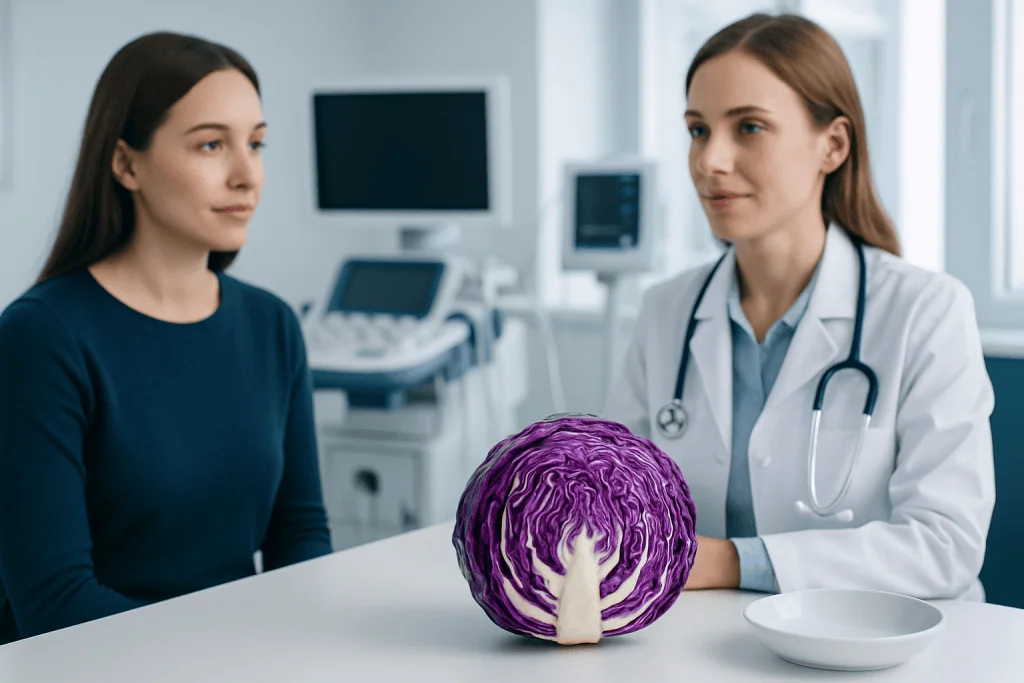
Raw purple cabbage is low in calories and contains useful amounts of fiber, vitamin C, vitamin K, and small amounts of other vitamins and minerals. Fiber supports digestive health and can help with fullness after meals. Vitamin C supports the immune system and helps protect cells from oxidative stress, while vitamin K plays a role in normal blood clotting and bone health.
Its purple-red color reflects anthocyanins and other phytonutrients. These plant compounds have been studied for their antioxidant and anti-inflammatory effects. Although research suggests that diets rich in colorful vegetables are linked with good long-term health, purple cabbage should not be treated as a stand-alone treatment for medical conditions.
For people trying to build healthier meals, raw purple cabbage can be a practical option. It adds volume, crunch, and color without many calories, and it pairs well with beans, lean proteins, yogurt-based dressings, olive oil, nuts, seeds, and whole grains. This can support heart-conscious and weight-conscious eating patterns when used as part of a balanced diet.
- Fiber may support regular bowel movements and satiety.
- Vitamin C contributes to immune function and collagen formation.
- Anthocyanins and related compounds add antioxidant activity.
- Low energy density can make meals more filling without excess calories.
Possible downsides and who may need caution
Even healthy foods are not ideal for everyone in every amount. Raw purple cabbage can cause gas, bloating, or abdominal discomfort in some people, especially if they are not used to high-fiber foods. This is often related to the fiber content and fermentable carbohydrates. Starting with small portions and chewing thoroughly may help.
People with digestive conditions may need a more individualized approach. Those living with irritable bowel syndrome or other sensitive digestive disorders may find raw cruciferous vegetables harder to tolerate than cooked ones. In that setting, it can be helpful to discuss symptoms with a clinician, particularly if abdominal pain, diarrhea, constipation, or ongoing bloating is frequent. Related digestive concerns may overlap with colon cancer warning signs, so persistent bowel changes deserve medical attention.
There are also a few medical considerations beyond digestion. Purple cabbage contains vitamin K, which can matter for people taking warfarin or similar blood-thinning medicines; the key is usually consistency rather than complete avoidance. Cruciferous vegetables also contain naturally occurring compounds called goitrogens, which may be relevant for some people with thyroid disease, especially if overall iodine intake is low. Those with known thyroid conditions may benefit from medical advice and, when appropriate, assessment with thyroid function tests.
Food safety, washing, and storage
Like other raw vegetables, purple cabbage should be handled carefully to reduce the risk of foodborne illness. While whole cabbage is generally lower risk than some leafy greens, contamination can still occur during growing, transport, or preparation. Washing the outer leaves and rinsing the head under running water before cutting is a sensible routine.
Using a clean knife and cutting board is especially important if raw cabbage is being prepared near raw meat, poultry, or seafood. Cross-contamination is a common preventable problem in home kitchens. After cutting, cabbage should be refrigerated promptly in a covered container and eaten within a reasonable time for best quality.
Patients with weakened immune systems, those receiving cancer treatment, older adults, and pregnant individuals may need to be extra careful about food hygiene. If there is concern about severe immune suppression, a treating clinician or dietitian can provide personalized guidance on whether raw vegetables are appropriate.
How to include raw purple cabbage in a healthy diet
Raw purple cabbage is versatile and easy to add to meals. It can be shredded into salads, mixed into slaws, layered into sandwiches and wraps, or added to grain bowls and tacos. Its firm texture holds up well after chopping, which makes it useful for meal planning and packed lunches.
For better tolerance, many people do well with smaller amounts at first. Thin slicing can make it easier to chew and digest. Combining it with acidic ingredients such as lemon juice or vinegar may soften the texture slightly and improve flavor. Pairing it with protein and healthy fats can also make a meal more balanced and satisfying.
Simple preparation ideas include a slaw with olive oil and yogurt, a salad with apples and walnuts, or a wrap filled with shredded cabbage and grilled chicken. If a person enjoys the nutritional profile of cabbage but finds the raw form uncomfortable, lightly steaming or sautéing it is a reasonable alternative. Some people being evaluated for digestive symptoms may also benefit from nutritional review and tests such as gastrointestinal endoscopy when symptoms suggest an underlying disorder rather than food sensitivity alone.
Purple cabbage raw versus cooked
Comparisons between raw and cooked cabbage are common, but the healthiest choice is not the same for everyone. Raw purple cabbage keeps its crunch and may retain more vitamin C, which is sensitive to heat. Cooking, however, can soften fiber, reduce bitterness, and make larger portions easier to tolerate for people with digestive sensitivity.
The nutritional differences between raw and cooked forms are usually less important than the broader pattern of eating vegetables regularly. A person who enjoys a raw slaw several times a week may benefit just as much as someone who prefers cabbage in soups or stir-fries. Variety can help provide a broader range of nutrients and make healthy eating more sustainable.
Cooking methods also matter. Heavy frying or high-sodium sauces may reduce some of the overall health advantages, while steaming, roasting, or quick sautéing can preserve flavor and texture. Patients with conditions affecting digestion, swallowing, or chewing may find cooked cabbage more practical and comfortable.
When to seek medical care
Raw purple cabbage does not usually cause serious problems, but medical advice is appropriate if symptoms are significant or persistent. A doctor should be consulted if eating cabbage regularly leads to repeated abdominal pain, marked bloating, vomiting, ongoing diarrhea, constipation, or unintentional weight loss. Blood in the stool or black stools should always be evaluated promptly.
Anyone with a known digestive disease, thyroid disorder, severe reflux, or a history of bowel surgery should ask a clinician for individualized guidance before making major dietary changes. New swallowing difficulty, severe nausea, or symptoms that interfere with eating and hydration also warrant assessment. In some cases, further evaluation may involve colonoscopy or other tests depending on the symptom pattern.
For people who want a structured assessment of diet-related symptoms, support from a physician or registered dietitian can be useful. Near the end of the care pathway, patients may also choose centers such as Acibadem International, where multidisciplinary specialists in JCI-accredited hospitals diagnose and treat digestive and metabolic concerns for international patients.
Frequently asked questions
Is purple cabbage safe to eat raw every day?
For most healthy adults, purple cabbage can be eaten raw regularly as part of a balanced diet. The right amount varies by individual tolerance, especially for people who develop bloating, gas, or digestive discomfort with high-fiber foods.
Does raw purple cabbage have more nutrients than cooked cabbage?
Raw purple cabbage may retain more vitamin C because heat can reduce some of this nutrient. However, cooked cabbage still provides fiber and beneficial plant compounds, and some people digest it more comfortably.
Can raw purple cabbage upset the stomach?
Yes, it can in some people. Its fiber and naturally fermentable carbohydrates may contribute to bloating, gas, or cramping, especially if eaten in large amounts or introduced suddenly.
Is purple cabbage raw good for weight management?
It can support weight-conscious eating because it is low in calories and high in fiber and volume. Still, long-term weight management depends on the overall diet, activity level, sleep, stress, and any underlying health conditions.
Should people with thyroid problems avoid raw purple cabbage?
Not necessarily, but they should discuss their diet with a doctor if they have a thyroid condition. Cruciferous vegetables contain compounds that may be relevant in some situations, particularly when intake is very high or iodine intake is low.
How should raw purple cabbage be prepared safely?
It should be rinsed under running water, with damaged outer leaves removed before cutting. Clean utensils, clean hands, and proper refrigeration help reduce food safety risks.
This article is for general information only and is not a substitute for professional medical advice. Please consult a qualified doctor about your individual situation.
Explore treatments in Turkey — costs, top hospitals & a free quote
JCI-accredited · board-certified surgeons · reply within 24h
Add us as a Preferred Source to see more of our trusted health content across Google Search, AI Overviews and Discover.

More from the Health Library
Where Is Your Bladder Located: What Patients Need to Know

Spirulina: What Patients Need to Know

Eszopiclone: An Evidence-Based Guide for Patients

Ameba: What Patients Need to Know

Grapeseed Oil — Explained by Medical Evidence, Not Myths