Quadriplegic: An Evidence-Based Guide for Patients

Quadriplegia, or tetraplegia, affects all four limbs and may also affect breathing, bladder, bowel, and skin health. A person may be described as quadriplegic after a cervical spinal cord injury or certain severe neurologic disorders.
Key Takeaways
- Quadriplegia, or tetraplegia, affects all four limbs and may also affect breathing, bladder, bowel, and skin health.
- A person may be described as quadriplegic after a cervical spinal cord injury or certain severe neurologic disorders.
- Symptoms and independence vary widely depending on the level and completeness of nerve damage.
- Early emergency evaluation is important after sudden weakness, neck trauma, or loss of sensation.
- Treatment often includes acute medical care, surgery when needed, rehabilitation, assistive technology, and long-term support.
Quadriplegic usually describes a person living with quadriplegia, also called tetraplegia, a condition that affects movement and often sensation in both arms and both legs. It is most commonly caused by injury or disease involving the cervical spinal cord, and care focuses on stabilizing the cause, preventing complications, and supporting long-term function and quality of life.
What does quadriplegic mean?
Quadriplegic is a term commonly used to describe a person who has quadriplegia, also called tetraplegia. This means there is paralysis or major weakness affecting both arms and both legs, usually because signals between the brain and body are disrupted. In many cases, the disruption happens in the cervical, or neck, portion of the spinal cord.
Quadriplegia does not look the same in every person. Some people lose nearly all voluntary movement below the injury level, while others keep partial strength or sensation. Depending on the cause and severity, a person may also have difficulty with breathing, bladder and bowel control, blood pressure regulation, sexual function, and temperature control.
The term describes a pattern of disability rather than a single disease. Common causes include traumatic spinal cord injury, stroke affecting key motor pathways, inflammation, tumors, or progressive neurologic conditions. Understanding the underlying cause helps guide treatment, rehabilitation, and long-term planning.
How quadriplegia affects the body
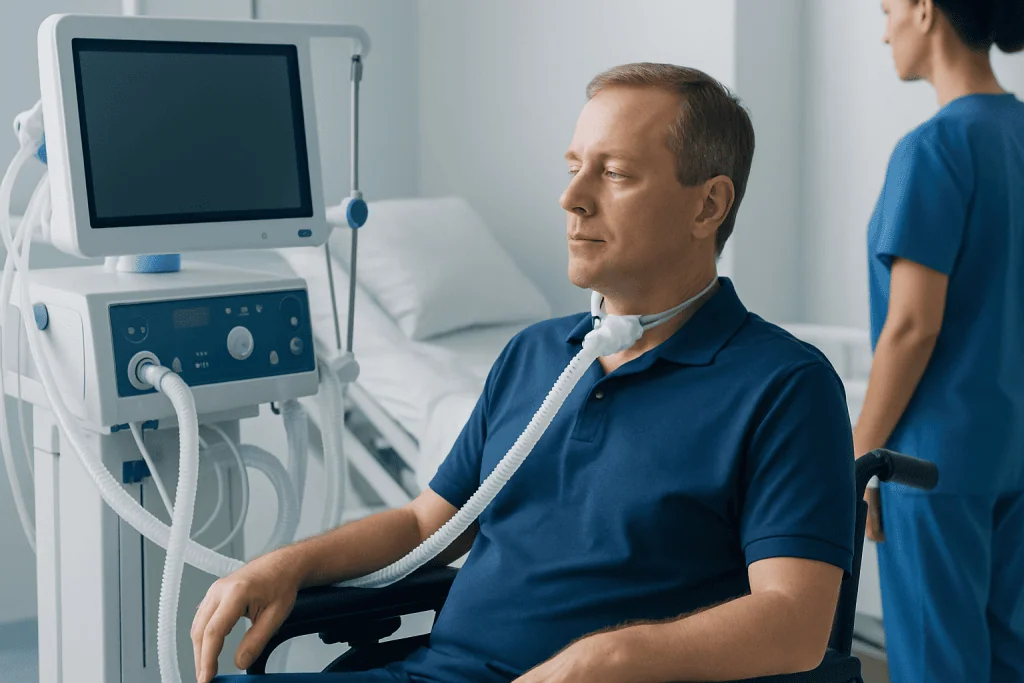
The spinal cord carries messages from the brain to the muscles and returns information about touch, pain, temperature, and body position. When the cervical spinal cord is injured or diseased, these signals can be partly or completely blocked. That is why quadriplegia can affect movement, feeling, and many automatic body functions at the same time.
The exact pattern depends on the neurologic level of injury. Higher cervical injuries generally cause more extensive limitations and are more likely to affect breathing muscles. Lower cervical injuries may preserve some shoulder, elbow, or hand movement, which can make a major difference in daily independence.
Doctors may also describe quadriplegia as complete or incomplete. In complete injury, little or no nerve function remains below the affected level. In incomplete injury, some sensation or voluntary movement is preserved. This distinction helps estimate rehabilitation goals, though recovery can still vary from person to person.
- Movement may range from mild weakness to complete paralysis.
- Sensation may be reduced, absent, or patchy.
- Bladder, bowel, skin, and circulation problems may develop over time.
- Breathing and coughing may be weaker in higher cervical injuries.
Symptoms and possible complications

The main symptom is severe weakness or paralysis in all four limbs. Some people also lose sensation below the injury or disease level, while others experience numbness, tingling, burning pain, or abnormal sensitivity. Neck pain or back pain may be present when trauma or spinal disease is involved.
Quadriplegia can also affect body systems that are not under full voluntary control. A person may have trouble emptying the bladder, constipation, loss of bowel control, sexual dysfunction, muscle spasms, or episodes of low blood pressure. If breathing muscles are weak, shortness of breath, a weak cough, and greater risk of chest infections can occur.
Long-term complications are an important part of care. Reduced mobility can increase the risk of pressure injuries, contractures, bone loss, urinary tract infections, and blood clots. Chronic pain, anxiety, depression, and sleep problems are also common and deserve medical attention just as much as physical symptoms.
Because complications can develop gradually, regular follow-up matters even after the initial injury has stabilized. Early treatment of skin changes, fever, urinary symptoms, worsening spasticity, or new breathing problems can prevent more serious illness.
Causes and risk factors
The most common cause of quadriplegia is damage to the cervical spinal cord. This can happen after road traffic accidents, falls, sports injuries, diving injuries, or violence. In these situations, the spinal cord may be bruised, compressed, stretched, or severed, and nearby fractures or dislocations can add to the damage.
Not all cases are traumatic. Quadriplegia may also result from spinal tumors, severe disk disease, infections, abscesses, inflammatory disorders, bleeding around the spinal cord, or reduced blood flow to the spinal cord. Certain neurologic illnesses, including some forms of myelitis, advanced multiple sclerosis, and motor pathway strokes, can produce similar severe weakness in all four limbs.
Risk factors depend on the cause. Trauma-related risk is higher in people exposed to high-speed travel, occupational hazards, falls, or contact sports. Medical causes may be more likely in people with cancer, infection risk, autoimmune disease, blood vessel disease, or untreated spinal problems.
When a person develops sudden neck pain, arm and leg weakness, or loss of bowel or bladder control, urgent evaluation is needed to look for cord compression or other emergencies. In some cases, prompt treatment can limit further nerve damage. Evaluation may include advanced imaging such as MRI scanning when clinically appropriate.
How doctors diagnose quadriplegia
Diagnosis begins with a careful history and neurologic examination. Doctors assess muscle strength, reflexes, sensation, muscle tone, and the pattern of weakness. They also ask about trauma, timing of symptoms, pain, bowel and bladder changes, breathing symptoms, and any prior neurologic or spinal conditions.
Imaging is often essential to find the cause. X-rays or CT may help detect fractures or bony problems after injury, while MRI is especially useful for evaluating the spinal cord, disks, bleeding, inflammation, tumors, or compression. If the clinical picture suggests a brain-based cause such as stroke, brain imaging may also be necessary.
Additional tests vary by the situation. Blood tests can help look for infection, inflammation, autoimmune disease, or metabolic problems. In some cases, doctors may use nerve studies, lung function assessment, or bladder testing to understand complications and plan care.
Once the cause is identified, the team also evaluates function and rehabilitation needs. This includes mobility, hand use, swallowing if affected, respiratory status, skin integrity, nutrition, emotional health, and the support available at home.
Treatment and rehabilitation options
Treatment depends on the cause, how quickly symptoms began, and whether there is ongoing compression or instability. In an emergency, the first priorities are protecting the airway, stabilizing the neck and spine, supporting breathing and blood pressure, and preventing further damage. Some people need intensive care, especially with high cervical injuries.
If the spinal cord is being compressed by fracture, disk material, bleeding, abscess, or tumor, surgery may be recommended to relieve pressure and stabilize the spine. Depending on the situation, this may include spine surgery or other procedures tailored to the cause. Medications may also be used to treat pain, muscle spasms, bladder issues, infection, inflammation, or blood clot risk.
Rehabilitation is a central part of care. Physical therapy focuses on positioning, strength in preserved muscles, flexibility, transfers, wheelchair mobility, and preventing contractures. Occupational therapy helps with hand function, adaptive equipment, personal care skills, and modifications for home and work. Speech and respiratory therapy may also be needed if breathing, communication, or swallowing are affected.
Long-term support often includes assistive technology, braces, specialized seating, skin protection strategies, and structured follow-up for bladder, bowel, and respiratory health. For many people, physical therapy and rehabilitation continues well beyond the initial hospital stay. Near the end of the care journey, some international patients choose centers such as Acibadem International, where multidisciplinary specialists in JCI-accredited hospitals evaluate and treat complex neurologic and spinal conditions.
Daily living, prevention, and self-care
Although quadriplegia cannot always be prevented, some causes can be reduced through safety habits and early treatment of spinal symptoms. Seat belt use, fall prevention, safe diving practices, workplace protections, and sport safety measures can lower the risk of traumatic spinal injury. Seeking medical care early for severe neck pain, progressive weakness, or signs of cord compression may also help prevent worsening disability.
Self-care after diagnosis focuses on protecting health and preserving independence. Daily skin checks, frequent pressure relief, hydration, bowel and bladder routines, and attention to nutrition can reduce common complications. Vaccination, pulmonary hygiene, and prompt treatment of infections are especially important when cough strength or mobility is limited.
Emotional adjustment is also part of treatment. Many people benefit from counseling, peer support, social work services, and realistic goal-setting with the rehabilitation team. Return to school, work, relationships, and travel may still be possible with planning, adaptive equipment, and the right medical support.
- Protect the skin with regular position changes and pressure-relieving surfaces.
- Follow bladder and bowel plans recommended by the care team.
- Maintain stretching and therapy exercises to reduce stiffness and contractures.
- Ask about home adaptations, mobility devices, and caregiver training.
When to seek medical care
Immediate medical care is needed after any significant neck or back trauma, especially if there is weakness, numbness, trouble walking, or loss of bladder or bowel control. Emergency help is also important for sudden paralysis, new severe breathing difficulty, loss of consciousness, or symptoms suggestive of a stroke, such as facial drooping or sudden speech trouble.
A person already living with quadriplegia should contact a doctor promptly for fever, painful urination, new skin sores, worsening spasms, severe constipation, increasing shortness of breath, or unexplained swelling in an arm or leg. These symptoms may point to infections, pressure injuries, blood clots, or other complications that should not be ignored.
Regular follow-up is important even when day-to-day health seems stable. Ongoing review by rehabilitation, neurology, spine, urology, and respiratory specialists can help prevent complications and update equipment or therapy plans as needs change.
Frequently asked questions
Is quadriplegic the same as quadriplegia?
Quadriplegia is the medical condition, and quadriplegic is a word often used to describe a person living with that condition. Many clinicians also use the term tetraplegia. Both refer to major weakness or paralysis affecting all four limbs.
Can a quadriplegic person recover movement?
Recovery is possible in some cases, especially when the injury is incomplete and early treatment is provided. The extent of improvement depends on the cause, the level of nerve damage, and the person’s overall health and rehabilitation progress. Recovery may continue gradually over time, but outcomes vary widely.
Does quadriplegia always mean a person cannot breathe without help?
No. Breathing problems are more common with higher cervical spinal cord injuries because the nerves to the diaphragm and chest muscles may be affected. Some people need temporary or long-term breathing support, while others breathe independently but may still have a weaker cough.
What is the difference between quadriplegia and paraplegia?
Quadriplegia affects both arms and both legs, while paraplegia mainly affects the legs and lower body. The difference usually reflects where the spinal cord or nervous system has been injured. Cervical cord injury is more likely to cause quadriplegia, whereas lower spinal injury more often causes paraplegia.
What specialists are involved in quadriplegic care?
Care often involves emergency physicians, neurologists, neurosurgeons or spine surgeons, rehabilitation specialists, physical and occupational therapists, respiratory therapists, nurses, and urologists. Psychologists, dietitians, and social workers may also be part of the team. A multidisciplinary approach helps address both medical and daily living needs.
Can a person with quadriplegia live a full life?
Many people with quadriplegia build meaningful, active lives with the help of rehabilitation, assistive technology, and long-term medical support. Needs and limitations differ from person to person, so goals are individualized. Attention to complication prevention, mental health, and accessibility can make a major difference in quality of life.
This article is for general information only and is not a substitute for professional medical advice. Please consult a qualified doctor about your individual situation.
Joint and spine care in Turkey — expert assessment & treatment
JCI-accredited · board-certified surgeons · reply within 24h
Add us as a Preferred Source to see more of our trusted health content across Google Search, AI Overviews and Discover.
Check your numbers in seconds
BMI, calories, due date, blood pressure and 30+ more clinical calculators — free, instant, doctor-reviewed ranges.

More from the Health Library

Septate Hymen: A Complete Medical Overview

Pterional Craniotomy: What Patients Need to Know

Red Wine Vinegar Substitute: What Patients Need to Know

Alleviating Gas in Newborns: An Evidence-Based Guide for Patients

Monoglycerides — Explained by Medical Evidence, Not Myths