Quintuple Bypass: Benefits, Risks, and Recovery — A Complete Guide

A quintuple bypass reroutes blood around five blocked or narrowed coronary arteries. It is most often recommended for advanced multivessel coronary artery disease.
Key Takeaways
- A quintuple bypass reroutes blood around five blocked or narrowed coronary arteries.
- It is most often recommended for advanced multivessel coronary artery disease.
- The procedure can improve blood flow, reduce symptoms, and lower the risk of heart-related complications in selected patients.
- Recovery takes time and includes wound healing, gradual activity, medications, and cardiac rehabilitation.
- The main risks include bleeding, infection, abnormal heart rhythm, stroke, kidney problems, and complications related to anesthesia.
Quintuple bypass is a form of coronary artery bypass grafting in which a surgeon creates five new pathways for blood to reach the heart muscle. It is usually considered when multiple coronary arteries are significantly narrowed or blocked and other treatments may not provide enough long-term blood flow.
What Is a Quintuple Bypass?
A quintuple bypass is a type of open-heart surgery that creates five new routes for blood to flow around blocked or narrowed coronary arteries. It is one form of coronary artery bypass grafting, often called CABG. In this operation, the surgeon uses healthy blood vessels taken from the chest, arm, or leg to bypass areas where plaque has reduced blood flow to the heart muscle.
This procedure is usually considered when coronary artery disease affects several vessels at once. In these situations, a single stent or medication alone may not be enough to restore blood flow adequately. A quintuple bypass does not remove the plaque itself; instead, it helps blood reach the heart by going around the blocked sections.
Although the term can sound alarming, the name simply describes the number of bypass grafts used. The operation may be advised for people with extensive coronary artery disease who have chest pain, shortness of breath, reduced heart function, or a high risk of heart attack. Treatment planning is individualized and based on imaging, symptoms, and overall health.
Why It Is Done and Who May Be a Candidate
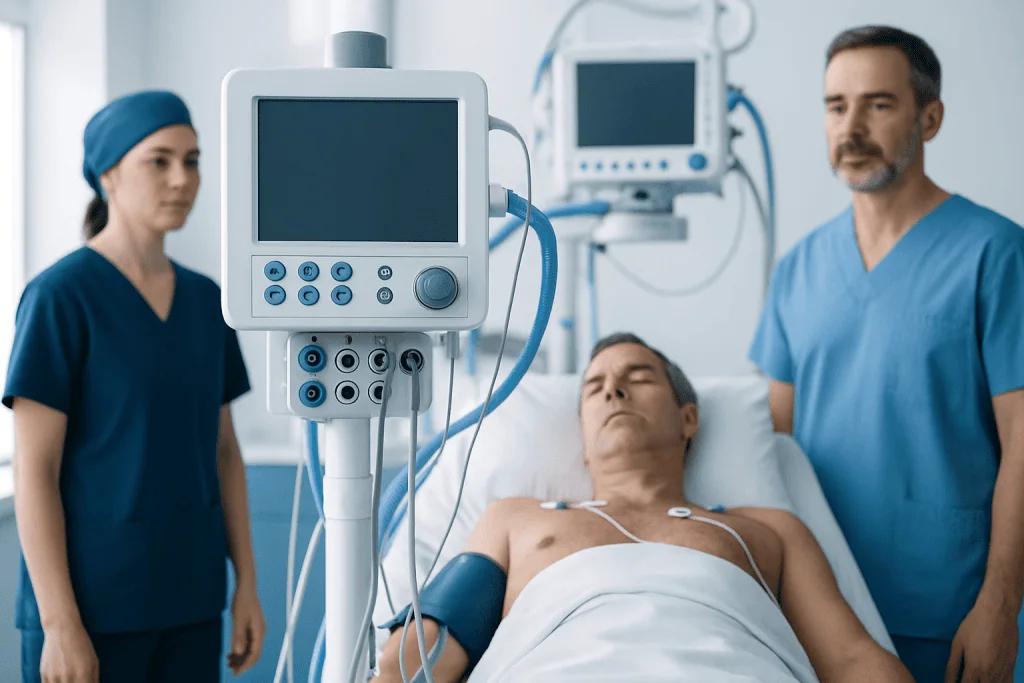
A quintuple bypass may be recommended when multiple coronary arteries have severe narrowing or blockage. This often happens when fatty deposits, called plaque, build up over many years and restrict blood flow. If the heart muscle does not receive enough oxygen-rich blood, symptoms such as angina, fatigue, or breathlessness can develop, especially during activity.
Doctors consider this surgery for people with complex multivessel disease, especially when major arteries are involved or when the pattern of blockage makes stenting less suitable. Some people need urgent surgery after a heart attack, while others are evaluated electively after testing shows widespread disease. The decision usually involves a cardiologist and heart surgeon reviewing the safest and most effective treatment approach.
Factors that may support candidacy include:
- Severe blockages in several coronary arteries
- Persistent angina despite medication
- Reduced blood flow affecting a large area of the heart
- Diabetes or other conditions where surgery may offer better long-term vessel patency than stenting in selected cases
- Previous stents that are not enough to treat all diseased vessels
Not every person with five blocked areas will need a quintuple bypass. Age, frailty, kidney function, lung disease, prior heart procedures, and overall surgical risk all matter. The goal is to choose the treatment that offers the best balance of symptom relief, heart protection, and recovery potential.
How the Procedure Works: Step by Step

Before surgery, the care team performs a detailed evaluation that may include blood tests, an electrocardiogram, echocardiography, chest imaging, and coronary angiography. These tests show where the blockages are and help the surgeon plan the bypass grafts. Patients are also assessed for anesthesia safety and guided on how to prepare for the operation.
During the procedure, the patient receives general anesthesia. The surgeon typically opens the chest through the breastbone to reach the heart. Healthy vessels are then collected for grafting, often from the internal mammary artery in the chest and veins from the leg or an artery from the arm. Each graft is sewn above and below a blockage so blood can flow around it.
In many cases, the operation is performed using a heart-lung machine, which temporarily takes over circulation while the surgeon works on a still heart. In selected patients, surgeons may perform bypass on a beating heart. The exact technique depends on the person’s anatomy, the number and position of blockages, and the surgical team’s judgment. For readers learning about coronary artery bypass grafting (CABG), it may help to think of a quintuple bypass as a CABG operation involving five separate grafts.
Once the grafts are in place, the heart is restarted if needed, the chest is closed, and the patient is transferred to intensive care for close monitoring. Hospital care in the first days after surgery focuses on pain control, breathing exercises, heart rhythm, blood pressure, wound care, and early movement.
Benefits and Expected Outcomes
The main benefit of a quintuple bypass is improved blood flow to the heart muscle. By routing blood around multiple blocked arteries, the operation can reduce chest pain, improve exercise tolerance, and help some people breathe more comfortably during daily activities. Many patients also experience a better quality of life after recovery.
In selected patients with extensive multivessel coronary artery disease, bypass surgery may lower the risk of future heart-related complications compared with less comprehensive treatment. It can be especially useful when the blockages are complex or affect important segments of the coronary circulation. Better blood supply may also help preserve heart function when reduced flow has been contributing to weakness of the heart muscle.
Results vary from person to person. Long-term success depends not only on the surgery itself but also on controlling risk factors afterward. Stopping smoking, taking prescribed medicines, participating in rehabilitation, and treating conditions such as diabetes, high cholesterol, and high blood pressure all help protect the new grafts and the heart over time.
Risks and Possible Complications
Like all major heart operations, a quintuple bypass carries risks. These include bleeding, wound infection, pneumonia, irregular heart rhythms such as atrial fibrillation, stroke, kidney problems, blood clots, and complications related to anesthesia. In some people, memory or concentration changes can occur temporarily during recovery, although many improve with time.
The overall risk depends on factors such as age, general health, heart function, diabetes, kidney disease, lung disease, and whether the surgery is planned or done urgently. People who have had previous heart surgery or who are very unwell before the operation may face a more complex recovery. The surgical team reviews these risks carefully before recommending treatment.
It is also important to know that bypass grafts can narrow over time, especially if underlying risk factors are not well controlled. Surgery treats the effects of coronary artery disease, but it does not cure the disease process itself. Ongoing heart care remains essential after the operation, and some patients may later need further testing or treatment for heart disease if symptoms return.
Recovery Timeline and Life After Surgery
Recovery after a quintuple bypass happens in stages. Most patients spend the first day or two in intensive care, followed by several more days in the hospital. Tubes and monitors are removed as the patient stabilizes, and the team encourages sitting up, walking, coughing exercises, and gradual return to eating and routine movement.
After discharge, healing continues at home over several weeks. Tiredness, mild discomfort around the chest or leg incision, reduced appetite, mood changes, and sleep disturbance are common early on. The breastbone usually needs time to heal, so lifting, driving, and strenuous activities are limited for a period recommended by the surgeon. Many people gradually return to light daily tasks first, then build endurance with medical guidance.
Cardiac rehabilitation is often an important part of recovery. This supervised program combines exercise, education, and support to improve stamina and lower future cardiovascular risk. Medicines after surgery commonly include drugs to protect the heart, lower cholesterol, prevent clots when appropriate, and manage blood pressure. Some patients may also continue care related to cardiology follow-up and, when needed, evaluation with coronary angiography if symptoms recur or the care team needs to assess blood flow.
Many people can return to meaningful daily life after recovery, but progress is individual. Regular follow-up visits help the team check wound healing, heart rhythm, blood pressure, and symptom improvement. Emotional recovery matters too, and support from family, rehabilitation staff, and clinicians can make the process easier.
Prevention, Self-Care, and When to Seek Medical Care
Protecting the heart after a quintuple bypass focuses on long-term lifestyle and medical care. Patients are usually advised to avoid smoking, follow a heart-healthy eating plan, stay physically active within medical guidance, take medications exactly as prescribed, and keep chronic conditions under control. Weight management, blood sugar control, cholesterol reduction, and blood pressure management all help reduce stress on the heart and may improve graft longevity.
Self-care also includes paying attention to wound healing and energy levels. Any increasing redness, swelling, drainage, or fever should be reported, as these can suggest infection. It is also important to attend scheduled follow-up appointments and cardiac rehabilitation sessions, since these visits help detect concerns early and support a safer recovery.
Medical attention should be sought promptly for chest pain, new or worsening shortness of breath, fainting, a fast or irregular heartbeat, sudden weakness, trouble speaking, severe leg swelling, or signs of wound infection. Emergency care is important for symptoms that may suggest a heart attack or stroke. People who are uncertain about symptoms should contact a qualified doctor rather than waiting.
For international patients needing evaluation and treatment, Acibadem International’s multidisciplinary specialists and JCI-accredited hospitals diagnose and manage complex coronary conditions, including advanced bypass planning and follow-up care.
Frequently asked questions
Is a quintuple bypass the same as open-heart surgery?
A quintuple bypass is usually a form of open-heart surgery, because the chest is commonly opened to reach the heart and place five bypass grafts. However, the exact surgical technique can vary, and the term quintuple refers to the number of bypasses rather than the incision alone.
How serious is a quintuple bypass?
A quintuple bypass is a major operation and requires careful planning, anesthesia, and recovery. Even so, it is a standard treatment for selected people with advanced multivessel coronary artery disease, and the care team weighs the risks against the potential benefit of restoring blood flow to the heart.
How long does recovery from a quintuple bypass take?
Hospital recovery usually takes several days, while overall healing often continues for weeks to a few months. The timeline depends on age, general health, heart function, and whether there were any complications, so the surgeon's guidance is important.
Can someone live a normal life after a quintuple bypass?
Many people return to active, meaningful daily life after recovery from quintuple bypass surgery. Long-term results are best when patients take prescribed medications, attend cardiac rehabilitation, and address risk factors such as smoking, diabetes, high cholesterol, and high blood pressure.
Why would a doctor recommend quintuple bypass instead of stents?
Doctors may recommend surgery when there are several severe blockages, when disease patterns are complex, or when important coronary arteries are involved. In some patients, bypass surgery may provide more complete and durable blood flow restoration than multiple stents.
What are the warning signs after surgery that need urgent medical care?
Urgent medical care is needed for chest pain, sudden shortness of breath, fainting, signs of stroke, a racing or irregular heartbeat, or severe wound problems such as spreading redness or drainage. It is also important to seek help for high fever or rapidly worsening swelling, especially if symptoms appear suddenly.
References
- American Heart Association
- National Heart, Lung, and Blood Institute
- Society of Thoracic Surgeons
- European Society of Cardiology
- Mayo Clinic
This article is for general information only and is not a substitute for professional medical advice. Please consult a qualified doctor about your individual situation.
Explore treatments in Turkey — costs, top hospitals & a free quote
JCI-accredited · board-certified surgeons · reply within 24h
Check your numbers in seconds
BMI, calories, due date, blood pressure and 30+ more clinical calculators — free, instant, doctor-reviewed ranges.

More from the Health Library



Related Specialists

Prof. Dr. Esen Demir
Pediatric Allergy
Prof. Dr. Mehmet Akif Özdemir
Pediatrics
Dr. Evrim Abamor
Nuclear Medicine
Dt. Ahmet Ziya Yazgan
Oral & Dental Health