Radiation Oncology Conferences 2026: How It Works, Results and What to Expect

Radiation oncology conferences share research on safer, more precise and more personalized cancer treatment. Major meetings commonly include scientific abstracts, guideline updates, education sessions and multidisciplinary discussions.
Key Takeaways
- Radiation oncology conferences share research on safer, more precise and more personalized cancer treatment.
- Major meetings commonly include scientific abstracts, guideline updates, education sessions and multidisciplinary discussions.
- Radiation therapy is planned individually and may be used alone or alongside surgery, chemotherapy, immunotherapy or hormone therapy.
- Side effects depend mainly on the body area treated, total treatment plan and a person’s overall health.
- Most treatment-related effects are manageable with early communication and supportive care from the radiation oncology team.
Radiation oncology conferences 2026 are professional meetings where clinicians, researchers, trainees and allied health teams exchange evidence and practical updates on radiation-based cancer care. They do not replace individual medical advice, but the research presented can help shape future standards for planning, delivery and supportive care.
Overview: radiation oncology conferences 2026
Radiation oncology conferences 2026 are educational and scientific events focused on the use of radiation therapy in cancer care. They provide a forum for radiation oncologists, medical physicists, dosimetrists, radiation therapists, nurses, researchers and trainees to discuss new evidence, technology, quality standards and approaches to supporting patients during treatment.
For patients and families, these meetings can be a useful sign of how actively cancer care is evaluated and improved. However, a conference presentation is not automatically a new standard of care. Research may need peer review, longer follow-up and confirmation in additional studies before it is widely adopted.
Radiation oncology itself is a medical specialty that uses carefully planned high-energy radiation to damage cancer cells’ ability to grow and divide. It may be given with curative intent, after surgery to reduce recurrence risk, before surgery in selected situations, or to relieve symptoms caused by cancer. The best approach is always based on the cancer type, stage, location, treatment goals and the individual’s preferences.
How radiation treatment works and what conferences examine
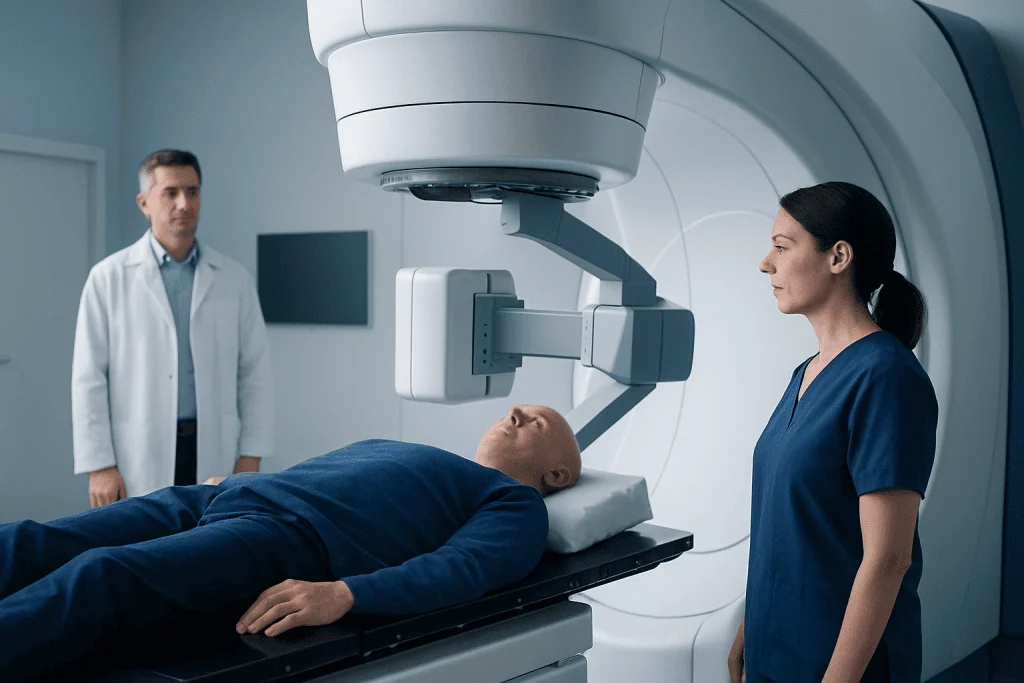
Radiation damages DNA within cells. Cancer cells often have less ability than healthy cells to repair this damage, so they may stop dividing and gradually die after treatment. Healthy tissues can also be affected, which is why treatment planning aims to deliver an effective dose to the target while limiting exposure to nearby organs.
Conference sessions frequently examine improvements in imaging, computer-based treatment planning, motion management and delivery techniques. These may include external-beam radiation therapy, stereotactic body radiation therapy, brachytherapy and proton therapy. The appropriate method is not determined by technology alone; it depends on clinical evidence and whether the technique offers a meaningful advantage for a particular person.
Radiation therapy is often one part of multidisciplinary cancer care. Conference discussions may explore how to sequence radiation with surgery, systemic medicines and supportive services, while keeping safety, quality of life and long-term follow-up central to decision-making. Patients considering treatment can learn more about radiation oncology treatment as part of a personalized cancer plan.
What are the best oncology conferences in 2026?
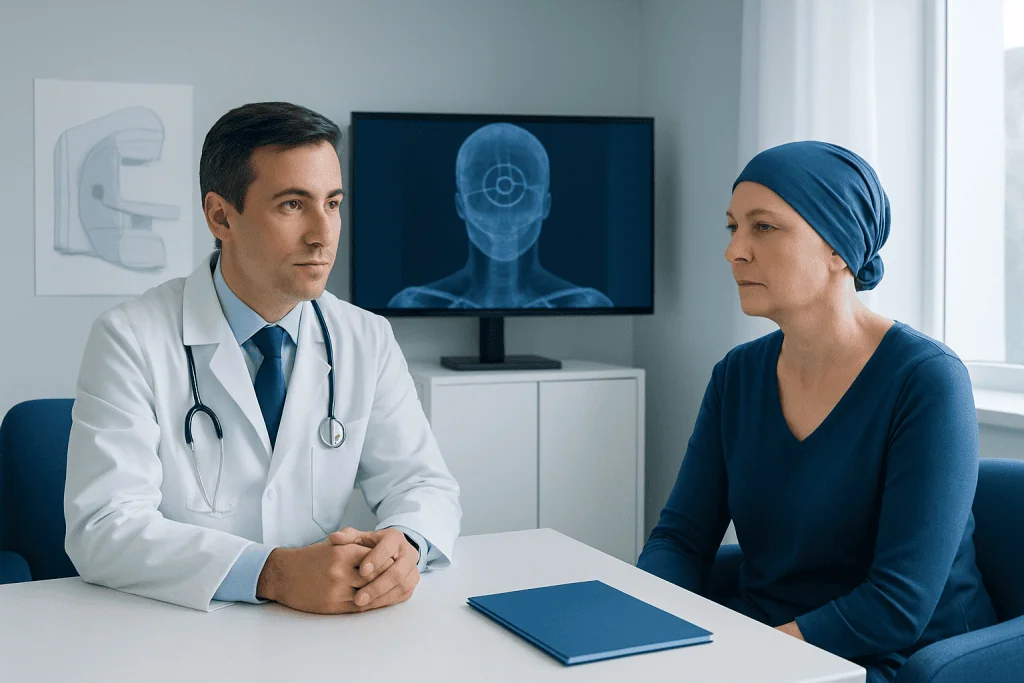
There is no single “best” oncology conference for every audience. The most useful meeting depends on whether someone is seeking broad cancer research, radiation-specific education, a disease-focused program, nursing and supportive-care content, or professional training. For many radiation oncology professionals, meetings organized by major national and international specialty societies are particularly relevant.
Well-recognized examples include annual meetings and educational programs associated with the American Society for Radiation Oncology, the European Society for Radiotherapy and Oncology, the European Society for Medical Oncology, the American Society of Clinical Oncology and the Union for International Cancer Control. Programs, eligibility requirements and schedules can change, so attendees should confirm details directly with the organizing society.
For patients, the value of a conference is usually indirect. The most important question is whether their own care team can explain which treatments are supported by established evidence and why a particular recommendation fits their diagnosis. It is reasonable to ask whether an approach is standard care, a clinical trial option or an emerging technique still under evaluation.
What radiation conferences are scheduled for 2026?
Radiation-focused professional meetings in 2026 are expected to include annual congresses, regional society meetings, disease-site symposia, physics and technology workshops, and online education programs. Organizations that commonly host relevant events include ASTRO, ESTRO, the American Association of Physicists in Medicine, the European Society for Medical Oncology and regional radiation oncology societies.
Because exact dates, venues, hybrid-access options and abstract deadlines may change, it is safest to check the official event calendars of the relevant organizations. Professionals planning attendance should also review accreditation requirements, registration categories and whether content is aimed at physicians, physicists, therapists, nurses, researchers or trainees.
Patients do not need to attend a specialist conference to receive current care. A radiation oncology consultation should include an explanation of the treatment goal, expected benefit, alternatives, likely short- and long-term effects, treatment schedule and contact arrangements for symptoms that arise during or after therapy.
Candidacy and the step-by-step radiation therapy process
Whether radiation therapy is appropriate depends on the diagnosis and treatment goal. It is commonly considered for many solid tumors and, in some circumstances, for blood cancers or cancer that has spread to specific areas. Age alone does not determine eligibility; the team also considers general health, previous treatments, tumor location, prior radiation exposure and the ability to attend planning and treatment visits.
The process usually begins with a consultation. The radiation oncologist reviews pathology, scans, symptoms and previous treatment, and discusses benefits, alternatives and potential adverse effects. If radiation is recommended, a planning appointment follows. This often includes a CT simulation scan, positioning supports and sometimes small skin marks or a custom immobilization device to help reproduce the same position each day.
Physicians, physicists and dosimetrists then create and check a tailored plan. Before the first session, the team performs quality and safety checks. During external-beam treatment, the patient lies still on a treatment table while the machine moves around them; the treatment itself is painless and staff monitor from a nearby room. Each visit may be brief, although setup and imaging can take longer than the radiation delivery.
The number of sessions varies widely. Some people receive a single treatment, while others attend daily weekday sessions over several weeks. Brachytherapy, in which a radiation source is placed inside or close to the treatment area, follows a different process and may involve anesthesia or a short hospital stay depending on the technique.
Benefits, risks and recovery after radiation treatment
The potential benefit of radiation therapy is local cancer control or symptom relief, depending on the treatment goal. It can be used to treat a tumor directly, reduce the chance of cancer returning after surgery, or ease problems such as pain, bleeding or pressure from cancer. The expected benefit should be discussed in the context of the person’s whole treatment plan.
Side effects occur because normal tissues near the target may receive some radiation. Early effects often begin during treatment or shortly afterward and may include tiredness, skin irritation, swelling, hair loss in the treated area, or symptoms specific to the site treated. For example, treatment near the throat can affect swallowing, while treatment to the abdomen or pelvis can affect bowel or bladder habits.
Most short-term effects improve gradually in the weeks after treatment finishes, although fatigue may last longer for some people. Late effects can occur months or years later and are less common but important to discuss in advance. Follow-up visits help the team assess recovery, manage lasting symptoms and monitor cancer response.
Helpful self-care usually includes resting as needed, maintaining fluids and nutrition, following skin-care instructions, avoiding unapproved creams on the treatment area, and reporting new or worsening symptoms promptly. People should not assume that every symptom is caused by radiation; their care team can assess whether another condition or treatment needs attention.
What are the hardest days after radiation treatment?
There is no universal hardest day after radiation treatment. Many side effects build gradually rather than appearing immediately, and some people feel their symptoms peak near the end of a treatment course or during the first one to two weeks after it finishes. The pattern depends on the body area treated, whether chemotherapy or other therapies are given at the same time, and individual health factors.
Fatigue and site-specific irritation are common reasons people find this period challenging. For example, skin reactions may become more noticeable after the final sessions, while throat, bowel, bladder or urinary symptoms can temporarily continue or worsen before healing begins. The radiation team should provide clear instructions about what is expected and who to call outside normal hours.
Planning practical support can make recovery easier. This may include arranging transport, simplifying meals, asking relatives or friends for help, keeping follow-up appointments and discussing work or caregiving adjustments when needed. Persistent, severe or unexpected symptoms should be reviewed by a clinician rather than managed alone.
Why is rad onc not competitive anymore?
The phrase “not competitive” is often used in discussions about medical specialty training rather than patient treatment. Competitiveness can vary by country, training system, year and applicant pool, and is influenced by workforce projections, job-market perceptions, the number of training positions and changing interests among graduates. It does not measure the value of radiation therapy or the quality of care available to patients.
Radiation oncology remains a highly specialized field requiring expertise in cancer biology, imaging, anatomy, treatment planning, radiation safety and long-term patient follow-up. The specialty continues to evolve as clinicians integrate new evidence, more precise delivery systems and multidisciplinary care pathways.
Patients choosing a care team may find it more helpful to ask about experience with their specific cancer type, available treatment options, quality assurance processes, coordination with other specialists and support for side effects. Training-market discussions should not be used to infer whether a recommended treatment is appropriate or effective for an individual diagnosis.
When to seek medical care
Anyone with a new lump, unexplained bleeding, persistent pain, ongoing change in bowel or bladder habits, unexplained weight loss, a lasting cough, difficulty swallowing or another concerning symptom should arrange a medical assessment. These symptoms have many possible causes and do not necessarily indicate cancer, but timely evaluation is important.
During radiation therapy, patients should contact their oncology team promptly for severe pain, fever, inability to drink fluids, repeated vomiting, sudden shortness of breath, chest pain, confusion, heavy bleeding, rapidly worsening skin changes or symptoms that feel urgent. Emergency services should be used for severe or life-threatening symptoms.
Acibadem International’s multidisciplinary specialists and JCI-accredited hospitals support international patients who need cancer diagnosis and treatment planning. A consultation can help clarify whether radiation, surgery, systemic therapy or a combined approach is suitable for the person’s condition.
Frequently asked questions
What are radiation oncology conferences 2026?
Radiation oncology conferences 2026 are professional meetings where specialists discuss research, clinical practice, technology, safety and patient support in radiation-based cancer treatment. They are primarily designed for healthcare professionals, researchers and trainees, although some organizations may offer selected patient-facing resources.
What are the best oncology conferences in 2026?
The best conference depends on the person’s purpose and specialty. Major organizations such as ASTRO, ESTRO, ASCO and ESMO commonly provide respected scientific and educational programs, but official schedules should be checked because dates and formats may change.
What radiation conferences are scheduled for 2026?
Radiation oncology events may include large annual society meetings, regional congresses, medical physics meetings and disease-specific symposia. The official calendars of ASTRO, ESTRO, AAPM and other professional societies are the most reliable sources for current dates and registration information.
Why is rad onc not competitive anymore?
This question usually refers to medical residency recruitment, where competitiveness can change over time and across regions. It does not mean radiation oncology is less important clinically or that radiation therapy is less effective for appropriate cancers.
What are the hardest days after radiation treatment?
Symptoms may be most noticeable toward the end of treatment or in the first one to two weeks after treatment finishes, but experiences vary greatly. Fatigue and effects in the treated area can continue briefly before improving, and the care team should be contacted about severe or worsening symptoms.
Is radiation treatment painful?
External-beam radiation therapy is not felt while it is being delivered, much like having an X-ray. Some people develop discomfort later from skin irritation, inflammation or site-specific side effects, which can often be managed with supportive care.
References
- American Society for Radiation Oncology
- European Society for Radiotherapy and Oncology
- American Cancer Society
- National Cancer Institute
- World Health Organization
This article is for general information only and is not a substitute for professional medical advice. Please consult a qualified doctor about your individual situation.
Oncology care in Turkey — second opinion and treatment plan
JCI-accredited · board-certified surgeons · reply within 24h
Add us as a Preferred Source to see more of our trusted health content across Google Search, AI Overviews and Discover.

More from the Health Library

Related Specialists

Dt. Mete Dalbeler
Oral & Dental Health
Dr. Vusal Mahmudov
Cardiovascular Surgery
Assoc. Prof. Dr. Fatma Tokat
Breast Clinic Clinical Service
Prof. Dr. Akin Sabanci
Neurosurgery