Radiation Sickness: A Complete Medical Overview

Radiation sickness occurs after a large whole-body or substantial partial-body dose of ionizing radiation received over a short time. It is different from radioactive contamination, although a person may have both radiation exposure and contamination after an incident.
Key Takeaways
- Radiation sickness occurs after a large whole-body or substantial partial-body dose of ionizing radiation received over a short time.
- It is different from radioactive contamination, although a person may have both radiation exposure and contamination after an incident.
- Early symptoms may include nausea, vomiting, diarrhea, headache and fatigue, but symptom timing alone cannot determine severity.
- Treatment focuses on emergency stabilization, preventing infection and bleeding, supporting bone marrow recovery, and managing organ injury.
- Most everyday radiation exposures, including standard diagnostic imaging, do not cause radiation sickness.
- Anyone involved in a suspected radiation emergency should follow official instructions and seek urgent medical evaluation.
Radiation sickness, also called acute radiation syndrome, is a serious illness that can develop after the body receives a high dose of penetrating radiation in a short period. It is rare, usually linked to major industrial, medical or nuclear incidents, and requires urgent specialist assessment.
Overview: What Is Radiation Sickness?
Radiation sickness is an uncommon but potentially severe medical condition caused by exposure to a very high dose of ionizing radiation over a short period, usually minutes to hours. It is also called acute radiation syndrome (ARS). Ionizing radiation has enough energy to damage cells and genetic material, particularly in tissues where cells divide quickly, such as bone marrow, the lining of the intestine, and the skin.
Radiation sickness is not expected after ordinary day-to-day sources of radiation. It is generally associated with exceptional events, such as a serious nuclear accident, an uncontrolled industrial radiation source, or a major radiological incident. The likelihood and severity of illness depend on the radiation dose, how quickly it was received, which areas of the body were exposed, and the type of radiation involved.
It is important to distinguish radiation exposure from radioactive contamination. Exposure means radiation energy has passed through or reached the body. Contamination means radioactive material is on the skin, clothing, hair, or inside the body. A contaminated person may need decontamination, but they do not automatically have radiation sickness. In most situations, people exposed to radiation do not become a radiation hazard to others.
How Radiation Affects the Body
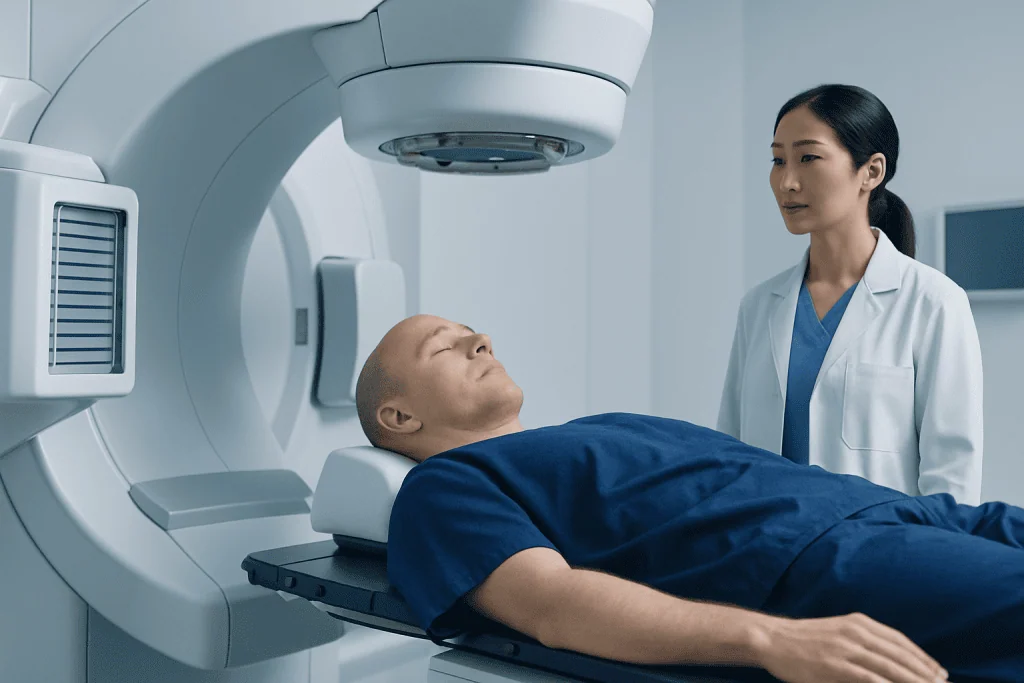
The body can repair limited radiation-related cell damage. However, a large dose delivered rapidly can overwhelm these repair processes. Rapidly dividing cells are particularly vulnerable. This is why the bone marrow, digestive tract, skin, and reproductive tissues may be affected before tissues whose cells divide more slowly.
Clinicians often describe acute radiation syndrome by the body system most affected. The hematopoietic, or bone marrow, form can reduce production of white blood cells, red blood cells, and platelets. This raises the risk of infection, anemia, and bleeding. The gastrointestinal form can severely injure the intestinal lining, causing fluid loss and infection. Extremely high exposures can also affect the cardiovascular and nervous systems.
The course of illness may occur in phases. Some people develop early symptoms, then appear to improve temporarily before more serious effects become evident. This possible symptom-free interval does not mean that the exposure was harmless. Medical teams use physical findings, blood tests, exposure information, and specialized radiation measurements rather than symptoms alone to assess risk.
Symptoms and Possible Patterns

Early symptoms of radiation sickness may include nausea, vomiting, loss of appetite, diarrhea, tiredness, headache, fever, or a general feeling of being unwell. Skin exposed to radiation may become red, swollen, itchy, painful, or blistered. These symptoms are not specific to radiation exposure and can have many other causes, so they should always be interpreted in the context of a known or suspected incident.
After a significant exposure, later symptoms can reflect bone marrow or intestinal injury. These may include recurrent fever, infections, easy bruising, unusual bleeding, mouth sores, persistent diarrhea, dehydration, abdominal pain, or hair loss. Radiation-related hair loss is typically limited to exposed areas and may occur days to weeks after exposure.
Symptoms may develop within minutes, hours, days, or weeks, depending on dose and the area exposed. Earlier vomiting after a confirmed whole-body exposure can be a useful clinical clue, but it cannot reliably predict an individual outcome. A person who was near a radiation incident should not wait for symptoms before following emergency instructions or seeking evaluation.
- Mild or localized injury: may primarily affect a patch of skin or a limited body area.
- Bone marrow injury: may lead to infection, fatigue, bruising, or bleeding over subsequent days to weeks.
- Severe whole-body injury: can involve major fluid loss, organ damage, and life-threatening complications.
Causes and Risk Factors
Radiation sickness results from high-dose exposure to ionizing radiation, not from routine contact with electronic devices, mobile phones, Wi-Fi, or ordinary household appliances. Possible sources include nuclear reactor accidents, mishandled industrial radiography equipment, certain research or medical sources, and rare transportation or security incidents involving radioactive materials.
Medical imaging uses radiation in some procedures, such as X-rays and CT scans, but these tests are carefully planned to use the lowest appropriate dose. Standard diagnostic imaging does not cause acute radiation syndrome. Radiation therapy is also delivered in a controlled way to a targeted area; it can cause treatment-related side effects in the treated region, but this differs from acute whole-body radiation sickness.
Risk increases when a large dose reaches much of the body quickly. External exposure can occur when a person is near a radiation source. Internal contamination can occur if radioactive particles are inhaled, swallowed, or enter a wound. The health team will consider the source, distance, duration of exposure, shielding, and whether radioactive material may be present on or in the body.
Diagnosis and Medical Assessment
In a suspected radiation emergency, diagnosis begins with immediate safety. Emergency responders first move people away from the source where possible, address injuries that threaten life, and assess whether contamination is present. Medical care for trauma, burns, breathing problems, or severe bleeding should never be delayed because of concern about radiation.
Doctors ask about where the person was during the event, the estimated duration of exposure, protective barriers used, symptoms, and whether there was contact with dust, liquid, or debris. They examine the skin and perform repeated complete blood counts. A falling lymphocyte count over time can help specialists estimate the significance of a whole-body exposure.
Specialized laboratories may use dosimetry methods to estimate dose, including analysis of radiation badges, environmental measurements, or changes in chromosomes within blood cells. Testing may also identify internal radioactive material. Because radiation incidents are unusual and technically complex, care is often coordinated with radiation safety experts and public health authorities.
Treatment Options and Supportive Care
Treatment is individualized according to the estimated dose, symptoms, injuries, and whether contamination has occurred. Initial care may include fluids, medicines to control nausea and pain, treatment for burns or wounds, and close monitoring. If clothing may be contaminated, removing outer garments carefully and washing exposed skin with soap and water can remove a substantial amount of material. Scrubbing harshly should be avoided because it can damage the skin.
For bone marrow injury, treatment may include infection prevention, prompt antibiotics when infection is suspected, blood product transfusions, and medicines that stimulate white blood cell production. Patients with severe low blood counts may need protective precautions and care in a specialist hospital setting. In selected circumstances, hematopoietic stem cell transplantation may be considered, but it is not appropriate for every person and depends on the pattern of injury and expected marrow recovery.
Internal contamination may sometimes be treated with specific agents that reduce absorption or help the body eliminate particular radioactive substances. The correct treatment depends entirely on the radionuclide involved; it should not be self-administered. Severe intestinal or skin injury may require intensive supportive care, surgery, or reconstructive treatment. Acibadem International’s multidisciplinary specialists and JCI-accredited hospitals can assess and treat complex radiation-related injuries for international patients when specialist care is needed.
Prevention, Preparedness and Safe Actions
Radiation sickness is prevented by limiting exposure through the basic principles of time, distance, and shielding: spending less time near a source, increasing distance from it, and using appropriate protective barriers. These measures are primarily managed by trained workplace, emergency, and radiation-safety professionals. Workers who use radiation sources should follow established protocols, wear monitoring devices where required, and report equipment concerns promptly.
During a radiological emergency, official public health instructions are the most reliable guide. Depending on the event, authorities may advise people to go indoors, close windows and ventilation systems, avoid affected areas, change clothing, wash, or evacuate. People should avoid handling suspicious objects or debris and should not consume locally exposed food or water unless authorities confirm it is safe.
Potassium iodide is sometimes discussed after nuclear incidents, but it only helps protect the thyroid from radioactive iodine and only in specific situations. It does not protect against all radiation, does not treat radiation sickness, and can cause harm if used inappropriately. It should only be taken when public health authorities or a qualified clinician specifically recommend it.
When to Seek Medical Care
Urgent medical care is needed after a known or suspected significant radiation exposure, especially after an industrial, medical-source, or nuclear incident. A person should seek emergency help immediately for repeated vomiting after an incident, burns, skin blistering, confusion, severe weakness, breathing difficulty, fainting, heavy bleeding, or signs of dehydration.
People who believe radioactive material may be on their clothing or skin should move away from the area if it is safe to do so, remove outer clothing carefully, bag it if instructed by authorities, and wash gently with soap and water. They should follow local emergency directions and tell healthcare professionals about the possible exposure before arrival if possible. This helps the facility prepare appropriate safety measures.
There is no need to seek emergency care for ordinary exposure to consumer electronics or after routine imaging unless another health concern is present. However, anyone worried about radiation from a medical test or workplace exposure can discuss the concern with their clinician, radiology department, or occupational health team. Clear information about the type and amount of exposure can provide appropriate reassurance and guidance.
Frequently asked questions
Is radiation sickness contagious?
Radiation sickness itself is not contagious and cannot spread from one person to another. A person with radioactive contamination may have material on their clothing or skin, but this can usually be managed with simple protective measures and decontamination. Healthcare teams and emergency services are trained to handle this safely.
Can a CT scan or X-ray cause radiation sickness?
No. Standard X-rays, CT scans, and other diagnostic imaging examinations use doses far below those that cause acute radiation syndrome. These tests are performed when their expected medical benefit outweighs the small radiation risk, and imaging teams work to keep exposure as low as reasonably achievable.
How soon does radiation sickness start?
Symptoms can begin within minutes to days after a very large exposure, depending on the dose and the area of the body affected. Nausea and vomiting can occur early, while infection, bruising, bleeding, and hair loss may appear later. Symptoms alone cannot confirm radiation sickness, so medical assessment is essential after a suspected serious exposure.
What is the difference between radiation exposure and contamination?
Radiation exposure means energy from a radiation source has reached the body. Radioactive contamination means radioactive material is physically present on the body, clothing, or inside the body. A person can experience one without the other, and contamination does not automatically mean radiation sickness has developed.
Can radiation sickness be cured?
Recovery is possible after some exposures, particularly when the dose is lower or affects a limited area. Treatment can support bone marrow recovery, prevent or treat infection, replace fluids and blood cells, and manage skin or organ injury. Outcomes vary considerably based on dose, timing, associated injuries, and access to specialist care.
Should someone take potassium iodide after any radiation event?
No. Potassium iodide only protects the thyroid from radioactive iodine and does not protect the rest of the body from radiation. It should be used only when public health authorities or a healthcare professional advise it for a specific event and population.
This article is for general information only and is not a substitute for professional medical advice. Please consult a qualified doctor about your individual situation.
Explore treatments in Turkey — costs, top hospitals & a free quote
JCI-accredited · board-certified surgeons · reply within 24h
Add us as a Preferred Source to see more of our trusted health content across Google Search, AI Overviews and Discover.

More from the Health Library

How to Get Rid of Eye Bags?

Bartonella: What Patients Need to Know

Buckle Fracture: A Complete Medical Overview

Ranula: Symptoms, Causes, and Treatment — Complete Patient Guide

Cinnamon — Explained by Medical Evidence, Not Myths