Radio Ligand Therapy: How It Works, Results and What to Expect

Radio ligand therapy carries radiation directly to cancer cells through a targeted radioactive medicine. It is not the same as external-beam radiotherapy, which delivers radiation from a machine outside the body.
Key Takeaways
- Radio ligand therapy carries radiation directly to cancer cells through a targeted radioactive medicine.
- It is not the same as external-beam radiotherapy, which delivers radiation from a machine outside the body.
- Candidacy depends on cancer type, target-positive imaging, overall health, blood counts, kidney function and previous treatments.
- Treatment is usually delivered through an intravenous line and may require short-term radiation-safety precautions.
- Fatigue, nausea, dry mouth and temporary changes in blood counts can occur, depending on the medicine used.
- Patients should contact their care team promptly for fever, severe symptoms, dehydration or signs of infection after treatment.
Radio ligand therapy is a targeted cancer treatment that combines a radioactive particle with a molecule designed to attach to specific features on cancer cells. It is used for selected cancers, often when imaging confirms that the tumour has the appropriate target, and the treatment plan is tailored by a multidisciplinary cancer team.
Radio Ligand Therapy Overview
Radio ligand therapy is a form of targeted radionuclide treatment. It uses a medicine made of two main parts: a ligand, which is designed to find and bind to a particular target on cancer cells, and a radioactive component, which gives off radiation after the medicine reaches those cells. The radiation can damage cancer-cell DNA and slow or stop tumour growth while aiming to reduce exposure to surrounding healthy tissue.
This treatment is most often considered for cancers with a known biological target that can be seen on specialised molecular imaging. Examples include some neuroendocrine tumours and certain prostate cancers. The exact medicine, radiation type, number of cycles and expected outcomes vary considerably according to the cancer diagnosis and each person’s clinical situation.
Radio ligand therapy differs from conventional external-beam radiotherapy. External-beam treatment directs radiation toward a defined body area from outside the body, whereas radio ligand therapy delivers radiation internally after a radioactive medicine is administered. It also differs from chemotherapy because it is designed to act through a specific tumour target rather than broadly affecting rapidly dividing cells.
How Radio Ligand Therapy Works
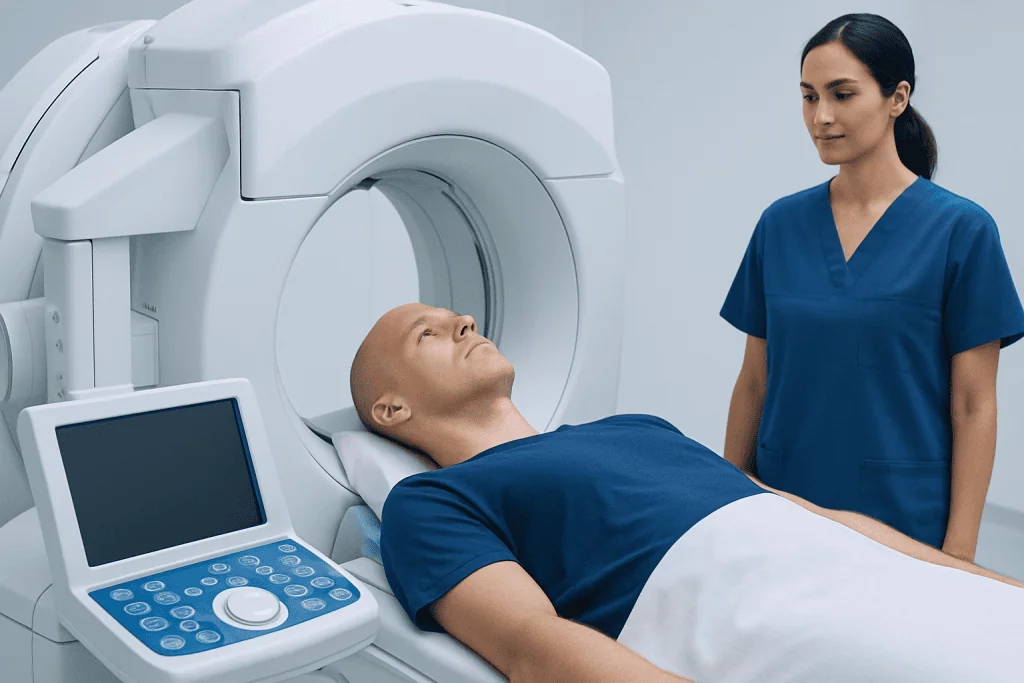
Before treatment, the care team confirms that the cancer has the target needed for the selected radioligand. This is commonly done with a molecular imaging scan using a small amount of a related tracer. The scan helps show whether tumours take up the tracer and whether radio ligand therapy is likely to reach the cancer sites effectively.
After administration, the ligand circulates in the bloodstream and binds to target proteins or receptors on tumour cells. The attached radioactive material then releases energy over a short distance. This local effect can injure tumour cells and may also affect nearby cells, which is why treatment planning, organ function testing and follow-up are essential.
Different radioligands use different radioactive particles and are suitable for different cancer types. Some treatments are used to control tumour growth, relieve symptoms related to hormone-producing tumours, reduce the chance of progression, or extend disease control in carefully selected patients. The treatment goal should be discussed clearly before therapy begins.
Who May Be a Candidate

Radio ligand therapy is not appropriate for every person with cancer. A patient may be considered when the cancer type has an approved or clinically appropriate target, imaging shows sufficient uptake in tumour sites, and previous treatments or the stage of disease support its use. It may be used after other treatments, alongside a broader treatment strategy, or occasionally in an earlier setting depending on the diagnosis and current evidence.
Doctors also assess bone marrow reserve, kidney and liver function, blood counts, symptoms, medicines and prior exposure to radiation or cancer treatment. Pregnancy and breastfeeding require particular discussion because radioactive medicines can pose risks to a developing baby or infant. People who may become pregnant or father a child should ask their team about contraception and family-planning recommendations specific to their treatment.
A multidisciplinary review may involve medical oncology, nuclear medicine, radiation oncology, radiology, pathology and other relevant specialists. In selected cases, radio ligand therapy may be part of the care plan for prostate cancer or for neuroendocrine tumours, but suitability always depends on the individual tumour biology and overall health.
What Happens During Radio Ligand Therapy
Preparation usually starts with consultation, medical history review, blood tests and imaging. The team explains the expected benefits, possible side effects, radiation-safety instructions and practical arrangements. Depending on the treatment used, patients may receive fluids, anti-nausea medicine or medication intended to help protect particular organs.
On treatment day, the radioligand is commonly given through an intravenous line. The infusion itself may take a limited period, but the full appointment can be longer because staff need time for preparation, monitoring and post-treatment checks. Some therapies are provided as an outpatient service, while others require a brief hospital stay in a specially prepared room due to radiation-safety requirements.
After administration, patients may undergo imaging to confirm how the medicine has distributed in the body. They receive individual instructions about drinking fluids, using the toilet, hygiene, contact with household members and travel. These precautions are temporary and depend on the radioactive medicine used, local regulations and the patient’s living circumstances.
- Bring a current list of medicines, allergies and medical conditions.
- Ask whether a companion may attend and whether they can remain during the visit.
- Follow instructions about food, hydration and medicines before arriving.
- Arrange transport if fatigue, anxiety or a long appointment may make driving difficult.
Benefits, Risks and Recovery Timeline
The potential benefit of radio ligand therapy is targeted delivery of radiation to cancer cells throughout the body, including sites that may not be suitable for surgery or local external-beam radiation. Some people experience tumour shrinkage, slower cancer growth or improvement in cancer-related symptoms. Response is not immediate for everyone, and scans and blood tests over time are needed to assess treatment effect.
Side effects depend on the radioligand, dose, treatment schedule and the organs involved. Fatigue is common and may build gradually during treatment cycles. Other possible effects include nausea, appetite changes, temporary changes in blood counts, kidney effects, liver effects or dry mouth and taste changes with certain treatments. More serious complications are less common but can include significant bone marrow suppression, infection risk, bleeding, kidney injury or, rarely, longer-term blood disorders.
Most patients can return to many usual activities within days, although energy levels may take longer to recover. A practical recovery timeline is individual: mild tiredness or nausea may occur in the first few days, while blood-count changes can develop later and are monitored with scheduled tests. The treating team will advise when work, exercise, travel and close contact with others can be resumed safely.
For patients receiving this treatment, radio ligand therapy should be planned and monitored by an experienced nuclear medicine and oncology team. Reporting new or worsening symptoms early allows side effects to be assessed and managed promptly.
Questions People Often Ask About Radiation Treatment
What are the hardest days after radiation treatment? The most difficult days vary by treatment type. With external-beam radiotherapy, fatigue and skin or organ-specific irritation may become more noticeable toward the end of a treatment course or in the one to two weeks afterward. After radio ligand therapy, some people feel tired or mildly unwell in the first few days, while laboratory changes such as lower blood counts may appear later; the care team will explain the expected timing for the specific medicine.
What I wish I knew before radiation? It can be helpful to know that radiation treatment is planned carefully and is usually delivered over a defined schedule, but its effects may continue after the appointment or infusion ends. Patients often benefit from arranging practical support, asking about expected side effects and contact precautions, keeping a symptom record, staying hydrated when advised, and knowing whom to call outside regular clinic hours.
At what stage of cancer is radiation therapy used? Radiation therapy can be used at many stages of cancer. It may aim to cure a localised cancer, lower the risk of recurrence after surgery, shrink a tumour before another treatment, treat cancer that has returned, or relieve symptoms in advanced cancer. Radio ligand therapy is generally reserved for specific target-positive cancers and is often considered when disease is metastatic or has progressed after other treatments, although its role differs by cancer type.
How will I feel after 5 sessions of radiotherapy? After five sessions of external-beam radiotherapy, some people feel no major change, while others notice mild tiredness or symptoms related to the treatment area, such as skin sensitivity or temporary irritation of nearby organs. Side effects can be cumulative and may develop later in the course. Radio ligand therapy is delivered in cycles rather than daily sessions, so patients should ask their team what recovery pattern applies to their own treatment.
When to Seek Medical Care
Patients should follow the specific contact instructions provided by their treatment centre. They should contact their cancer team promptly if they develop a fever, chills, shortness of breath, chest pain, persistent vomiting, inability to drink fluids, severe weakness, unusual bruising or bleeding, confusion, markedly reduced urination, or symptoms that feel sudden or severe.
It is also important to report signs of infection, worsening pain, ongoing diarrhoea, new jaundice, mouth dryness that makes eating or drinking difficult, or a substantial decline in daily functioning. These symptoms do not always indicate a serious complication, but they should be assessed, especially when blood counts may be low after treatment.
Acibadem International’s multidisciplinary specialists and JCI-accredited hospitals support international patients who need evaluation and treatment planning for radio ligand therapy. A qualified oncology and nuclear medicine team can explain whether this approach fits the cancer type, imaging findings and overall treatment goals.
Frequently asked questions
Is radio ligand therapy the same as radiotherapy?
Radio ligand therapy uses a radioactive medicine that travels inside the body and binds to a target on cancer cells. External-beam radiotherapy delivers radiation from a machine outside the body. Both use radiation, but their planning, delivery and safety instructions are different.
How long does radio ligand therapy take?
The infusion may take a limited period, but the complete visit can take several hours because of preparation, monitoring and post-treatment checks. Some treatments require a short hospital stay, while others can be delivered on an outpatient basis. The schedule and number of cycles depend on the medicine and cancer type.
Does radio ligand therapy make a person radioactive?
For a temporary period after treatment, small amounts of radiation can leave the body through urine, stool, sweat or saliva, depending on the therapy. Patients are given clear instructions about hygiene, toilet use and close contact with others. The duration of these precautions varies by radioligand and local safety guidance.
Can radio ligand therapy cure cancer?
In many situations, radio ligand therapy is used to control cancer, reduce tumour burden or ease symptoms rather than to provide a cure. In selected cases, it can produce a long-lasting response. The likely goal and expected benefit should be discussed with the treating oncology team.
What tests are needed before radio ligand therapy?
Patients commonly need molecular imaging to confirm that the tumour has the treatment target. Blood tests are used to check blood counts, kidney function and liver function, and further scans or assessments may be needed. The exact evaluation depends on the cancer and radioligand being considered.
Can I be around family after radio ligand therapy?
Usually, patients can be around family with temporary precautions tailored to the treatment. These may include limiting prolonged close contact, especially with children and pregnant people, and following careful hygiene guidance. The nuclear medicine team provides personalised written instructions before discharge.
References
- International Atomic Energy Agency
- National Cancer Institute
- European Association of Nuclear Medicine
- American Cancer Society
- National Comprehensive Cancer Network
This article is for general information only and is not a substitute for professional medical advice. Please consult a qualified doctor about your individual situation.
Oncology care in Turkey — second opinion and treatment plan
JCI-accredited · board-certified surgeons · reply within 24h
Add us as a Preferred Source to see more of our trusted health content across Google Search, AI Overviews and Discover.

More from the Health Library



Related Specialists

Prof. Dr. S. Tolga Aydoğ
Physical Medicine & Rehabilitation
Dr. Hasan Hüseyin Özgökçe
Emergency Service
Dr. İlknur Reyhan Sözenoğlu
Anesthesiology
Dr. Mustafa Baran Yavuz
Anesthesiology