Red Light Therapy for Cold Sores: How It Works, Results and What to Expect
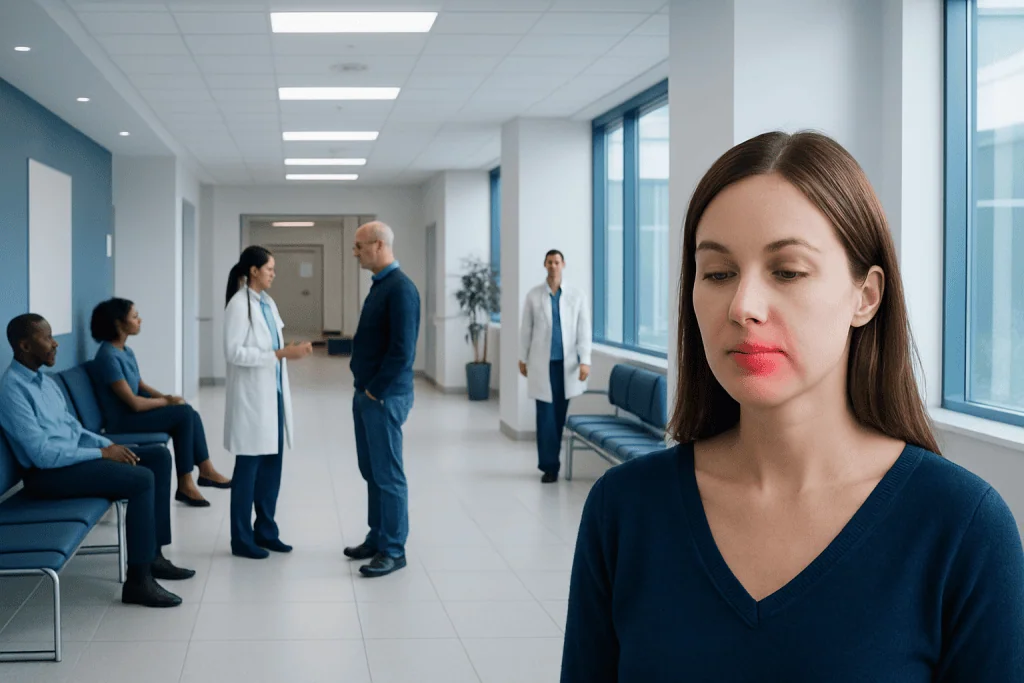
Cold sores are usually caused by herpes simplex virus type 1 (HSV-1), which remains in the body after infection. Red light therapy uses low-level, non-heat-producing light and is also called photobiomodulation.
Key Takeaways
- Cold sores are usually caused by herpes simplex virus type 1 (HSV-1), which remains in the body after infection.
- Red light therapy uses low-level, non-heat-producing light and is also called photobiomodulation.
- Current evidence suggests possible benefits for pain and healing time, but study methods and devices vary, so results are not guaranteed.
- Treatment is most likely to be considered at the tingling or burning stage, before blisters fully develop.
- Prescription or over-the-counter antiviral options may be more appropriate for frequent, severe, or prolonged outbreaks.
- A clinician should assess sores near the eye, widespread lesions, severe pain, immune suppression, or a first suspected outbreak.
Red light therapy for cold sores is a noninvasive approach that may help reduce discomfort and support healing for some people, particularly when used early in an outbreak. It does not eliminate the herpes simplex virus (HSV-1), replace antiviral treatment when needed, or prevent all future cold sores.
Red Light Therapy for Cold Sores: An Evidence-Based Overview
Red light therapy for cold sores may help some people feel less pain and may support faster healing, especially when started during the early tingling stage. However, it is not a cure for cold sores, does not remove herpes simplex virus from the body, and should be viewed as a possible supportive treatment rather than a substitute for medically recommended antiviral care.
Cold sores, also called fever blisters or herpes labialis, are small painful blisters that commonly develop on or around the lips. They are most often caused by herpes simplex virus type 1 (HSV-1). After the first infection, the virus can remain inactive in nerve tissue and reactivate later, often in response to triggers such as illness, stress, sunlight, lip injury, fatigue, or hormonal changes.
Red light therapy is a form of photobiomodulation. It exposes tissue to selected wavelengths of red or near-infrared light at low intensity. It is different from ultraviolet light and should not burn, tan, or damage skin when an appropriate device is used according to professional guidance. Research into its role in recurrent cold sores is promising but remains variable in quality and protocol.
How Red Light Therapy May Work for Cold Sores
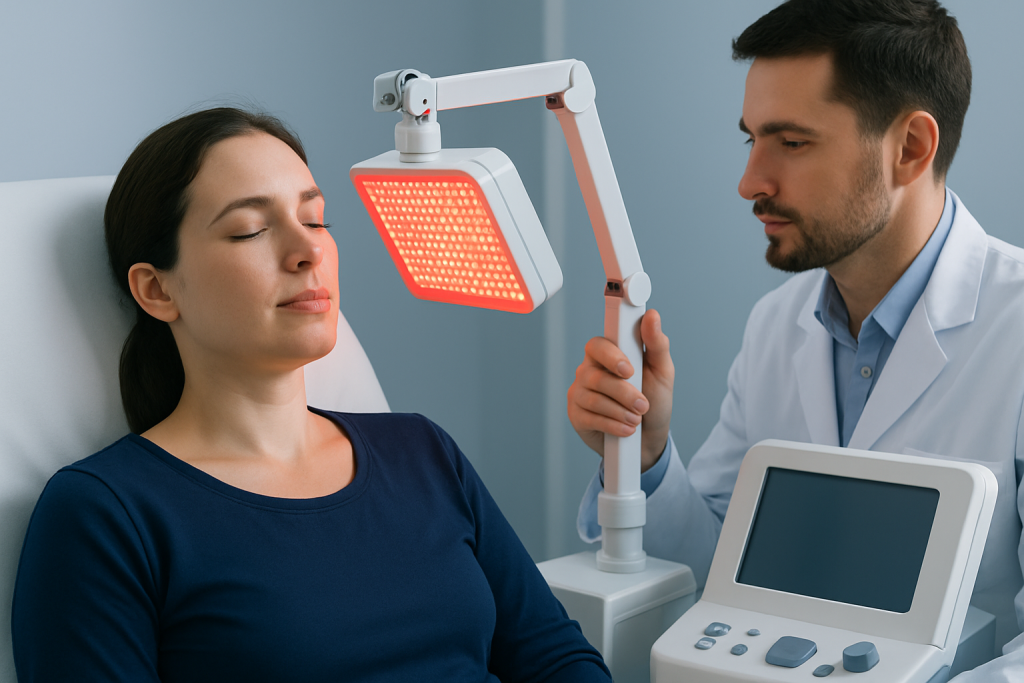
Photobiomodulation is thought to influence cellular activity. Red and near-infrared light may be absorbed by components within cells, potentially supporting energy production, circulation, and tissue repair processes. It may also help modulate local inflammation and pain signaling, which could explain why some people report less tenderness during a cold sore episode.
These biological effects do not mean that red light kills HSV-1 or permanently stops recurrences. The virus remains in the body, and cold sores can still return. Research has explored different wavelengths, treatment schedules, device types, and starting points during an outbreak, making it difficult to predict exactly how well an individual device will work for a particular person.
A clinician may consider light-based therapy as one part of a broader plan for recurrent herpes labialis. That plan can also include trigger management, lip sun protection, avoiding contact that could spread the virus, and antiviral medication where appropriate. For information on the underlying condition, see cold sores and their causes.
Does red light therapy really heal cold sores?
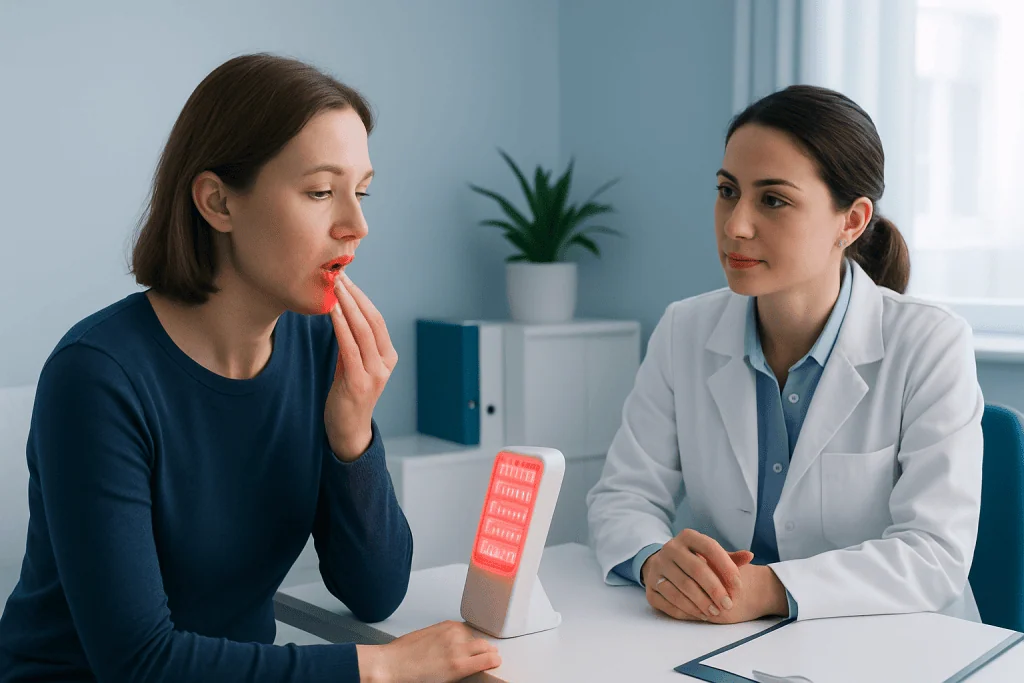
Red light therapy may support the healing process, but it does not directly cure the infection or guarantee that a cold sore will disappear faster. Small clinical studies and reviews have suggested that low-level light therapy can reduce pain and may shorten lesion duration for some people. The certainty of this evidence is limited because studies have used different devices and treatment settings.
The most realistic expectation is symptom support: less discomfort, possible earlier crusting or healing, and perhaps fewer or less intense recurrences in selected people receiving repeated professional treatment. Results can differ depending on how early therapy begins, the severity of the outbreak, a person’s immune health, and the device used.
Antiviral medicines have a more established role in treating herpes labialis, particularly when started promptly. A doctor may recommend topical or oral antiviral therapy for people with frequent, painful, extensive, or disruptive outbreaks. Red light therapy should not delay appropriate assessment or antiviral treatment.
Who May Be a Candidate and What the Procedure Involves
Adults with recurrent, uncomplicated cold sores may ask a dermatologist, dentist, or other qualified clinician whether photobiomodulation is appropriate. It may be most useful when the familiar warning symptoms begin, such as tingling, itching, tightness, or burning around the lip. Starting after a large blister or crust has formed may still provide comfort but may have less effect on the overall course of the outbreak.
Before treatment, the clinician should confirm that the lesion is likely to be a cold sore. Conditions such as angular cheilitis, impetigo, contact dermatitis, canker sores, or shingles can resemble cold sores and need different care. People with unexplained facial lesions, a first episode, eye symptoms, or weakened immunity should seek medical assessment rather than self-treating.
During an in-clinic session, the area is examined and the light device is positioned at a controlled distance over or near the lesion. Protective eyewear may be used depending on the device and treatment site. The treatment is generally painless; a person may notice mild warmth or no sensation at all. Sessions are usually brief, and the number and timing of sessions vary by protocol.
Where light-based care is considered clinically appropriate, laser treatment may be discussed by a specialist as part of an individualized skin or oral-health plan. A professional should select the technology and settings rather than relying on assumptions about consumer devices.
How often can I use a red light on my cold sore?
There is no single evidence-based schedule that is suitable for every red light device or every cold sore outbreak. Treatment frequency depends on the wavelength, power output, treatment area, distance from the skin, and the manufacturer’s instructions. A home device and a medical-grade device should not be assumed to require the same use pattern.
For this reason, people should follow instructions provided by the device manufacturer and, ideally, advice from a qualified clinician. Using a device more often, closer to the skin, or for longer than recommended is unlikely to reliably improve results and may increase the chance of irritation or accidental eye exposure.
It is sensible to stop use and seek advice if the area becomes increasingly painful, red, swollen, blistered, or unusually irritated. A light device should not be shared, and its surface should be kept clean according to manufacturer guidance to reduce the risk of spreading infection through contact with the lesion.
Cold sores are contagious from the first warning symptoms until the skin has completely healed. During an outbreak, avoiding kissing, oral sex, and sharing lip products, drinks, cutlery, towels, or razors helps reduce transmission to others.
Benefits, Risks, Recovery Timeline and Skin Tightening
The potential benefits of red light therapy for a cold sore include a noninvasive approach, little or no downtime, and possible reduction in local pain or healing time. After a properly delivered session, most people can return immediately to normal daily activities. The cold sore itself still needs time to resolve, typically progressing from tingling to blistering, crusting, and healing over days to around two weeks.
Possible side effects are usually mild and may include temporary warmth, redness, dryness, or irritation. Risks increase if a device is used incorrectly, used close to the eyes without protection, or applied to a lesion that has not been properly identified. Red light therapy should not be used as a reason to ignore rapidly worsening symptoms or signs of bacterial infection, such as spreading redness, pus, or fever.
Red light therapy is also marketed for cosmetic skin concerns, but cold sore treatment and cosmetic skin tightening are different uses with different evidence and protocols. It should not be expected to tighten skin during a cold sore outbreak. People interested in appearance-focused options can discuss suitable skin rejuvenation approaches with a qualified clinician.
How long does it take for red light to tighten skin? If red light or related light-based treatment is used for skin quality, changes are generally gradual rather than immediate and may take weeks to months of consistent treatment to become noticeable. Results depend on the device, the condition of the skin, age, sun exposure, and the treatment plan; it is not a treatment for active cold sores.
What Are Amish Treatments for Cold Sores?
“Amish treatments” is not a defined medical category, and there is no single recognized Amish remedy for cold sores. The term may refer to traditional home approaches, including herbal preparations, dietary changes, or soothing topical products. These practices can vary widely between communities and families.
Some home measures may provide comfort, such as applying a cool compress, using a bland lip barrier, staying hydrated, and avoiding acidic or spicy foods if they sting. However, natural or traditional products have not necessarily been tested for safety or effectiveness in treating HSV-1, and some may irritate damaged skin or trigger an allergy.
People should be especially cautious with undiluted essential oils, harsh acids, alcohol-based products, or products applied inside the mouth. They should also avoid sharing any product that touches the lips. A pharmacist or doctor can help identify safer evidence-based options, including antiviral treatments when appropriate.
When to Seek Medical Care
Medical advice is important for a first suspected cold sore, frequent recurrences, unusually severe pain, lesions lasting longer than about two weeks, or sores that spread beyond the usual lip area. A clinician can confirm the diagnosis and discuss whether episodic or preventive antiviral treatment would be helpful.
Urgent assessment is needed if there is eye pain, eye redness, light sensitivity, blurred vision, or a rash near the eye, because herpes infection can affect the eye and requires prompt treatment. People who are pregnant, have eczema affecting large areas of skin, are receiving cancer treatment, have HIV, have had an organ transplant, or otherwise have a weakened immune system should contact a healthcare professional early when cold sore symptoms develop.
Acibadem International’s multidisciplinary specialists and JCI-accredited hospitals can assess recurrent cold sores and coordinate dermatology, dental, infectious disease, or other relevant care for international patients. Professional evaluation can also help distinguish cold sores from other facial or oral conditions that need different treatment.
Frequently asked questions
Can red light therapy prevent cold sores from returning?
Red light therapy may help some people with symptom control or recurrence patterns, but it cannot remove HSV-1 from the body or guarantee prevention. Recurrences can still be triggered by sunlight, illness, stress, fatigue, or local skin trauma. A clinician can discuss preventive antiviral strategies when outbreaks are frequent or severe.
Is red light therapy safe for a cold sore on the lip?
When performed with an appropriate device and correct technique, red light therapy is generally considered low risk. However, the lesion should first be identified correctly, and the eyes must be protected from inappropriate exposure. Anyone with a sore near the eye or an uncertain diagnosis should seek medical care instead of self-treating.
Can a home red light device treat cold sores?
Some home devices are marketed for cold sores, but their output and instructions differ from professional equipment. Evidence for individual consumer devices may be limited, and incorrect use can irritate the area or expose the eyes to light unnecessarily. It is best to follow the device instructions exactly and ask a clinician if unsure.
Should red light therapy be used with antiviral medication?
In some cases, a clinician may consider red light therapy alongside antiviral medication because they work in different ways. Antiviral medicines target viral replication, while light therapy may support pain relief and tissue healing. A doctor can advise on the most appropriate plan based on outbreak frequency, severity, and medical history.
Can I use red light therapy once the cold sore has crusted?
It may still be used for comfort or to support healing if the device instructions and clinician advice allow it. However, treatment is often thought to have the greatest potential benefit when started at the early tingling or burning stage. Avoid picking the crust, and keep the area protected with a gentle lip barrier if recommended.
Are cold sores contagious while using red light therapy?
Yes. Red light therapy does not make a cold sore noncontagious, and HSV-1 can spread from the warning stage until the lesion has fully healed. Avoid close oral contact and sharing items that touch the mouth during this period.
References
- Centers for Disease Control and Prevention
- American Academy of Dermatology Association
- Mayo Clinic
- National Institute of Dental and Craniofacial Research
- World Health Organization
This article is for general information only and is not a substitute for professional medical advice. Please consult a qualified doctor about your individual situation.
Explore treatments in Turkey — costs, top hospitals & a free quote
JCI-accredited · board-certified surgeons · reply within 24h
Add us as a Preferred Source to see more of our trusted health content across Google Search, AI Overviews and Discover.