Red Meat with Highest Iron: A Complete Medical Overview

Organ meats such as liver generally contain more iron than standard muscle cuts of red meat. Beef and lamb provide heme iron, which the body absorbs more efficiently than most plant-based iron.
Key Takeaways
- Organ meats such as liver generally contain more iron than standard muscle cuts of red meat.
- Beef and lamb provide heme iron, which the body absorbs more efficiently than most plant-based iron.
- Iron needs vary by age, sex, pregnancy status, diet, and medical conditions.
- Low iron may require medical evaluation, especially if symptoms such as fatigue or shortness of breath develop.
- Red meat can support iron intake, but portion size, cooking method, and overall heart-healthy eating still matter.
Red meat with highest iron usually includes organ meats such as liver and spleen, followed by beef and lamb cuts that provide well-absorbed heme iron. For people trying to raise iron intake, the most helpful choice is not only the meat with the highest iron content, but also a balanced, medically appropriate diet that matches their health needs.
Overview: Which red meat has the most iron?
When people ask about red meat with highest iron, the shortest answer is usually organ meats. Liver and spleen contain more iron than typical cuts of beef or lamb, and they supply it in the form of heme iron, which the body absorbs relatively well. Among standard red meats, beef and lamb are practical sources, while darker, denser cuts often provide more iron than very lean or highly processed options.
This topic matters because iron helps the body make hemoglobin, the protein in red blood cells that carries oxygen. Iron also supports energy production, brain function, immune health, and normal growth. A person with low iron may feel tired, weak, dizzy, or short of breath, although symptoms can also have other causes.
Choosing the “best” meat for iron is not only about the highest number on a food chart. It also depends on how much a person can tolerate, how often they eat it, whether they have digestive or heart-health concerns, and whether iron deficiency is caused by diet alone or by another issue such as blood loss. For this reason, red meat can be part of an iron-supporting plan, but it should not replace proper medical evaluation when iron levels are low.
Iron content in red meat: practical choices

In general, organ meats rank highest for iron content. Beef liver is one of the better-known examples, and spleen contains even more iron in many food composition tables. These foods are concentrated sources, so even small portions may provide a meaningful amount of iron. However, they are not suitable for everyone, and some people may need to limit them because of vitamin A intake, gout, cholesterol concerns, taste preferences, or pregnancy-related dietary advice.
Among more familiar red meats, beef and lamb are common choices. Cuts from the shoulder, leg, shank, and ground meat can provide useful amounts of iron, especially compared with poultry or fish. Veal may also contain iron, but adult beef and lamb often contribute more. Processed meats may contain some iron, but they are generally less helpful from an overall health standpoint because they can be high in sodium and saturated fat.
A practical way to think about iron-rich red meat is to group choices like this:
- Highest iron: organ meats such as liver and spleen
- Good everyday sources: beef and lamb cuts, especially denser muscle cuts and ground meat
- Less ideal options: heavily processed red meats, which may contain iron but are not the healthiest regular choice
Cooking method matters less for iron itself than portion size and dietary balance. Grilling, baking, stewing, or pan-searing can all fit into a healthy pattern when excess salt, charring, and large portions are avoided.
Why red meat iron is easier to absorb
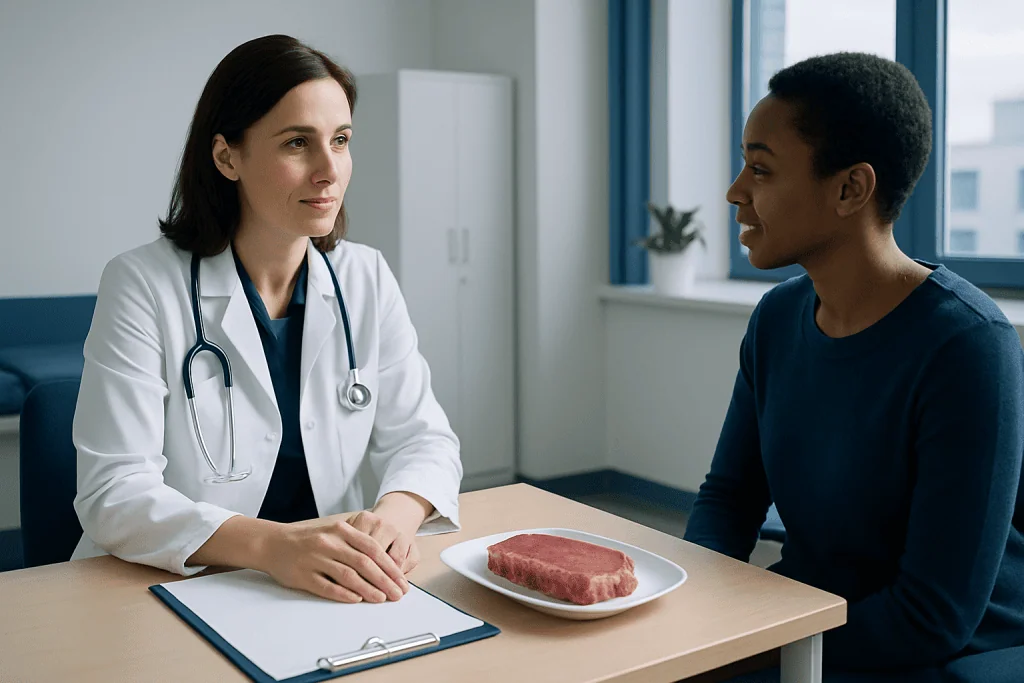
Red meat contains heme iron, the type of iron found in animal tissues. Heme iron is usually absorbed more efficiently than non-heme iron from beans, lentils, leafy greens, or fortified grains. This is why even modest servings of red meat may help some people improve their iron intake more effectively than plant sources alone.
Absorption is influenced by the rest of the meal. Vitamin C-rich foods, such as citrus fruits, strawberries, tomatoes, and bell peppers, can improve total iron absorption, especially when a meal includes both heme and non-heme iron sources. On the other hand, tea, coffee, and large amounts of calcium taken with meals may reduce iron absorption in some people.
Still, iron absorption is only one piece of the picture. Someone with significant iron deficiency may not correct the problem through diet alone, particularly if there is chronic blood loss, gastrointestinal malabsorption, heavy menstrual bleeding, pregnancy-related increased needs, or another underlying condition. In those situations, a clinician may recommend blood testing and, if needed, iron supplementation or other treatment.
For readers who want to understand related conditions, low iron may sometimes be part of anemia, but anemia has multiple causes and should be diagnosed rather than assumed.
Who may benefit most from iron-rich red meat?
Iron-rich red meat may be especially helpful for people whose iron needs are higher or whose iron intake has been low. This includes some menstruating women, pregnant people, adolescents during rapid growth, endurance athletes, frequent blood donors, and people following restrictive diets. In these groups, including moderate amounts of iron-rich foods can be one useful strategy.
People who avoid meat entirely can still meet iron needs, but they often need more planning. Non-heme iron sources such as legumes, tofu, seeds, fortified cereals, and leafy greens can contribute meaningfully, especially when paired with vitamin C-rich foods. However, because non-heme iron is less readily absorbed, some people may still need monitoring if they have symptoms or known risk factors for deficiency.
Not everyone should increase red meat. People with certain metabolic conditions, kidney disease, gout, high cardiovascular risk, or dietary restrictions may need tailored advice. Organ meats also need special caution in pregnancy because vitamin A content may be high. A clinician or dietitian can help decide whether increasing red meat is appropriate, or whether another plan would be safer and more effective.
If iron deficiency is confirmed and diet is not enough, a doctor may advise iron infusion or oral iron therapy, depending on the cause and severity.
Signs of low iron and how doctors check it
Low iron may develop gradually. Common symptoms include fatigue, weakness, reduced exercise tolerance, shortness of breath with exertion, dizziness, headaches, pale skin, cold hands and feet, or trouble concentrating. Some people notice brittle nails, hair shedding, or cravings for non-food items such as ice. These symptoms are not specific to iron deficiency, so testing is important.
Doctors usually begin with a medical history, physical examination, and blood tests. Common tests include a complete blood count, ferritin, serum iron, transferrin saturation, and related measures that help show whether iron stores are low. If anemia is present, doctors also consider other causes such as vitamin deficiencies, inflammation, chronic disease, or inherited blood disorders.
Finding the reason for low iron is just as important as confirming it. In some cases, the cause is low dietary intake. In others, it may relate to heavy menstrual bleeding, pregnancy, ulcers, gastrointestinal bleeding, bowel disease, surgery, or poor absorption. If digestive symptoms, unexplained weight loss, black stools, or ongoing abdominal issues are present, evaluation may include endoscopy or colonoscopy when clinically appropriate.
How to include red meat in an iron-supporting diet
For many adults, the most sustainable approach is moderate use of iron-rich red meat within a balanced eating pattern. Practical choices include lean beef, lamb, or small portions of organ meat eaten occasionally if medically appropriate. Pairing meat with vegetables, beans, whole grains, and vitamin C-rich foods can support nutrition without relying on very large portions.
Meal quality matters. Stews with beef and lentils, lean minced beef with tomato-based dishes, or lamb served with roasted vegetables are examples of meals that combine iron sources with nutrients that support absorption. Limiting highly processed meats and avoiding frequent oversized portions can help maintain a heart-healthier pattern.
People with confirmed iron deficiency should not self-manage indefinitely with food alone. Dietary changes may support recovery, but follow-up testing is often needed to confirm that iron stores are improving. If iron tablets cause side effects or do not work well enough, clinicians may consider other options after evaluating the cause.
In complex cases, multidisciplinary assessment may be useful. Acibadem International’s specialists and JCI-accredited hospitals evaluate causes of iron deficiency and provide coordinated care for international patients when needed.
When to seek medical care
Medical advice is important if fatigue is persistent, shortness of breath is new, dizziness recurs, or exercise tolerance is declining without a clear reason. A person should also seek care for pale skin, rapid heartbeat, chest discomfort, or symptoms that interfere with daily life. These problems do not always mean iron deficiency, but they deserve assessment.
Prompt evaluation is especially important if there is heavy menstrual bleeding, blood in the stool, black or tarry stools, vomiting blood, unexplained weight loss, trouble swallowing, ongoing abdominal pain, or known digestive disease. These features may suggest blood loss or another condition that should not be treated with diet alone.
Children, older adults, pregnant people, and anyone with a chronic illness should be cautious about self-diagnosing low iron. Safe treatment depends on the cause. If a clinician suspects bleeding, malabsorption, or another medical issue, targeted tests and specialist care may be recommended rather than simply eating more red meat.
Frequently asked questions
What red meat has the highest iron?
Organ meats, especially liver and spleen, generally contain the most iron among red meats. Among more common choices, beef and lamb are reliable sources of heme iron.
Is beef or lamb better for iron?
Both beef and lamb can be good sources of iron, and the exact amount varies by cut. The better choice often depends on the person’s taste, overall diet, and how the meat fits into a balanced meal.
Can eating red meat fix iron deficiency?
Red meat can help increase iron intake, especially because it contains well-absorbed heme iron. However, true iron deficiency may need blood tests, supplements, or treatment of an underlying cause such as bleeding or poor absorption.
How often should someone eat red meat for iron?
There is no single schedule that suits everyone. Frequency should depend on individual iron needs, heart-health considerations, cultural preferences, and medical advice, with moderation usually being the safest general approach.
Are organ meats the best choice for everyone with low iron?
Not always. Organ meats are rich in iron, but they may not be suitable for everyone because of their high vitamin A content, cholesterol content, or other health considerations. A doctor or dietitian can help decide whether they are appropriate.
What foods help the body absorb iron from red meat?
Vitamin C-rich foods such as tomatoes, citrus fruits, berries, and peppers can support iron absorption. It may also help to avoid tea, coffee, or large calcium-rich servings at the same time as an iron-focused meal.
This article is for general information only and is not a substitute for professional medical advice. Please consult a qualified doctor about your individual situation.
Explore treatments in Turkey — costs, top hospitals & a free quote
JCI-accredited · board-certified surgeons · reply within 24h
Add us as a Preferred Source to see more of our trusted health content across Google Search, AI Overviews and Discover.
Check your numbers in seconds
BMI, calories, due date, blood pressure and 30+ more clinical calculators — free, instant, doctor-reviewed ranges.

More from the Health Library

Apolipoprotein B: An Evidence-Based Guide for Patients

Areolas: An Evidence-Based Guide for Patients

Synovial Membrane: What Patients Need to Know

Early Satiety: What Patients Need to Know

Topiramate Moa — Explained by Medical Evidence, Not Myths