Reflexology Chart: A Complete Medical Overview

A reflexology chart shows pressure-point maps on the feet, hands, or ears that practitioners use during sessions. These charts are not scientifically proven maps of internal organs and should not replace medical evaluation.
Key Takeaways
- A reflexology chart shows pressure-point maps on the feet, hands, or ears that practitioners use during sessions.
- These charts are not scientifically proven maps of internal organs and should not replace medical evaluation.
- Some people find reflexology relaxing and helpful for stress, comfort, or general well-being.
- Pain, numbness, swelling, fever, chest symptoms, or ongoing digestive or neurological symptoms need medical assessment.
- People with certain conditions, such as foot wounds, infections, blood clots, or high-risk pregnancy concerns, should ask a doctor before trying reflexology.
A reflexology chart is a visual map that links areas of the feet, hands, or ears with parts of the body. It may help explain how reflexology sessions are organized, but it should be understood as a complementary wellness framework rather than a method to diagnose or treat disease.
Overview: What a Reflexology Chart Means
A reflexology chart is a diagram that assigns specific areas of the feet, hands, or ears to different organs, glands, and body regions. In practice, a reflexologist uses the chart as a guide to apply pressure to these mapped zones. The chart is most commonly used for the feet, where the toes are often linked to the head and neck, the arch to the chest and abdomen, and the heel to the lower back and pelvic area.
From a medical perspective, a reflexology chart is best understood as part of a complementary wellness approach. It can help explain how a session is structured, but it is not an anatomical map in the same way as nerves, blood vessels, or muscles. There is limited evidence for specific organ-based effects, so the chart should not be used to diagnose illness or to decide that symptoms are harmless.
Many people seek reflexology for relaxation, stress relief, or a sense of comfort. Gentle touch and focused pressure may support general well-being in some individuals, especially when used alongside healthy sleep, movement, and medical care when needed. A clear, balanced understanding helps people use reflexology safely and set realistic expectations.
How Reflexology Charts Are Organized
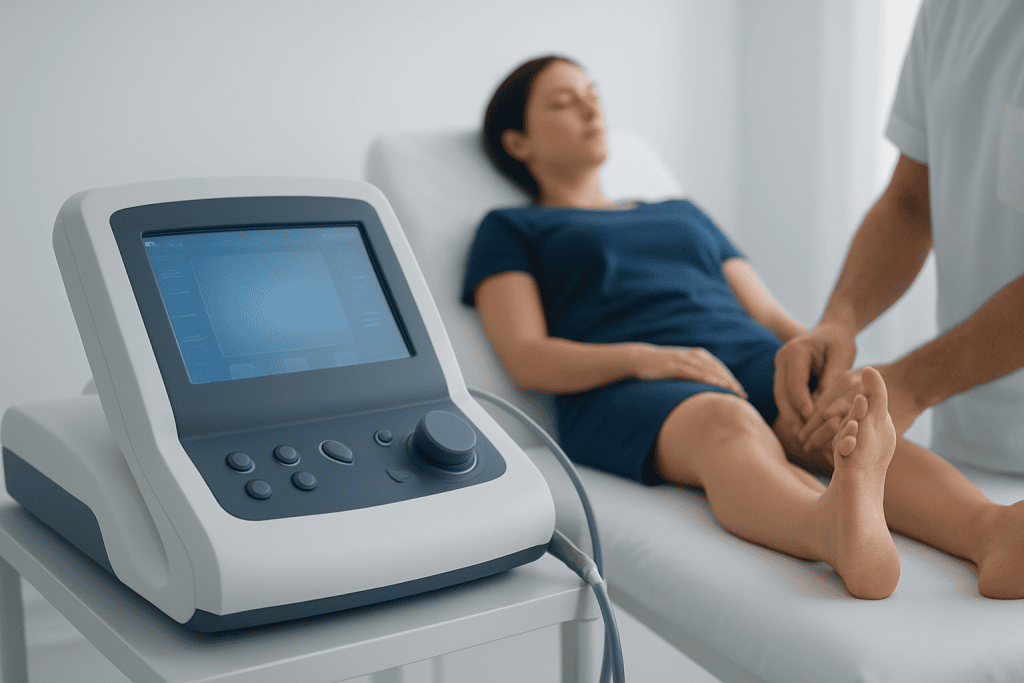
Most reflexology charts divide the body into longitudinal zones running from head to toe. The idea is that each zone on the foot or hand corresponds to the same zone in the body. For example, the big toes may be linked with the head area, while the ball of the foot may be associated with the chest. The left and right feet are also often shown as corresponding more strongly to the left and right sides of the body.
A foot reflexology chart is the most familiar version. It usually marks structures such as the sinuses, spine, stomach, liver, kidneys, and intestines. A hand reflexology chart uses similar principles but on the palms and fingers. Ear maps are less commonly used in general wellness settings and overlap with concepts from auricular therapy.
These diagrams can vary between schools of practice. That variation is one reason clinicians do not treat reflexology charts as standardized medical tools. Even so, understanding the layout can help a person follow what a practitioner is doing and ask informed questions about comfort, pressure, and expected effects during a session.
- Feet: most commonly used for full-body mapping
- Hands: often chosen when feet are sensitive or inaccessible
- Ears: used in some complementary therapy approaches
- Zones: vertical body segments mirrored on reflex areas
What Reflexology May Help With—and What It Cannot Do
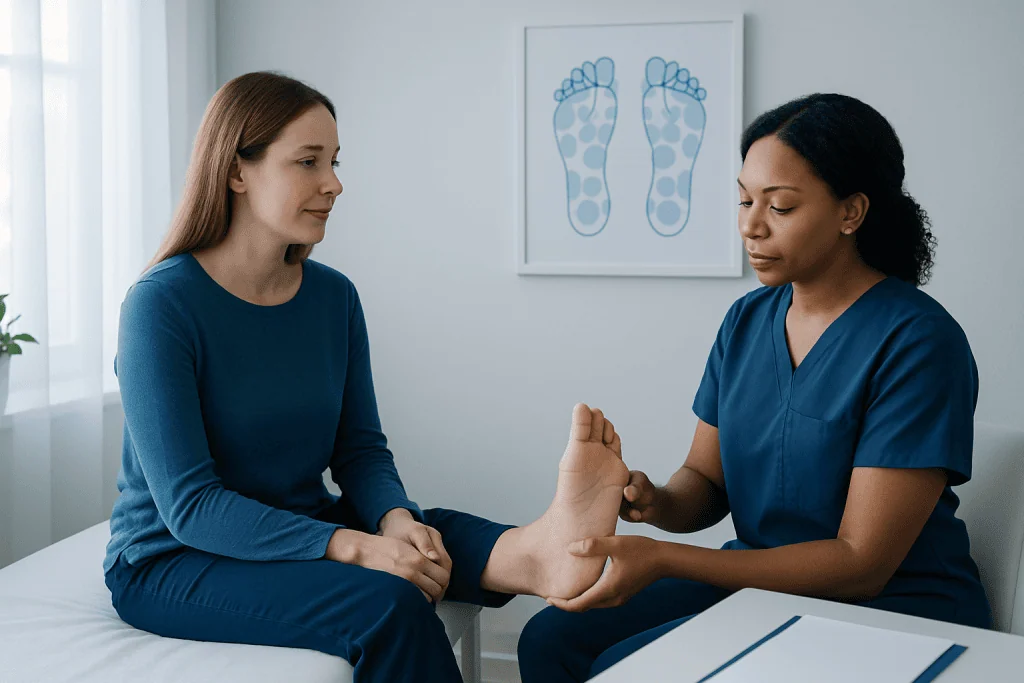
Some people report that reflexology helps them feel calmer, more relaxed, and less tense. This may be related to the effects of touch, quiet rest, and focused attention rather than a direct effect on internal organs. In supportive care settings, reflexology is sometimes used as an adjunct for comfort, stress management, or general symptom relief, especially when a person also receives standard medical care.
Research on reflexology is mixed. Some studies suggest possible short-term benefits for anxiety, pain perception, or quality of life in certain groups, while others show limited or inconsistent effects. Overall, the evidence does not support using a reflexology chart as proof that pressure on one spot can diagnose disease or correct a problem in a specific organ.
Reflexology cannot replace appropriate medical diagnosis or treatment. It should not be used instead of evaluation for symptoms such as chest pain, severe headache, new weakness, unexplained weight loss, persistent abdominal pain, or ongoing numbness. If a person is dealing with chronic pain, symptoms related to migraine, or nerve-related problems such as peripheral neuropathy, medical assessment remains the right first step.
Common Claims, Symptoms, and Safety Limits
People often turn to reflexology for headaches, stress, tired feet, poor sleep, back discomfort, digestive upset, or a general sense of imbalance. A chart may label pressure points for the head, spine, stomach, or intestines, which can make it seem highly specific. However, symptoms that involve the same body area can have very different causes, and a chart cannot tell the difference between a minor issue and a serious condition.
For example, foot discomfort may come from overuse, footwear, arthritis, circulation problems, or nerve conditions. Headache may be tension-related, but it can also be linked to dehydration, infection, medication effects, or another medical problem. Numbness, burning, or tingling should not be explained away by pressure-point theory alone, especially if symptoms are worsening or affecting balance or daily function.
Safety also matters. Reflexology should be approached carefully in people who have open wounds, skin infections, severe swelling, recent fractures, active gout flares, burns, or significant foot pain. Extra caution is also important for anyone with diabetes-related foot problems, poor circulation, or concerns about blood clots. In these situations, a doctor may recommend evaluation first and may advise treatments such as physical therapy and rehabilitation or another targeted plan depending on the cause.
How Doctors Evaluate Symptoms Often Linked to Reflexology Charts
When symptoms are persistent, severe, or unexplained, clinicians do not rely on reflexology maps. They begin with a medical history and physical examination, asking where symptoms occur, how long they have been present, what makes them better or worse, and whether there are warning signs such as fever, weakness, weight loss, or shortness of breath. This helps identify whether the problem is likely musculoskeletal, neurological, digestive, vascular, or related to another system.
Further testing depends on the symptoms. A doctor may recommend blood tests, imaging, nerve studies, or specialist evaluation. For foot pain or structural concerns, imaging may sometimes be helpful; for neurological symptoms, formal examination is more important than pressure-point charts. If symptoms are centered in the head, neck, or spine, a clinician may consider therapies or further assessment rather than assuming the problem can be managed through foot pressure alone.
In some cases, treatment may involve supportive measures such as stretching, footwear changes, rehabilitation, stress reduction, or medical therapy. If a structural issue is suspected, a physician may advise targeted imaging such as MRI to clarify the diagnosis. The key message is that a reflexology chart can be a wellness reference, but symptoms still need proper medical context.
Using Reflexology as a Complementary Practice
For people who enjoy reflexology, the most sensible approach is to use it as a complementary practice rather than a substitute for care. Sessions should be gentle, hygienic, and adapted to the person’s comfort level. A qualified practitioner should ask about medical conditions, pregnancy, foot injuries, skin problems, circulation issues, and medications that may affect bruising or sensitivity.
It is reasonable to stop a session if pressure causes pain, dizziness, nausea, or distress. The feet and hands can be sensitive, and stronger pressure is not necessarily better. A person should feel comfortable speaking up about discomfort and should not be told that pain during treatment is required to release a problem in an internal organ.
Some individuals combine reflexology with medically sound self-care measures such as regular physical activity, stress management, hydration, supportive footwear, and sleep hygiene. If symptoms are ongoing, clinicians may suggest evidence-based treatments depending on the cause, including neurology rehabilitation when appropriate for recovery or function. Near the end of the care pathway, some international patients also choose evaluation at Acibadem International, where multidisciplinary specialists in JCI-accredited hospitals assess symptoms and provide condition-specific treatment plans.
When to Seek Medical Care
A reflexology chart should never delay medical attention for urgent symptoms. Immediate care is important for chest pain, sudden shortness of breath, one-sided weakness, new confusion, fainting, seizure, sudden vision loss, severe allergic symptoms, or a sudden severe headache unlike usual headaches. These symptoms require prompt evaluation rather than pressure-point therapy.
Medical review is also advisable if a person has persistent foot pain, numbness, swelling, skin color change, non-healing wounds, fever, repeated vomiting, ongoing abdominal pain, severe back pain, or symptoms that interfere with walking, sleep, or daily activities. In children, older adults, pregnant people, and anyone with complex medical conditions, it is especially important not to rely on a chart alone.
If a symptom keeps returning despite rest and routine self-care, or if there is uncertainty about the cause, a qualified doctor can help determine whether it is a minor issue or part of a larger health problem. Early assessment is often the best way to protect long-term health and avoid unnecessary delay in treatment.
Frequently asked questions
What is a reflexology chart used for?
A reflexology chart is used to show which areas of the feet, hands, or ears a practitioner may press during a session. It is mainly a guide for complementary wellness practice, not a medical test or anatomical map.
Is a foot reflexology chart medically accurate?
A foot reflexology chart is not considered a medically proven map of internal organs. It may help organize a reflexology session, but it cannot diagnose disease or confirm the cause of symptoms.
Can reflexology treat health problems?
Reflexology may help some people feel relaxed or more comfortable, and it can be used alongside standard care for general well-being. It should not replace medical treatment for pain, nerve symptoms, digestive problems, or any persistent or serious condition.
Are hand reflexology charts and foot reflexology charts the same?
They are based on similar ideas, but they map different body areas onto the hands and feet. Foot charts are more commonly used, while hand charts may be preferred when the feet are painful, injured, or sensitive.
Who should avoid reflexology or ask a doctor first?
People with open wounds, skin infections, severe swelling, recent fractures, active foot ulcers, clotting concerns, or major circulation problems should ask a doctor first. Extra caution is also sensible during pregnancy and for people with diabetes-related foot complications.
Can a reflexology chart show why a specific area hurts?
No. Tenderness in one spot on the foot or hand does not reliably identify a problem in a related organ. Pain may come from local pressure sensitivity, overuse, footwear issues, joint problems, or nerve irritation, so persistent symptoms need proper medical evaluation.
References
- World Health Organization
- National Center for Complementary and Integrative Health
- Mayo Clinic
- MedlinePlus
- National Health Service
This article is for general information only and is not a substitute for professional medical advice. Please consult a qualified doctor about your individual situation.
Explore treatments in Turkey — costs, top hospitals & a free quote
JCI-accredited · board-certified surgeons · reply within 24h
Add us as a Preferred Source to see more of our trusted health content across Google Search, AI Overviews and Discover.

More from the Health Library

Related Specialists

Fzt. Tuğçe Kahraman
Physical Medicine & Rehabilitation
Fzt. Gizem Gürzoğlu
Pediatric Rehabilitation
Assoc. Prof. Dr. Didem Öncel Yakar
General Surgery
Prof. Dr. Kübra Eren Bozdağ
Dermatology