Reishi Mushroom Benefits — Explained by Medical Evidence, Not Myths

Reishi mushroom has a long history in traditional medicine, but modern clinical evidence is mixed and still developing. Possible reishi mushroom benefits include immune support and help with some symptoms such as fatigue or quality of life, mainly as a complementary approach.
Key Takeaways
- Reishi mushroom has a long history in traditional medicine, but modern clinical evidence is mixed and still developing.
- Possible reishi mushroom benefits include immune support and help with some symptoms such as fatigue or quality of life, mainly as a complementary approach.
- Reishi is not a proven cure for cancer, infections, heart disease, or chronic illnesses.
- Side effects and interactions are possible, especially with blood thinners, blood pressure medicines, diabetes medicines, and immune therapies.
- People who are pregnant, breastfeeding, preparing for surgery, or living with chronic disease should ask a doctor before using reishi supplements.
Reishi mushroom benefits are often described broadly, but medical evidence supports only a few cautious conclusions. Reishi may have immune-modulating and anti-inflammatory effects, yet human research is still limited, and it should be used carefully, especially by people with medical conditions or those taking medicines.
Overview: what reishi mushroom benefits are supported by evidence?
Reishi mushroom benefits are most accurately described as possible supportive effects rather than proven treatment results. Laboratory and animal studies suggest that compounds in reishi, including polysaccharides and triterpenes, may influence immune signaling, inflammation, and oxidative stress. However, these early findings do not automatically mean the same benefits are strong or reliable in people.
In human studies, reishi has shown some potential to support overall well-being, reduce fatigue in selected groups, and affect certain immune markers. Even so, the quality of evidence remains limited because many studies are small, use different preparations, or examine reishi alongside standard treatment rather than on its own. For that reason, doctors generally view reishi as a supplement that may have a complementary role, not a replacement for evidence-based medical care.
It is also important to distinguish food from supplement forms. Reishi is usually too bitter to be eaten like common culinary mushrooms, so it is more often taken as powders, extracts, teas, or capsules. Since products vary widely in concentration and purity, the effects may differ from one brand or preparation to another.
How reishi may work in the body
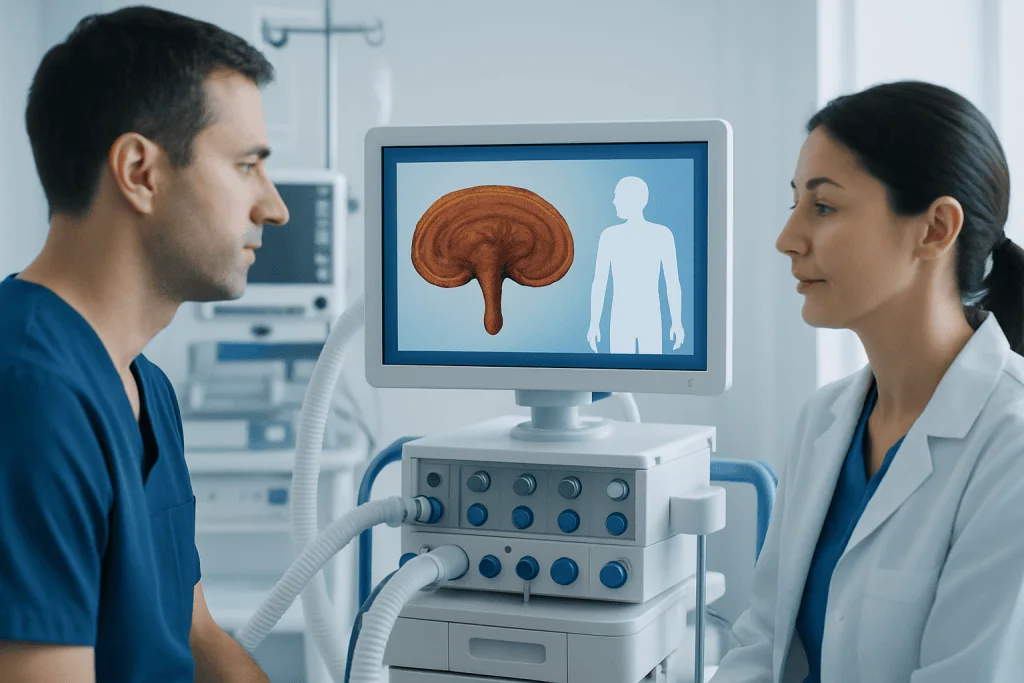
Researchers study reishi because it contains biologically active substances that may affect several body systems. Polysaccharides are often discussed for their possible immune-modulating effects, while triterpenes are being studied for anti-inflammatory and antioxidant properties. These mechanisms are scientifically interesting, but they do not prove a clear clinical benefit for every person who takes reishi.
Immune modulation does not simply mean “boosting” the immune system. In medical terms, it may mean influencing how immune cells communicate and respond. This matters because a stronger immune response is not always better; in some conditions, such as autoimmune disease, immune stimulation may be unhelpful or even risky. Anyone living with an immune-related condition should use special caution and seek guidance from a qualified clinician.
Some studies also explore reishi’s potential effects on sleep, stress response, blood sugar, and cholesterol. At present, these areas remain under investigation. The available data are not strong enough to recommend reishi as a primary treatment for insomnia, diabetes, high cholesterol, or cardiovascular disease.
Potential benefits: what studies suggest and what they do not

The most reasonable interpretation of current evidence is that reishi may offer modest supportive benefits for some people, particularly in the context of general wellness or symptom management. For example, small studies have suggested possible improvements in fatigue, perceived well-being, or quality of life in certain populations. These findings can be encouraging, but they should be viewed as preliminary rather than definitive.
One of the most discussed areas is immunity. Reishi may influence immune markers in the blood and the activity of some immune cells. However, changes in laboratory markers do not always translate into better health outcomes, such as fewer infections or faster recovery. This is one reason why claims about reishi “strengthening immunity” should be kept measured and evidence-based.
Reishi is also often promoted in relation to cancer support. Some research has examined reishi as a complementary supplement for people already receiving cancer care, especially in relation to quality of life or immune parameters. But reishi has not been proven to treat or cure cancer, and it must not replace specialist evaluation or therapies such as chemotherapy or immunotherapy. People with concerning symptoms should seek assessment for conditions such as cancer rather than relying on supplements.
Claims that reishi reliably lowers blood pressure, controls blood sugar, prevents heart disease, or treats liver disease are also not well established. While early studies raise questions worth researching, current clinical evidence is not strong enough to support these uses as standard medical advice.
Side effects, safety, and medicine interactions
Many people assume natural products are automatically safe, but reishi can cause side effects and may interact with medicines. Reported side effects include digestive upset, nausea, dry mouth, rash, dizziness, and stomach discomfort. Some people also notice changes in bowel habits or an unpleasant bitter aftertaste, depending on the form used.
There are important safety concerns for people with bleeding risk because reishi may have antiplatelet or blood-thinning effects. This means caution is needed for anyone taking anticoagulants or antiplatelet medicines, or for people with clotting disorders. Reishi may also affect blood pressure or blood sugar, so it can potentially interact with medicines used for hypertension or diabetes.
People with autoimmune conditions, those using immunosuppressive drugs, and transplant recipients should not start reishi without medical advice. Because reishi may influence immune function, it could work against the goals of some treatments. If a person is being evaluated or treated for diabetes or another chronic illness, supplements should be reviewed as part of the overall care plan.
Pregnant or breastfeeding individuals should avoid using reishi unless a doctor specifically advises it. Reishi should also generally be stopped before planned surgery because of possible bleeding effects. Product quality is another concern, since supplements are not all standardized and contamination or inaccurate labeling can occur.
Who should be especially cautious with reishi?
Reishi is not appropriate for everyone. Extra caution is important for older adults who take multiple medicines, as supplement-drug interactions become more likely when several treatments are used together. People with liver disease, low blood pressure, bleeding disorders, or a history of unusual reactions to herbal products should also be careful.
Individuals receiving treatment for serious illness should avoid self-prescribing reishi in place of medical care. This includes people with ongoing infections, unexplained weight loss, persistent fever, swollen lymph nodes, or long-lasting fatigue. Symptoms like these may need proper diagnostic testing rather than nutritional supplementation alone.
Children and teenagers should not routinely use reishi supplements unless advised by a pediatrician. The evidence for safety and benefit in younger age groups is limited. In all age groups, a careful review of the ingredient list matters because some blended products contain several herbs, caffeine, or other additives that may cause additional effects.
How to use reishi more safely and realistically
If a person is considering reishi, the safest approach is to discuss it with a doctor or pharmacist first, especially if there is an existing medical condition or regular prescription use. It helps to bring the exact product label to the appointment. This allows a clinician to check the form, ingredients, and possible interactions in a practical way.
It is wise to choose products from reputable manufacturers that provide clear labeling and quality testing information. Because supplement potency can vary, one product may not match the formula used in a research study. A cautious mindset is important: even if a supplement is marketed for “immune health” or “energy,” that does not guarantee meaningful benefit.
Reishi should be viewed as one part of a broader health strategy, not as a shortcut to disease prevention or recovery. Evidence-based habits such as balanced nutrition, regular physical activity, good sleep, vaccination when appropriate, and follow-up care for chronic conditions remain much more strongly supported. If persistent fatigue is the main concern, a doctor may need to evaluate causes such as anemia, thyroid disease, sleep problems, depression, or vitamin B12 deficiency.
When to seek medical care
A person should seek medical care if they are considering reishi to manage a diagnosed disease, replace a prescribed treatment, or cope with ongoing symptoms that have not been explained. Medical evaluation is especially important for chest pain, shortness of breath, fainting, black stools, unusual bleeding, severe abdominal pain, or symptoms that are worsening instead of improving.
It is also advisable to contact a doctor if side effects appear after starting reishi, such as rash, dizziness, persistent nausea, or signs of low blood pressure or low blood sugar. People who take blood thinners, diabetes medicines, blood pressure medicines, or cancer therapies should not add reishi without professional guidance. If specialist assessment is needed, Acibadem International’s multidisciplinary specialists in JCI-accredited hospitals diagnose and treat complex conditions for international patients using coordinated, evidence-based care.
For people who are generally healthy but curious about supplements, the most helpful question is not whether reishi is “good” or “bad,” but whether it is likely to add value to their specific health goals. A qualified clinician can help weigh possible benefits against safety, interactions, and the need for further tests or treatment.
Frequently asked questions
What are the main reishi mushroom benefits?
The main possible reishi mushroom benefits are immune-modulating effects and modest support for well-being in some people. Current evidence does not show that reishi is a proven treatment for major diseases, so expectations should remain realistic.
Can reishi mushroom boost the immune system?
Reishi may affect immune activity, but “boosting” is an oversimplified term. In medicine, immune effects can be helpful, neutral, or sometimes undesirable depending on the person's health condition and treatments.
Is reishi mushroom good for cancer?
Reishi has been studied as a complementary supplement in cancer care, mainly for quality-of-life and immune-related questions. It is not a cure for cancer and should never replace diagnosis, oncology treatment, or follow-up with a specialist.
Does reishi help with sleep or stress?
Some people use reishi for relaxation or sleep support, but strong clinical evidence is lacking. If sleep problems are ongoing, a doctor can help look for causes such as anxiety, sleep apnea, medication effects, or other medical conditions.
Who should not take reishi mushroom?
People taking blood thinners, diabetes medicines, blood pressure medicines, immunosuppressive treatment, or cancer therapies should be especially cautious. Pregnant or breastfeeding individuals, people with bleeding disorders, and those preparing for surgery should avoid reishi unless a clinician advises otherwise.
Can reishi mushroom cause side effects?
Yes. Possible side effects include digestive upset, nausea, dizziness, dry mouth, rash, and discomfort in the stomach. Because supplement quality varies, reactions may also differ between products.
Should reishi replace a healthy lifestyle or medical treatment?
No. Reishi should not replace a balanced diet, exercise, sleep, preventive care, or prescribed treatment. For most people, core lifestyle measures and appropriate medical care have much stronger evidence than supplements alone.
This article is for general information only and is not a substitute for professional medical advice. Please consult a qualified doctor about your individual situation.
Explore treatments in Turkey — costs, top hospitals & a free quote
JCI-accredited · board-certified surgeons · reply within 24h
Add us as a Preferred Source to see more of our trusted health content across Google Search, AI Overviews and Discover.
Check your numbers in seconds
BMI, calories, due date, blood pressure and 30+ more clinical calculators — free, instant, doctor-reviewed ranges.

More from the Health Library

Bug in Ear: Safe Steps and When to Seek Care

Unsteady Gait: A Complete Medical Overview

Sleep Deprivation — Explained by Medical Evidence, Not Myths

Stint: Symptoms, Causes, and Treatment — Complete Patient Guide

Hydrophobic: A Complete Medical Overview