Retinopathy: Symptoms, Causes, and Treatment — Complete Patient Guide

Retinopathy is a broad term for retinal damage caused by conditions such as diabetes, high blood pressure, prematurity, and some blood vessel disorders. Early retinopathy may cause no symptoms, which is why regular eye exams are important for people at risk.
Key Takeaways
- Retinopathy is a broad term for retinal damage caused by conditions such as diabetes, high blood pressure, prematurity, and some blood vessel disorders.
- Early retinopathy may cause no symptoms, which is why regular eye exams are important for people at risk.
- Common symptoms include blurred vision, floaters, dark spots, reduced night vision, and sudden changes in sight.
- Treatment depends on the cause and severity and may include controlling underlying disease, injections, laser therapy, or eye surgery.
- Prompt medical care is important for sudden vision loss, flashes of light, or a sharp increase in floaters.
Retinopathy is damage to the retina, the light-sensitive tissue at the back of the eye. It can develop quietly at first, but early diagnosis and treatment may help protect vision and reduce the risk of permanent sight problems.
Overview: What retinopathy is
Retinopathy is a general term for diseases that damage the retina, the thin layer of tissue lining the back of the eye. The retina converts light into signals that travel to the brain, allowing a person to see clearly. When the retina is affected, vision may become blurred, distorted, or reduced.
Several different conditions can lead to retinopathy. The most common forms are diabetic retinopathy and hypertensive retinopathy, but retinopathy can also occur in premature babies, with retinal vein problems, or alongside certain inflammatory or inherited eye disorders. In many cases, the damage involves small blood vessels that leak, become blocked, or grow abnormally.
One important feature of retinopathy is that it may begin without noticeable symptoms. A person can feel well and still have early retinal changes. For this reason, people with diabetes, high blood pressure, or other risk factors benefit from routine eye screening even when their vision seems normal.
Symptoms of retinopathy
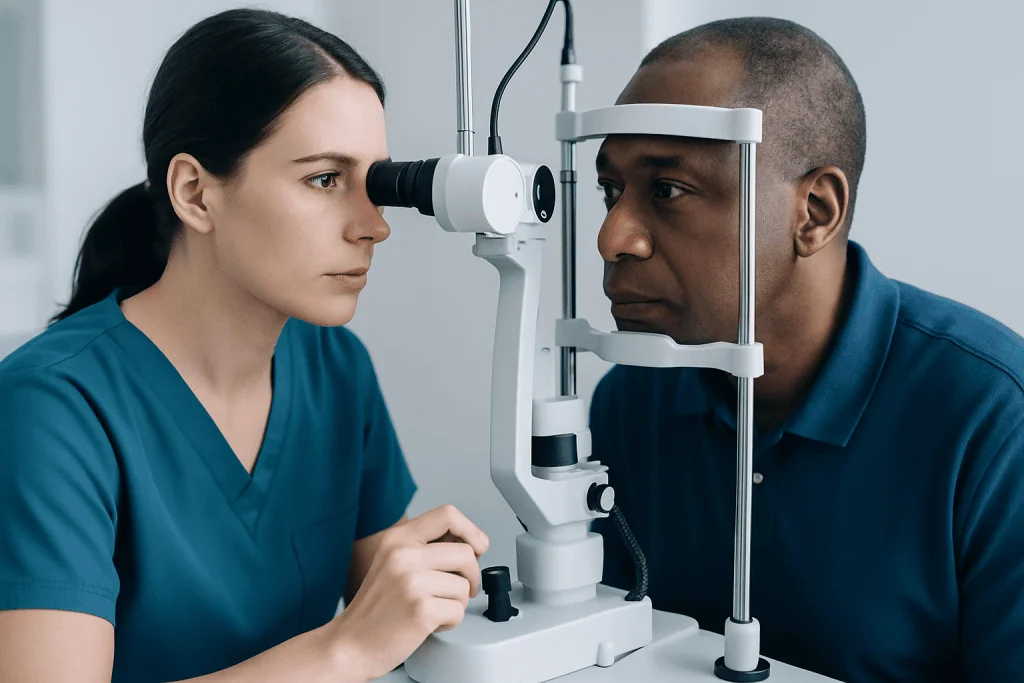
Retinopathy symptoms vary depending on the cause, the part of the retina affected, and how advanced the condition is. Early disease often causes no warning signs. As retinal damage progresses, a person may notice gradual or sudden changes in vision.
Possible symptoms include blurred vision, trouble reading, reduced color clarity, dark or empty areas in the field of vision, floaters, and poorer night vision. Some people describe waviness or distortion when looking at straight lines. If bleeding or retinal swelling develops, sight can worsen more quickly.
Symptoms that deserve urgent medical attention include a sudden drop in vision, new flashes of light, a shower of floaters, or a curtain-like shadow over part of the visual field. These may suggest bleeding inside the eye, retinal detachment, or another serious retinal problem needing prompt assessment.
- Blurred or fluctuating vision
- Floaters or spots
- Dark patches in vision
- Difficulty seeing at night
- Sudden vision change or vision loss
Causes and risk factors
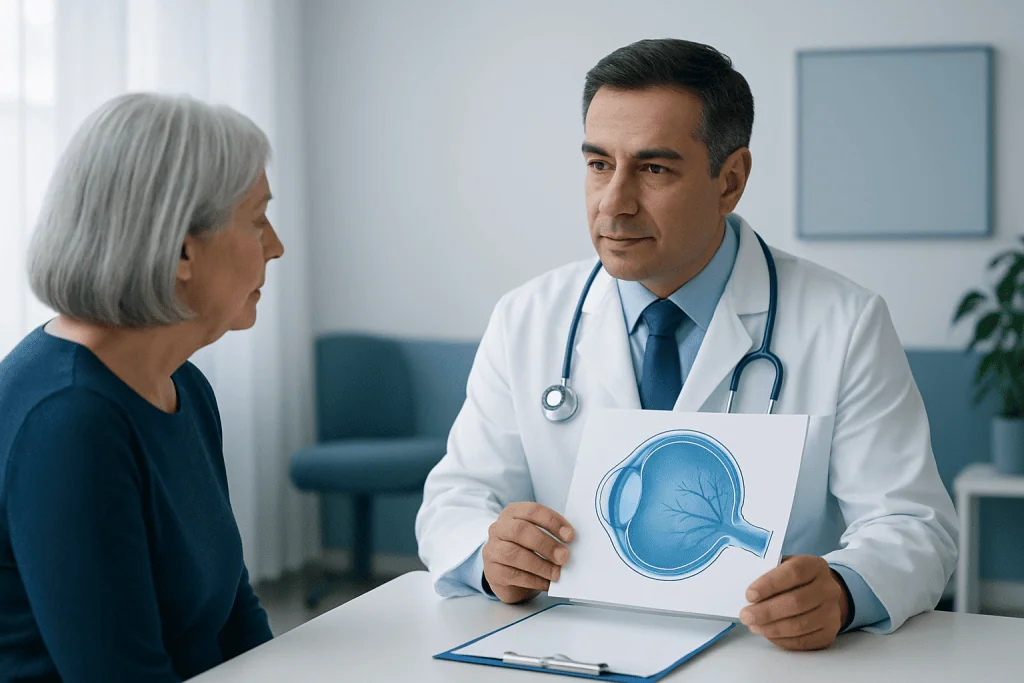
Retinopathy develops when the retina or its blood supply is damaged. Diabetes is one of the best-known causes because high blood sugar can weaken small retinal blood vessels over time. This can lead to leakage, swelling, poor blood flow, and the growth of fragile new vessels. This form is known as diabetic retinopathy.
High blood pressure can also injure the retinal circulation. In hypertensive retinopathy, persistently elevated pressure causes narrowing and stress in the eye’s small vessels, sometimes leading to bleeding, swelling, or changes in the optic nerve. Other contributors include high cholesterol, smoking, kidney disease, pregnancy-related blood pressure disorders, anemia, and autoimmune or vascular conditions.
Premature infants can develop retinopathy of prematurity because retinal blood vessels are still developing after early birth. In adults, age, long-standing diabetes, poor blood sugar control, uncontrolled hypertension, and delayed eye care raise the risk of more advanced disease. A personal or family history of retinal disease may also matter in some situations.
How doctors diagnose retinopathy
Diagnosis starts with a medical history and a detailed eye examination. An eye specialist asks about symptoms, diabetes, blood pressure, medications, previous eye problems, and general health. Visual acuity is tested, and dilating drops are usually used so the retina can be examined more clearly.
During a dilated retinal exam, the doctor looks for bleeding, swelling, vessel changes, blocked circulation, scar tissue, and abnormal new blood vessel growth. Imaging tests often help define the extent and type of disease. Optical coherence tomography shows retinal swelling and fluid, while retinal photography documents changes over time.
Some patients may also need fluorescein angiography to assess blood flow and leakage in retinal vessels. If the eye specialist suspects a broader health issue, additional blood pressure checks, blood tests, or diabetes evaluation may be advised. In practice, diagnosing retinopathy often means identifying both the eye damage and the underlying condition that caused it.
Treatment options for retinopathy
Retinopathy treatment depends on the cause, how severe the retinal damage is, and whether the central retina is affected. Mild cases may be managed mainly by controlling the underlying medical problem and monitoring the eyes closely. More advanced disease may need targeted retinal treatment to reduce swelling, prevent bleeding, or preserve vision.
For diabetic retinal disease, careful blood sugar, blood pressure, and cholesterol control are central parts of treatment. Eye-specific options may include medicines injected into the eye to reduce leakage and abnormal blood vessel growth, laser treatment for leaking or fragile vessels, and surgery when bleeding or scar tissue significantly affects vision. In selected cases, specialists may recommend eye injections or retinal laser treatment.
When there is persistent bleeding into the eye or traction on the retina, an operation such as vitrectomy may be considered. If retinal findings suggest a broader eye condition, treatment plans may overlap with care used in retinal detachment or other retinal disorders. The goal is not only to treat current changes but also to lower the chance of further damage.
Vision already lost cannot always be fully restored, so early treatment matters. Even when treatment is successful, follow-up remains important because retinopathy can recur or progress over time. Personalized monitoring helps the doctor decide when observation, medical treatment, or procedure-based care is most appropriate.
Prevention and self-care
Not every form of retinopathy can be prevented, but many people can lower their risk of vision loss through consistent medical care. The most effective approach is to manage the health conditions that commonly damage the retina. For people with diabetes, this means regular glucose monitoring, taking prescribed medicines, and keeping follow-up appointments. For those with high blood pressure, steady blood pressure control is especially important.
Healthy lifestyle habits also support retinal health. Not smoking, staying physically active, eating a balanced diet, and managing cholesterol can all help protect blood vessels throughout the body, including in the eyes. People should also mention any new visual changes promptly rather than waiting for the next routine check.
Regular eye exams are one of the strongest preventive tools because retinopathy may be silent in the beginning. People with diabetes usually need scheduled retinal screening even if they see well. Pregnant people with diabetes may need closer monitoring, and premature infants require specialist screening according to neonatal care guidance.
- Keep diabetes and blood pressure well controlled
- Attend routine dilated eye examinations
- Stop smoking if applicable
- Follow treatment plans for kidney, heart, or vascular disease
- Seek prompt care for sudden visual symptoms
When to seek medical care
A person should arrange an eye examination if they have diabetes, high blood pressure, kidney disease, or a history of retinal problems, even when no symptoms are present. New blurring, trouble seeing at night, floaters, or patches of missing vision are also good reasons to book an appointment.
Urgent medical care is needed for sudden vision loss, a large increase in floaters, flashing lights, eye pain with vision change, or a shadow moving across the vision. These symptoms do not always mean retinopathy alone, but they can signal a retinal emergency that should be assessed without delay.
Care is often best provided by a team that includes ophthalmologists and, when needed, specialists in diabetes, internal medicine, or cardiology. Near the end of the care pathway, patients may also benefit from support with long-term monitoring. Acibadem International’s multidisciplinary specialists and JCI-accredited hospitals diagnose and treat retinal conditions for international patients when advanced evaluation or treatment is needed.
Frequently asked questions
Is retinopathy the same as diabetic retinopathy?
No. Retinopathy is a broad term for retinal damage, while diabetic retinopathy is one specific type caused by diabetes. Other forms include hypertensive retinopathy and retinopathy of prematurity.
Can retinopathy go away on its own?
Retinopathy usually does not simply disappear without addressing the underlying cause. Some mild changes may stabilize if blood sugar or blood pressure improves, but many cases need regular monitoring or treatment. An eye specialist can determine whether observation is safe.
Does retinopathy always cause symptoms early?
No. Early retinopathy often has no symptoms at all, which is why screening is so important for people at risk. Vision changes may appear only after the disease has progressed.
Can retinopathy lead to blindness?
Yes, severe or untreated retinopathy can cause major vision loss and, in some cases, blindness. However, early detection and timely treatment can greatly reduce this risk. Regular follow-up is an important part of protecting sight.
How often should someone with diabetes have an eye exam?
The exact schedule depends on age, type of diabetes, pregnancy status, and previous eye findings. Many people with diabetes need regular dilated eye examinations even if their vision seems normal. A doctor can advise the safest interval for each individual.
What is the difference between retinopathy and macular degeneration?
Retinopathy refers to retinal damage from various causes, often involving blood vessels. Macular degeneration is a separate condition that mainly affects the macula, the central part of the retina responsible for detailed vision. Both can affect sight, but their causes and treatments differ.
References
- American Academy of Ophthalmology
- National Eye Institute
- Centers for Disease Control and Prevention
- National Institute of Diabetes and Digestive and Kidney Diseases
- World Health Organization
This article is for general information only and is not a substitute for professional medical advice. Please consult a qualified doctor about your individual situation.
Explore treatments in Turkey — costs, top hospitals & a free quote
JCI-accredited · board-certified surgeons · reply within 24h
Add us as a Preferred Source to see more of our trusted health content across Google Search, AI Overviews and Discover.
Check your numbers in seconds
BMI, calories, due date, blood pressure and 30+ more clinical calculators — free, instant, doctor-reviewed ranges.